







Introduction:Dive deep into how Arabica coffee beans develop unique flavor profiles through altitude, microclimate, and processing methods—from Sumatra in Indonesia to Yunnan in China. Explore the distinctive beans of four classic producing regions. This article provides detailed background on origins, flavor profiles, and practical pour-over brewing tips to help coffee enthusiasts experience the distinct personalities of coffee nurtured by different lands through a single cup.
As the star of global specialty coffee, Arabica beans are extremely particular about their growing environment. The ideal cultivation altitude ranges between 800 and 2,200 meters, and they must be grown away from the threat of frost. The significant day-night temperature variations unique to high-altitude regions slow down the ripening process of coffee cherries, promoting fuller accumulation of sugars and aromatic compounds, thereby yielding a richly layered aroma spectrum. Meanwhile, subtle differences in regional microclimates endow Arabica with unparalleled regional characteristics, creating an unforgettable “terroir flavor.”
For those new to specialty coffee, facing a barrage of technical terms might feel overwhelming. Starting with representative plots from well-known producing regions and using pour-over brewing—a method that clearly highlights the intrinsic flavors of coffee—is the most intuitive way to experience regional differences and original flavors. Below, we focus on four classic producing regions—Indonesia, Ethiopia, Yunnan in China, and Colombia—to analyze the flavor profiles of their signature beans and provide practical pour-over brewing recommendations.
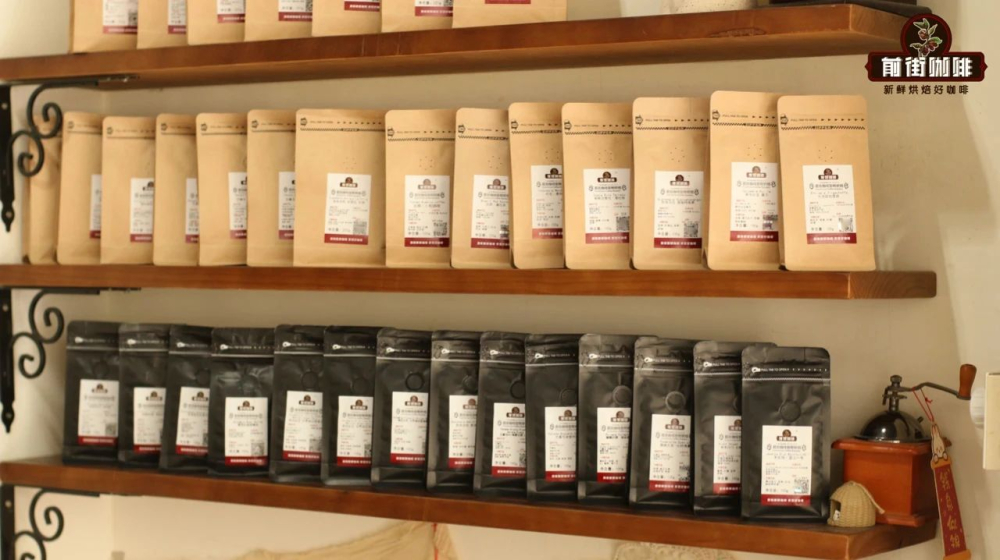
The Sumatra region in Indonesia is renowned for its wet-hulled processing method. Though originally developed to adapt to the area’s high humidity, this technique unexpectedly creates unique flavor expressions. Take Golden Mandheling, for example—it undergoes three rounds of manual sorting and one mechanical screening to rigorously remove defective beans, ensuring a rich mouthfeel and clear sweetness. Common herbal, spicy, and warm woody notes make it a classic choice beyond dark roasts. This bean is suitable for extraction via moka pot, pour over, or drip bags. For pour over, a medium-light roast is recommended, with water temperature around 90–92°C, grind size close to fine sugar, a 1:15 brew ratio, and segmented pouring to better highlight its complex layers.
Ethiopia, known as a coffee genetic treasure trove, produces the Huakui variety, famed for its rich floral aromas and vibrant fruit notes. The Huakui from this origin showcases a colorful spectrum of tropical fruits, from cream strawberry and mango to jackfruit, complemented by bright acidity from citrus and blueberries, fully embodying the essence of the Sidamo natural processing method. This bean, which once won first prize in the TOH green coffee competition, offers both drinking pleasure and an approachable price, making it ideal for newcomers to explore Ethiopia’s diverse coffee styles. For pour over, a medium-fine grind is suggested, with water temperature at 88–90°C. Using a center pour combined with a spiral expansion technique can better release the balance between its fruity and floral notes.
The Gedeb Cooperative in the Yirgacheffe region highlights clean and bright acidity through washed processing. Its classic lemon and citrus tones, paired with a green tea-like refreshing aftertaste, are a quintessential representation of “bright acidity” in specialty coffee. As a product of Ethiopia’s highest-grade G1, Gedeb’s fruit aromas are distinctly layered, especially appealing to drinkers who prefer a refreshing taste. For pour over, a finer grind (close to white sugar) is recommended, with water temperature at 86–88°C. Controlling extraction evenness through slow pouring can more precisely present the harmonious resonance of its citrus and white floral notes. This bean is also highly suitable for cold brew, which preserves its refreshing qualities while reducing intensity.
Turning to the Asian producing region, China’s Yunnan smallholder coffee is gradually making its mark. Medium-roasted Yunnan small beans skillfully balance the nutty and chocolatey base notes brought by caramelization, while retaining moderate fruit acidity as a flavor highlight. The lingering mild fruit acidity and caramel aroma in the finish create a smooth and palatable drinking experience.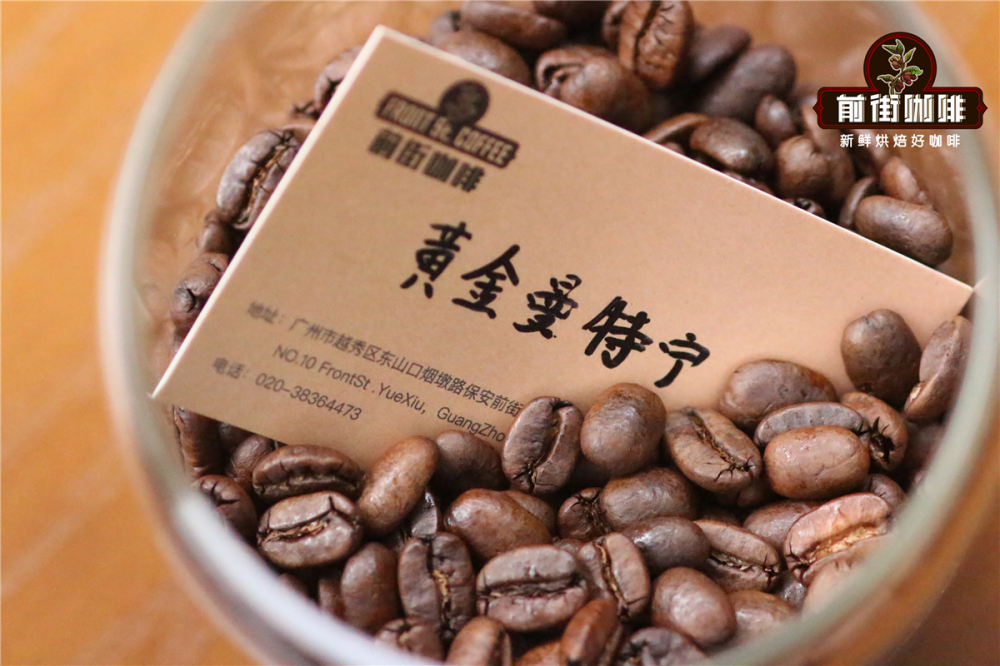 This bean suits drinkers who prefer balanced flavors and shines whether brewed as a single origin pour over or paired with milk. For pour over, a medium roast is recommended, with water temperature at 88–90°C, grind size similar to white sugar, and a 1:15 brew ratio. A steady water flow helps achieve even extraction.
Finally, coffee from Colombia’s Huila region is known for its consistent quality and distinctive full-bodied texture. This washed Huila bean displays a rich yet clear aroma profile, with soft acidity and a honey-like finish, low bitterness, and well-defined layers. Depending on roast level, it transitions from nutty tones to the complex expression of dark berries, catering to drinkers seeking varied flavors. For pour over, adjust water temperature based on roast degree (medium-light roast around 90°C, medium-dark roast at 88°C), and tweak grind size slightly according to roast depth. Stable center pouring and proper blooming are key to extraction.
The above content is compiled by CoffeeHunters, a coffee news website.


