








Introduction:Honduras’ Sherry and Laililan coffee beans have sparked discussions in the specialty pour over scene thanks to their barrel-aged fermentation process. These two high-altitude beans from Mocha Estate are fermented in whiskey and brandy barrels respectively, bringing out unique profiles of creamy vanilla and lychee-grape notes. This article delves into their flavor differences by examining their growing regions, processing details, and practical pour over parameters, while also offering expert roasting and brewing advice to help you master the art of brewing wine-aroma coffee.
In recent years, Honduras has gained recognition in the Central American specialty coffee market for its innovative barrel-aged fermentation methods. Among them, the Sherry and Laililan beans produced by Mocha Estate have captivated many pour over enthusiasts with their distinctive layers of wine aroma. The Sherry bean, fermented in a whiskey barrel, delivers complex flavors of vanilla cream and whiskey-infused chocolate; the Laililan, on the other hand, showcases sweet notes of lychee and grape through brandy barrel fermentation. This article will break down the regional background, processing techniques, roasting profiles, and practical pour over parameters of these two beans, taking you deep into their charm.
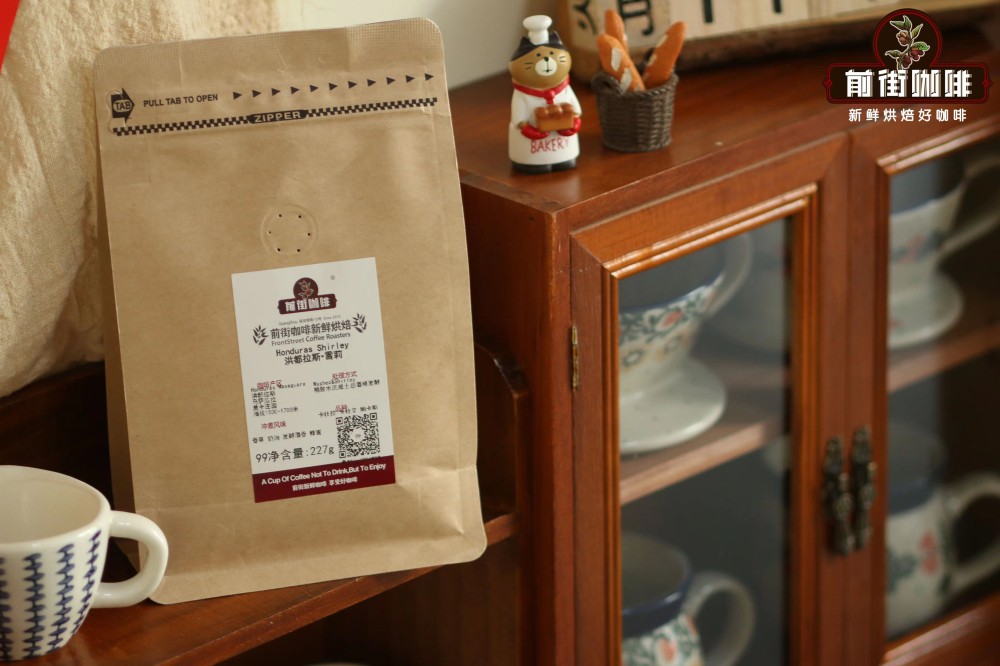
In recent years, coffee beans processed with special methods such as barrel fermentation have garnered increasing attention, and Honduras’ Sherry coffee is one of the popular representatives. Many coffee aficionados, upon first trying this particular Sherry bean from a certain brand, are often amazed by its rich vanilla cream texture and whiskey aroma. The key to this unique flavor lies in the coffee cherries being placed in aged whiskey Sherry barrels during the fermentation stage, where they undergo low-temperature slow fermentation, allowing the wine aroma to meld closely with the coffee flavors. In contrast, the Laililan from the same estate is fermented in brandy barrels, with a more pronounced body and fruity character in the mid-to-late stages. However, we’ll focus on the Sherry bean first to see how it develops such an enchanting flavor.
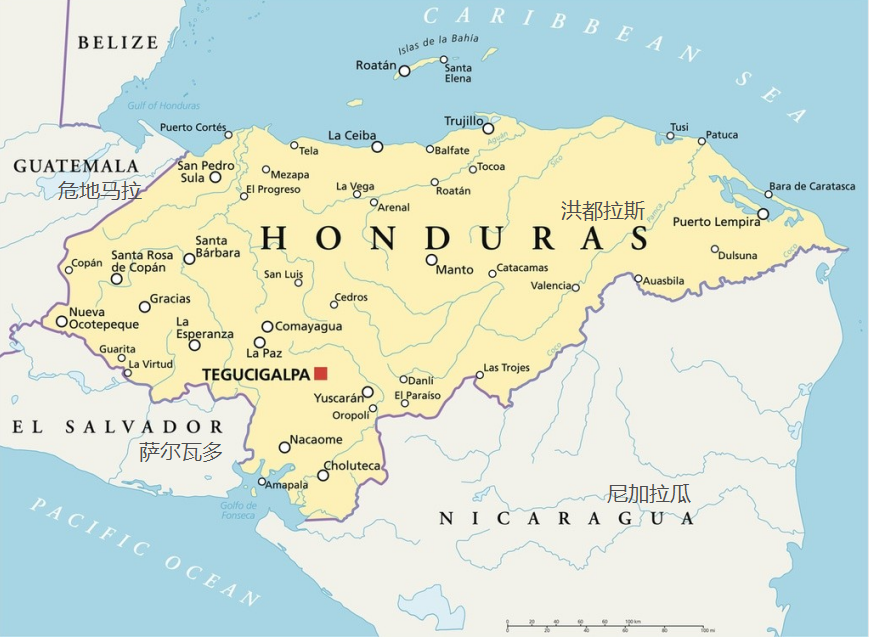
Honduras is located in the northern part of Central America, bordering Nicaragua, El Salvador, and Guatemala. The country is predominantly mountainous and plateau, with an average altitude of about 1,500 meters. It has a tropical climate, with an annual average temperature of 16–20°C and abundant rainfall, making it very suitable for coffee cultivation. Local coffee production is mainly carried out by small-scale family farms, with over 70% of farms covering less than 2 hectares. The main varieties planted include Bourbon, Caturra, Typica, Catuai, and Pacas, while washed processing is the most common method.
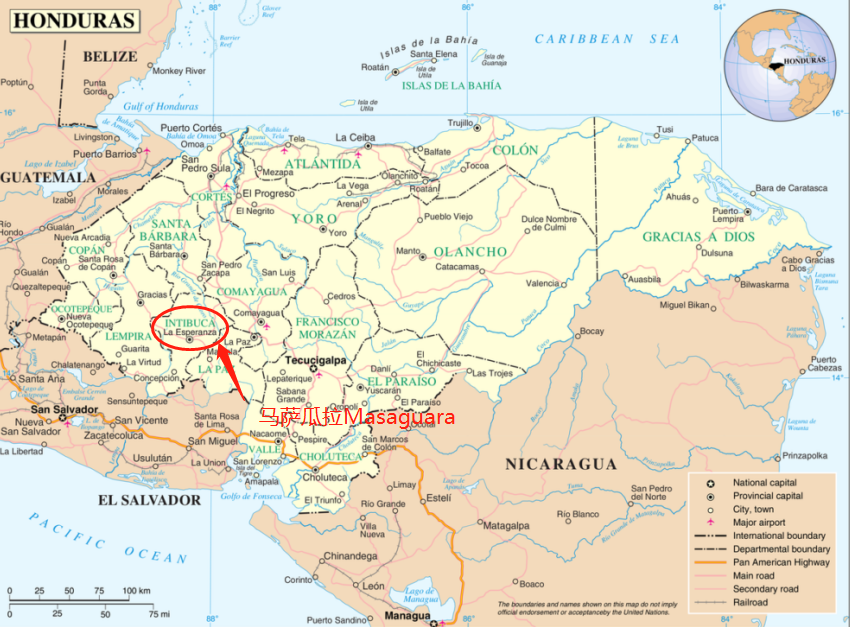
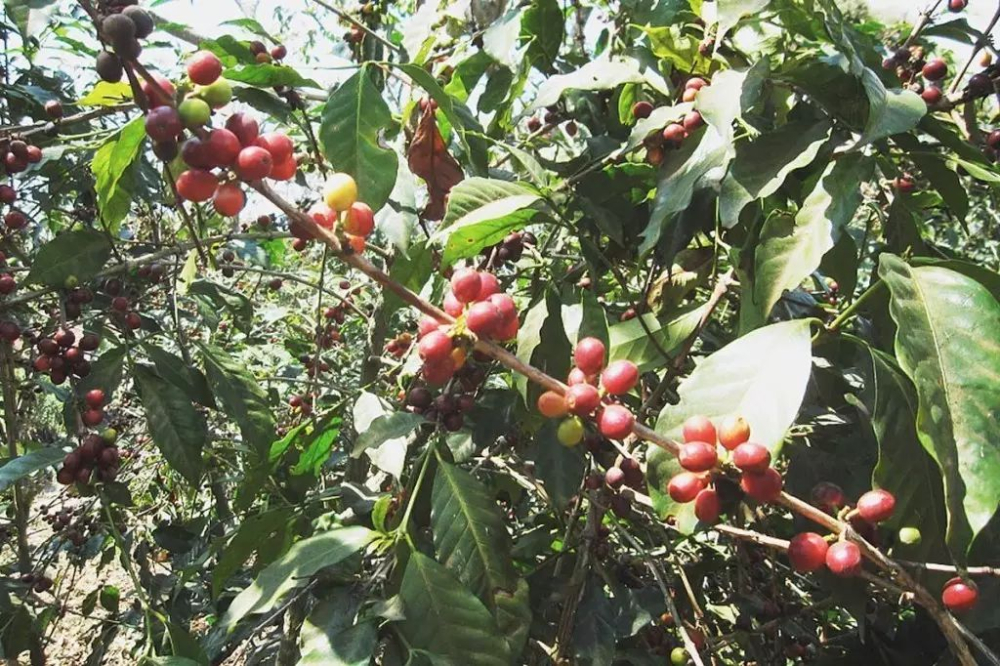
The Sherry and Laililan coffee beans introduced here are produced in Masaguara, Intibucá Department in southwestern Honduras. This area is surrounded by mountains and its economy is primarily based on coffee cultivation, with numerous small family farms scattered throughout—and Mocha Estate is one of them. Although Masaguara, where Mocha Estate is located, is not part of Honduras’ traditional six major coffee-growing regions, it produces premium specialty coffee thanks to its unique microclimate and refined processing techniques.
Honduras Mocha Estate Sherry
Region: Intibucá Department
City: Masaguara
Estate: Mocha Estate
Altitude: 1500–1700 meters
Variety: Caturra, Catuai, Pacas
Processing Method: Washed Process with Whiskey Sherry Barrel Fermentation
This Sherry coffee bean uses three varieties: Caturra, Catuai, and Pacas. Caturra is a natural mutation of Bourbon, with a shorter plant height that makes harvesting easier. It yields better and has stronger disease resistance than Bourbon, and its flavor often features bright fruit acidity and subtle sweetness. Catuai is a hybrid of Caturra and Mundo Novo, with strong resistance to wind and rain, and its fruits are firm and not prone to dropping. Pacas is also a Bourbon variety, with a small tree size and high yield, making it suitable for intercropping. The combination of these three varieties provides a rich flavor foundation for the Sherry bean.
The processing method of the Sherry coffee bean is Washed Process with Whiskey Sherry Barrel Fermentation. After harvest, the coffee cherries undergo a refined washed process to remove the pulp and impurities, then are placed in oak barrels that have previously aged sherry, where they ferment at a low temperature of around 15–20°C for 30 to 40 days, and are finally dried in the shade. Sherry barrels were originally oak barrels used in the whiskey industry to age sherry wine. Through the solera system, different vintages of wine are blended and aged together, giving sherry its unique flavor. The coffee beans ferment in such barrels and naturally absorb the aromas of sherry, resulting in captivating layers reminiscent of whiskey-infused chocolate and vanilla cream.
Roasting Recommendation
It is recommended to use a light roast to highlight the wine aroma and fermentation layers. Taking the Taiwan Yangjia Feima 800N roaster as an example, the dosage is 300 grams, with the specific roasting curve as follows:
Bean Drop Temperature: 190°C
Turning Point: 6'46", 151.8°C
First Crack: 9'07", 184.2°C
Development after First Crack: 2'10", dropped at 195°C
In cupping, the dry aroma of the Sherry bean shows distinct vanilla and wine notes, while the wet aroma presents berry, vanilla, and creamy tones. The flavor starts with vanilla and cream, accompanied by citrus and berry acidity, followed by almond and dark chocolate in the mid-palate, and ends with maple sweetness, leaving a lingering vanilla aftertaste. From hot to cool, the flavor layers remain stable without off-notes, delivering a balanced and delicate overall profile.
Pour Over Parameter Recommendations (Proven Effective)
Use a Hario V60 filter, water temperature 90°C, coffee dose 15 grams, brew ratio 1:15, grind size like fine sugar (80% through a Chinese standard 20-mesh sieve). Note: It is recommended to pre-sift the grind to ensure even coarseness; if no sieve is available, observe the flow rate—too fast means the grind is too coarse, too slow means too fine.
The pour over technique employs a pulse pouring method: start with a 30g bloom for 30 seconds, then pour in small circles to reach 125g and pause, then continue pouring to 225g as the water level drops just before exposing the coffee bed, and finally remove the V60 when the water level is nearly gone. The total brew time is about 2 minutes, fully showcasing the balance between wine aroma and fruit acidity.
Flavor Differences of Different Barrel-Aged Processes from the Same Estate
Laililan also comes from Mocha Estate but is fermented in brandy barrels. Its flavor profile includes lychee, brandy, dark chocolate, and creamy notes upon entry, with the wine character and dark chocolate becoming more pronounced as it cools. The mouthfeel is full-bodied, and the aftertaste is sweet. In comparison, the Sherry bean offers a more balanced flavor, with soft acidity and a wine character intertwined with dark cocoa, delivering a refined texture akin to whiskey-infused chocolate; whereas Laililan shines with its fruit and wine aromas, and its mid-to-late stages exhibit a more pronounced body.
Conclusion
Although both Sherry and Laililan come from Mocha Estate in Masaguara, Honduras, their flavor profiles differ significantly. Sherry mostly uses the Pacas variety and is fermented in whiskey Sherry barrels, resulting in a balanced flavor with a gentle wine character; Laililan, fermented in brandy barrels, has more exuberant fruit and wine aromas. Whether you prefer a refreshing wine aroma or a rich, full-bodied taste, these two beans can bring a new experience to your pour over sessions. Mastering the correct roasting and brewing parameters will allow the unique charm of barrel fermentation to shine through fully.
The above content is compiled by CoffeeHunters, a coffee news website.


