








Introduction:From Typica to Geisha, coffee varieties not only define the flavor profile of a cup but also influence cultivation difficulty and market positioning. This article delves into the three major original species systems—Arabica, Robusta, and Liberica—and focuses on the evolutionary lineage of classic cultivars such as Typica and Bourbon. It explores the origin stories, core characteristics, and global distribution of major coffee varieties, while also providing practical cultivation and tasting insights to help you understand coffee diversity from the variety level.
The unique flavor of each cup of coffee hides the secrets of its variety. Whether you’re a beginner pour over enthusiast or a connoisseur deeply immersed in specialty coffee, understanding coffee bean variety classification is a key to exploring the world of flavors. From the highlands of Africa to coffee plantations in Central and South America, different varieties have evolved distinct flavor profiles and cultivation traits to adapt to their environments.
Three Original Species Laying the Foundation of Coffee’s Genetic Lineage
Commercially cultivated coffee varieties worldwide can be categorized into three original species: Arabica (Coffea Arabica), Robusta (Coffea Robusta), and Liberica (Coffea Liberica). Among them, Arabica accounts for approximately 60%–70% of global production and is the mainstream in specialty coffee, known for its rich flavor layers, bright acidity, but relatively weak resistance to pests and diseases. Robusta makes up about 30%, originating from the Congo, with caffeine content double that of Arabica, strong disease resistance, and is commonly used in instant coffee or canned products, offering bolder but less nuanced flavors. Liberica, though classified as an original species, has limited adaptability and unremarkable flavor performance, and is only traded on a small scale in a few regions.

Varietal Spread and Global Cultivation Map
Coffee’s global journey began in the 17th century, when it spread from its African origin to Asia, Latin America, and the Pacific region via trade routes. The Netherlands and France played key roles in the 18th century by introducing coffee trees to Java and Martinique, which then spread to Central and South America. Today, major cultivation areas are concentrated in Asia and the Pacific (e.g., Indonesia, Vietnam), Latin America (e.g., Brazil, Colombia), and Africa (e.g., Ethiopia, Kenya), where geological and climatic differences foster unique varietal expressions.
Classic Evolution of the Arabica Family
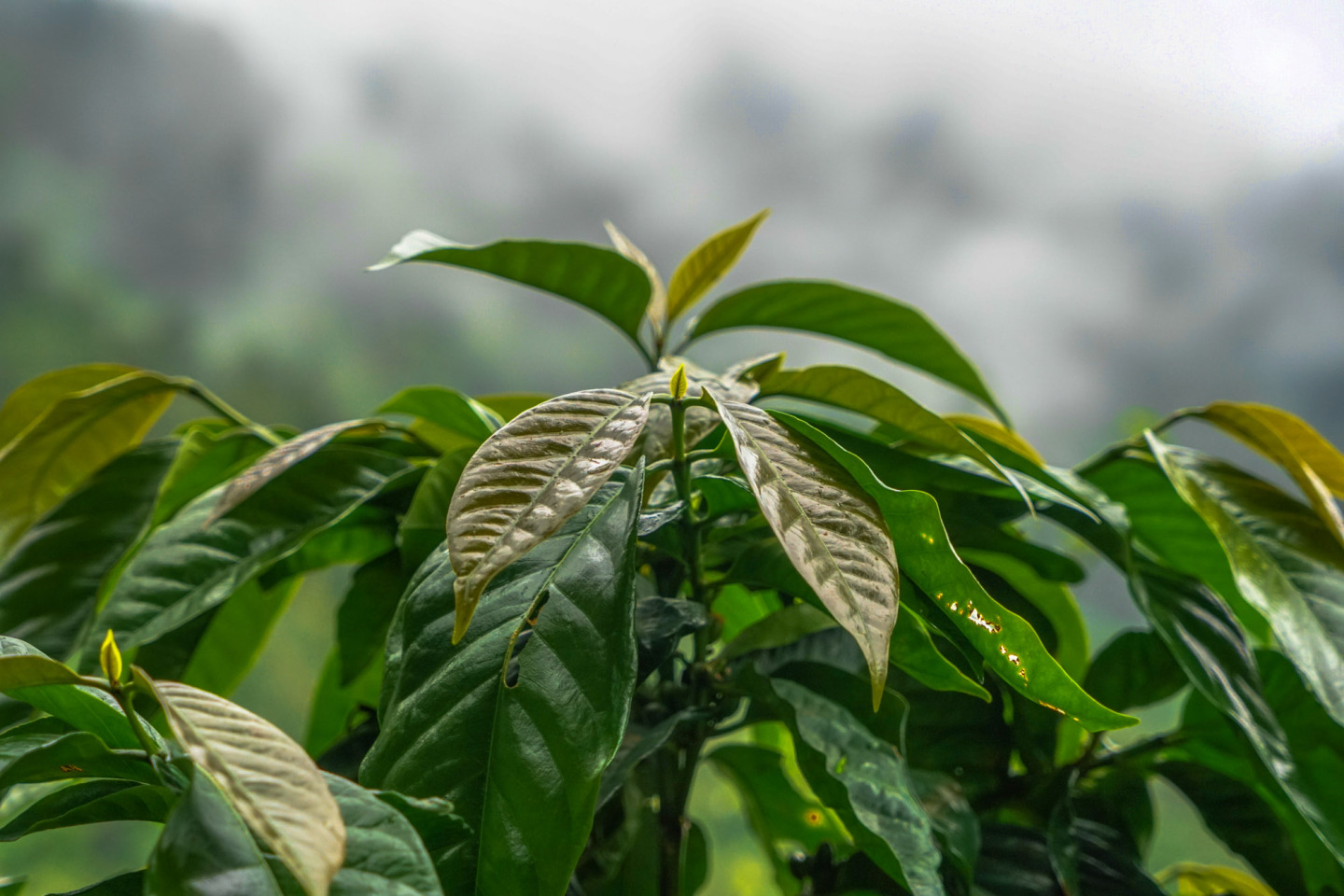
Within the Arabica family, Typica and Bourbon are the most representative and ancient cultivars. Typica originated in Ethiopia and is considered the closest to the original species. Its beans are long and oval-shaped, with bronze-tipped leaves, and its flavor is characterized by clean acidity and sweetness. However, it has low yield and is susceptible to leaf rust.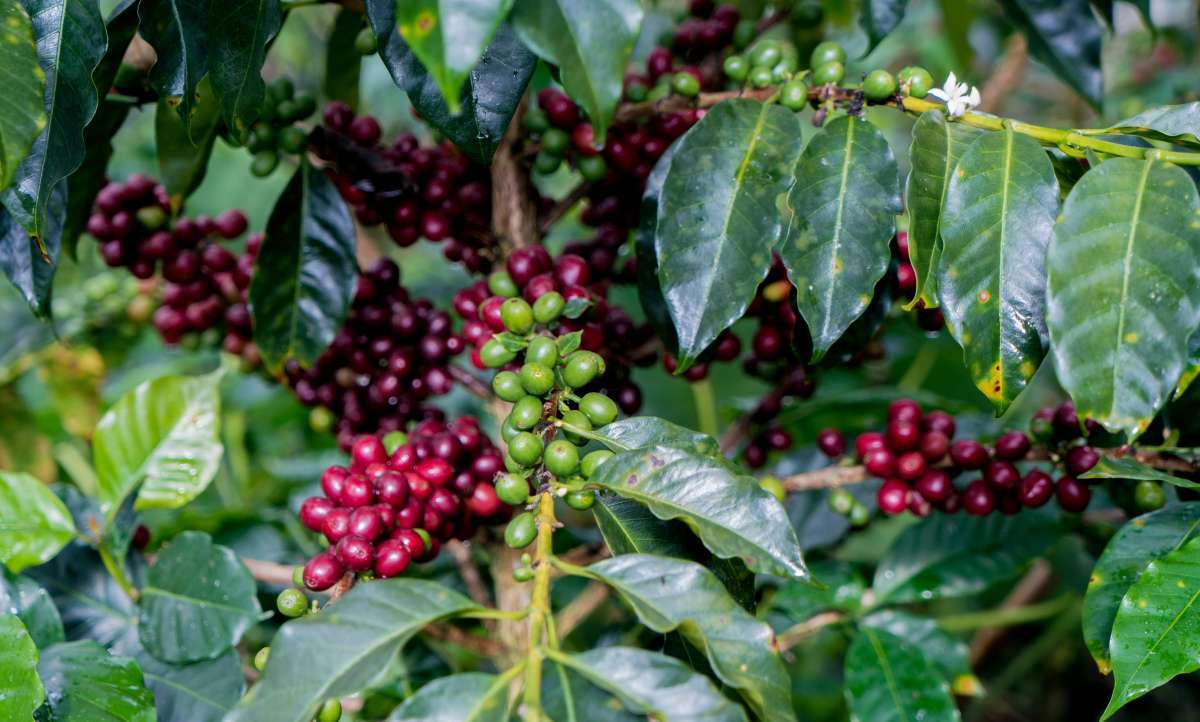
Bourbon, on the other hand, is a mutation of Typica, with bean shape changing from slender and pointed to rounder. It offers a more complex flavor profile, with caramel sweetness and balanced acidity. Its mutation varieties such asYellow Bourbon(fruit ripens yellow, excelling in high-altitude regions),Pink Bourbon(rare pink fruit with blueberry and cherry notes), andLaurina(with only half the caffeine of regular Arabica, once nearly extinct) all exhibit distinctive personalities.
Practical Evolution of Contemporary Cultivars
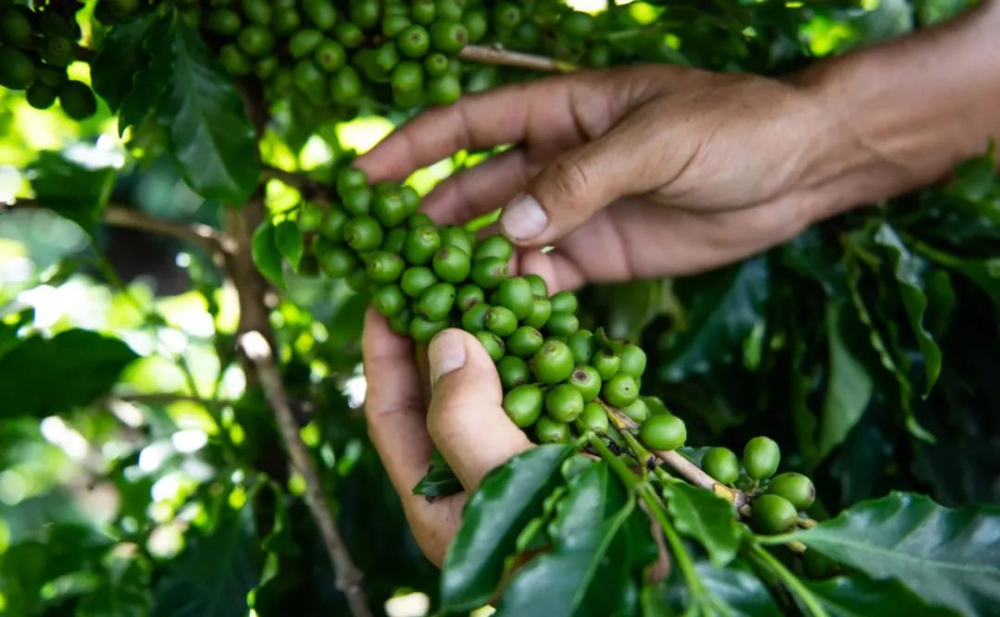
To enhance yield and disease resistance, coffee farmers and research institutions have developed various cultivars suited to different environments through natural mutations and selective breeding.Caturra(a single-gene mutation of Bourbon) features shorter plants for easier harvesting, suitable for high-density planting, though it may experience biennial yield variation.PacasandVilla Sarchiare mutations of Bourbon originating from El Salvador and Costa Rica, respectively. The former offers higher yield, while the latter requires shaded environments to express high-altitude flavors.Mundo NovoandCatuaiare hybrids of Bourbon and other cultivars, combining stable yield with flavor potential.
Legendary Flavors of Special Varieties
Geisha can be considered the star variety of modern specialty coffee. Originally from Ethiopia’s Gesha Mountain, it was introduced to Panama in 1963 but overlooked due to low productivity until 2004, when it gained international recognition in cupping competitions for its complex flavors of citrus, floral notes, and caramel.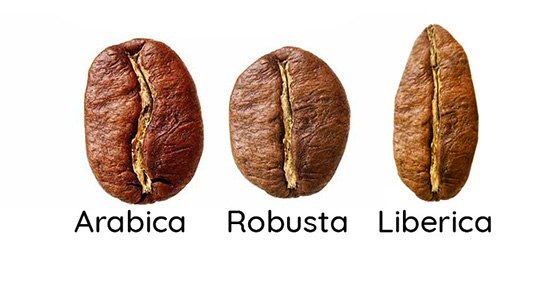
Though Robusta is often seen as representative of commercial beans, itsMaragogypevariety andleaf rust-resistant strainsstill provide stable supply for specific markets. Liberica, with its extremely strong adaptability, plays an important role in improved variety research, despite its minimal presence in consumer markets.
Practical Link Between Variety and Flavor
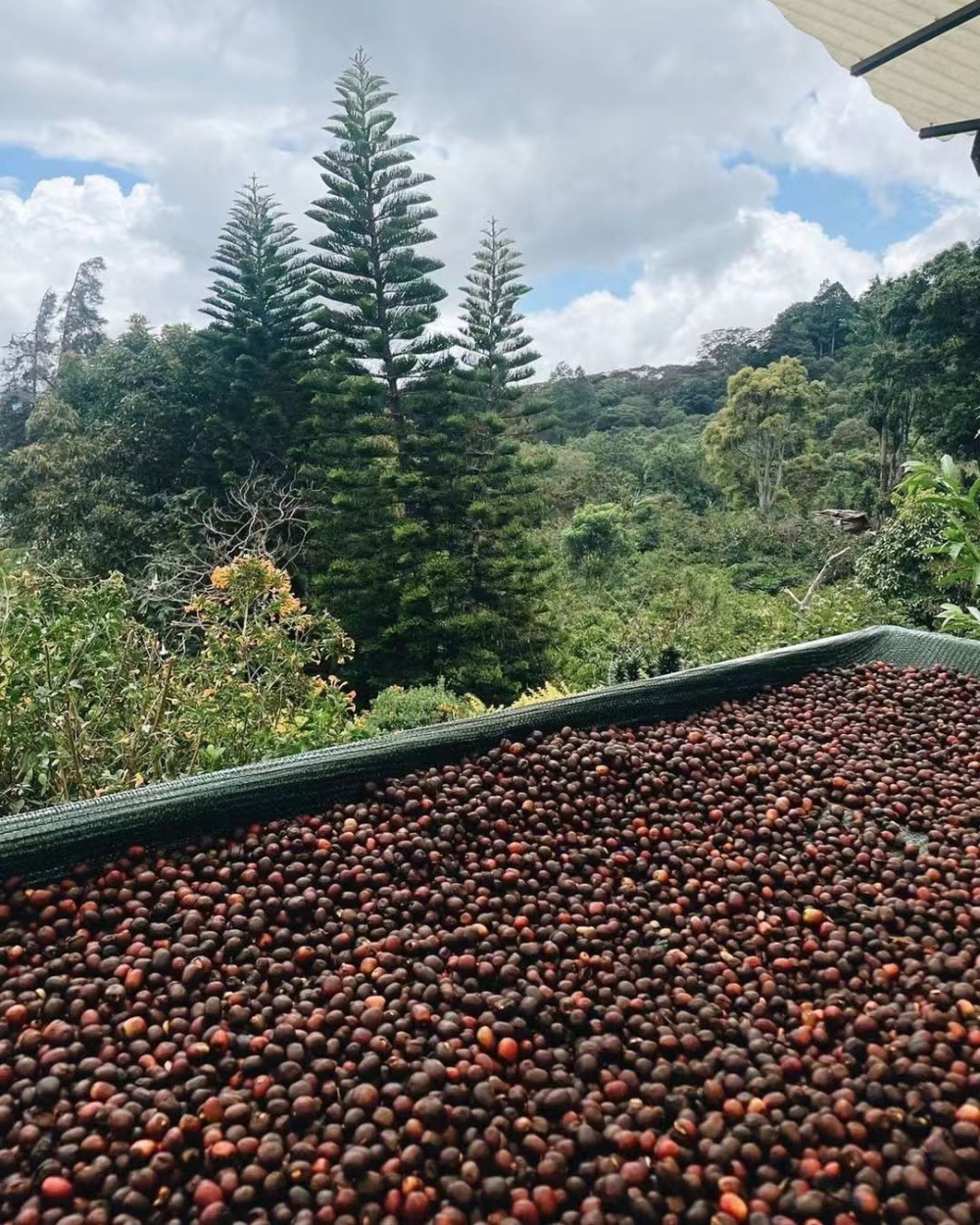
Understanding variety characteristics helps consumers choose coffee based on personal preferences. Those who prefer clean acidity and complex floral notes might prioritize Typica-derived varieties or Geisha, while those favoring pronounced sweetness and a full body might find Yellow Bourbon or Catuai more to their taste. Additionally, factors such as cultivation altitude, processing methods (e.g., washed, natural, or anaerobic fermentation), and roast levels greatly influence final flavor, so it's advisable to consider regional information holistically.
From the highlands of Africa to the countertops of coffee shops around the world, each variety carries a unique geographical and cultural memory. Exploring the diversity of coffee varieties is not just a journey of taste but also a key to understanding the complex ecosystem behind this black liquid.
The above content is compiled by CoffeeHunters, a coffee news website.


