







Introduction:Although the moka pot may not receive as much attention as pour over or espresso machines, it is a high-cost-performance option for making high-pressure espresso at home. This article delves into the operating principles of the moka pot, explores why it was once overlooked and the background behind its recent resurgence in popularity, and provides detailed guidance on the correct operation procedures, suitable coffee beans and grind sizes, as well as how to avoid over-extraction and safety hazards — allowing you to easily brew richly flavored coffee with a moka pot.
In today’s era where pour over, siphon, and high-end espresso machines dominate, the moka pot is often misunderstood as an outdated and hard-to-control tool. However, as more home users acquire espresso equipment, the moka pot has regained attention thanks to its simple structure and pressure extraction characteristics. This article not only introduces the basic construction and extraction principles of the moka pot but also explores in depth why it was once shunned and why it is now returning to the home coffee scene. Additionally, it offers bean selection advice, grind size adjustments, milk coffee preparation steps, as well as practical reminders about water levels, flow rate observation, and usage safety. Whether you’re a beginner or already experienced, you’ll find useful operational guidance here.
In the current market, pour over, siphon, and expensive espresso machines often become synonymous with specialty coffee. By contrast, the moka pot is easily categorized as outdated or an unstable brewing tool. Many coffee enthusiasts prefer brewing single-origin coffee at home or visiting cafés to enjoy espresso-based drinks like cappuccinos with fresh milk. However, as home espresso machines become increasingly common, many users have begun to rediscover the charm of the moka pot — after all, it can also extract rich coffee liquid through pressure.
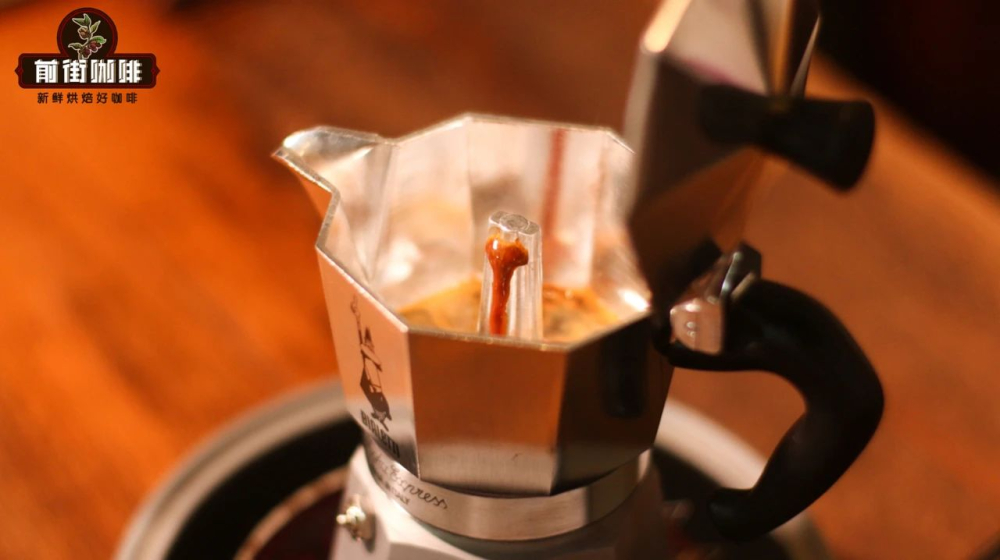
The structure of the moka pot can be divided into three main parts: the lower chamber holds the water, the middle funnel contains the coffee grounds, and the upper chamber collects the brewed coffee. When the lower chamber is heated, the water inside boils and generates steam pressure, which forces the water to rise along the central metal tube, pass through the layer of coffee grounds in the funnel, and eventually gather in the upper chamber as espresso. This pressure-based extraction method is the key reason why the moka pot can produce coffee with flavors similar to espresso.
It’s worth noting that coffee directly brewed with a moka pot usually has a relatively high concentration and may taste overly sharp when consumed alone, with its aroma not fully showcased. To achieve a smoother drink that highlights the bean’s inherent flavors, it is recommended to mix the extracted coffee with water or fresh milk in a certain ratio to make a “moka pot americano” or “moka pot latte.” This not only results in a gentler taste but also enriches the layers of flavor in the coffee.
The reasons why the moka pot did not gain widespread popularity in the past are not complicated. As a home brewing tool, its level of professionalism naturally cannot compare to commercial-grade espresso machines. Moreover, since coffee was not a traditional beverage in Chinese dietary culture, early coffee drinkers were mostly from more economically privileged groups who tended to learn professional and high-end brewing methods. As a result, simpler tools like the moka pot were less likely to be their first choice. However, as the coffee-consuming demographic expands, more users are seeking easy-to-operate home tools that can still produce pressure-extracted coffee. The moka pot, with its affordable price and intuitive operation, has become a practical choice for many households. Even though its coffee may have slightly less crema and intensity compared to professional machines, achieving about 60–70% of the performance of a several-thousand-yuan espresso machine at just a few hundred yuan makes it a highly cost-effective solution. Additionally, coffee made with a moka pot is also suitable for adding fresh milk and creating latte art to meet everyday family needs.
If you hope to brew coffee with rich crema using a moka pot, it is recommended to choose medium to dark roasted coffee beans, such as classic blends. Due to the longer roasting time of these beans, to avoid over-extraction and the release of excessive bitter substances, it is advisable to adjust the grind size to slightly coarser — roughly similar to fine salt. If you prefer coffee with more pronounced fruity notes, you can opt for a strawberry sugar-flavored blend and adjust the grind to a finer consistency, close to that of fine salt, which helps bring out the aroma characteristics of rose flowers and tropical fruits.
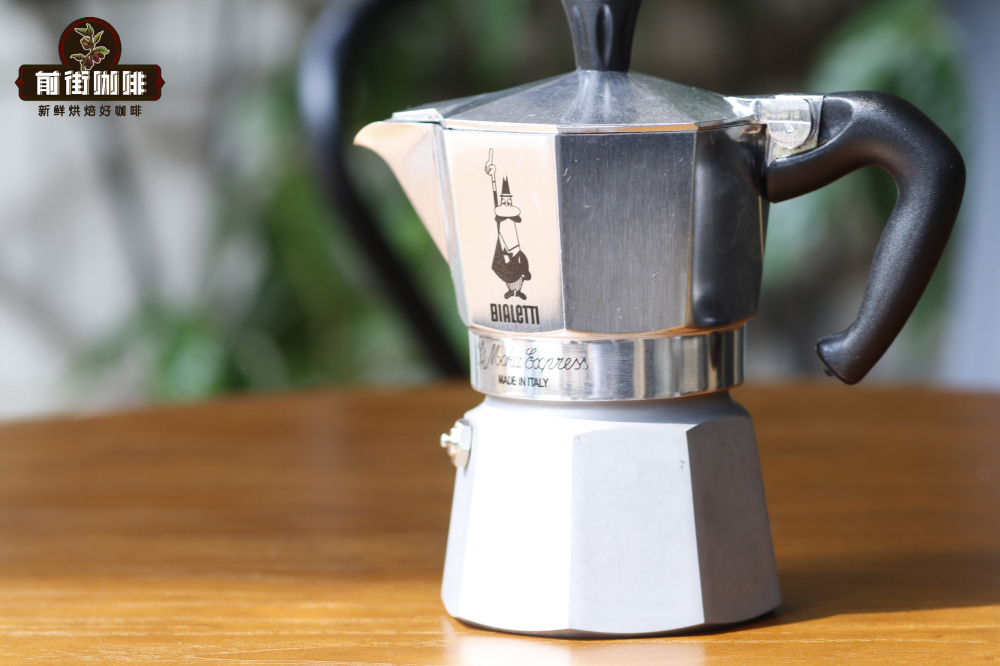
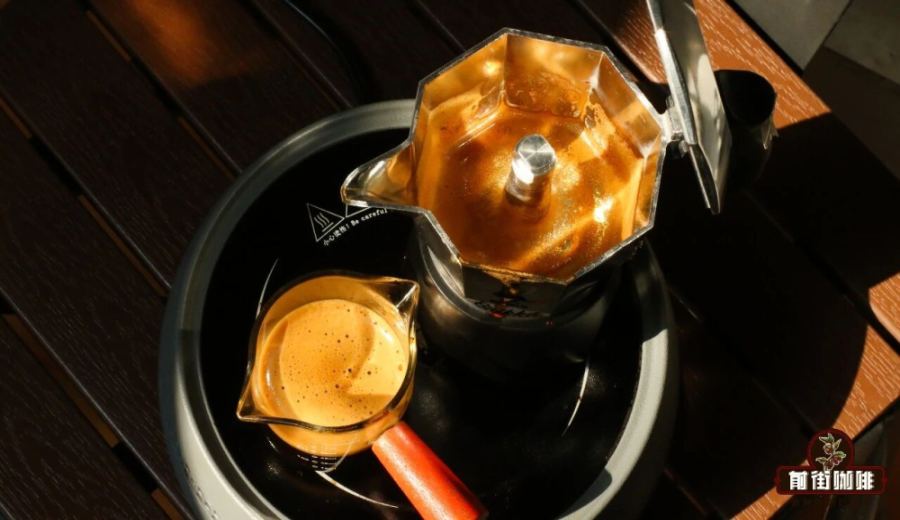
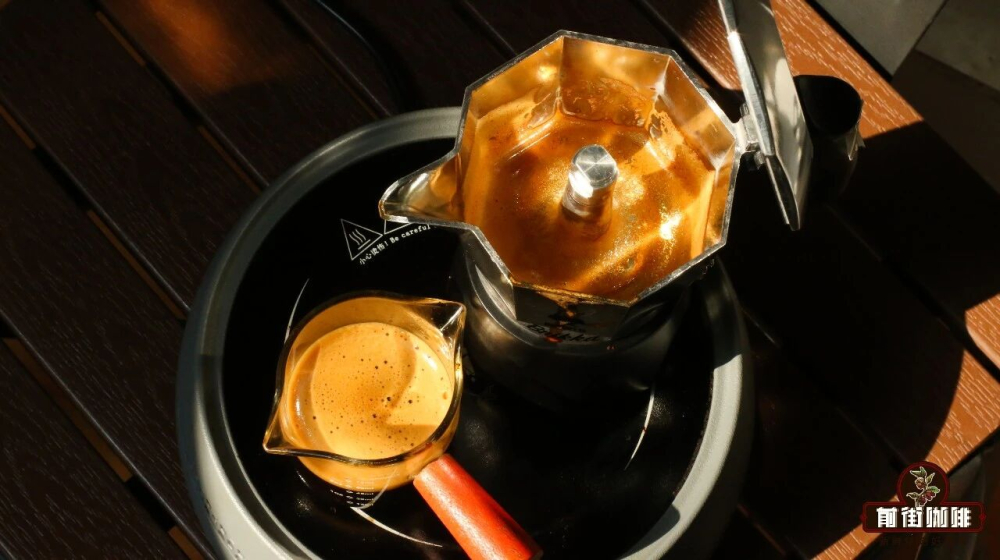
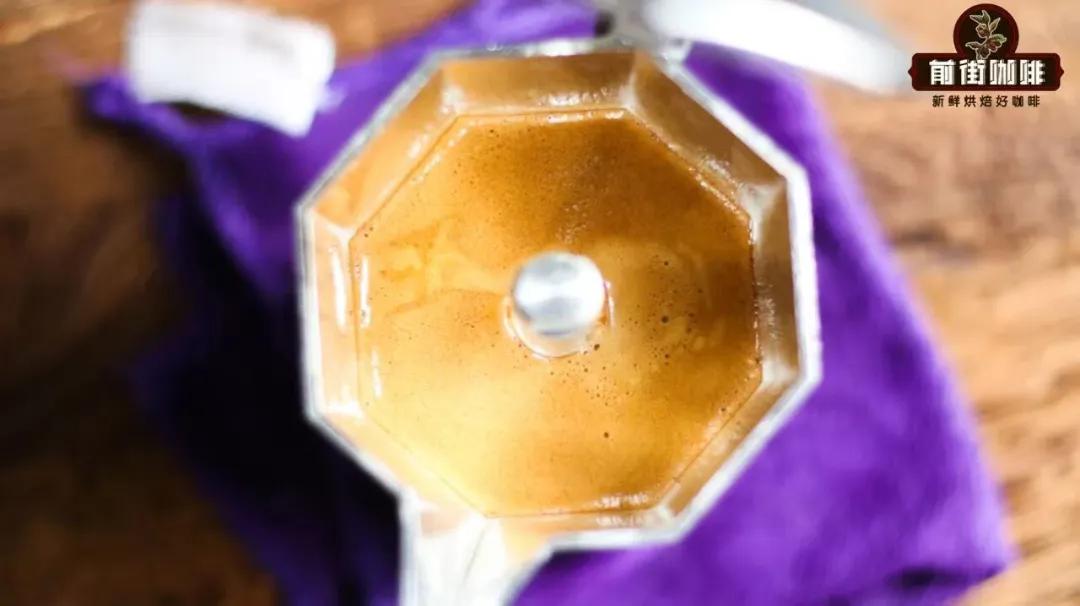
The process of making milk coffee with a moka pot is relatively simple. First, pour cold water into the lower chamber (avoid using hot water to prevent scalding). Then, place the filter basket into the lower chamber, gently hold the edge of the basket with your hand, and fill it with coffee grounds. Fill it until the center slightly rises into a small mound, while ensuring the surrounding coffee layers fill the gaps in the basket. Next, attach the upper chamber and tighten it securely. Place the assembled moka pot on an electric stove or gas stove to heat. When you hear a distinct “wuu wuu” sound, it indicates that the coffee liquid has started to rise under pressure, and you should immediately turn off the heat and wait for the coffee to completely flow into the upper chamber. It’s important to note that freshly brewed coffee usually has a layer of golden coffee crema on the surface, but this crema dissipates quickly — it is recommended to mix it with milk as soon as possible. You can use a French press to froth about 200ml of warm fresh milk into milk foam, then blend it evenly with the coffee to create a flavorful moka pot latte. Since latte art requires higher stability of the milk foam, coffee with crema provides a more stable liquid surface, helping to draw complex patterns. In contrast, coffee without crema is more difficult to achieve fine latte art effects.
Although the moka pot is intuitive to use, there are still several safety and technical details to pay attention to during operation. The lower chamber usually has a marked pressure relief valve; when adding water, be sure not to exceed this valve, as doing so will impair the pressure relief function and increase the risk of explosion. In addition, observing the flow rate of the coffee liquid is also an important indicator for assessing the extraction status: if the liquid sprays out, it usually means the water temperature is too high; if the flow rate is too slow, the water temperature may be insufficient — in this case, you can moderately increase the heat and continue to observe changes in the flame. Also, the coffee grounds used in the moka pot can only be extracted once each time, and the actual amount of coffee liquid extracted relies on experience to judge. It’s advised to stay focused and operate carefully to avoid over-extraction, which can lead to excessively bitter coffee.
If you want to brew coffee liquid with a rich crema layer, it is recommended to use freshly roasted medium to dark roasted coffee beans. The higher the roast level, the more significant the caramelization reactions inside the beans, which can generate a large amount of gases. These gases are released during the pressure extraction process and help form thick crema. However, over time, the internal gases in the beans will gradually dissipate, and the crema performance will weaken accordingly. Therefore, it is recommended to choose freshly roasted coffee beans within five days of roasting to achieve the best flavor expression.
The above content is compiled by CoffeeHunters, a coffee news website.


