







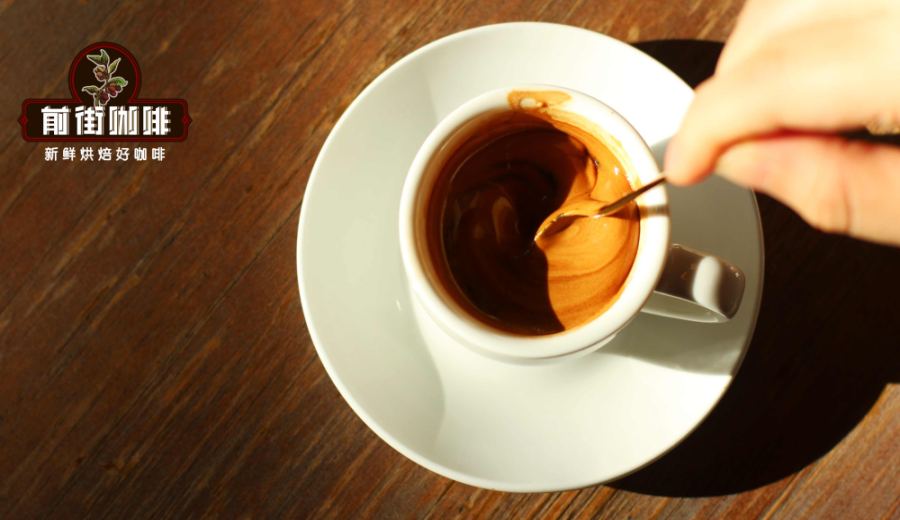
Introduction:The golden crema on the surface of espresso is often mistaken as a symbol of quality. In reality, its formation is closely related to extraction pressure, carbon dioxide, and the emulsification of oils. This article delves into the science behind crema, teaching you how to judge its quality based on color, texture, and stability, while also offering practical advice on bean selection and brewing techniques to help you better understand the mysteries of this fascinating "coffee coating."
Those new to espresso are often first captivated by the golden foam on the surface of the cup, even considering it the soul of the entire coffee. This Italian term "crema" is not produced by all brewing methods and is almost exclusive to espresso machines. Its creation hinges on the physical and chemical changes that occur under high-pressure extraction.
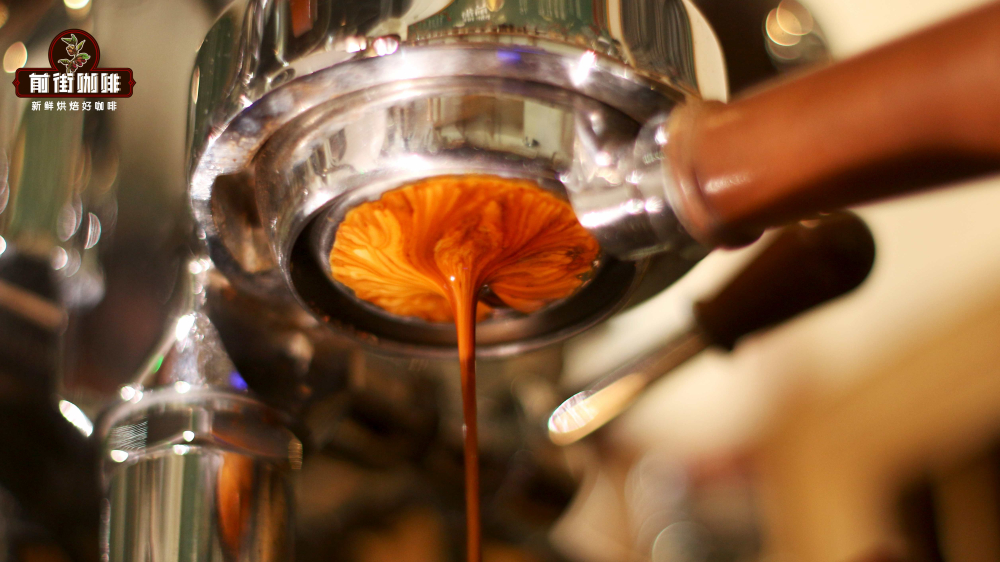
When an espresso machine forces hot water through a compacted puck of coffee grounds at around 9 bars of pressure, the carbon dioxide naturally present within the coffee cells cannot escape immediately due to the high-pressure environment. Instead, it dissolves into the extracted liquid, reaching a state of supersaturation. At the same time, the extraction process also emulsifies some of the oils from the coffee beans. These emulsified fats encapsulate tiny carbon dioxide bubbles. Since the overall density is lower than that of pure water, these bubbles gradually rise and accumulate at the surface, eventually forming the fine, golden layer we recognize as crema.
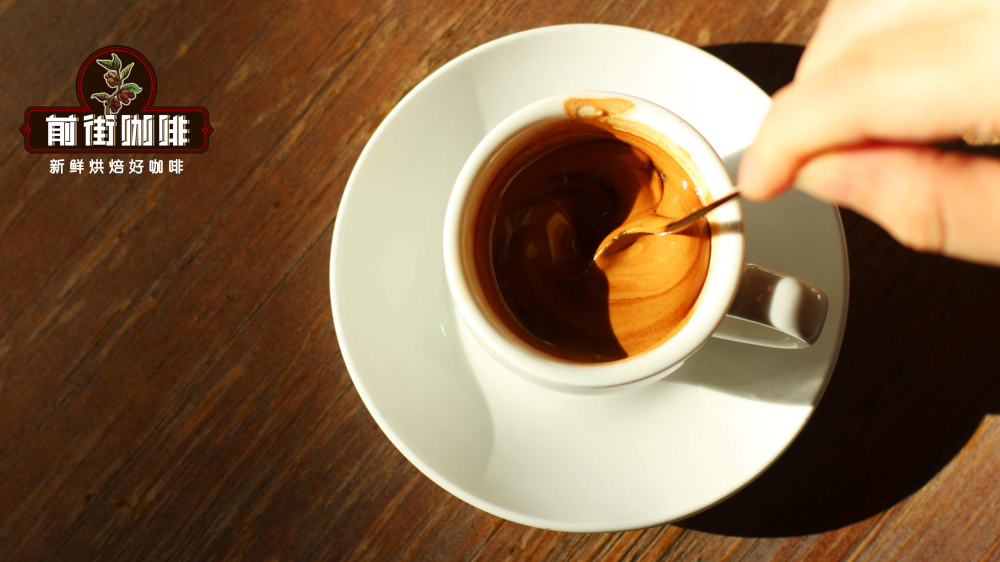
In simple terms, crema is essentially a microstructure made up of insoluble coffee fats enveloping carbon dioxide bubbles. So, does more or thicker crema equate to higher coffee quality? The answer is not so straightforward.
Generally speaking, high-quality crema should exhibit a uniform golden color, a smooth and delicate surface with a buttery-like texture, and good adhesion — it shouldn’t disperse immediately when the cup is shaken. Such crema not only enhances the visual appeal of espresso but also influences aroma release and flavor complexity during tasting. It can even aid in milk integration and latte art stability when making drinks like lattes or cappuccinos. This is why many coffee enthusiasts strive for an espresso with an ideal crema layer.
From a practical standpoint, selecting the right beans is the key to extracting rich and high-quality crema. It’s recommended to prioritize beans with high oil content and ample carbon dioxide reserves — such as medium to dark roasted beans that are still within their optimal freshness window (approximately 45 to 60 days), or blends that include a moderate proportion of Robusta beans. Taking common commercial espresso blends as an example, some blends with a small amount of Robusta often produce more pronounced and stable crema.
If you’re a beginner just starting to brew espresso at home, it’s advisable to choose a medium-to-dark roasted blend with a compact bean structure. Such beans typically provide sufficient oils and gases to support the extraction process, helping newcomers more easily grasp the essentials of brewing and observe clear crema formation.
For those planning to run a coffee shop or aiming to replicate the flavors of professional café offerings, it’s recommended to opt for classic Italian-style blends. These blends usually excel in aroma complexity and taste balance, while consistently producing crema with good adhesion — which enhances both latte art presentation and the overall drink appeal.
It’s worth noting that even with the right beans, the various parameters during the extraction process are equally critical. Stable high water pressure, appropriate grind size, even tamp, and suitable extraction time and temperature are all key factors influencing the final quality of the crema. Only when all these elements meet basic standards can you effectively increase the likelihood of achieving a fine, dense, and long-lasting crema layer.
In summary, although crema is often regarded as an "indicator of espresso quality," its true value lies not just in appearance but also in its interaction with the overall aroma and taste of the coffee. By understanding its formation principles and gaining hands-on experience through observation, you’ll be able to more rationally assess the potential of an espresso and further enhance your coffee tasting and brewing skills.
The above content is compiled by CoffeeHunters, a coffee news website.


