








Introduction:Want to understand why Arabica coffee dominates the global market and why its growing conditions are so demanding? This article delves into the cultivation requirements of two classic coffee varieties—Arabica and Typica—breaking down key factors such as optimal altitude, climate conditions, rainfall, and ideal soil pH. By examining these essential elements, you'll gain insight into the fundamentals of growing specialty coffee and understand why the environment plays a decisive role in shaping coffee flavor.
Coffee belongs to the evergreen shrub genus Coffea in the Rubiaceae family, with the two most economically valuable varieties being Arabica (Coffea arabica) and Robusta (Coffea canephora). Arabica accounts for about 70% of the global coffee market and is widely favored by consumers for its quality and flavor. In China, Yunnan and Taiwan primarily grow Arabica, while Hainan mainly cultivates Robusta. But do you know why Arabica demands such high growing standards? Factors such as latitude, altitude, temperature, rainfall, and soil pH all directly influence the final flavor of the coffee.
Growing Arabica coffee is extremely particular, especially when it comes to sensitivity to altitude and climate. Regions suitable for Arabica typically lie between the Tropic of Cancer and the Tropic of Capricorn, also known as the "Coffee Belt," with an ideal altitude range of 900 to 1800 meters and an average temperature of 18°C to 26°C. If the altitude is too low and temperatures are high, it can scorch the coffee leaves and affect quality; if the altitude is too high, low temperatures may cause frost, harming the plant’s health.

Rainfall is also a critical factor in coffee growth. The ideal annual rainfall should be between 1500 and 2500 millimeters, distributed evenly. An overly long dry season can inhibit flowering and fruiting, while excessive rain can lead to overgrowth of branches, which is not conducive to coffee fruit formation. For example, in some areas of Yunnan, such as the Lujang Farm, although the annual rainfall is only about 700 millimeters, proper irrigation management allows for a certain level of coffee production to be maintained.
Soil conditions are equally crucial. Coffee tree roots require well-drained soil that can also retain appropriate moisture, with a soil pH in the slightly acidic range of 5.5 to 6.5 being ideal. Soil that is too acidic or too alkaline can affect nutrient absorption, thereby altering the flavor profile of the coffee. According to research, the comprehensive fertility index (IFI) values of soils in many parts of Yunnan range between 0.43 and 0.85, meeting the needs of Arabica growth, making them ideal planting regions.
Speaking of specific varieties, Typica is one of the oldest in the Arabica family and is considered a classic by many coffee enthusiasts. It originated in the Ethiopian highlands and serves as the foundation of modern Arabica cultivars. Typica typically grows at altitudes above 1300 meters and features a clean, layered flavor profile. However, its yield is relatively low—only about one-third that of hybrid varieties like Catimor—and it is highly susceptible to coffee leaf rust, which deters many farmers from cultivating it.
In fact, the choice of variety has a decisive impact on the final performance of the coffee. Many people discussing specialty coffee focus too much on altitude and post-harvest processing, while overlooking the genetic advantages and adaptability of the variety itself. For instance, Catimor, though it has Robusta genes and stronger disease resistance, often lacks the flavor complexity of pure Arabica. In contrast, although Typica has lower yields and higher risks, its purity of flavor and regional characteristics better align with the definition of specialty coffee.
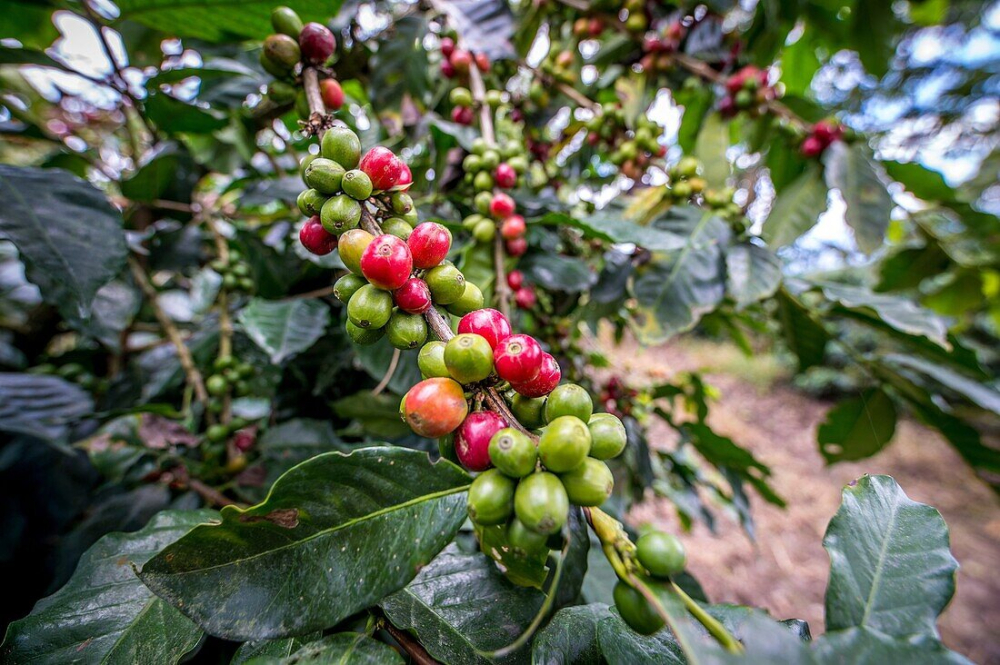
In summary, growing Arabica and Typica coffee not only requires selecting the right geographical location but also precisely controlling environmental factors such as altitude, temperature, rainfall, and soil. Only when these factors work in harmony can coffee beans with outstanding flavor and stable quality be produced. If you're aiming to delve into specialty coffee cultivation, it's advisable to start by understanding these basic conditions and gradually explore the most suitable varieties and cultivation models for your region.
The above content is compiled by CoffeeHunters, a coffee news website.


