








Introduction:To make an evenly extracted espresso shot, every detail from distributing the coffee grounds to tamping is crucial. Many coffee enthusiasts often encounter issues where the coffee puck appears level, but channeling occurs frequently during extraction, causing coffee spray. This article will delve into how to properly distribute and tamp coffee grounds, including methods for receiving the grounds, techniques for leveling with your fingers, precautions when tapping the portafilter, and more. It will help you master key methods to reduce channeling and steadily improve the flavor performance of your espresso.
In the process of making espresso, coffee distribution may seem simple, but it is one of the key steps that affects the uniformity of coffee extraction. Even if the coffee puck looks smooth on the surface, uneven distribution of coffee grounds inside can easily lead to channeling, resulting in uneven extraction or even coffee spraying everywhere. The real issue often lies in how the coffee grounds are distributed within the portafilter basket, not just in the surface flatness.
Many coffee lovers have faced this frustration: the coffee puck looks evenly pressed and level on the surface, yet channeling frequently occurs during extraction, with espresso spraying in all directions. In fact, this is usually because the coffee grounds inside the basket are not evenly distributed—some areas are denser while others are looser. When hot water passes through, it naturally flows more easily through the less resistant, looser areas, forming visible extraction channels.

The causes of such uneven distribution can generally be divided into two categories: excessive clumping of coffee grounds and improper distribution techniques. Among these, the method of distribution has a particularly common impact. For instance, many people have the habit of directly receiving the coffee grounds into the portafilter with their hands, which can cause the grounds to initially concentrate in one area. Even subsequent attempts to level the grounds by finger adjustment or shaking the basket often fail to ensure overall uniformity.
There are two common methods for receiving coffee grounds: using a distribution tool or directly receiving the grounds into the portafilter. Using a distribution tool helps the coffee grounds fall more evenly into the basket, but adds an extra step and slightly extends the brewing process. On the other hand, directly receiving the grounds into the portafilter is quicker, but often causes the coffee to pile up in the center of the basket, forming a small mound that then needs to be leveled by finger adjustment or shaking.
However, be cautious—if you use improper technique when leveling, such as always pushing from the center outward, it can easily result in a thicker layer of coffee in the middle and thinner edges, thereby increasing the risk of channeling. Next, we’ll introduce several practical coffee distribution and tamping techniques to help you effectively address these issues.
First, finger leveling is a traditional and straightforward method of distributing coffee grounds. After pouring the coffee into the basket, it’s recommended to use your index finger or the base of your palm (the area between the thumb and index finger) to gently push any excess grounds that rise above the rim of the basket inward, allowing the coffee layer to naturally fill in gaps and achieve preliminary even distribution.
During this process, special attention should be paid to the following:Fingers should only push the coffee forward, never press down forcefully.. Applying downward pressure while leveling can prematurely compact the coffee in that area, making it difficult to redistribute the grounds evenly to other parts later, whether by shaking or light tapping. Additionally, keeping your hands clean before and after the process is a detail that should not be overlooked.
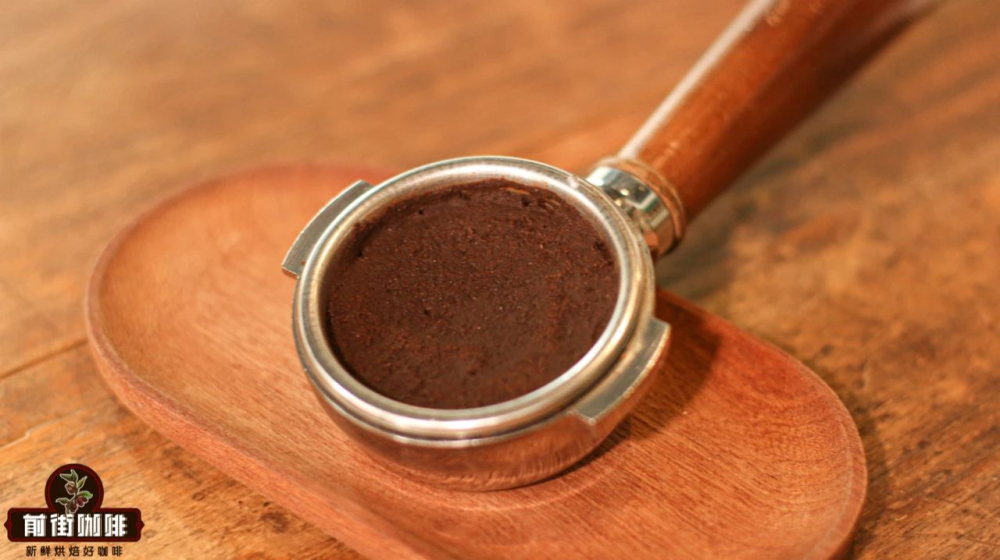
After initial leveling, it’s usually necessary to further redistribute the coffee grounds more evenly within the basket by lightly shaking or tapping the portafilter. However, this step is also where many people tend to make mistakes.
Some baristas or enthusiasts, in pursuit of a perfectly flat surface, tightly grip the portafilter and tap it forcefully, thinking this will make the puck more even. But in reality, this often causes the coffee grounds to shift toward the direction of the impact due to the force, and while the puck’s surface may look level, the internal distribution becomes even more uneven, actually increasing the likelihood of channeling.
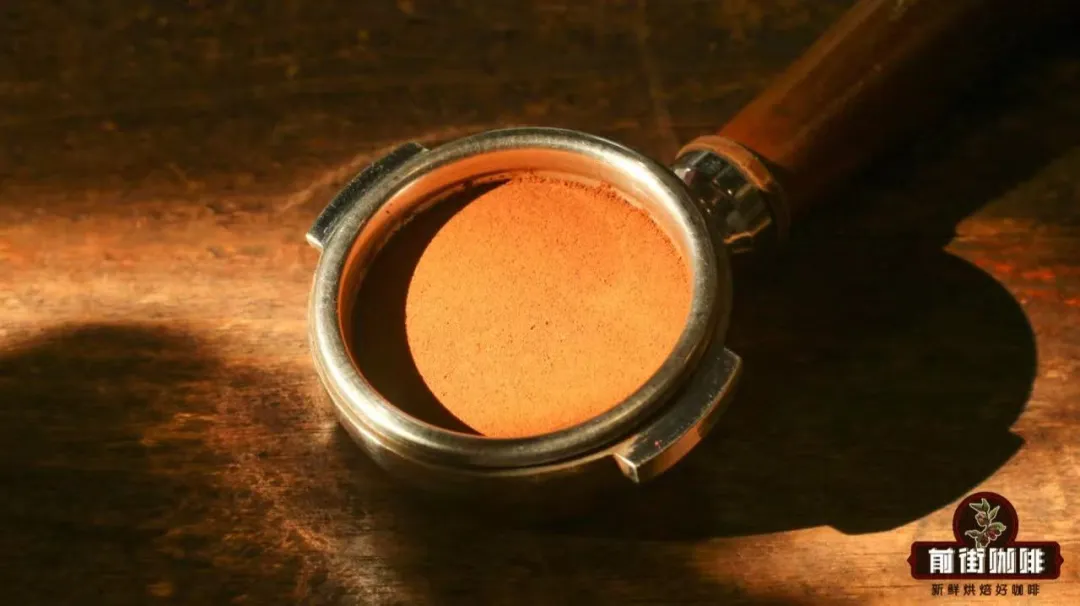
Therefore, it’s recommended to control the force when tapping the portafilter—avoid using too much strength. Gently shake the portafilter or give it a slight tap, allowing the coffee grounds to naturally settle and fill gaps, achieving a truly even distribution. Only with a properly handled puck can hot water pass through uniformly during extraction, improving overall consistency and stability in extraction.

In summary, to avoid channeling in espresso, the key is not only whether the coffee puck surface is flat, but more importantly, whether the coffee grounds inside the basket are evenly distributed. From choosing how to receive the grounds, to the technique of finger leveling, to controlling the force when tapping the portafilter—every detail affects the final extraction outcome. Mastering these practical distribution and tamping techniques can help you reduce errors in daily brewing and consistently produce high-quality espresso with balanced flavor and consistent texture.
The above content is compiled by CoffeeHunters, a coffee news website.


