







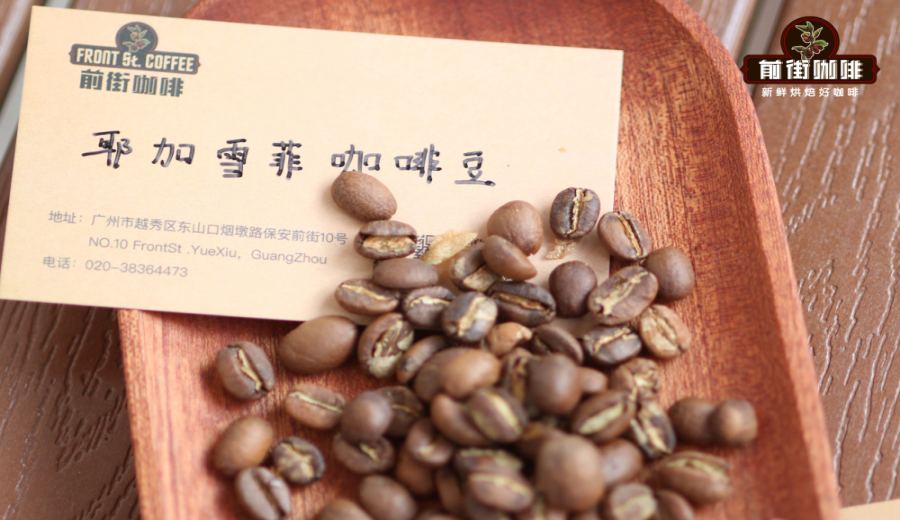
Introduction:Yirgacheffe, as Ethiopia’s most iconic specialty coffee region, is renowned for its distinctive floral and citrus notes. This article delves into the area’s well-known smallholder cooperative model, focusing on how the Adado washing station highlights tropical fruit and berry flavors through its sun-dried processing method. It also provides practical pour over recommendations, including key parameters such as the V60 filter, optimal water temperature, and coffee-to-water ratio, to help you fully appreciate the charm of this classic sun-dried Yirgacheffe.
Located in the high-altitude southern region of Ethiopia, Yirgacheffe is one of the country’s most prestigious specialty coffee regions. The coffee trees here are generally planted at elevations between 1900 and 2100 meters. The region’s unique geographical environment, combined with the abundant moisture brought by nearby lakes such as Lake Turkana, Lake Abaya, and Lake Chamo, gives the coffee its characteristic bright acidity and refreshing floral aromas. Compared to the more expensive Geisha variety, Yirgacheffe offers excellent value for money, making it a popular daily brew choice for many coffee enthusiasts.
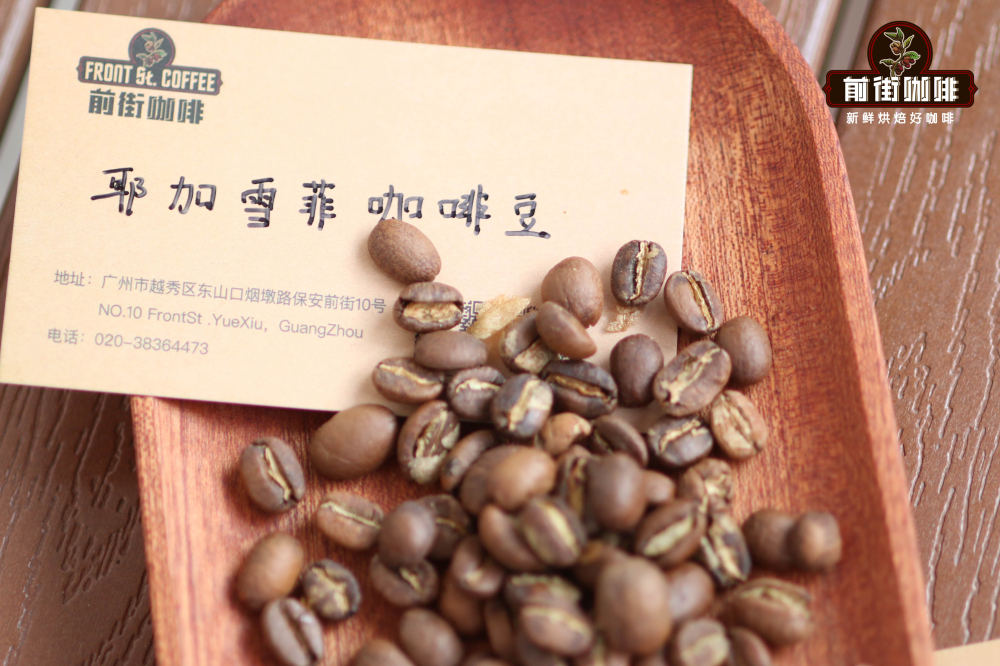
Coffee production in Ethiopia is mostly carried out by small-scale farmers, with each household cultivating an average of only about one hectare, resulting in limited yields. As a result, these coffees are usually processed collectively by local cooperatives. The cooperative model not only helps improve the overall quality of the coffee but also ensures more stable income for the farmers. In the market, Yirgacheffe coffee beans are often named after the cooperatives, such as Gotiti, Worka, Konga, and the star of this article—Adado.
The Adado Cooperative is located in the Gedeo zone of Ethiopia, administratively part of the Sidamo region, which also includes Yirgacheffe and Kochere. The cooperative is made up of approximately 7,000 coffee farmers and was established in 2012. Covering an area of over 200 acres, it is one of the largest processing facilities in the area, just about a 30-minute drive from the center of Yirgacheffe town. In addition to traditional washed processing, Adado specializes in sun-dried processing and is equipped with comprehensive shading structures and drying beds to ensure the stability of coffee bean quality during the drying process.
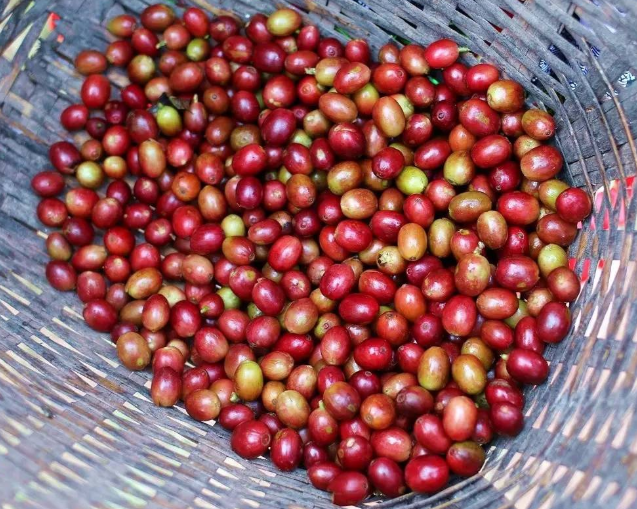
Sun-dried processing is a common traditional method in Ethiopia, particularly suited to the region’s high altitude and strong sunlight conditions. This method involves spreading whole coffee cherries—without removing the skin or pulp—directly onto drying beds after harvest for natural sun drying. During the prolonged sun exposure, the sugars and natural aromas from the fruit pulp gradually seep into the coffee beans, while fermentation becomes more thorough. Since the sun-drying process is relatively enclosed, the beans are less affected by external interference, allowing their original flavors to be more fully preserved and amplified. This often results in intense tropical fruit and berry profiles, along with rich sweetness and a full-bodied aftertaste.
The released sun-dried Yirgacheffe series, including Adado and Red Cherry, both employ this traditional sun-dried technique. In terms of roasting strategy, to highlight their bright acidity and fruity notes, both beans are medium-light roasted to retain more of their inherent flavor characteristics. According to cupping results, the two offer distinct flavor profiles: the Red Cherry variant emits a rich aroma of berries and sour-sweet berry notes in the dry stage. As the temperature changes, one can perceive delicate fermentation nuances, honey-like sweetness, and a black tea-like finish, with an overall smooth mouthfeel. Meanwhile, Adado features red flower petals, citrus, and creamy aromas as its main notes. Upon tasting, it presents a multi-layered profile of berries, tropical fruits, oranges, cocoa, and black tea, with a round and clear mouthfeel, moderate body, and pronounced sweetness.
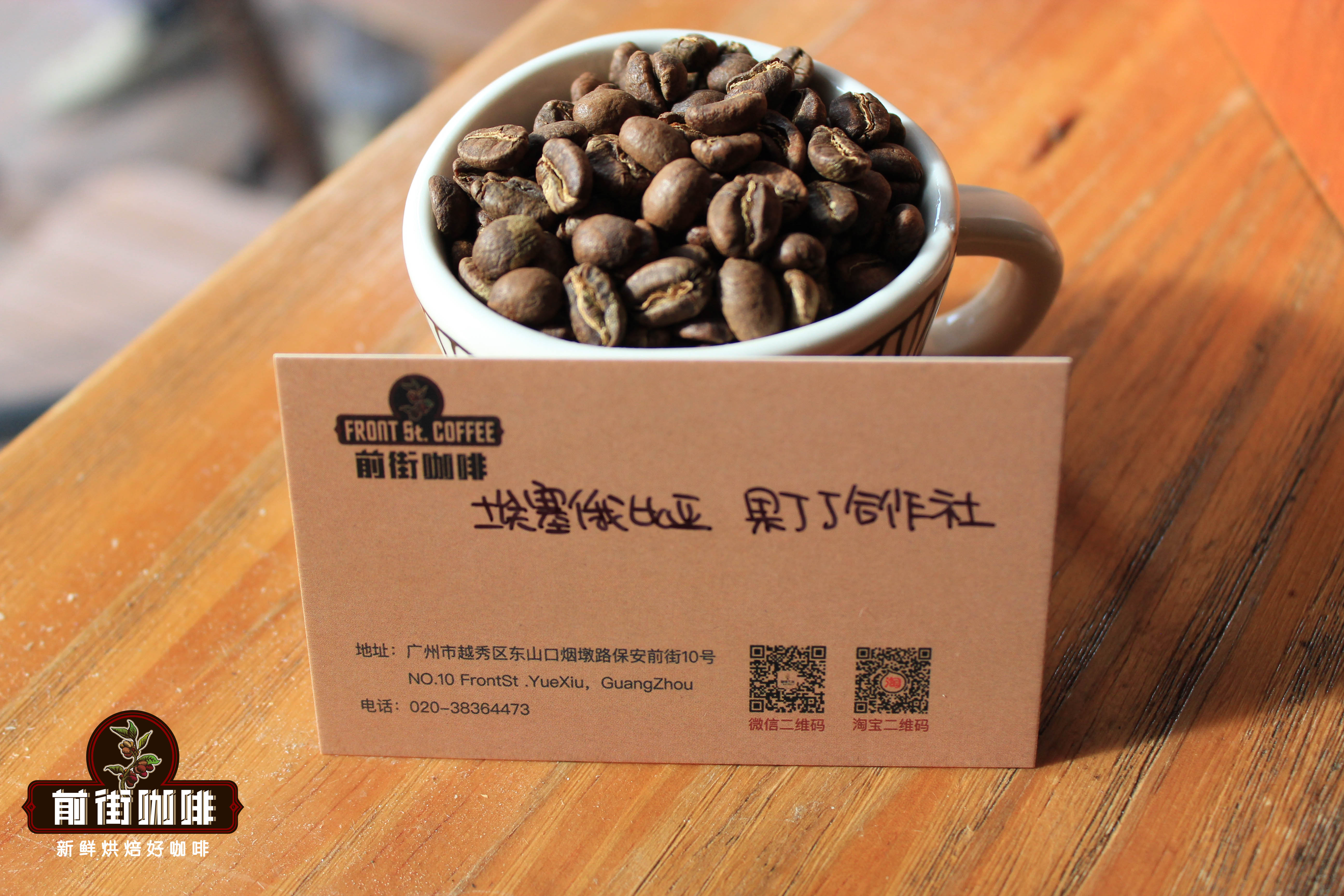
For this medium-light roasted sun-dried Yirgacheffe, it is recommended to use the V60 filter for pour over to fully showcase its delicate floral and fruity aromas. Since light-roasted beans have a denser internal structure, a higher water temperature and finer grind size are needed to effectively extract the flavor compounds. It is recommended to use hot water at 92 to 93 degrees Celsius, paired with an EK43s grinder setting of 10 (or equivalent to 80% passing rate through a #20 sieve), achieving a sugar-like fineness.
Specific pour over parameter suggestions are as follows: 15 grams of coffee, a coffee-to-water ratio of 1:15, for a total of 225 grams of water. First, pour 30 grams of hot water for a 30-second bloom to initiate the release of coffee aromas. Then, pour 95 grams of water (totaling about 125 grams) within approximately 1 minute. When the water level drops to about two-thirds of the coffee bed, pour the remaining 100 grams of water (totaling about 225 grams). The entire extraction process takes about 1 minute and 35 seconds. Once the dripping through the V60 is complete (about 2 minutes and 10 seconds), remove the filter and enjoy a cup of Yirgacheffe sun-dried coffee with vivid and layered flavors.
The above content is compiled by CoffeeHunters, a coffee news website.


