







Introduction:Indonesian Sumatran Mandheling coffee is renowned for its bold, full-bodied flavor and distinctive spicy notes, but its name actually stems from a WWII-era misunderstanding. This article will delve into the historical background of Mandheling, its growing regions, key varieties such as Ateng and Tim Tim, and the most unique wet-hulling processing method. We’ll explore how these elements shape its core characteristics—low acidity, richness, and herbal and chocolatey tones—and further examine the differences between two classic grades: Lintong Mandheling and Golden Mandheling, giving you a comprehensive understanding of this iconic Southeast Asian bean.
Among many well-known single-origin coffees, Indonesian Sumatran Mandheling stands out with its bold, rich flavor and unique spicy and herbal aromas, making it a favorite among many coffee enthusiasts. However, the origin of the name “Mandheling” actually comes from a misunderstanding during World War II. At that time, a Japanese soldier drank a dark-roasted coffee at a small shop in Sumatra and was amazed by its intense taste. When he asked the shopkeeper for the name of the coffee, a language mix-up led him to believe the answer was the ethnic group name “Mandailing (Mandailing).” After the war, the soldier returned to Japan and searched for the beans based on his memory of the name “Mandheling,” which gradually gained popularity.
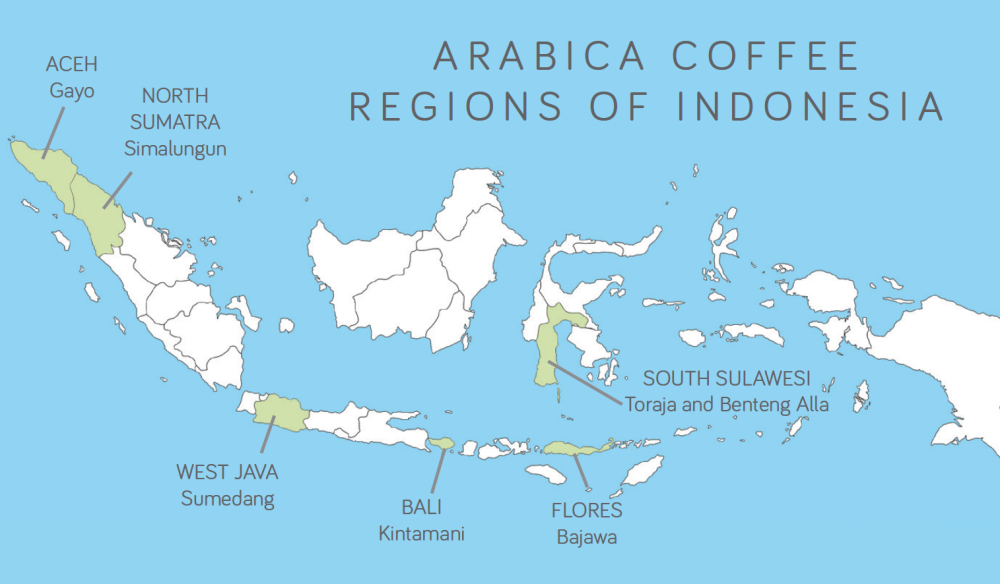
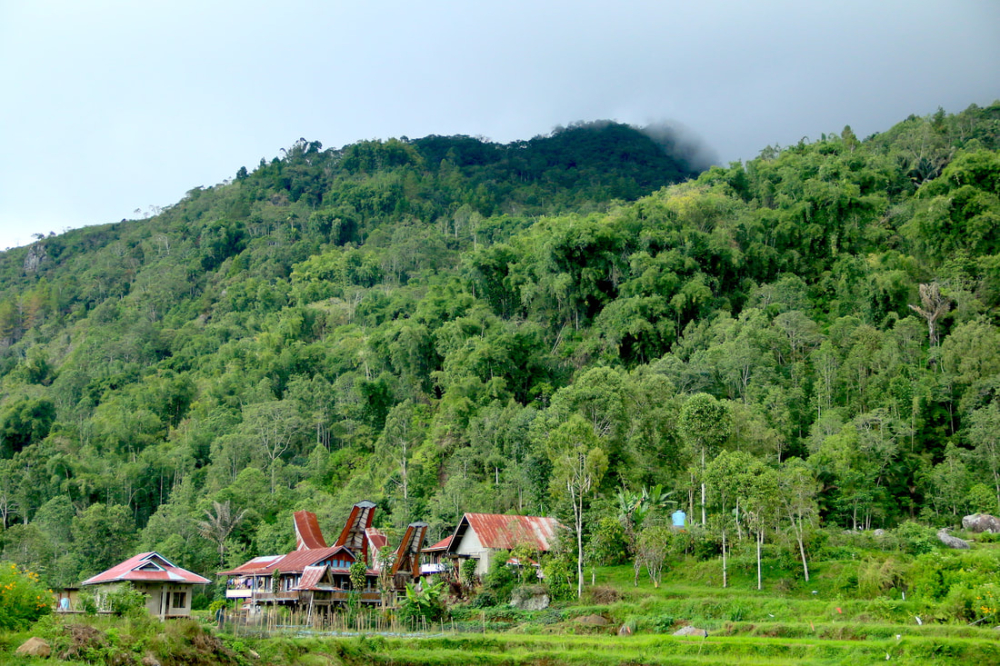
When it comes to the flavor profile of Mandheling, the most distinctive traits are its low acidity, full body, and pronounced notes of spice, herbs, and chocolate. These flavors are closely related to the growing region’s geography and processing methods. Common Mandheling coffee beans mainly come from the areas around Lake Toba and the Lintong highlands in northern Sumatra. These regions mostly feature foothill terrains at elevations of 600 to 1,600 meters, with a tropical rainforest climate that is humid and rainy year-round. Coffee trees are typically planted at mid-to-low altitudes, resulting in a shorter ripening period and less accumulation of fruit acidity. Instead, the coffee exhibits intense spicy and earthy aromas.
In terms of variety, traditional Sumatran Mandheling coffee mainly consists of Ateng (i.e., Catimor) and Tim Tim (a natural hybrid of Typica and Robusta). The Ateng variety has about a quarter Robusta lineage, giving it strong disease resistance, but due to genetic factors, it is commonly grown at mid-to-low altitudes, which is one reason why many Mandheling coffees tend toward bold, heavy profiles rather than delicate floral or fruity notes. Tim Tim is one of the varieties introduced by Indonesia in the early days to combat leaf rust and later became an important component of some Mandheling coffees.
When discussing the most representative processing method for Mandheling, none other than “wet-hulling (Wet Hulling)” takes the crown. Sumatra’s weather is highly variable, with few sunny days and long rainy seasons, making traditional sun-drying methods unstable, while washed processing is relatively costly. As a result, the locals developed wet-hulling—a method that balances efficiency and cost while creating distinctive flavors. The process generally goes as follows: after harvesting, the coffee cherries are depulped and undergo a short fermentation (about 3 hours). Then, the parchment-covered beans are dried in the shade or sunlight for 2 to 3 days until their moisture content drops to 20–24%. At this stage, the parchment layer is removed earlier than usual. Because the beans are not yet fully dry at this point and the bean bodies are still soft, they are prone to deformation during hulling. That’s why Mandheling green beans often have a distinctive “elephant hoof” shape. Finally, the semi-dried beans are moved indoors for slow drying under controlled temperature and humidity until the moisture content reaches 12–13% before being packaged and stored.
The wet-hulling process, with its short fermentation time and longer drying period, contributes to Mandheling’s unique profile of low acidity, full body, and earthy, spicy notes. Meanwhile, removing the parchment layer early exposes the beans to more external humidity during drying, further enhancing their intense flavor expression.
In the market, common Mandheling grades are divided into general commercial grades and high-quality G1 grades, among which “Golden Mandheling” is regarded as a premium-grade representative due to its strict selection process. This name was first registered by Indonesia’s PWN company and is only authorized for batches that meet specific criteria. So-called Golden Mandheling must undergo density grading, color sorting, and at least four rounds of manual hand-picking to ensure uniformity in size, shape, and color of each bean, with an extremely low defect rate—typically no more than 3 defective beans per 300-gram sample—and must come from G1-grade or higher green beans. This rigorous selection process results in Golden Mandheling having a cleaner, brighter flavor profile, with more pronounced sweetness and body. However, since there have been many counterfeit products on the market, buyers should pay attention to whether there is official certification or proof of origin.
From a practical tasting perspective, Lintong Mandheling is often the entry choice for many coffee beginners. Its flavor profile is dominated by nuts, spices, chocolate, and caramel, with a bold taste and distinct personality, making it suitable for those who prefer stronger flavors. For consumers seeking a more delicate and clean profile, PWN Golden Mandheling offers a smoother, more balanced, and layered taste with herbal, nutty, and spicy notes, ideal for showcasing its rich, full-bodied character through dark roasting. In terms of brewing, these coffees are well-suited for high-pressure extraction tools like the moka pot, which can fully bring out their intense and full-bodied flavor.
Taking the PWN Golden Mandheling as an example for moka pot brewing, it is recommended to use 20 grams of coffee beans, grind them to a medium-fine consistency (close to granulated sugar), tamp lightly after dosing, fill the lower chamber with water not exceeding the safety valve, ensure a tight seal when assembling the pot, and heat over low to medium flame. Once the coffee begins to flow, turn off the heat immediately to avoid over-extraction. For those who enjoy a milk-forward flavor, pairing it with hot milk will yield a creamier, richer taste.
The above content is compiled by CoffeeHunters, a coffee news website.


