







Introduction:With its refreshing fruity aroma and low bitterness, cold drip coffee has become the top choice for coffee lovers in the summer. This article delves into the low-temperature extraction principles behind cold drip coffee, breaking down the key steps of home brewing—from equipment selection, grind size, coffee-to-water ratio to drip rate control—step by step. It also highlights four fruit-forward coffee beans with distinct flavors to help you master the brewing techniques and craft sweet, smooth cold drip coffee at home.
On a hot summer day, a cup of cold drip coffee with a refreshing flavor and pleasant acidity-sweetness balance can offer an ultimate taste experience. Through the slow dripping of ice water at a constant rate, cold drip coffee undergoes a low-temperature extraction process lasting 6 to 8 hours, followed by an overnight refrigeration maturation, ultimately delivering a uniquely sweet, smooth, and low-bitter taste profile. This article not only explains the scientific principles behind cold drip coffee but also guides readers from start to finish on selecting equipment, choosing coffee beans, setting grind size, controlling drip rate and coffee-to-water ratio, and recommends four fruit-forward coffee beans to help you easily replicate professional-level cold drip flavors at home.
The reason cold drip coffee enjoys such popularity in the summer goes beyond its refreshing taste—it also stems from its unique brewing method. Compared to traditional hot water brewing, the low water temperature during cold drip significantly reduces the release of high-molecular-weight bitter substances, while allowing the coffee’s fruit acids, sugars, and aromatic compounds to be slowly released, resulting in a flavor profile that is sweet, low in bitterness, and richly layered. If you’re interested in making cold drip coffee at home, the following content will provide practical operation guidelines and recommended bean selections.
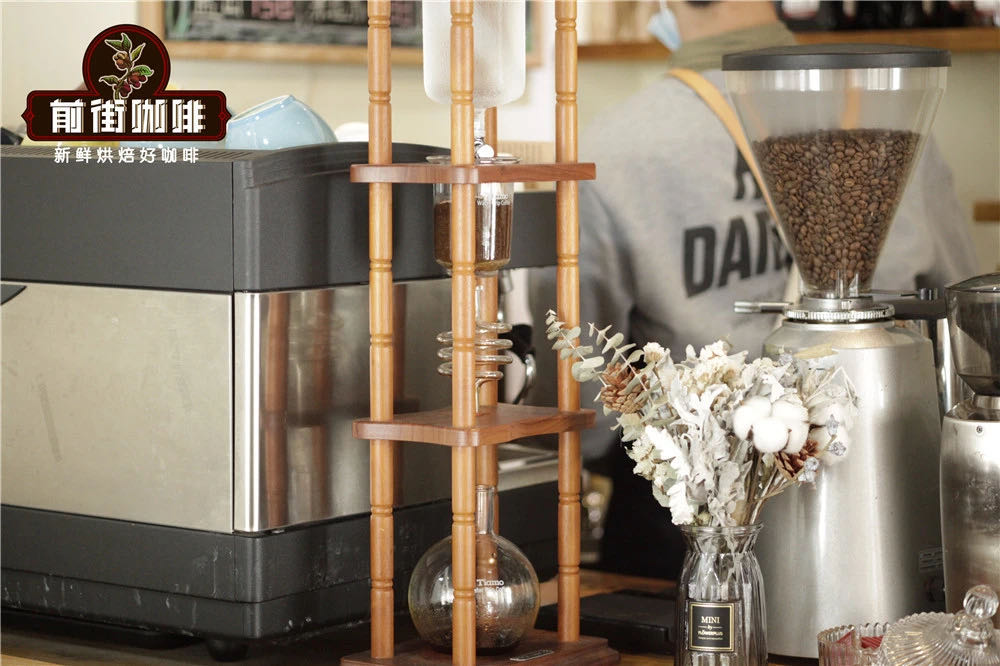
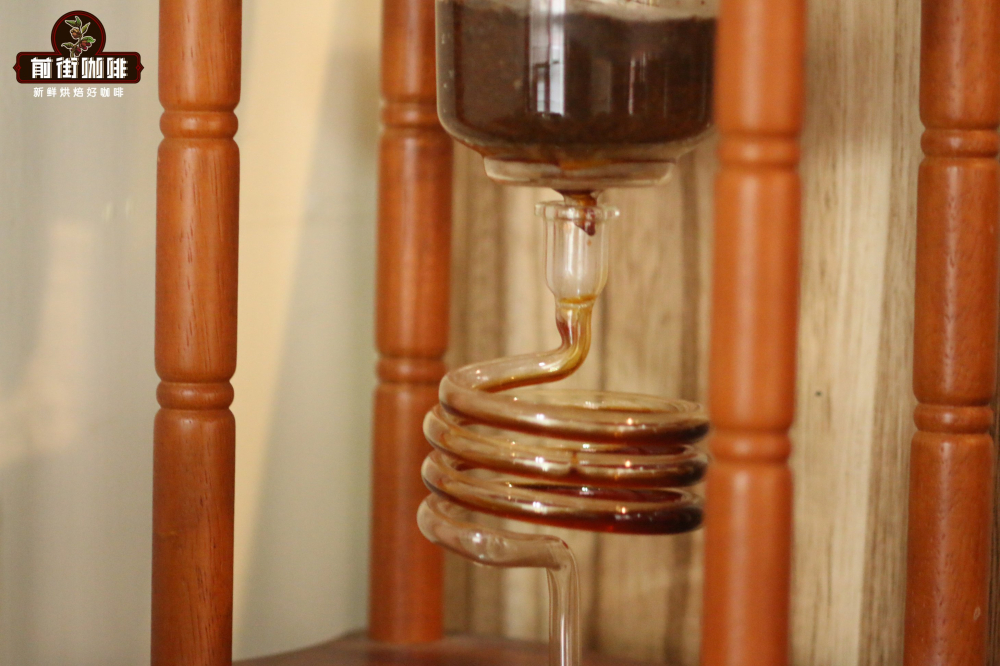
To successfully brew a satisfying cup of cold drip coffee, the first task is to choose the right cold drip equipment. Although there are many models available on the market, their basic structure can generally be divided into three main parts: the upper water reservoir for holding ice water (usually equipped with an adjustable valve for controlling drip rate), the middle coffee filter where the ground coffee is placed, and the lower collection container that catches the brewed coffee. For example, the commonly used Tiamo HG2713 model features a circular glass drainage tube that helps guide the water flow evenly. Consumers can choose the most suitable model based on their budget and needs.
The choice of coffee beans is equally crucial. Coffee beans from different regions and processed using different methods can yield vastly different flavor profiles. Below are four fruit-forward cold drip coffee beans from well-known roasters, each with distinct flavor characteristics and well-suited for cold drip extraction.
First is the "Hua Kui" coffee bean. Grown in a high-altitude region surrounded by sugarcane and banana plantations and processed using the natural method, this bean boasts intense berry and creamy aromas, a smooth mouthfeel, and bright acidity—making it ideal for those who enjoy a balanced fruitiness and sweetness. Next is the "Kenya Little Tomato," processed with the K72 double-washed method. Its vibrant flavor profile showcases lively berry and red wine acidity, with clear notes of cherry tomato and dark plum on the palate, a long-lasting aftertaste, and a creamy sweetness. The third, "Xi Zhua," comes from the Huila region of Colombia at an altitude of 1700 meters and is processed through double anaerobic natural fermentation, offering sweet notes of passionfruit, grape, and dried fruit, along with mandarin orange acidity and almond aftertaste—much loved by returning customers. Lastly, we recommend "Hu Die" (Butterfly), a Gesha blend from the Boquete region of Panama combining Gesha, Caturra, and Catuai varieties. Its microclimate and volcanic soil create a full-bodied, bright acidity, and delicate floral character, showcasing diverse notes of citrus, honey, berries, and green tea.
In terms of grind size, cold drip coffee is recommended to use a coarseness with about 80% to 85% passing rate through a Chinese No. 20 standard sieve—slightly finer than typical pour over. In a low-temperature environment, extraction speed is inherently slower; if the grind is too coarse, insufficient flavor will be extracted; if too fine, it may cause clogging and over-extraction, negatively affecting the final taste. Professionals suggest adjusting to an 85% sieve passing rate for optimal extraction balance.
Drip rate and coffee-to-water ratio are also important parameters influencing cold drip flavor. It is generally recommended to control the drip rate at around 7 drops per 10 seconds—too slow may lead to over-extraction, while too fast may result in under-extraction. The recommended coffee-to-water ratio is 1:10, which is suitable for subsequent dilution with ice; for direct consumption, it can be adjusted to 1:12 to 1:14. During actual brewing, start by grinding 60 grams of coffee beans and placing them in the filter, then lining both the bottom and surface with a filter paper each to facilitate even extraction. Use an ice-water mixture (1:1 ratio) in the upper chamber, aiming to extract about 600 grams of coffee liquid.
Finally, pour the extracted coffee liquid into a sealed container and refrigerate it for at least 12 hours to allow the flavors to further integrate and mature. The common practice is to complete the dripping during the day and place it in the fridge by evening, ready to enjoy the next day. Properly made cold drip coffee offers a refreshing acidity and sweetness upon tasting, accompanied by pronounced fruity notes and delicate sweetness, making it especially suitable for hot weather and bringing a unique coffee experience to your summer.
The above content is compiled by CoffeeHunters, a coffee news website.


