








Introduction:Espresso is not only an essential foundation in coffee shops but also a cornerstone of global coffee beverages. This article delves into the historical origins of espresso, its core extraction principles, and the characteristics and differences among the three classic types—Ristretto, Normale, and Lungo. Through practical examples, it explores the complete extraction process of a rich espresso, helping you better understand the science and craftsmanship behind coffee flavors.
In coffee shops around the world, espresso is almost always the star of the menu. Whether it’s Americano, latte, cappuccino, or uniquely flavored flat whites and creative drinks, none can do without this intense base. Originating from Italy, this coffee has undergone over a century of technological innovation and craftsmanship refinement to become what we are familiar with today. This article will take you through the historical journey of espresso, analyze its scientific principles and diverse types, and detail the complete extraction process of an ideal shot using a classic blend as an example.
 The English name "espresso" comes from the Italian word meaning "fast," as it typically takes just a few minutes from ordering to serving. Its most distinctive feature is the use of high-pressure steam to push hot water rapidly through finely ground coffee, extracting a small amount of highly concentrated dark coffee liquid topped with a captivating golden crema. Although it may not stand out on some café menus, almost all common coffee drinks are derived from it.
Looking back at history, early coffee consumption was mostly through infusion methods, which were time-consuming, slow in flavor release, and required coarse-ground beans. It wasn’t until 1884 that Italian Angelo Moriondo invented the first espresso machine with pressurized functionality. This machine featured two separate boilers capable of generating about 1.5 bar of pressure and a large amount of steam, significantly shortening extraction time and making the coffee taste richer and more intense. Subsequent technological breakthroughs allowed for precise control over parameters such as water temperature, pressure, and flow rate, laying the foundation for modern espresso.
In 1948, Milanese barista Achille Gaggia improved the design by introducing a manual lever system to generate high pressure, successfully extracting the fine, golden-brown crema layer on the surface of the coffee—now one of the key indicators of espresso quality. From then on, the true espresso was born and gradually became a symbol of global espresso culture.
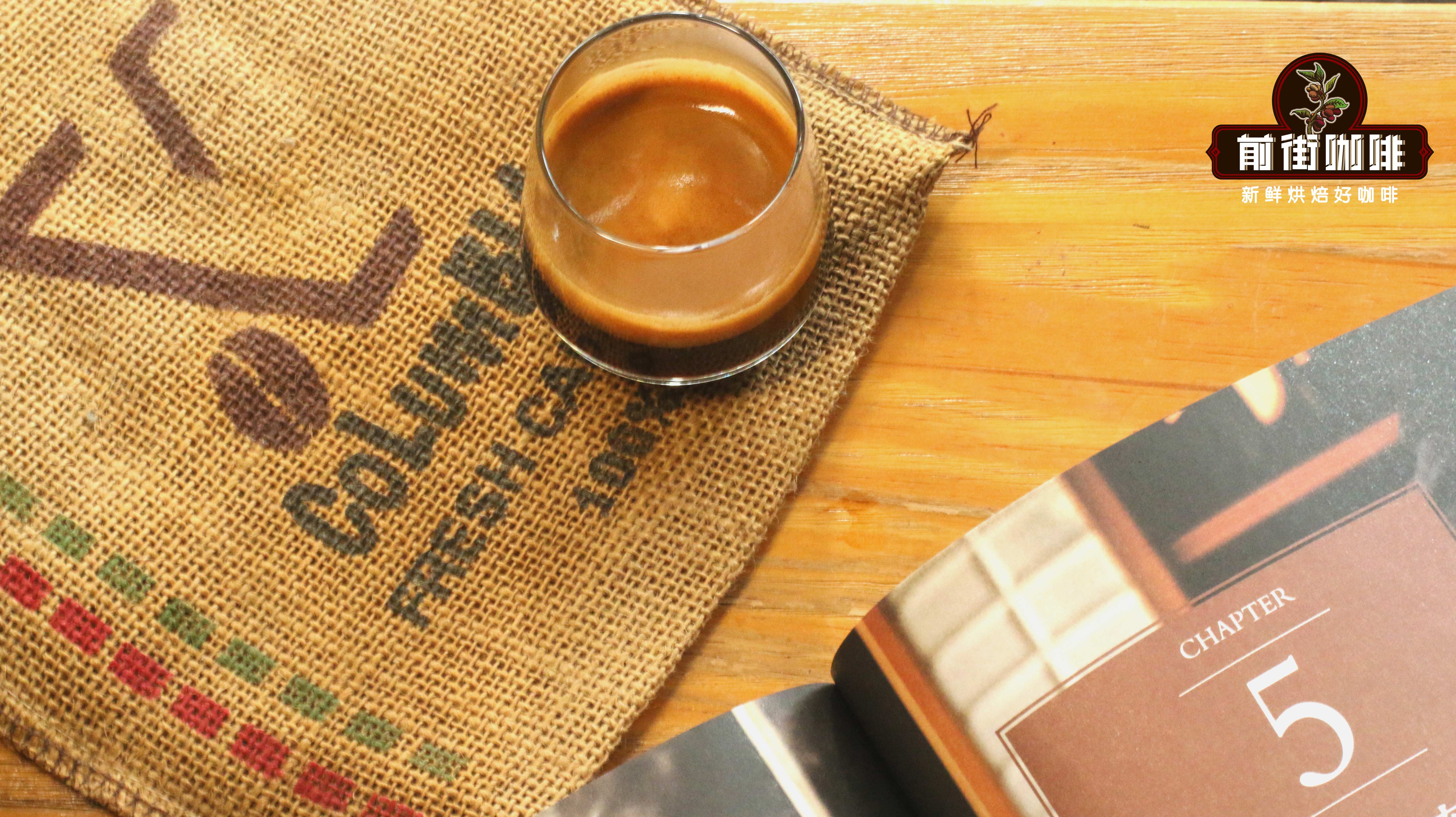 From a scientific perspective, factors affecting crema formation include the freshness of the coffee beans, roast level, equipment pressure, and stability. Generally, the darker the roast and the fresher the beans, the richer the crema. The Italian domestic market prefers a strong and bold coffee taste, so dark roasts are often used, sometimes even blended with a certain proportion of Robusta to enhance crema performance and aroma intensity. However, as global consumers seek more diverse flavors, an increasing number of bright and fruity beans are being skillfully incorporated into espresso blends. For example, some blends exhibit distinct berry acidity and wine-like fermentation notes, making them ideal for crafting complex yet balanced espressos.
Espresso comes in more than one form. Depending on adjustments to the coffee-to-water ratio and extraction time, it can be divided into three classic types: Ristretto (short shot), Normale (standard), and Lungo (long shot). All three are based on high-pressure, fast extraction but each showcases distinctly different flavor profiles.
Ristretto, also known as "short shot" or "ristretto shot," is the type of extraction with the least volume but the highest concentration. This brewing method typically only extracts the initial phase of the shot, intensifying the aroma and body of the coffee, making it the preferred base for many premium milk coffees (such as Flat White). Taking the common double shot recipe as an example, using 20 grams of coffee grounds, a standard Normale will yield 40 grams of coffee liquid (a brew ratio of 1:2), while a Ristretto might only extract around 28 grams (approximately from the first to mid-phase, with a brew ratio close to 1:1.4). The extraction time is also relatively shorter, resulting in a more concentrated and vibrant flavor profile.
Normale is the most widely recognized espresso, commonly referred to simply as Espresso. According to the Golden Cup Standard, the ideal extraction yield should fall between 18%–22%, with a concentration ranging from 8%–12%. It offers a balanced flavor with clear layers. This type of espresso typically uses 7–10 grams of coffee grounds, extracts about 30 grams of liquid, and is controlled within a brewing time of around 25–30 seconds. It is the classic expression that best showcases the characteristics of both blends and single-origin beans.
Lungo is the longer extraction time and higher water volume version. The Italian term "lungo" means "long," referring to extending the extraction time to produce a larger volume of coffee liquid. The brew ratio can reach up to 1:5, using the same amount of coffee grounds to yield about 100 grams of liquid. The flavor is milder, with more pronounced acidity, making it suitable for those who prefer lower concentration but still want to enjoy the aroma of coffee.
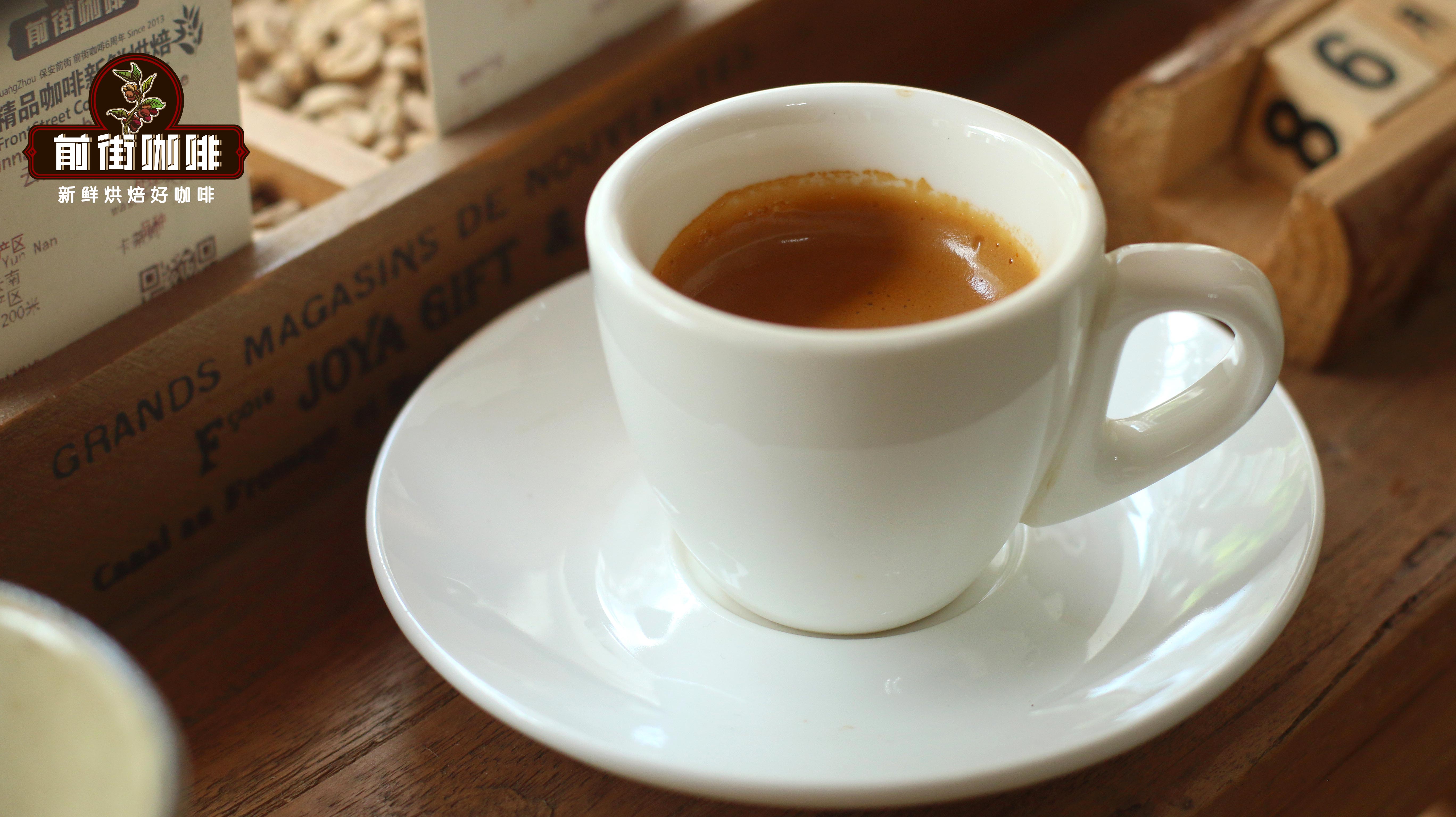 In practical operation, making a high-quality espresso requires strict control over multiple parameters. Taking the common double basket as an example, it is recommended to use 18–20 grams of coffee grounds, aiming for an extracted liquid volume of 40 grams, with a brew ratio of about 1:2, and a brewing time ideally between 28–30 seconds. If the time is too short, the flavor may turn out thin; if it exceeds 35 seconds, over-extraction and burnt bitterness are likely to occur. Additionally, factors such as the grind size of the coffee, the evenness of the tamp, as well as the pre-infusion time and water temperature, will directly impact the final extraction result.
Overall, espresso is not just a cup of coffee—it is a comprehensive embodiment of coffee craftsmanship and sensory experience. From its historical evolution to scientific extraction, from classic types to nuanced adjustments, every step reflects a deep understanding of flavor and a rigorous pursuit of technique. Whether you’re a coffee novice or a professional, gaining a deeper understanding of espresso can bring you more richness and insight in both tasting and brewing.
Overall, espresso is not just a cup of coffee, but a comprehensive embodiment of coffee craftsmanship and sensory experience. From historical evolution to scientific extraction, from classic types to fine-tuned details, every step embodies a deep understanding of flavor and a rigorous pursuit of technique. Whether you are a coffee novice or a professional, gaining a deeper understanding of espresso can bring you richer enjoyment and insight when tasting or brewing.
The above content is compiled by CoffeeHunters, a coffee news website.


