







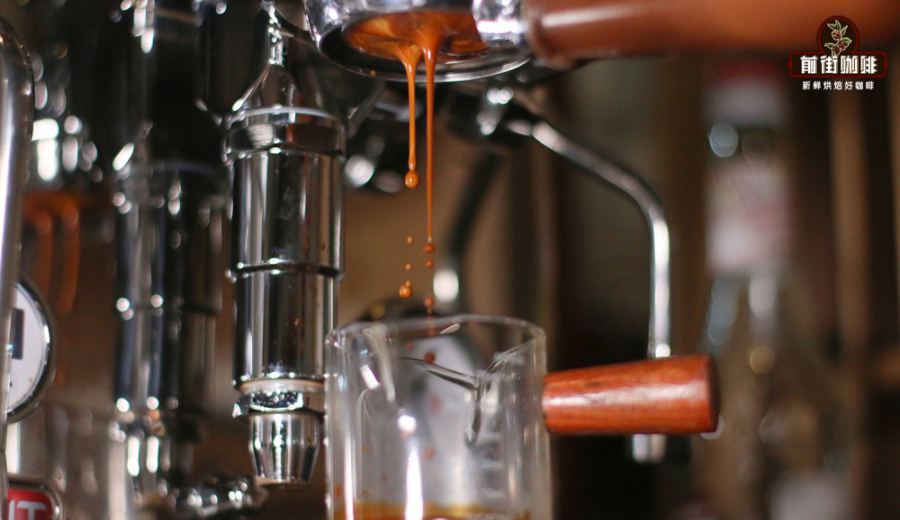
Introduction:To consistently extract an espresso with rich aroma and a thick crema, it’s not only essential to choose the right blend, but also to master key parameters such as grind size, dose, water temperature, and pressure. This article explores the characteristics of beans at different roast levels, and delves into how factors like brew ratio, grind fineness, and ambient humidity impact extraction flow rate and flavor. Combined with practical parameter adjustment cases, it will guide you to find the optimal balance between aroma, acidity, and body.
Espresso is hailed as Italy’s gift to the world. The brief extraction process of just a few seconds involves precise control over numerous variables, including grind size, water temperature, dose, and extraction time. This article starts with the freshness and roast level of the beans, explaining how different roast stages affect extraction stability, and further introduces readers to the flavor profiles and application scenarios of various blends.
An ideal espresso relies not only on the performance of the espresso machine, but also on the quality of the coffee beans themselves. Freshly roasted beans can not only release layered aromas, but also produce a silky, dense crema (coffee oils). When selecting an espresso blend, it is recommended to focus on medium roast, medium-dark roast, or even dark roast—these roast levels offer more stable extraction performance, reduce the risk of channeling or splattering, and help avoid under-extraction.
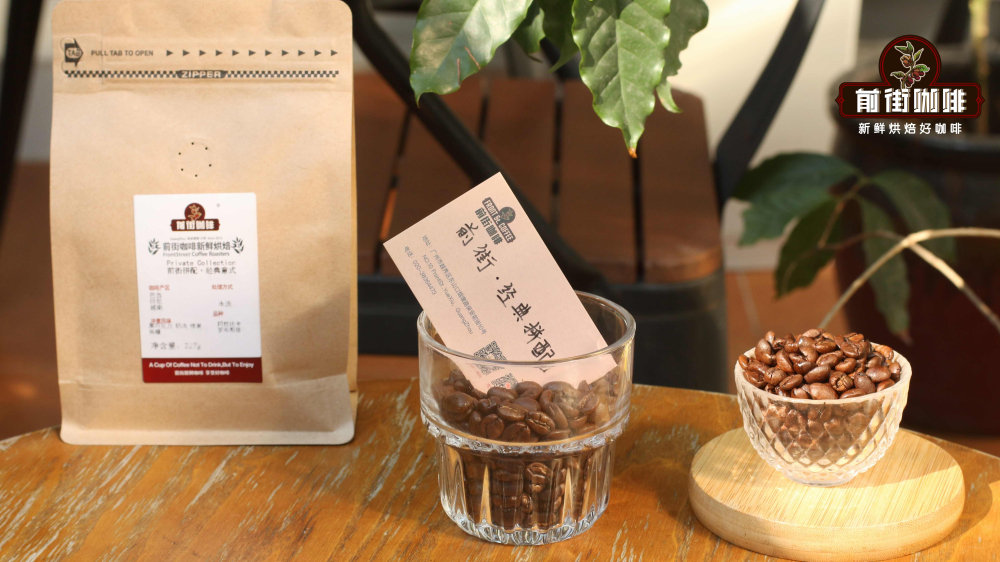
Based on different flavor preferences, commonly available espresso blends on the market can generally be divided into three main types:Creamy & Nutty ProfileBlends often use Brazil and Colombia beans as their base, showcasing aromas of dark chocolate, caramel, and nuts. They are suitable as base beans for daily use in both home and café settings;Rich Crema TypeBlends combine Brazilian semi-washed, Indonesian Mandheling, and Vietnamese beans to create a thick, bold mouthfeel—especially suitable for users seeking a heavy body; whileFruity & Honey-like ProfileBlends, such as those that mix Costa Rica, Panama, and Ethiopia beans, offer floral notes like rose, sweet strawberry sugar, and the tart-sweet layers of grapes. These are ideal for those who enjoy bright fruity acidity.
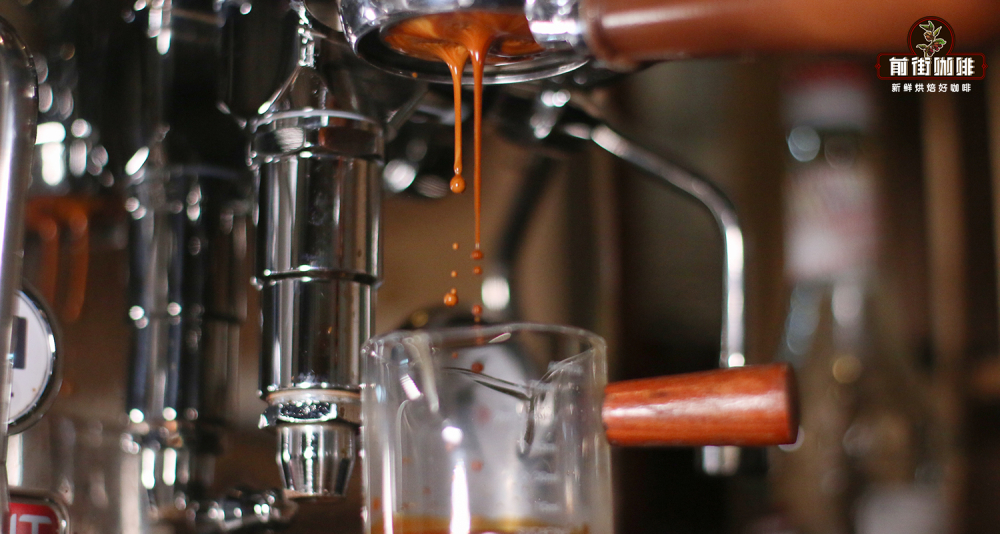
In practical extraction, many cafés use a 20g dose with a 1:2 brew ratio, extracting 40g of coffee under 9 bar pressure, with the entire process typically controlled around 30 seconds. This set of parameters provides a balanced taste and sufficient crema, serving as a solid baseline for both beginners and advanced users.
However, the extraction ratio is not set in stone. The industry generally recommends a range between 1:1.5 and 1:2.5, with 1:2 being the most common standard. For example, the commonly used double-shot portafilter baskets in China have a capacity of about 20g, aiming for a liquid yield of 40g with an extraction time of approximately 25–30 seconds. Of course, depending on daily bean freshness, climate, and machine condition, fine adjustments are still necessary.
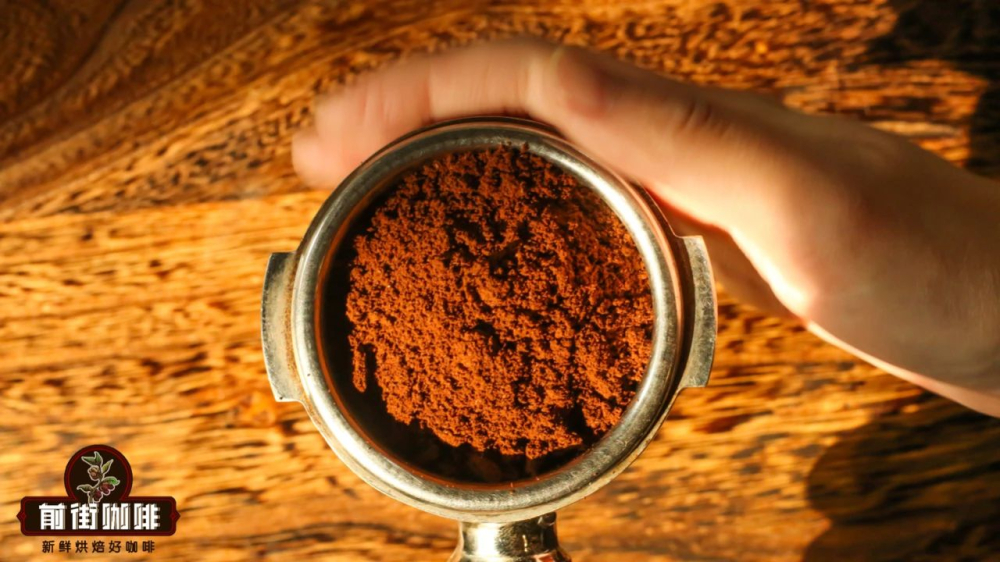
Changes in dose directly affect the density of the coffee puck, which in turn alters the flow rate of water. When the dose is increased, the puck becomes denser, slowing down water penetration, extending extraction time, increasing coffee concentration, and raising extraction yield. Conversely, reducing the dose results in a looser puck, allowing faster water flow, which may lead to under-extraction. It is recommended to makeminor adjustmentsbased on actual flow rate and flavor performance, and observe the changes in each cup produced.
Grind size is another critical factor determining extraction success. Espresso extraction happens in an extremely short time, so coffee grounds must be ground extremely fine and evenly to fully release flavors within that brief period. However, this extreme fineness is very sensitive—small adjustments can easily lead to flavor imbalance. If the grind is too coarse, water flows through too quickly, leading to under-extraction and flavors that are thin and overly acidic. If the grind is too fine, water flow is restricted, possibly causing over-extraction, resulting in bitterness and a sharp taste. Moreover, since espresso grinding is far finer than pour over, it’s recommended to use a professional espresso grinder and maintain the sharpness and stability of the burrs.
In practice, extraction parameters are often influenced by ambient humidity, temperature, and the storage state of the beans. For instance, on rainy days when the air is humid, coffee grounds tend to absorb moisture, slowing down flow rate. Conversely, dry weather may speed up extraction. In such cases, even if water temperature and pressure remain unchanged (e.g., 94°C and 9 bar), adjustments to grind size, dose, or target liquid yield may still be needed to maintain stable extraction performance.
For example, if the day before you used 19.8g of coffee, extracted 38g of liquid in 29 seconds, but today under the same conditions it only takes 26 seconds, it indicates the flow rate has sped up, potentially leading to under-extraction. In this case, you might tryincreasing the dose by 0.1geach time, and observe changes in flow rate and flavor. If you increase to 20g and the time returns to 29 seconds but the aroma becomes dull, it may still be under-extracted—so you’ll need to furtherfine-tune the grind to a finer settingto extend extraction time and release more flavor compounds. On the other hand, if the flow rate is too slow, you can first reduce the dose, and if that has limited effect, then consider adjusting to a coarser grind.

In summary, adjusting espresso extraction parameters is an art that combines science and experience. From choosing the right blend and understanding roast characteristics, to fine-tuning dose, grind size, and extraction time—every step influences the final flavor. Once you’re familiar with these variables, you’ll be able to consistently produce richly aromatic, full-bodied espresso, regardless of varying weather or machine conditions.
The above content is compiled by CoffeeHunters, a coffee news website.


