







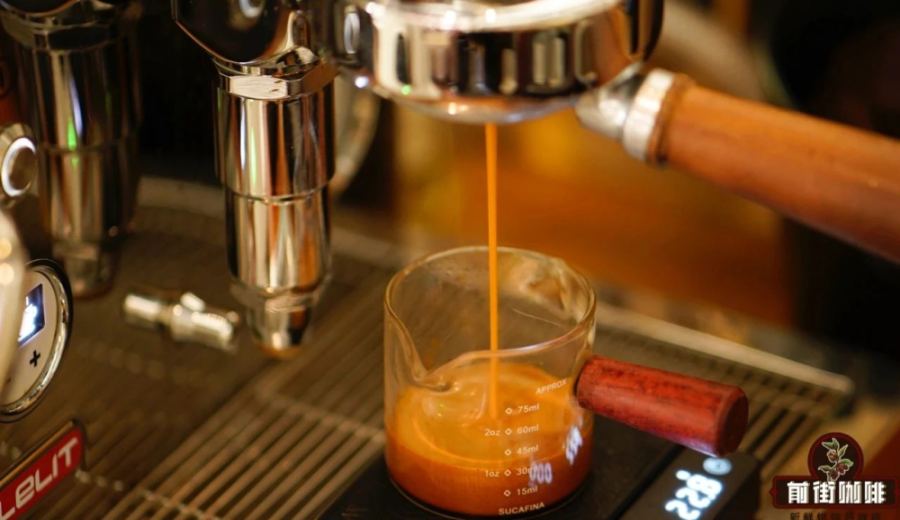
Introduction:Do you think espresso can only be synonymous with bitterness and heaviness? In fact, as long as you choose the right beans, it can also have rich layers of fruitiness, chocolate, and caramel. This article delves into the suitable roast levels for espresso, compares the flavor characteristics of blends and single-origin (SOE) beans, and recommends several classic espresso beans suitable for both home and café use. From selection to aging, grinding, and storage, it provides a comprehensive and practical brewing guide.
Espresso is a highly concentrated coffee extracted under high pressure and high temperature in a short period of time, commonly used as the base for milk-based drinks like lattes and cappuccinos. Many people, when trying it for the first time, are often startled by its intense taste and assume that espresso should always be bitter and strong. But in reality, a high-quality espresso can showcase multiple layers of flavors—such as fruity, floral, spicy notes, and even sweet tones of chocolate and caramel. The key to all of this lies in the type of coffee beans you choose and how they are roasted.
Many people mistakenly believe that only dark-roasted beans are suitable for making espresso, but that’s not the case. Coffee beans of any roast level can be used to make espresso—the key lies in how the beans are blended and how their overall flavors harmonize. Especially for home users or coffee enthusiasts, understanding the differences between blends and single-origin (SOE) beans can help you find beans that better suit your personal taste.
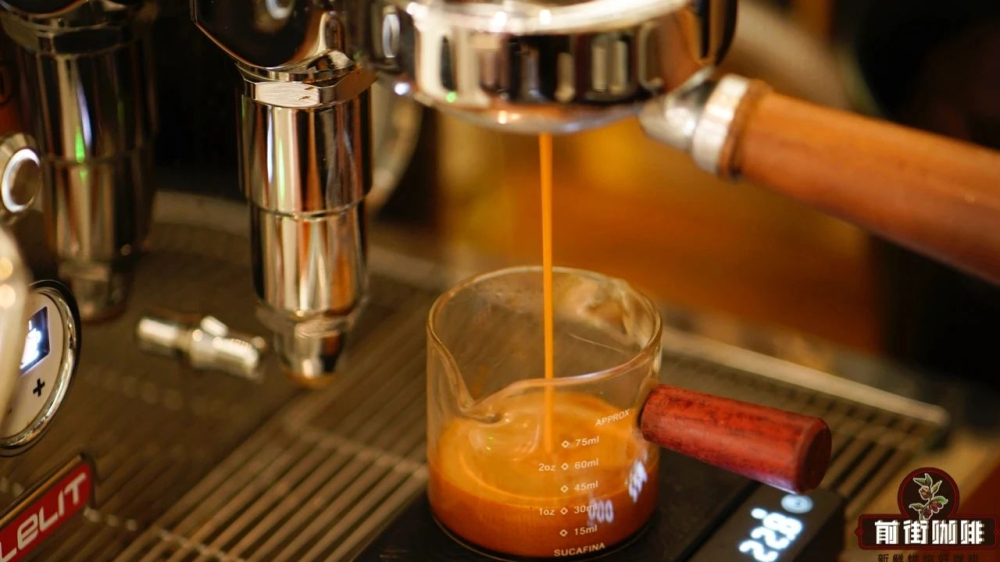
The essence of espresso is to use an espresso machine to extract a rich, crema-covered coffee liquid from extremely finely ground coffee powder under 9 bar of high pressure and a temperature of 90°C to 96°C in a short time. This extraction method is extremely sensitive to the roast level, freshness, and grind size of the coffee beans. Therefore, if you want to brew a balanced and aromatic espresso, you need to be particular about bean selection from the very beginning.
Traditionally, to achieve the rich body and thick crema required for espresso, many cafés opt for medium-dark to dark roasted blends. Blends usually combine beans from different regions and processing methods, sometimes even mixing beans of different roast levels, to pursue a balance of acidity, sweetness, bitterness, and saltiness, as well as richness in crema and complexity in flavor. Common blend components may include the nuttiness of Brazilian beans, the earthy and spicy notes of Indonesian beans, and the balanced acidity of Central and South American beans.
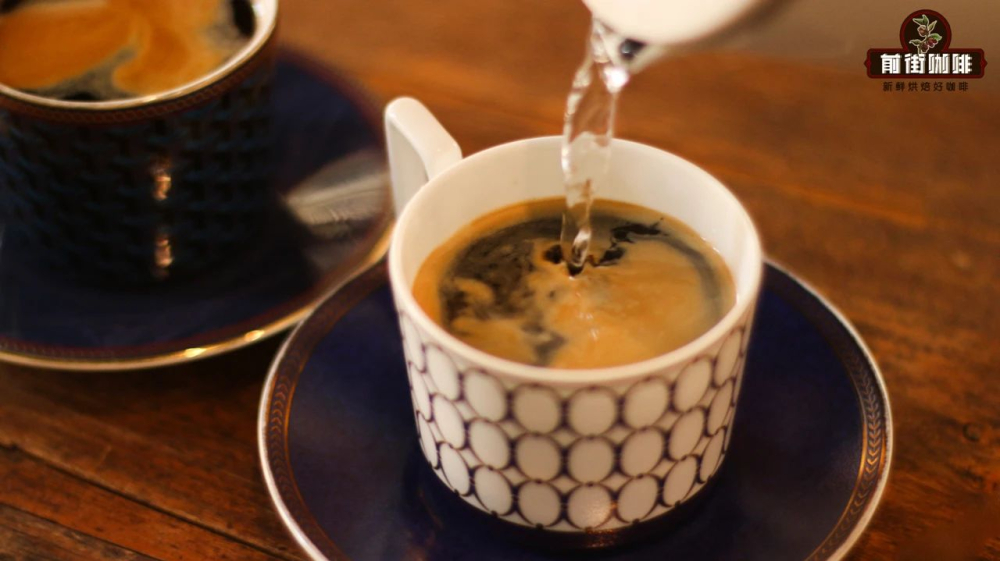
In recent years, with the rise of specialty coffee, Single Origin Espresso (SOE) has gradually gained attention. Unlike traditional multi-bean blends, SOE emphasizes using beans from a single origin, farm, or even batch to make espresso, which better highlights the unique terroir characteristics of that region—for example, the floral and fruity notes of Ethiopia, the nutty and chocolatey tones of Colombia, or the smoky profile of Guatemala. Since SOE only needs to showcase the characteristics of a single origin, its roast level doesn’t necessarily need to be very dark; it usually falls within a medium to medium-dark range to bring out clear regional flavors.
When selecting espresso beans, in addition to considering whether they are blends or SOEs, you should also pay attention to the roast date, aging period, and storage method. Generally speaking, coffee beans require about 4 to 7 days of aging after roasting to allow internal carbon dioxide to fully dissipate, after which the flavors will stabilize. Freshly roasted beans not only have sealed-off flavors but can also negatively affect extraction due to excessive degassing. Therefore, it is recommended to buy recently roasted beans and use them within two weeks after opening the bag to enjoy the best flavors.
Additionally, espresso requires very fine grind settings, so a dedicated espresso grinder must be used to adjust to an extremely fine grind to ensure effective extraction under high pressure. If using pre-ground coffee, the rate of flavor loss accelerates, so it is best to grind fresh and brew immediately to preserve as much freshness and complexity as possible.
Below are several common types of beans suitable for making espresso:
• Dark Roast Blends: Usually combining beans from Brazil, Indonesia, and other regions, these emphasize a rich body and thick crema, suitable for users who prefer traditional espresso flavors. They perform steadily whether used for Americanos or lattes.
• Medium Roast Blends: Such as those with added honey-processed or sun-dried beans, these can bring more floral, fruity, and sweet notes, suitable for those who prefer softer and sweeter acidity. When used for lattes, the flavors are more refreshing.
• SOE Single-Origin Beans: For example, Ethiopian sun-dried beans, medium-roasted to bring out bright fruitiness such as strawberry and citrus. These are suitable for coffee lovers who seek regional characteristics and layered flavors, offering unique performance whether used for espresso or milk-based drinks.
In summary, espresso doesn’t have to be bitter and heavy. By choosing the right beans, mastering roast level and freshness, you too can easily brew a high-quality espresso with fruity, chocolatey, or caramel notes at home. Whether you prefer the balance of blends or the distinct personality of SOEs, you can select the espresso beans that best suit your drinking habits.
The above content is compiled by CoffeeHunters, a coffee news website.


