








Introduction:Want to easily brew a rich and aromatic moka pot coffee at home? This article uses the classic Bialetti moka pot as a model, breaking down each operational detail from filling water, adding coffee grounds, heating, to extraction. It also delves into key elements such as coffee bean selection, dosage control, heat adjustment, and brewing time. Additionally, it provides two practical coffee bean recommendations to help you adjust your moka pot coffee to suit your personal taste—even beginners can get started quickly.
Although using a moka pot may seem simple, consistently extracting coffee with rich flavor and balanced mouthfeel actually involves nuance in every step. From the amount of water in the lower chamber, how you fill the coffee grounds, to controlling the heat, all directly affect the final coffee outcome. Taking the classic Bialetti moka pot as an example, this guide will walk you through the correct usage process from start to finish, and analyze key points such as bean selection, grind amount, brewing time, water volume, and heat adjustment one by one—so you can brew professional-level moka pot coffee at home.
First, let’s go over the basic operation process of the Bialetti moka pot:Step 1is to pour an appropriate amount of warm water into the lower chamber, making sure the water level does not exceed the pressure relief valve.Step 2is to fill the pre-ground coffee into the filter basket; a common recommendation is to fill it up without tamping.Step 3is to place the filled filter basket into the lower chamber and then screw on the upper chamber.Step 4is to keep the lid open and begin heating over medium heat.Finally, once you see coffee liquid starting to drip from the upper chamber, immediately remove the moka pot from the heat source and let the remaining liquid drip out naturally.

Although the overall process isn’t complicated, if you want to elevate the flavor of your coffee, there are many finer details worth paying attention to. First, when it comes to choosing coffee beans, since the moka pot is a pressure-based extraction method—similar to traditional espresso machines—it is recommended to choosemedium to dark roastedcoffee beans. These beans, due to their longer roasting time, contain rich caramelized compounds and carbon dioxide, which can release a more intense and layered flavor under pressurized extraction.
If you particularly enjoy coffee that is bold and smooth with a velvety crema, you might consider trying the “Classic Italian Espresso Blend.” This blend often features flavors of butter, roasted hazelnuts, caramel, and dark chocolate. Whether enjoyed straight or with milk for a latte, it delivers excellent smoothness and aroma.
If you prefer a lighter, less heavy-bodied option, you could try the “Dark Cocoa Espresso Blend.” This blend combines Yunnan small-seed variety beans with Brazilian Cerrado beans, featuring notes of nuts, chocolate, and subtle plum tones. The overall profile is relatively mild, suitable for everyday drinking, affordably priced, and great for beginners or home use.
As for the amount of coffee grounds to use, it is recommended to fill the filter basket to the top. Filling only halfway will reduce the resistance the water faces when passing through the coffee layer, leading to under-extraction and a weak-tasting coffee. After adding the grounds, gently level the surface with your finger—but if you’re using a finer grind, avoid pressing down too hard, as excessive resistance can hinder water flow and reduce extraction efficiency.
In terms of brewing time, it generally takes about3 to 5 minutesfrom the start of heating to the completion of extraction. The actual time may vary depending on the grind size and amount of coffee used. Typically, the coarser the grind, the faster the water rises, shortening the total extraction time; conversely, a larger amount of coffee grounds may require slightly more time.
As for water volume, it is recommended to usewarm waterrather than cold water, as this reduces the time needed to heat the water to boiling point and speeds up the extraction process. When adding water to the lower chamber, the water level should be keptbelow the pressure relief valveto ensure safety and stable pressure release. For example, in practical testing using a double-chamber single-valve moka pot, the final water volume added was about 130ml.
When assembling the moka pot, tightly screwing the upper and lower chambers together is a crucial step. If the lower chamber contains hot water, it is advised to use a damp cloth for insulation to avoid accidental burns while tightening.
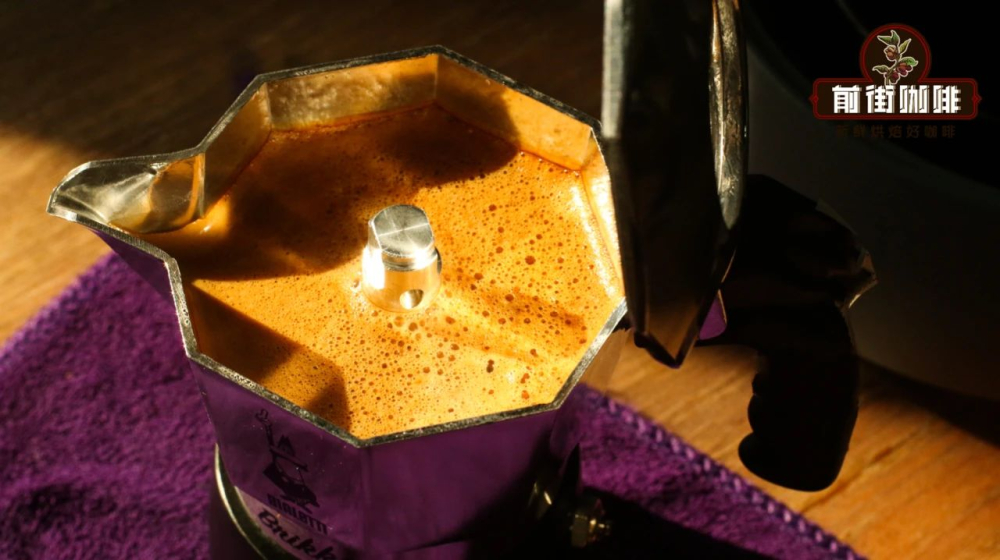
When starting to heat, it is recommended to usemedium heatto quickly raise the water temperature, which helps shorten the overall brewing time. Once the moka pot starts making noticeable “hissing” or “gurgling” sounds, it means the water has begun turning into steam and is about to push the coffee upward. At this point, it is essential to reduce the heat. Continuing to use high heat will generate excess steam, increasing internal pressure and causing the coffee to flow out too quickly—resulting in under-extraction and ultimately a thin, flat-tasting cup. Therefore, lowering the heat at the right moment as the coffee begins to emerge is key to ensuring extraction quality.
The above content is compiled by CoffeeHunters, a coffee news website.


