







Introduction:What kind of surprise can arise from applying the whisking technique of Japanese matcha to pour over coffee? This creative brewing method, inspired by Japanese actor Ken Watanabe, uses a special whisking motion to produce delicate foam in the coffee. Not only does it enhance the aroma, but it also adds a unique layer of texture. This article will detail everything from the cultural background of matcha tea whisking, coffee bean selection and pour over parameters, to tea whisk usage techniques and actual flavor comparisons—helping you easily recreate this uniquely Japanese-inspired coffee creation at home using Blue Mountain coffee.
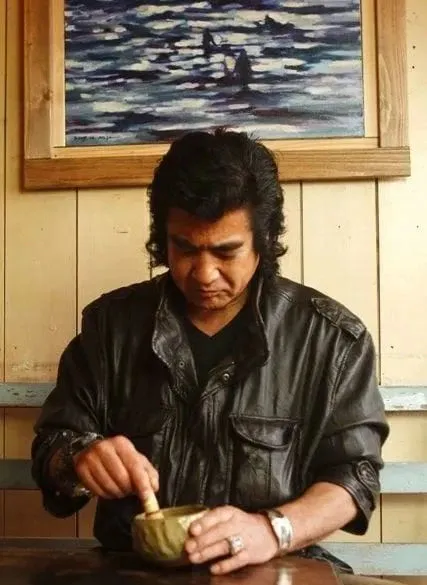
Matcha lattes have frequently appeared in the coffee market in recent years, inevitably reminding people of a special coffee preparation method that sparked discussions years ago—using a matcha whisk to beat coffee liquid to create a thick layer of fine foam. This technique originates from Japanese actor Ken Watanabe, who was inspired by his mother’s practice of the tea ceremony. He ingeniously adapted the traditional “chawan tsuki” or “whisking” movement from matcha preparation into the world of coffee, enriching the beverage with more complex aromas and textures, while also infusing it with strong Japanese aesthetics. The following will step-by-step explain the process of this unique technique, including basic knowledge of matcha and the tea whisking culture, suitable coffee beans and pour over extraction parameters, tea whisk usage tips, and even an analysis of the flavor changes before and after tasting—so you can easily try it at home.
If you’re interested in specialty coffee, this creative drink that combines Eastern tea ceremony aesthetics with Western extraction techniques is definitely worth trying. Ken Watanabe initially developed a passion for coffee due to work and volunteer activities that required him to sample various local coffees from around the world. After returning to Japan, he wanted to create a coffee that represented Japanese culture, and inspiration struck—he applied his mother’s traditional tea whisking motion to coffee brewing, giving birth to this distinctive technique. This method not only enhances the release of coffee aromas but also delivers a delicate foam experience similar to that of matcha, making it a prime example of cross-cultural fusion.
To practice this technique, the first step is to complete the coffee extraction. In Ken Watanabe’s original video, he used a traditional Japanese dark roast bean with a drip method, resulting in a naturally bold and full-bodied flavor. To better suit most home pour over scenarios, we’ve chosen a slightly lighter roasted Blue Mountain coffee bean, which offers a clearer and brighter aroma. Recommended extraction parameters are as follows: 15 grams of coffee grounds, a 1:12 coffee-to-water ratio, a grind size of 10.5 on the Ek43 grinder (approximately equivalent to 75% extraction through a #20 sieve), water temperature controlled at 88°C, and using a Kono filter cone for pour over.
In terms of specific steps, start by pouring twice the amount of water (by weight) over the coffee grounds for the bloom, for about 30 seconds. This helps to degas the beans and bring out the aroma. After the bloom, switch to a finer stream of water and perform a multi-pour technique, dividing the remaining 150 ml of water into three pours of 50 ml each. Be sure to wait until the previous pour has fully drained before adding the next, ensuring even and stable extraction.
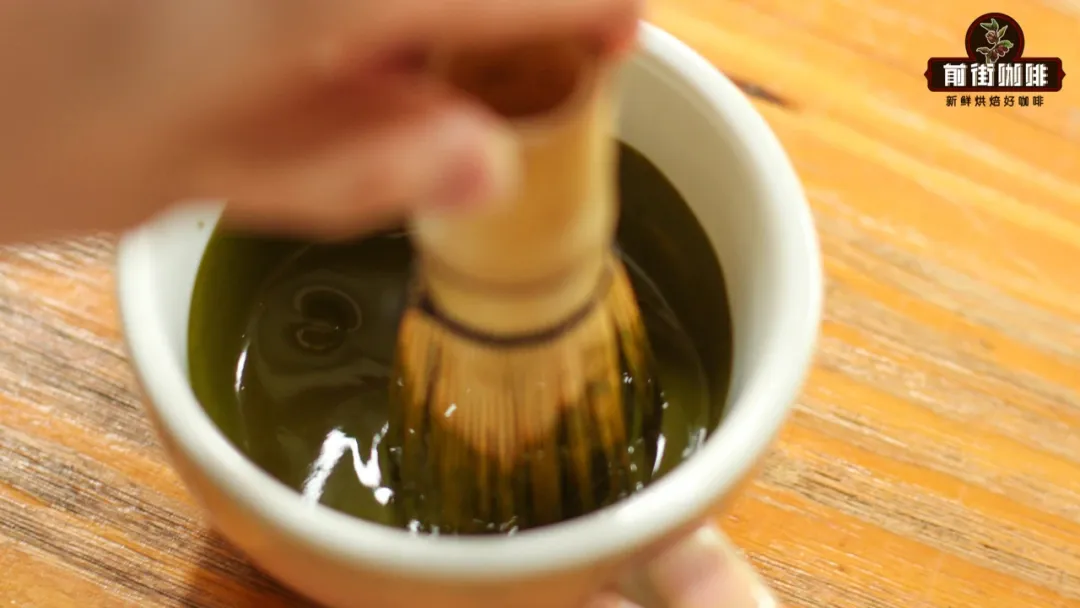
Once extraction is complete, pour the coffee liquid into a wide-rimmed and moderately deep bowl. If you don’t have a specialized matcha bowl, a standard cupping bowl also works well as an alternative. Adjust the amount of coffee poured based on the bowl size—in this case, a smaller cupping bowl was used, so only 80 ml of coffee was poured in. Then, pick up the tea whisk and begin the crucial whisking step.
It’s important to note that when whisking, avoid stirring in circles or clockwise motions. The correct approach is to repeatedly whisk in forward-backward or up-down directions, introducing air into the coffee liquid to form a fine, dense foam. When the foam layer completely covers the surface of the coffee and the whisking motion starts to feel noticeably more resistant, you’ve reached the ideal state. For an even creamier texture, you can extend the whisking time—the foam will become increasingly thick and delicate.
When tasting, start with the coffee before whisking. Due to its higher concentration, the flavor is intense and direct—which might feel a bit overwhelming for those with a milder palate. It’s recommended to evaluate your personal taste preference and consider adding a bit of water if needed. In contrast, the coffee that has been whisked with the tea whisk, while still maintaining its strength, feels significantly smoother upon entry, with a more layered aroma, a fuller body, and the fine foam providing a silky mouthfeel. The overall experience is surprisingly delightful. If you’re not comfortable with manual whisking, an electric milk frother can also be used as an alternative—it saves effort while still producing a satisfying foam effect.
The above content is compiled by CoffeeHunters, a coffee news website.


