







Introduction:Arabica coffee beans, known for their elegant aroma and bright acidity, have become the mainstream choice for both specialty and everyday coffee worldwide. This article explores their historical origins, varietal evolution, and development of disease resistance, while delving into how altitude influences flavor. It also highlights seven popular single-origin everyday beans from the industry, detailing their origin, altitude, processing method, and flavor characteristics to help readers make choices based on taste preferences and budget—making it a practical guide for beginners and those seeking great value beans.
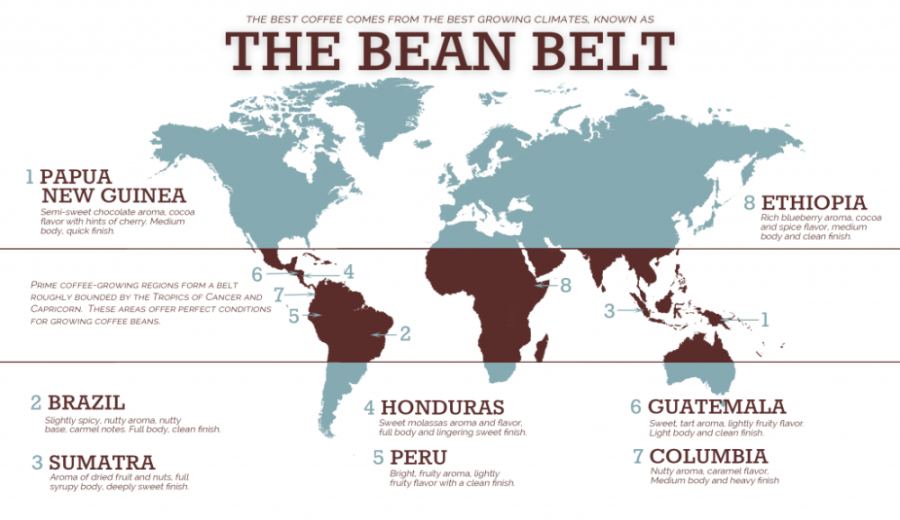
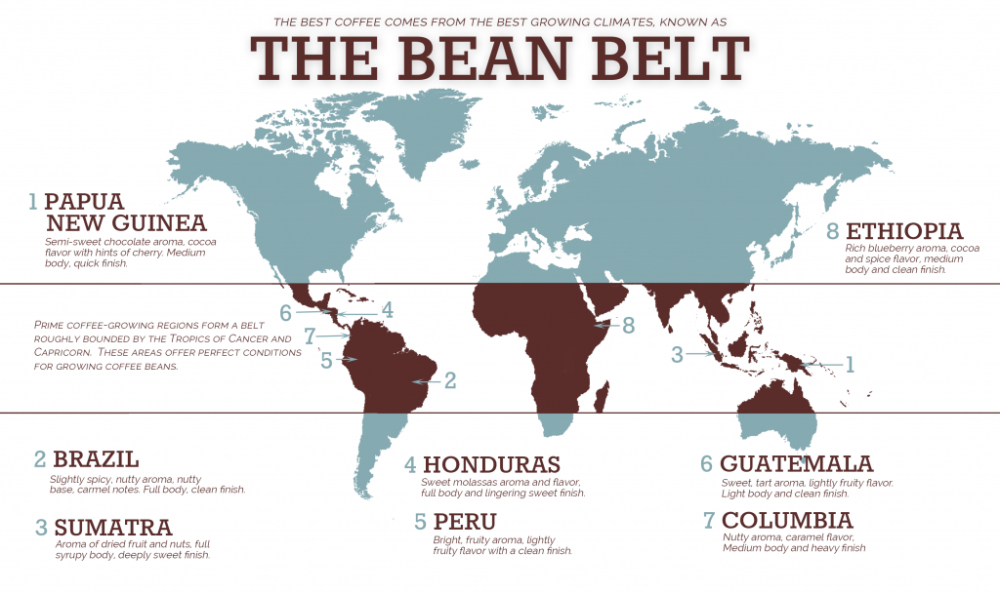
Arabica coffee beans have long held the top position in the coffee world, whether for commercial use or the specialty coffee market. Their delicate aroma and rich acidity always deliver a layered taste experience. These beans are mainly grown in South America (excluding Argentina and parts of Brazil), Central America, East Africa such as Kenya and Ethiopia, and Asian regions including Yunnan, India, Yemen, and Papua New Guinea. Each origin produces unique coffee personalities due to differences in climate, soil, and altitude.
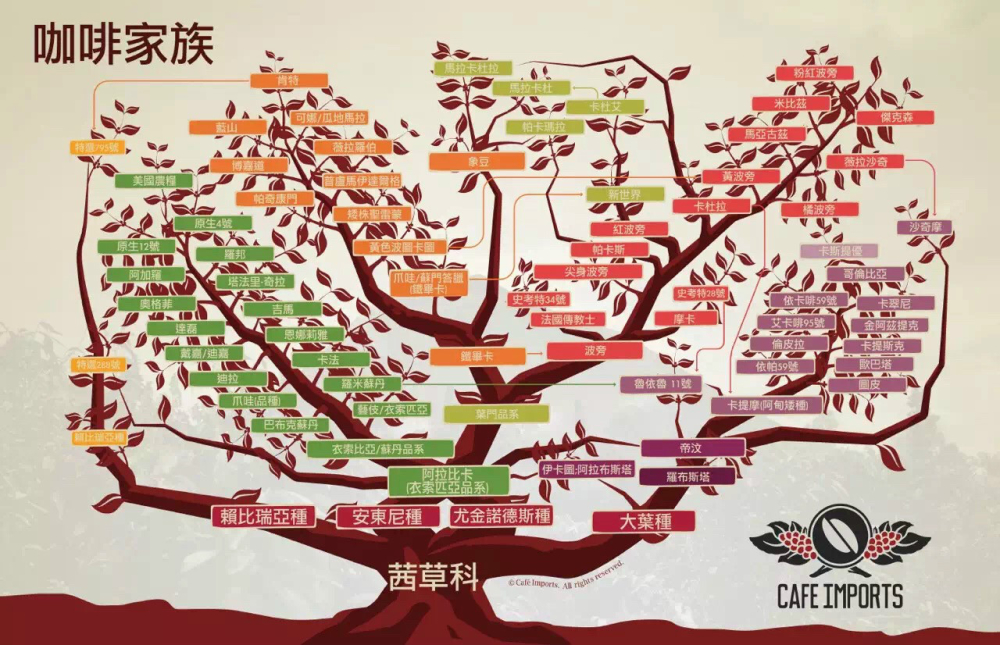
Looking back at history, Arabica was first cultivated by Islamic monks in the Middle East as a medicinal plant used for stimulation and physical and mental regulation. It wasn’t until the 13th century that people gradually developed the method of roasting and brewing, making coffee a true everyday beverage. By the 16th century, it spread to Europe through the Arab world and quickly gained global popularity. In the mid-18th century, Arabica varieties began dispersing worldwide, and most of the cultivars currently in circulation can be traced back to the ancient Typica variety. As plants were introduced to different geographical environments, they gradually adapted to local terroirs and climates, evolving into many distinctive strains.
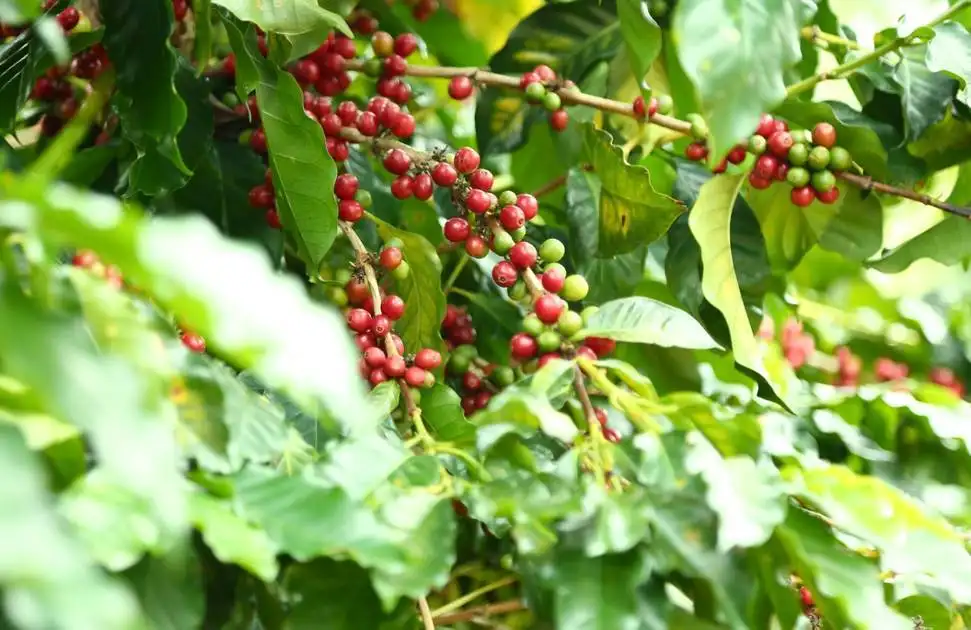
However, the journey of Arabica has not been smooth sailing. The widespread outbreak of coffee leaf rust in the 19th century caused severe death of coffee trees in many regions, dealing a huge blow to the industry. To address this challenge, breeding experts in the mid-20th century began developing new disease- and pest-resistant varieties. Today, the Arabica family boasts over 100 different varieties suitable for various growing environments and consumer needs.
Altitude is one of the key factors influencing the flavor expression of Arabica.Generally speaking, beans grown at high altitudes above 1200 meters often possess more vibrant acidity and complex, layered aromatic profiles.In contrast, beans grown at lower altitudes typically have more muted flavors, lacking depth and vibrancy. Therefore, if you’re seeking a higher-quality Arabica coffee experience, it’s recommended to prioritize products from high-altitude origins.

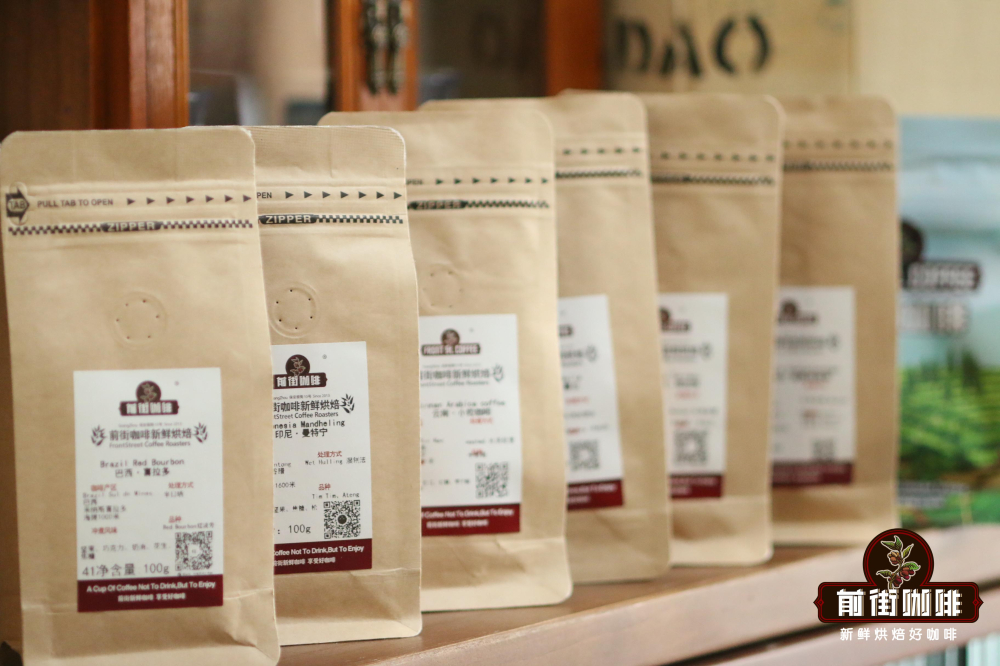
Below are seven everyday-grade Arabica coffee beans carefully selected from popular origins (by Front Street Coffee). Each one comes with a clear origin background, reasonable pricing, and representative flavors, making them ideal for daily drinking or for beginners exploring the world of coffee:
【Washed Yirgacheffe Everyday Bean】
Originating from Ethiopia’s Yirgacheffe region, grown between 1800 and 2000 meters above sea level, using native heirloom varieties and processed via the washed method to highlight clean and bright characteristics. In terms of flavor, it often showcasesjasmine, berries, lemon, and citrusnotes, making it an ideal choice for those who enjoy fruity acidity and floral notes.
【Brazil Cerrado Semi-Washed Everyday Bean】
From Brazil’s Cerrado region, grown at around 1000 meters, with the Red Bourbon variety, using the semi-washed (pulped natural) process. This bean has a richer flavor profile, featuringnuts, chocolate, cream, peanuts, and caramelnotes with a full-bodied texture, suitable for drinkers who prefer low acidity and sweet flavors.
【Colombia Huila Washed Coffee Bean】
Produced in Colombia’s Huila region, at an altitude of 1500 to 1800 meters, using the Caturra variety and washed processing. This coffee exhibits abalanced flavor of nuts, dark chocolate, caramel, and gentle fruit acidity,with a refreshing taste and clear layers, commonly used as a base for blends.
【Indonesian Mandheling Coffee Bean】
From Indonesia’s Sumatra Lintong region, grown between 1100 and 1600 meters, mainly consisting of Typica and Caturra varieties, processed using the wet hulling (Giling Basah) method. Its flavor carriesroasted toast, nuts, caramel, pine, and herbalqualities, making it a classic choice for dark roast enthusiasts.
【Costa Rica Tarrazú Washed Coffee Bean】
Sourced from Costa Rica’s Tarrazú region, grown at 1500 meters, using Caturra and Catuaí varieties with washed processing. The flavor profile is clear, featuringsweet orange, honey, toffee, and nutswith a balanced sweetness and acidity, and a long-lasting aftertaste.
【Guatemala Huehuetenango Coffee Bean】
From Guatemala’s Huehuetenango region, at an altitude of 1500 to 2000 meters, including varieties such as Bourbon, Caturra, and Catuaí, processed via washed methods to present refined flavors. This coffee often exudes a blend ofnuts, lemon peel, berries, and citrusaromas, with bright acidity and structured body.
【Yunnan Baoshan Peaberry Coffee Bean】
Produced in Baoshan, Yunnan, China, at 1200 meters altitude, using the Catimor variety with washed processing. This coffee showcases aunique combination of tropical fruit, melon, brown sugar, plum acidity, and black tea notes,making it one of the few specialty-grade options that reflect Asian terroir characteristics.
The above content is compiled by CoffeeHunters, a coffee news website.


