







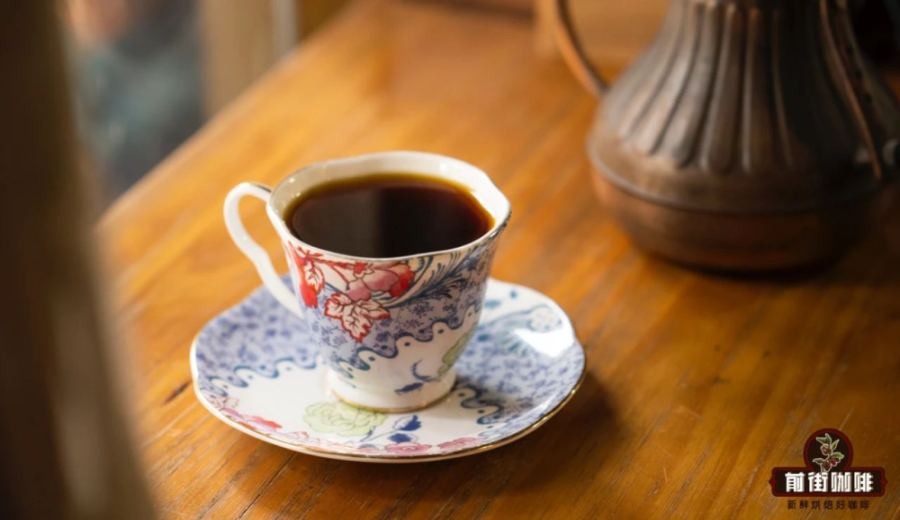
Introduction:Sumatra Mandheling is beloved by coffee enthusiasts for its rich, low-acid flavor profile, which is inseparable from the region's unique wet-hulling processing method. This article delves into the origins of the name "Mandheling," explores the trademark background of PWN's Golden Mandheling, and provides a detailed analysis of its aroma characteristics and optimal brewing parameters to help readers fully appreciate the distinctive charm of this classic Indonesian single-origin coffee.
With its full body, smooth texture, and low acidity, Mandheling coffee has become the top choice for those who prefer a bold flavor. This Indonesian coffee from Sumatra owes its unique taste primarily to the local wet-hulling process. This article begins with the origin of the name "Mandheling," explores in depth the history of PWN and the trademark of Golden Mandheling, and provides an in-depth analysis of its aroma features and best brewing methods, helping coffee lovers gain a more comprehensive understanding of this classic single-origin bean.
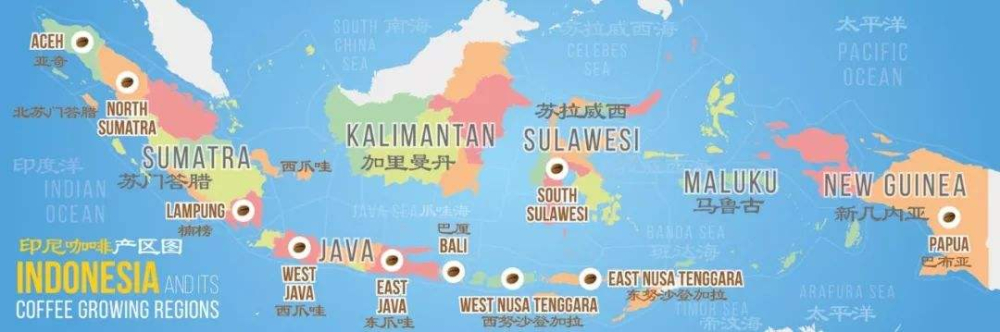
Geographic and Coffee Cultivation Background of Sumatra
Sumatra is the sixth-largest island in the world, characterized by mountainous terrain. The Barisan Mountain Range runs the length of the island, stretching over 3,800 kilometers, with its central peak, Mount Kerinci, reaching an elevation of 3,800 meters and being an active volcano. Arabica coffee in Sumatra is primarily grown in higher-altitude mountainous regions, mostly by smallholder farmers. Compared to Robusta, the other major coffee variety on the island, Arabica cultivation covers a smaller area but enjoys a better reputation for quality.
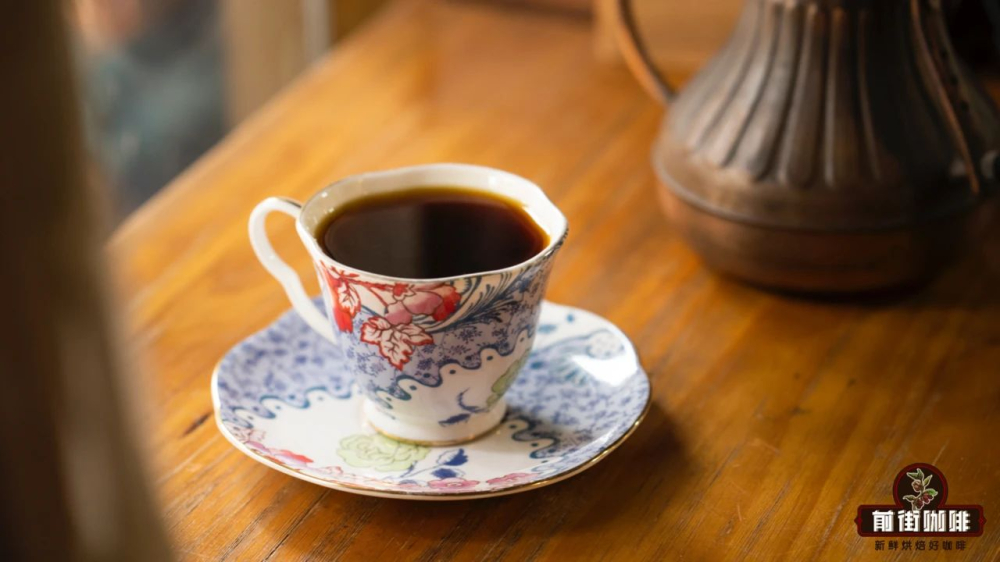
A Brief History of Indonesian Coffee and the Origin of the Name "Mandheling"
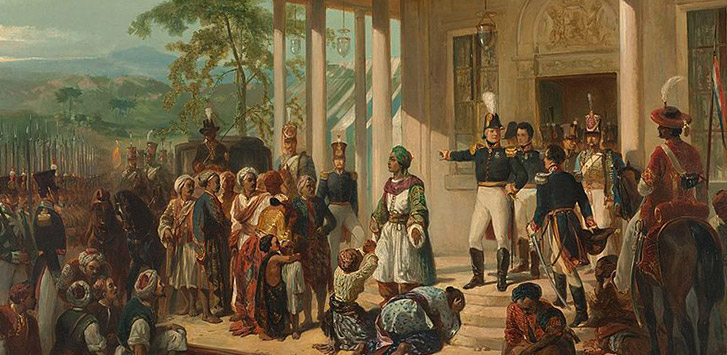
Coffee cultivation in Indonesia dates back to 1696, when the Dutch introduced coffee seedlings from Malabar, India. After successful trial planting in 1699, coffee cultivation gradually expanded to multiple islands, including Sumatra. However, it wasn't until the early 19th century that Sumatran coffee began to be exported on a significant scale. By 1840, export value had exceeded 12 million British pounds, and production peaked in 1860 with 21 million pounds shipped. But the subsequent outbreak of coffee leaf rust disease destroyed a large number of Arabica plants, leading many growing areas to switch to the more disease-resistant Robusta. Today, Sumatra remains Indonesia’s most important coffee-producing region.
"Mandheling" is not actually a place name, but the name of an ethnic group in Indonesia. The popularization of this term has an interesting history: during World War II, Japanese soldiers stationed in Sumatra tasted a rich and bold coffee and were deeply impressed by its flavor. When they asked the shop owner for the name of the coffee, the owner misunderstood and thought they were asking about his hometown, replying "Mandailing." Due to the similarity in Japanese pronunciation, it was misheard as "Mandheling." After the war, the soldier introduced the coffee to Japan through Japanese merchants, making "Mandheling" extremely popular in the Japanese market and eventually gaining global recognition.
Trademark and Quality Certification of Golden Mandheling
The Indonesian trader who first introduced "Mandheling" coffee to the Japanese market is the same well-known company today. Many years ago, this company registered "Golden Mandheling" as a trademark, distinguishing it from the "Dinshang Golden Mandheling" registered in Japan. As a result, only Golden Mandheling produced by this company can be considered authentic. One supplier's Golden Mandheling, for example, comes from this Indonesian company, with strictly controlled green bean quality — fewer than 3 defective beans per 300-gram sample, placing it in the highest-grade G1 category.
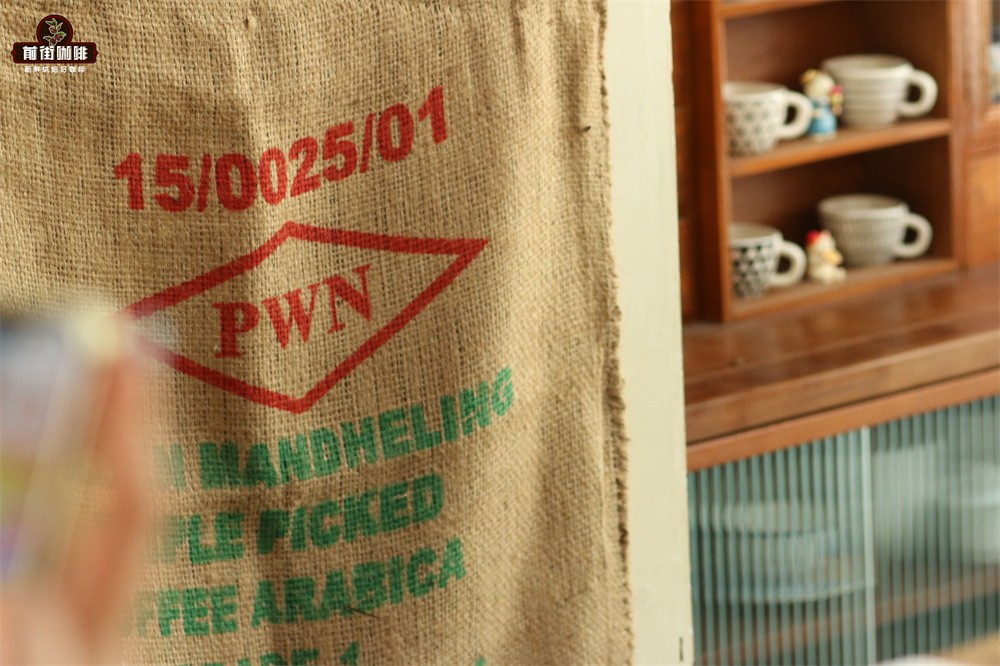
In producing Golden Mandheling, PWN employs a multi-step screening process: first using machines to select larger, denser green beans, followed by three rounds of manual sorting to ensure all defective beans are removed, thereby enhancing the coffee’s purity and sweetness. Consumers can verify authenticity by checking for the PWN company logo on the packaging sack and the accompanying factory certificate.
Characteristics and Impact of Sumatra’s Wet-Hulling Process
Sumatra’s rainy climate, limited sunlight, and local economic constraints make traditional washed processing less feasible, leading to the development of the unique "wet-hulling" method. This process begins by removing the coffee fruit’s skin and pulp, then fermenting the mucilage-covered parchment beans in water tanks before washing off the mucilage with clean water. The beans are then sun-dried to a semi-dry state.
Next, these semi-dry parchment beans are sent to processing stations. To accelerate drying, the stations first remove the beans’ silver skin before sun-drying them, with the overall drying period lasting about 3 to 4 days, reducing moisture content to around 13%. This processing method not only adapts to Sumatra’s climate but also contributes to the unique flavor and aroma of Mandheling coffee.
Roasting and Brewing Recommendations for Golden Mandheling
To fully highlight the bold characteristics of Mandheling coffee, PWN Golden Mandheling is typically medium-dark roasted. For brewing, it is recommended to use lower water temperature and coarser grind size, paired with a slower-flow filter cone, employing a three-pour technique. Specific parameters are as follows: using a KONO filter cone, water temperature around 88°C, 15 grams of coffee, a 1:15 coffee-to-water ratio, and a grind size passing 70% through a #20 sieve. Before brewing, rinse the filter cone with hot water, then add the coffee grounds. The first pour is 30 grams of water for a 30-second bloom, followed by pouring in a circular motion from the center outward until 125 grams, performing the first pour break. After the coffee bed settles, pour up to 225 grams, then wait for the drip to finish.
The brewed PWN Golden Mandheling delivers a rich and layered flavor profile. Upon the first sip, distinct nutty notes are apparent. As the cup cools, herbal and spicy aromas emerge, with a long-lasting caramel-like sweetness in the aftertaste. The overall mouthfeel is smooth and clean, representing a classic expression of Sumatra Mandheling flavors.
The above content is compiled by CoffeeHunters, a coffee news website.


