







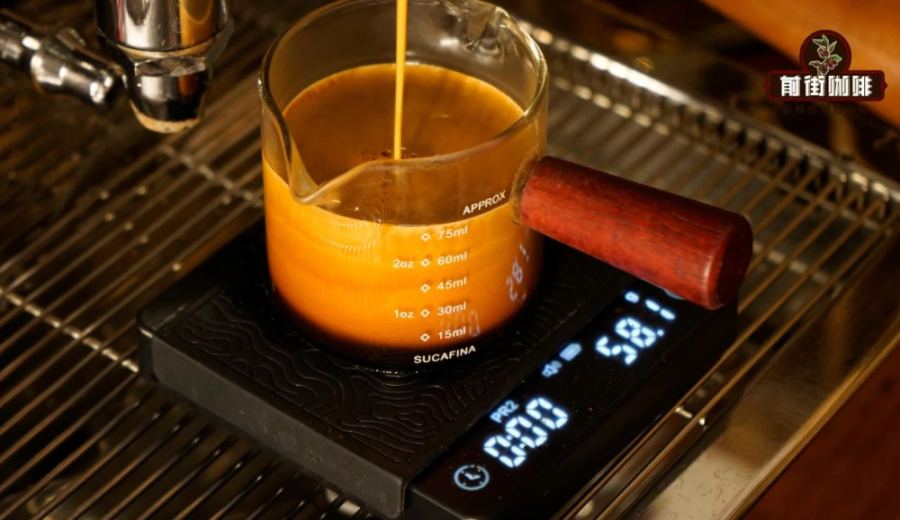
Introduction:Lungo is often an overlooked member of the espresso family. Though it shares the same origins as espresso and ristretto, its longer extraction time and greater volume result in a distinctly different flavor profile. This article delves into the extraction logic of lungo, compares it with other espresso-based drinks, explores its historical background, and shares practical extraction experiences and tasting suggestions to help you rediscover this "extended" version of espresso.
In the world of espresso, lungo is a unique presence. Like espresso and ristretto, it is directly extracted using an espresso machine, but it has a significantly larger volume and a very different flavor direction. This article will guide you through the definition and characteristics of lungo from the perspectives of extraction parameters, brew ratio, and concentration, and compare it with ristretto and espresso. Additionally, we’ll revisit the social context of Italy in the 1950s to explain why this "double-volume" coffee came into being and its practical value at the time.
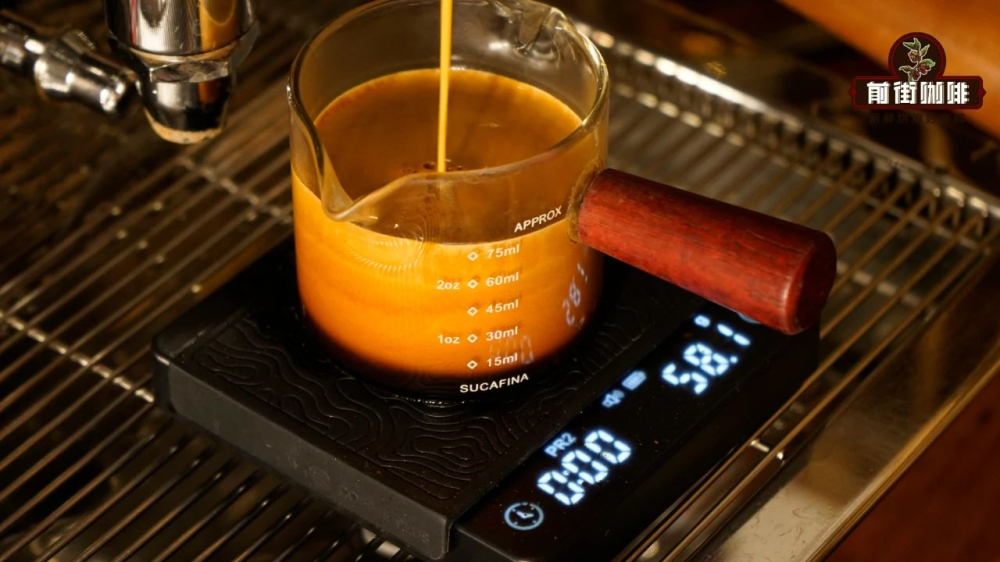
Within the espresso lineage, lungo holds a distinctive position and could even be described as a "variation" within the espresso family. Like espresso and ristretto, lungo is a orthodox product directly extracted by an espresso machine, but by modern taste preferences, it might seem a bit "out of step." So, what exactly is lungo? Simply put, it is a cup of coffee that is larger than espresso, achieved by extending the extraction time and increasing the total extracted liquid volume.
If we explain it in technical extraction terms, lungo, ristretto, and espresso use the same amount of coffee grounds, grind size, and tamp pressure. The only difference lies in the flow rate and extraction time, which in turn affect the brew ratio and final concentration. For example, extracting 30 milliliters of coffee with 7–9 grams of coffee grounds results in a standard espresso, with a brew ratio of approximately 1:2 to 1:3—within the ideal range for golden cup extraction. Ristretto, on the other hand, is the "restricted flow" version, with a smaller liquid volume, usually only 15–20 milliliters, resulting in higher concentration, more intense flavors, but shorter aftertaste. It’s commonly used as the base for milk coffees like flat white.
In contrast, lungo is the result of "extended extraction," where the extraction time is lengthened, and the liquid volume increases to about 100–120 milliliters, with a brew ratio expanded to 1:4 or even 1:5. As a result, although the overall concentration is lower and it tastes less intense, the higher extraction yield may lead to over-extraction, producing undesirable burnt or bitter notes.
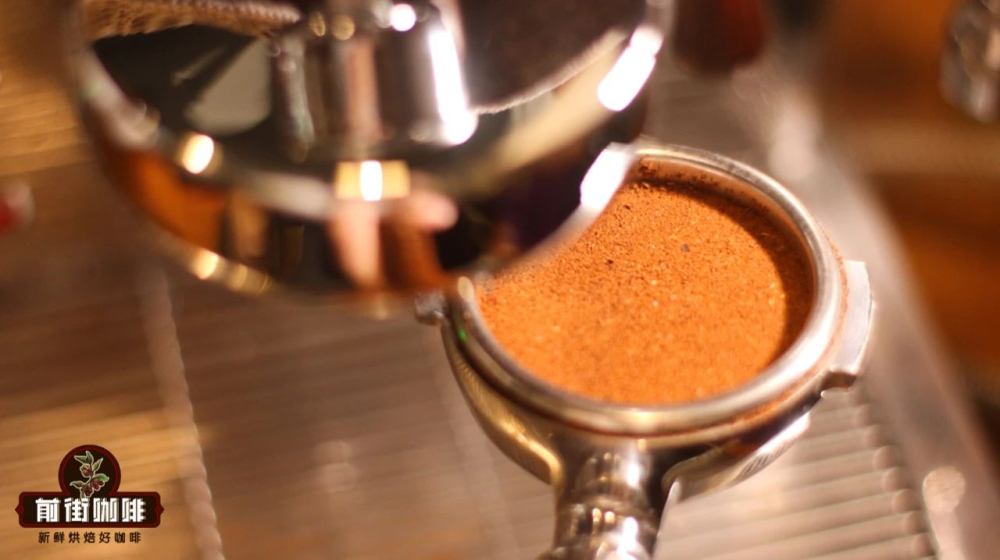
So, what does lungo actually taste like? We conducted a practical test: using 20 grams of coffee grounds to extract about 100 grams of coffee liquid, with a total extraction time of around 62 seconds. Interestingly, after about 35 seconds of extraction, the outflow became noticeably thinner, approaching the texture of water. Overall, the concentration of this lungo was somewhat acceptable, with significantly less intensity than espresso, and a smoother, more mellow flavor. However, the aftertaste often exhibited noticeable burnt bitterness that lingered, negatively affecting the overall drinking experience.
From today’s perspective, lungo may not be the first choice for most people, but if we turn back the clock to 1950s Italy, you’ll understand its practical significance at the time. Back then, an espresso machine capable of stably operating at 9 bar pressure didn’t appear until 1938, and the related technology patents were only obtained by Faema in 1948. As a result, it wasn’t until the 1950s that espresso gradually became popular, evolving into an everyday drink affordable for the average working-class person.
In those days, a standard espresso was typically only 30 milliliters—just a couple of sips—and many found it unsatisfying, yet they didn’t want to spend more money on an additional cup. Thus, the "extended extraction time, increased volume" approach of lungo became the most economical and practical choice—you spent the same amount of money but got a larger cup of coffee. You might wonder, wouldn’t that make it too bitter? In fact, in the dietary culture of the time, bitterness equated to the intensity of coffee flavor; the more bitter, the more flavorful. Therefore, the taste of lungo actually met public expectations.
Also, you might ask, why not just add water to espresso? In Italy at the time, this practice was seen as cutting corners, much like someone today adding water to a pour over coffee on the spot and calling it a “bypass.” It was easily regarded as sacrificing quality just to make the coffee easier to drink. For Italians, coffee culture was something to be fiercely proud of—they would rather accept a stronger-tasting lungo than compromise with what was considered the “coffee-culturally impoverished” American approach at the time.
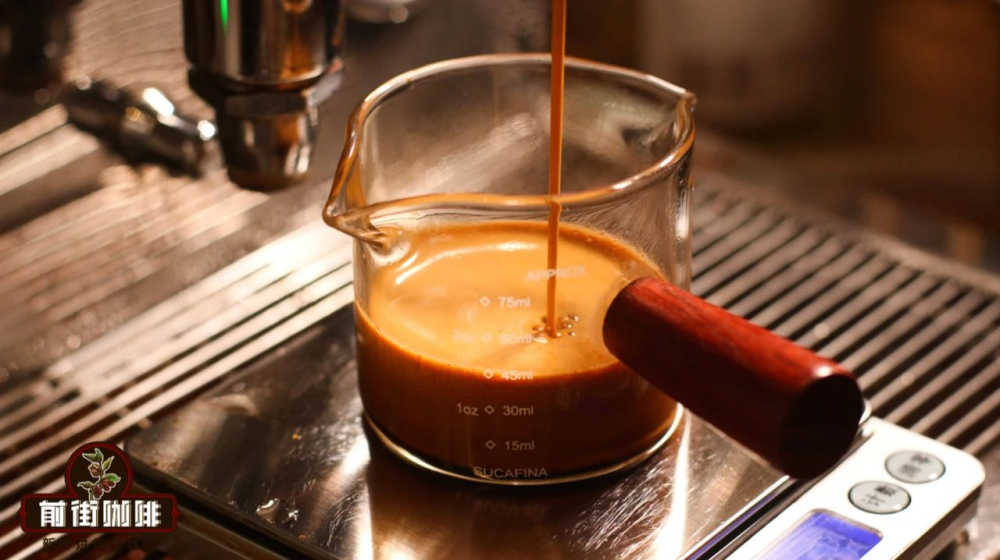
Today, with the rise of the third wave coffee movement, flavor has become the primary criterion for evaluating coffee, and traditional drinks like lungo may no longer be as popular. But undeniably, it still offers an interesting angle for thought: the application of espresso machines should not be limited to traditional espresso. If you’re willing to experiment with adjusting grind size and moderately increasing the brew ratio, you might uncover different flavor potentials in lungo and find your own balance point.
The above content is compiled by CoffeeHunters, a coffee news website.


