







Introduction:Although both cold drip coffee and cold pour over belong to the category of cold brew coffee, they differ greatly in brewing principles, extraction time, and flavor profiles. This article delves into the production process, recommended beans, drip rate, and refrigerated aging details of cold drip coffee, while also comparing it with the parameter settings and brewing techniques of cold pour over. It helps you understand the differences between the two, choose the ice coffee that best suits your taste, and adjust your extraction strategy according to actual needs.
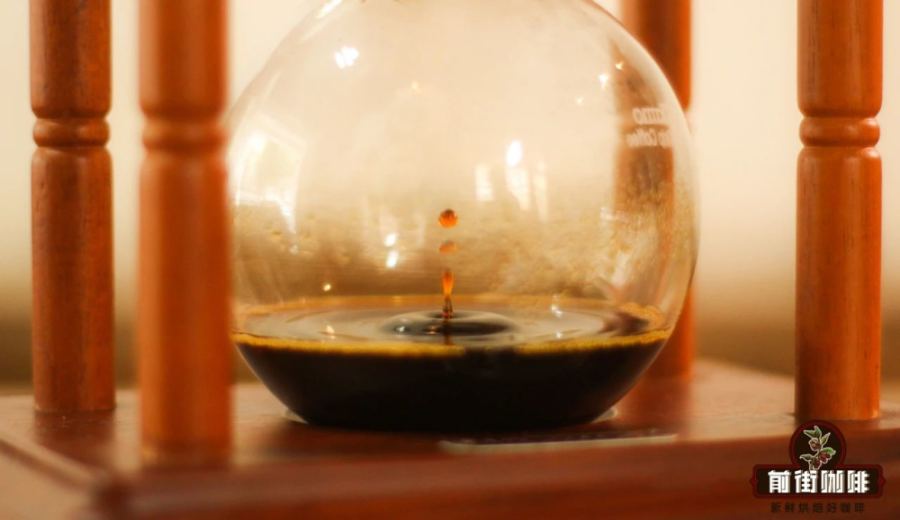
In specialty coffee shops, cold drip coffee is often a limited offering, primarily because its full extraction takes at least eight hours or more. This low-temperature extraction method, originating from Europe and said to have been pioneered by the Dutch, is also known as “DUTCH COFFEE.” Its most distinctive feature is the slow percolation of water droplets through a bed of coffee grounds, which then drip drop by drop into a container below. This entire process is fundamentally different from simply pouring ice into hot coffee. The latter merely cools down hot-brewed coffee, whereas cold drip extracts flavor compounds slowly at a low temperature throughout, resulting in a cleaner and more nuanced flavor profile.
How is cold drip coffee made?Basic tools include a dedicated cold drip brewer, room-temperature filtered water, ice cubes, round filter paper suitable for use, your chosen coffee beans, a grinder, and a clean, airtight container. The recommended powder-to-water-to-ice ratio is 1:6:6. For example, when using 50 grams of coffee beans, pair it with 300 grams of water and 300 grams of ice to achieve an ideal extraction balance. When brewing, first grind the coffee beans to a coarseness suitable for cold drip—typically close to the standard for cold pour over. For instance, using an EK43s grinder, you can refer to a setting of 9.
Next, place a layer of round filter paper in the powder bowl of the cold drip brewer and wet it with room-temperature water. This helps with pre-wetting and stabilizing the coffee bed. After adding the coffee grounds, gently tap them to distribute evenly, then cover with a second layer of filter paper and once again evenly wet the entire coffee bed with room-temperature water. This step ensures that all the coffee grounds are fully in contact with the water. It not only helps shorten the waiting time for the drip to begin but also improves overall extraction uniformity.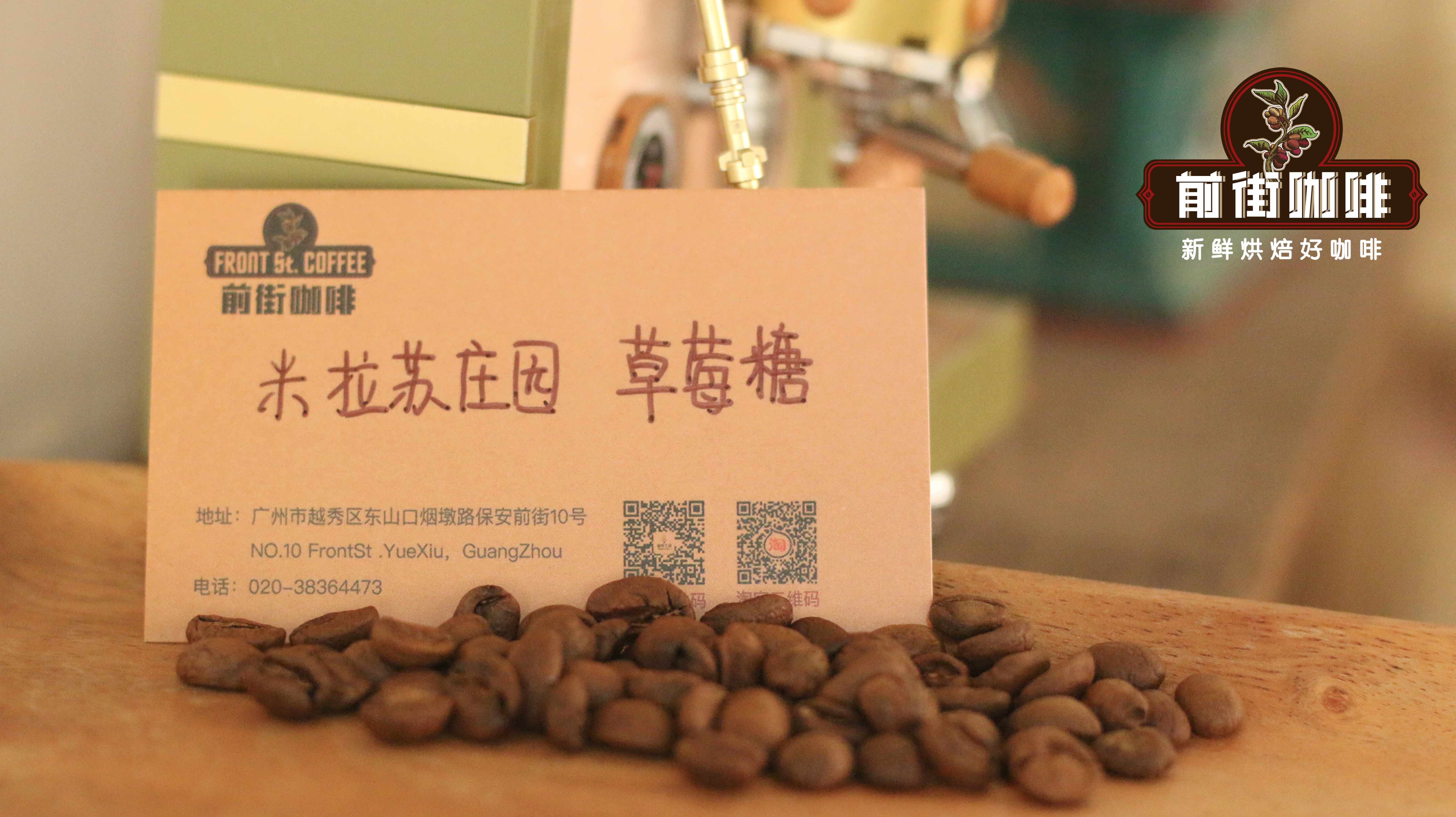
Once the preparatory steps are complete, you can adjust the drip rate valve. It is recommended to set it to approximately 7 drops per 10 seconds, then wait for the dripping process to finish. This process may take several hours, during which it is advisable to occasionally check whether the drip rate remains stable. Avoid significant fluctuations in drip speed, as this could affect the consistency of the overall extraction. After the dripping is complete, the resulting coffee liquid is not recommended for immediate consumption. Instead, pour it into a clean, well-sealed container and place it in the refrigerator to chill for at least one night. This step is often referred to as “aging,” which essentially involves a slow, controlled secondary fermentation under low-temperature conditions, helping flavors to further meld and develop.
It is worth noting that although home refrigerators may seem clean, they still harbor many invisible microorganisms. If a highly airtight container is not used, there is a potential risk of contamination. In addition, low-temperature refrigeration not only suppresses the growth of undesirable microbes, but also allows various compounds in the coffee to react slowly in a stable environment, further enhancing flavor complexity. However, even after aging,it is recommended to consume the cold drip coffee within five days of preparationto ensure optimal flavor and food safety.
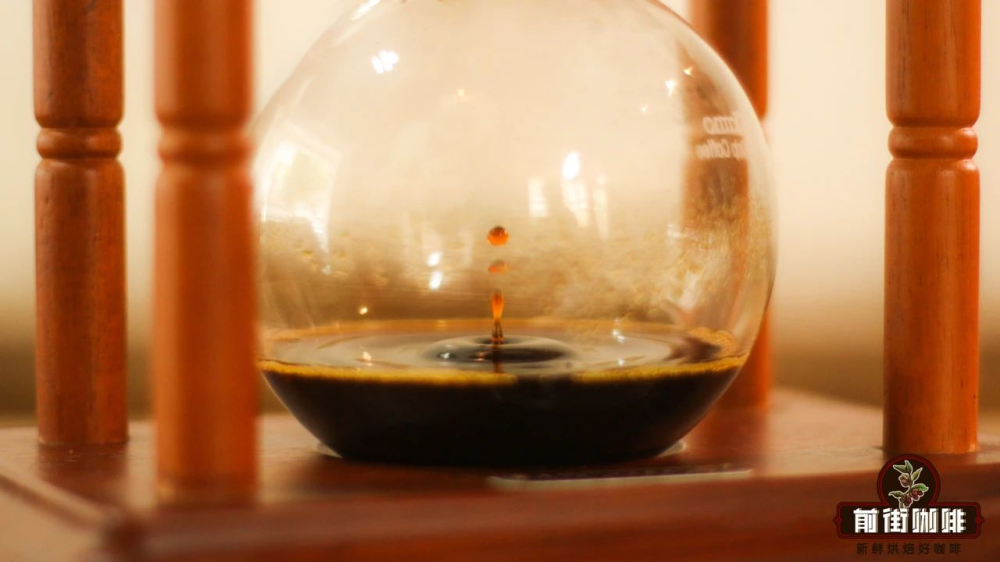
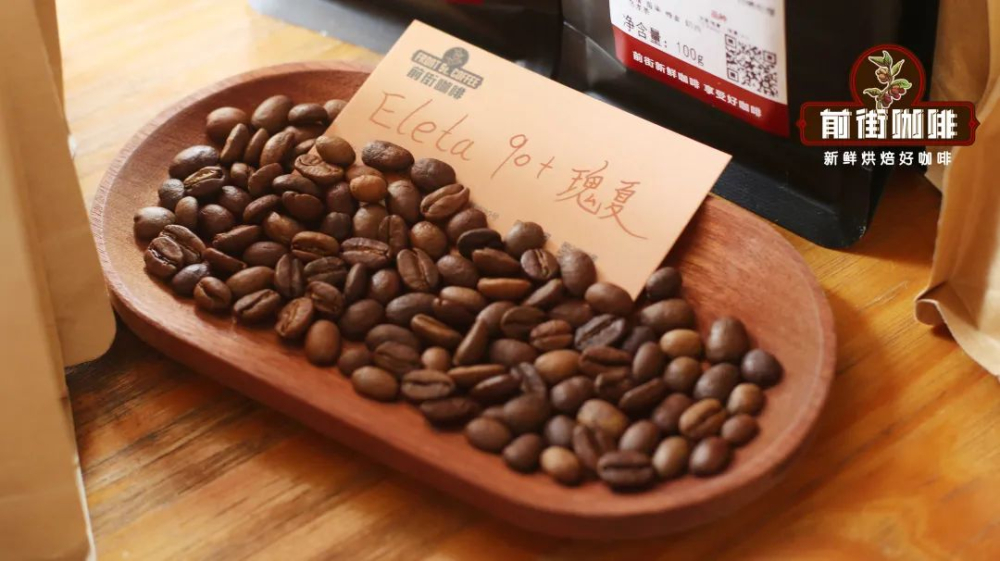
How should you select coffee beans for cold drip?Typically, beans with bright floral aromas or pronounced fruity notes are recommended. For those who prefer softer floral profiles, options such as strawberry candy, Kagoshima Red Honey (also known as "花魁"), or Butterfly Pea (also called "花蝴蝶") are good considerations. If you favor rich, fruity notes or even beans with fermentative characteristics, then choices such as Mozart, Sidamo, or 90+ Estate Eleta may be suitable. Different bean varieties will directly influence the final flavor direction, so it’s advisable to make appropriate selections based on personal preference.
Aside from cold drip, another common method of making iced coffee is cold pour over. Although cold pour over is also a cold beverage, it uses hot water for immediate extraction, followed by cooling with ice cubes. Therefore, it differs significantly from cold drip in terms of flavor expression and ease of operation. Taking the medium-light roasted Kafa Forest coffee beans as an example, the recommended high-concentration, high-extraction cold pour over parameters are as follows: 15 grams of coffee, using 10 times the amount of hot water (150 grams, water temperature around 92°C), along with 5 times the amount of ice (75 grams). The grind size is recommended to have an 83% passing rate through a #20 sieve, which on an EK43s is about a 9 setting, or a 22 setting on a C40 grinder.
During actual operation, start by placing 75 grams of ice cubes in the lower vessel. Then, put the ground coffee into a Hario V60 filter cone and gently tap it to level. Use a three-stage pouring technique: the first stage involves pouring 30 grams of hot water at a small flow rate of about 3 milliliters per second, circling from the center outward, followed by a 30-second bloom; the second stage uses the same technique to pour 60 grams of water, being mindful to control the liquid level height to avoid it being too high, which could lead to under-extraction; finally, when the coffee bed is about to dry out, pour the remaining 60 grams of hot water. The overall extraction time is recommended to be controlled between 1 minute 50 seconds and 2 minutes. This technique can fully highlight the lemon and blueberry-like fruitiness of Kafa Forest, while also showcasing a nutty, melon seed-like sweetness. The mouthfeel is refreshing with a balanced acidity and sweetness.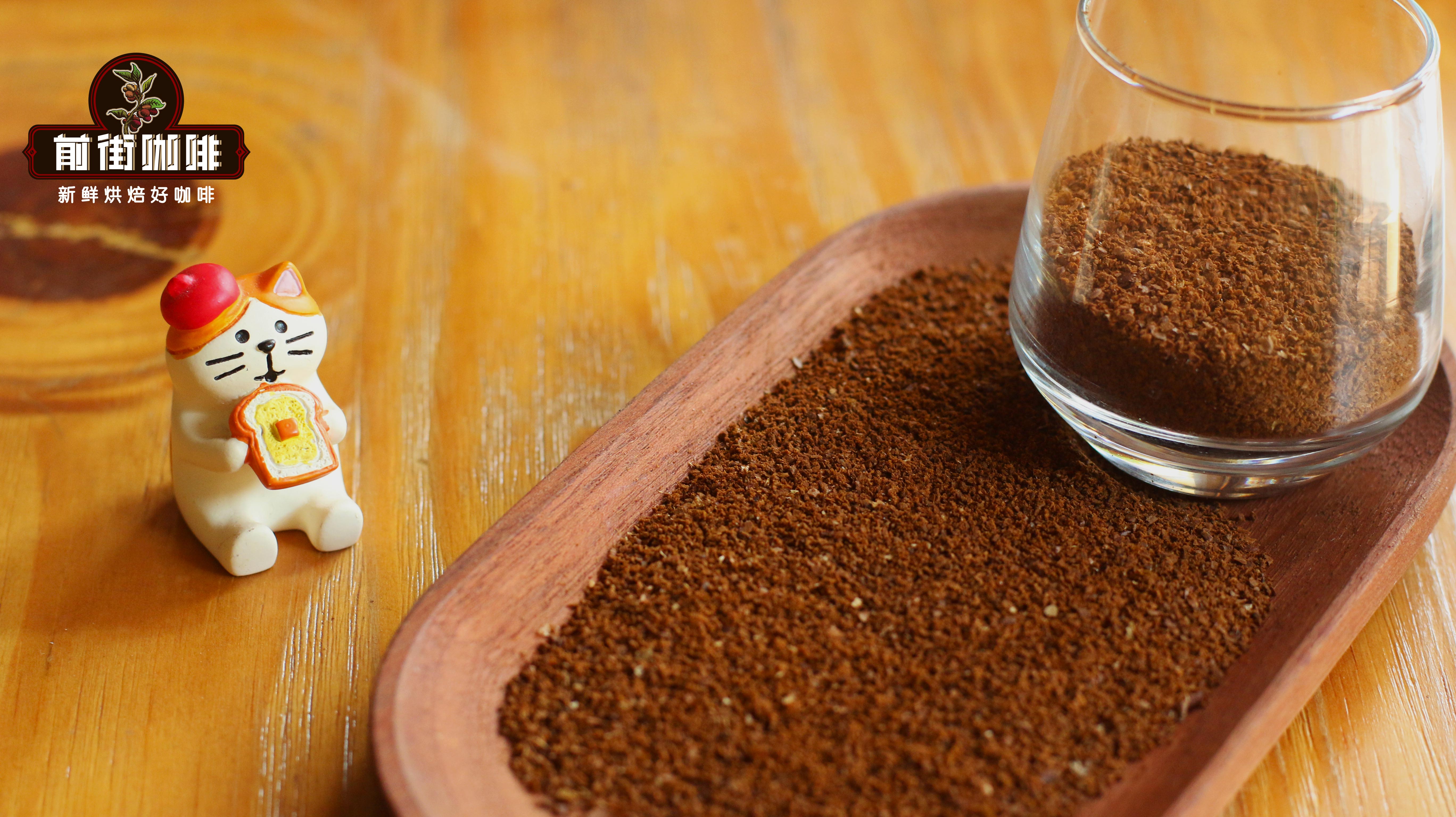
However, since there may be some remaining small ice pieces in the lower vessel after cold pour over is completed, if you do not want the coffee to become further diluted, it is recommended to enjoy it before the ice fully melts, or to remove the ice beforehand. By appropriately adjusting the above parameters, you can not only achieve an ideal extraction yield but also fine-tune the flavor profile according to personal taste, allowing each cup of iced coffee to present its own unique layers of flavor.
The above content is compiled by CoffeeHunters, a coffee news website.


