







Introduction:Kenyan coffee is renowned for its bright acidity and complex layers, but what lies behind this distinctive flavor? How do altitude, variety, processing methods, and soil conditions come together to create an unforgettable pour over experience? This article starts with the natural environment of the Thika region, diving deep into the characteristics of the SL28 and SL34 varieties, the 72-hour washed process, and offering practical V60 pour over parameters to help you master brewing essentials and avoid common issues like over-acidity or bitterness.
Kenyan coffee holds a prominent place in the global specialty coffee market for its rich, smooth mouthfeel and vibrant, lively acidity. Yet many wonder: where does this impressive acidity come from? Does higher altitude always mean stronger acidity? Taking a Kenyan coffee from the Thika region as an example, we’ll comprehensively break down the key elements that shape its flavor profile—from geographical environment and variety traits to processing techniques—and share practical pour over tips so you can brew Kenyan coffee at home that rivals the quality of specialty shops.
Kenya’s coffee-growing regions are primarily located in high-altitude plateaus and hilly areas, especially those surrounding Mount Kenya. These regions not only benefit from ideal altitudes but also boast fertile volcanic soils that provide excellent growing conditions for coffee trees. Among the many regions, the Thika region stands out as one of the representative areas for producing high-quality Kenyan coffee, thanks to its moderate altitude (approximately 1550–1750 meters) and unique microclimate.
Altitude is one of the key factors influencing coffee flavor.Generally speaking, the higher the altitude, the lower the temperature, and the slower the ripening process of coffee cherries.This slow growth allows coffee beans to accumulate richer flavor compounds and sugars, while increasing bean density, resulting in a final cup that is more intense and layered. Additionally, high-altitude areas usually have good drainage, which helps reduce excess water accumulation, further concentrating flavors and lowering the incidence of diseases such as common leaf rust.
Beyond altitude, soil is another crucial element in shaping coffee flavor. Many of Kenya’s premium coffee farms are situated in volcanic zones, where the soil is rich in essential minerals for coffee plant growth, such as phosphorus, potassium, boron, iron, and zinc. Volcanic soil is not only nutrient-rich but also has a loose, airy texture that aids drainage, preventing root diseases caused by waterlogging. Furthermore, volcanic terrain often comes with variable microclimates—such as significant day-night temperature differences—which also contribute to the development of more complex flavor profiles in coffee cherries.
The choice of variety also plays a decisive role in the final expression of the coffee. The most famous Kenyan varieties are undoubtedly SL28 and SL34, both developed in the 1930s by the Scott Laboratories (abbreviated as SL), hence their names. SL28 features tall tree stature and dark green leaf tips, with strong drought resistance but is somewhat susceptible to leaf rust and nematodes. Its cup profile is consistently outstanding, with bright acidity and unique notes of black plum and berries. In contrast, SL34 has dark bronze-colored leaf tips, requires slightly more nutrients, but also exhibits solid structure and rich layered flavors. Together, these two varieties account for over 80% of Kenya’s exported coffee and form the foundation of the country’s coffee flavor.
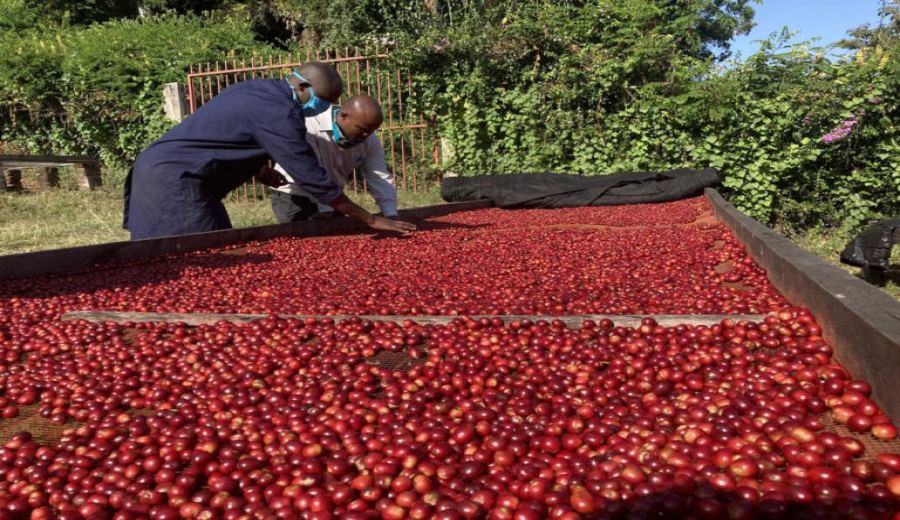
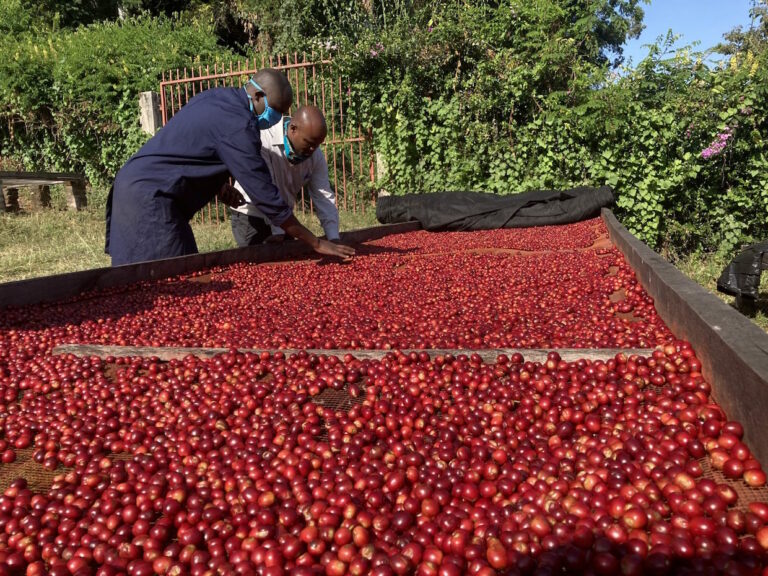
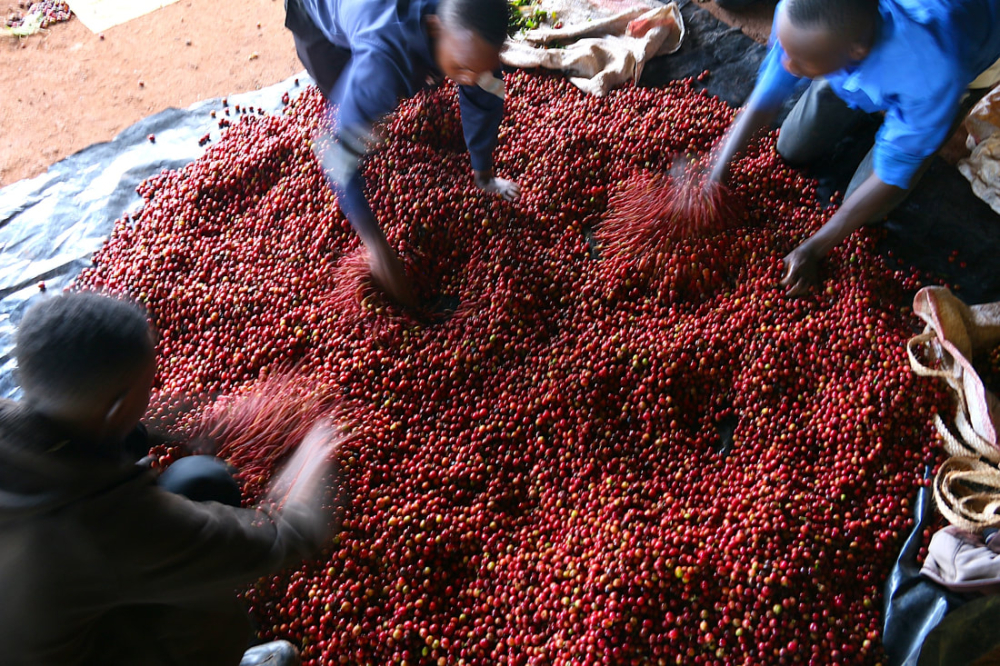
Processing methods are also key to defining the flavor profile of Kenyan coffee. Take the common 72-hour washed process as an example: this technique involves meticulous fermentation and soaking steps that effectively remove the mucilage layer while preserving the natural sugars and acidity from the pulp. This method enhances the coffee’s clarity and bright acidity, and imparts unique fruity and sweet notes. As a result, many Kenyan coffees showcase distinct flavors like cherry tomato, citrus, and blackcurrant, coupled with good body and a lingering finish.
However, many coffee enthusiasts often encounter issues of over-acidity or bitterness when brewing at home, failing to reproduce the balanced flavors experienced in shops. This is often related to grind size, water temperature, coffee-to-water ratio, and brewing technique. Below is a set of practical V60 pour over reference parameters to help you more consistently extract the essence of Kenyan coffee:
Use a V60 dripper with a grind size of around 80% passing through a Chinese No. 20 standard sieve (approximately equivalent to medium-fine grind). Recommended coffee-to-water ratio is 1:15—for example, 15 grams of coffee to 225 grams of water. Control the water temperature atabout 91°C. Start with a 30-second bloom using 30 grams of water to activate the aroma of the coffee grounds. Then pour water in small circular motions; when the total water volume reaches 125 grams, perform the first pour break. Once the water level drops slightly, continue pouring until you reach 225 grams to complete the extraction. Keep the total brewing time aroundabout 2 minutes, adjusting the pour rate and rhythm slightly according to your personal taste preferences.
In summary, the reason Kenyan coffee can present such unique and captivating acidic and aromatic flavors is the combined effect of altitude, volcanic soil, varietal genetics, and refined processing techniques. Understanding the origins of these flavors not only helps you appreciate the nuances of a cup of Kenyan coffee more deeply, but also guides you in making more precise adjustments at home, allowing you to enjoy a truly personalized coffee experience.
The above content is compiled by CoffeeHunters, a coffee news website.


