







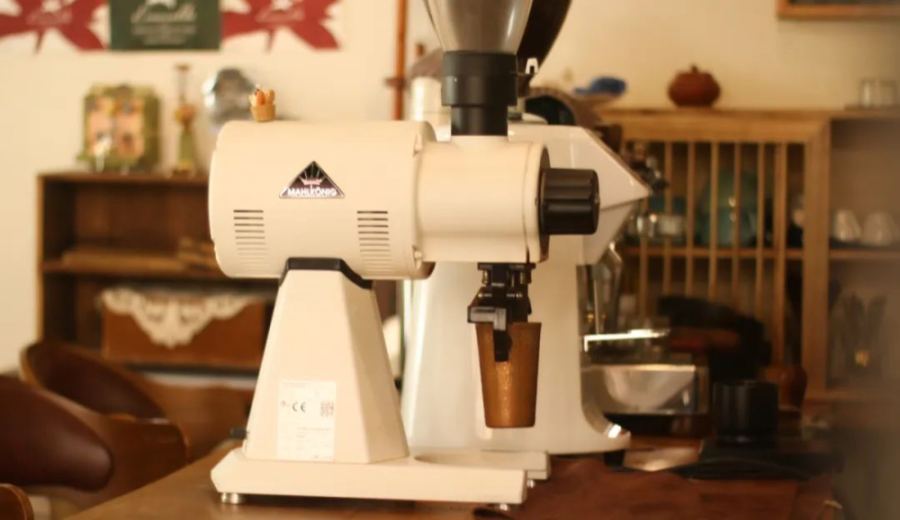
Introduction:Choosing a suitable electric grinder is one of the keys to achieving stable extraction when brewing pour over coffee. Many coffee enthusiasts hesitate between hand grinders and electric ones. This article delves into the advantages of electric grinders, the correct usage sequence, as well as practical methods for daily and regular cleaning — helping you extend the machine’s lifespan and brew better coffee with more consistent flavor.
Among the many coffee tools, the grinder can be considered one of the core factors influencing the flavor performance of pour over coffee. Faced with the various models available on the market, many novice coffee drinkers often waver between “hand grind” and “electric grind.” Although hand grinders offer the joy of manual operation, excessive fine particles and laborious effort often lead people to switch to electric grinders (commonly referred to as electric grinders). Electric grinders are not only more effortless but also provide a more stable and consistent grind size, making them an ideal long-term choice for pour over lovers who pursue extraction quality.
However, there are many easily overlooked details when it comes to using and maintaining an electric grinder. For instance, many people have the habit of pouring coffee beans into the hopper first, then starting the grinder. Little do they know, this method may accelerate burr wear and can even cause jamming or abnormal shutdowns — especially noticeable in home models with lower power.
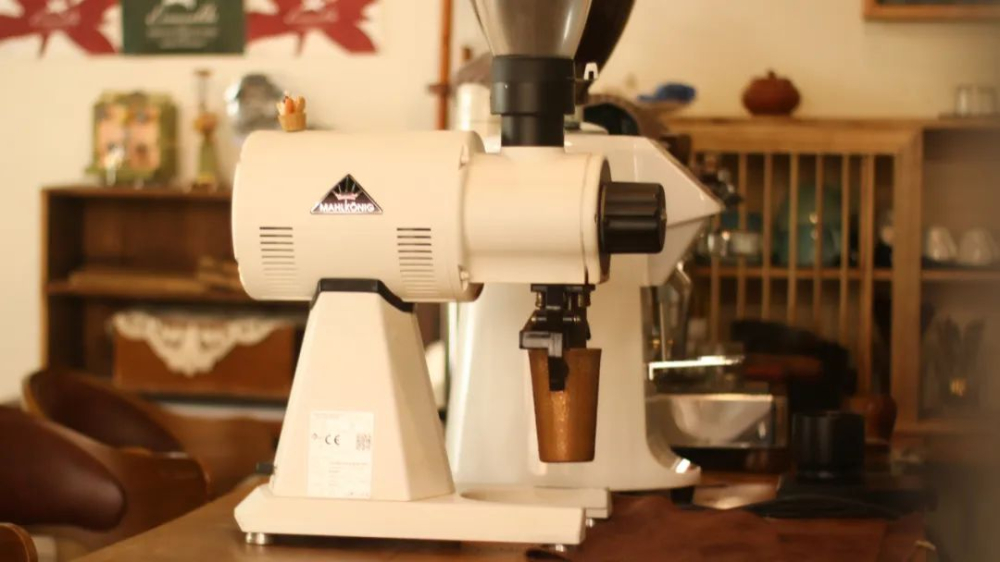
Why should you “turn on the grinder first, then add beans”? This actually relates to the startup characteristics of the burrs. All electric grinders take approximately 0.5 to 1 secondto go from a standstill to reach a stable rotation speed upon startup. If coffee beans are added before the burrs have fully started spinning, the beans can easily get stuck in the burr gap, increasing the startup load. Over time, this leads to abnormal wear of the burrs. Especially when grinding harder bean varieties, such operations may result in unusual noises, stuttering, or even failure to start the machine.
Therefore, it is recommended that when using an electric grinder, you press the power button first to allow the burrs to reach a stable rotating state, and only then pour in the coffee beans. This not only protects the burrs but also ensures that each grind yields a more uniform particle size, thereby improving the overall performance of your pour over coffee.
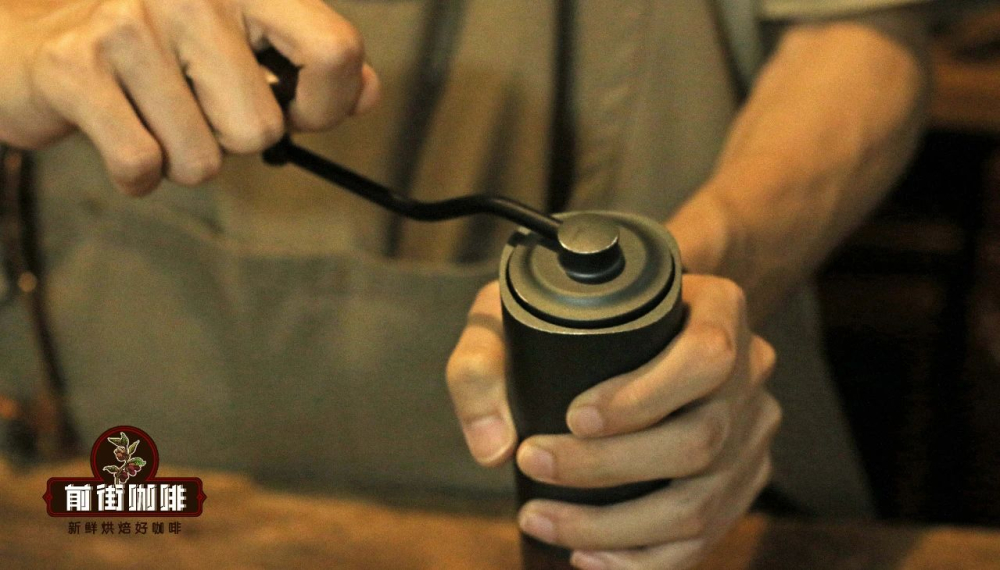
In addition to the correct usage sequence, the cleaning and maintenance of an electric grinder are equally crucial. Residual coffee grounds not only affect the flavor of subsequent grinds but may also accelerate the aging of machine parts. Cleaning the grinder can be divided into “daily maintenance” and “periodic deep cleaning,” and combining both is essential for effectively extending the machine’s service life.
For daily cleaning, it is recommended to do so after each use. You can use an air blower (such as a rubber ear bulb or a professional air blow tool) to gently blow into the bean inlet and grounds outlet of the grinder, blowing out the coffee grounds trapped in the corners. This step helps reduce powder residue buildup, especially in hard-to-clean dead spots, where the effect is particularly noticeable. It is important to ensure that the grinder is powered off or has stopped running before performing air blowing, to guarantee operational safety.
As for periodic deep cleaning, it is recommended to perform it once every one to two months , adjusting according to usage frequency. Air blowing cannot remove the oils and sticky residual coffee grounds that adhere to the burrs. Over time, these substances accumulate and can affect grinding efficiency and flavor purity. In this case, you can disassemble the grinder (please follow the product manual or consult the manufacturer for guidance), carefully remove the burrs, quickly rinse them with water, then immediately dry them. Next, clean other parts of the grinding chamber with a dry cloth, and finally reassemble the grinder.
If you find it troublesome to disassemble the grinder yourself, you can also opt for commercially available “grinder cleaning tablets.” These tablets are used similarly to coffee beans — simply place them in the bean hopper and grind as usual. They effectively remove residues inside the burrs and channels. This method is simple, requires no disassembly, and is perfect for routine maintenance.

In summary, choosing a suitable electric grinder is the foundation for stable extraction in pour over coffee, while correct usage habits and regular maintenance are key to maintaining flavor consistency. Mastering the principle of “turning on the grinder before adding beans,” along with daily air blowing and periodic deep cleaning, not only extends the life of your grinder but also allows every cup of pour over coffee to showcase its optimal flavor potential.
The above content is compiled by CoffeeHunters, a coffee news website.


