







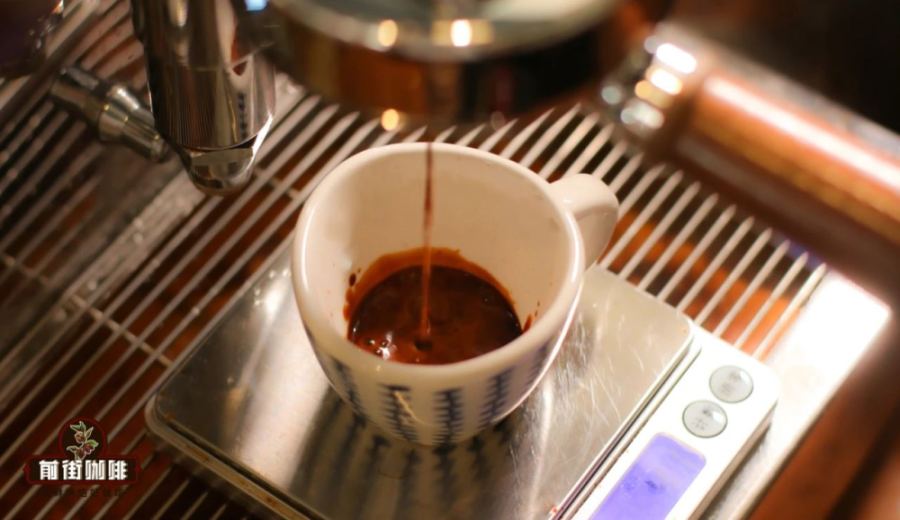
Introduction:Although both espresso and Americano belong to the Italian coffee extraction system, they differ significantly in flavor, concentration, and suitable scenarios. This article delves into the drinking methods and pairing suggestions for both, and compares the flavor characteristics of Italian blend beans and single-origin espresso (SOE), helping readers understand the sources of bitterness, extraction essentials, and how to choose the right bean variety and roast level based on personal preference.
Although both espresso and Americano are representative of Italian coffee extraction, their drinking experiences are vastly different. Espresso is extracted under high pressure to draw out the essence of coffee grounds. In just about 30ml, it concentrates rich aroma and intense flavor, often intimidating newcomers with its strong bitterness. However, this concentrated essence is not only the base for many milk-based coffees but also contains multi-layered flavors worth exploring in depth.
Many people’s first encounter with espresso is choosing the cheapest option at a café. When it arrives, they find the portion tiny yet not cheap, and a single sip shocks them with its intense bitterness. In fact, this kind of “bitterness” is somewhat similar to what Cantonese people are familiar with in bitter tea — though acceptance varies from person to person, those who understand it can discern unique coffee aromas and layers within.
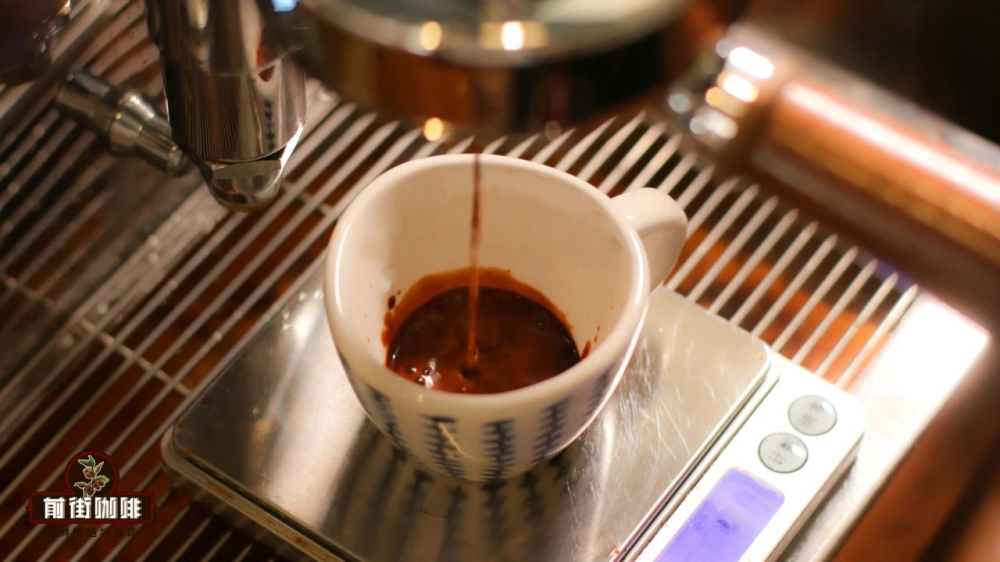
The essence of espresso lies in the coffee essence released through high-pressure extraction, filling just 30ml of liquid with richness and fragrance — an experience difficult to replicate with other brewing methods. Using classic Italian blend beans, such as common commercial blends, can produce a thick golden crema and distinct nutty tones. The initial charred bitterness transitions into a creamy, full-bodied mouthfeel, with a long-lasting aftertaste that leaves a pleasant sweetness.
However, the bitterness of espresso often comes from dark-roasted blend beans. Many cafés opt for stable and noticeably bitter dark roasts to accommodate the flavor of milk in subsequent milk-based coffees. While this makes Americanos or lattes more approachable, it often leads to a less enjoyable standalone espresso experience. In reality, the bitterness of espresso isn’t inevitable, nor is it its only flavor expression.
Traditionally, the industry has widely believed that dark-roasted blend beans are better suited for making espresso, due to historical background and stability. But in recent years, single-origin espresso (SOE) has gradually emerged, challenging the stereotype that “espresso must be bitter.” SOE usually employs medium-to-light roasts, highlighting the unique flavors of the coffee bean’s origin — such as fruits, floral notes, or even the delicate layers of chocolate.
For example, some popular commercial Italian blends on the market, such as the Sunflower Warm Sun Blend, have flavor profiles that differ greatly from the traditional “bitter espresso.” A light sniff reveals vanilla and sherry aromas rather than mere charred bitterness. After stirring, the golden crema remains fine and rich, with flavors of rich dark chocolate and caramel upon tasting, and a long, layered aftertaste. Such blends demonstrate that even with dark roasts, rich flavors can be coaxed out through bean selection and roast control.
On the other hand, some coffee shops choose uniquely flavored green beans and use medium-to-light roasts to make espresso, deliberately reducing bitterness and emphasizing acidity and fruity notes. This type of espresso suits drinkers who prefer a refreshing taste and wish to explore the original flavors of coffee, adding even more diversity to the world of espresso.

As for Americano, it is essentially espresso diluted with a large amount of hot water. Compared to the intense concentration of espresso, the Americano has a more refreshing taste and a relatively sufficient caffeine intake, making it suitable for those who don’t like overly strong or bitter flavors but still want the energizing effect of coffee. The advantage of Americano lies in its large volume and relatively mild taste, making it perfect for daily drinking or pairing with light meals.
In summary, espresso and Americano each have their own charm and suitable scenarios. If you’re willing to explore further, you can start by understanding the differences between blends and SOEs, trying beans with varying roast levels and flavor profiles, and gradually finding the cup that best suits your palate. Whether you’re an espresso lover pursuing rich layers or an Americano supporter who prefers a refreshing taste, you can find your perfect choice in this diverse world of coffee.
The above content is compiled by CoffeeHunters, a coffee news website.


