







Introduction:Mandheling coffee is renowned for its rich, bold flavor and unique herbal aroma, largely thanks to Indonesia’s Sumatra region-specific wet hulling processing method and rigorous grading system. This article delves into the origin of Mandheling’s flavors, explains the connection between the wet hulling method and the local environment, outlines the differences between G1 and Golden Mandheling in selection criteria, and provides practical pour over parameters to help you fully grasp the distinctive charm of classic Mandheling — from bean selection to brewing.
When it comes to bold single-origin coffees, many coffee enthusiasts immediately think of Mandheling from Sumatra, Indonesia. This coffee stands out in the global specialty coffee market with its distinctive herbal spice notes, full-bodied texture, and lingering aftertaste. What exactly creates such a flavor profile? In fact, it’s inseparable from Sumatra’s geographical environment and the region’s unique wet hulling process.
What makes Mandheling coffee truly unique isn’t just its origin, but also the story behind its name. It’s said that during World War II, a Japanese soldier in Indonesia tried a uniquely flavored coffee and asked the shop owner for the coffee’s name. However, he misheard the shop owner’s response — mentioning their ethnic group “Mandailing” — as the name of the coffee, which eventually became known as “Mandheling.” This misunderstanding helped the Sumatran coffee gain fame in the Japanese market and made it a popular entry point for many people trying dark-roast single-origin coffees.
Sumatra is the largest island in Indonesia and features a typical tropical rainforest climate, with air humidity levels reaching 70% to 90% year-round. The humid environment can easily lead to mold during coffee processing. To address this challenge, locals developed the unique “wet hulling” method. This process involves removing the outer parchment layer while the coffee bean’s mucilage is not yet fully dry, leaving the beans in a “naked” state for subsequent drying.
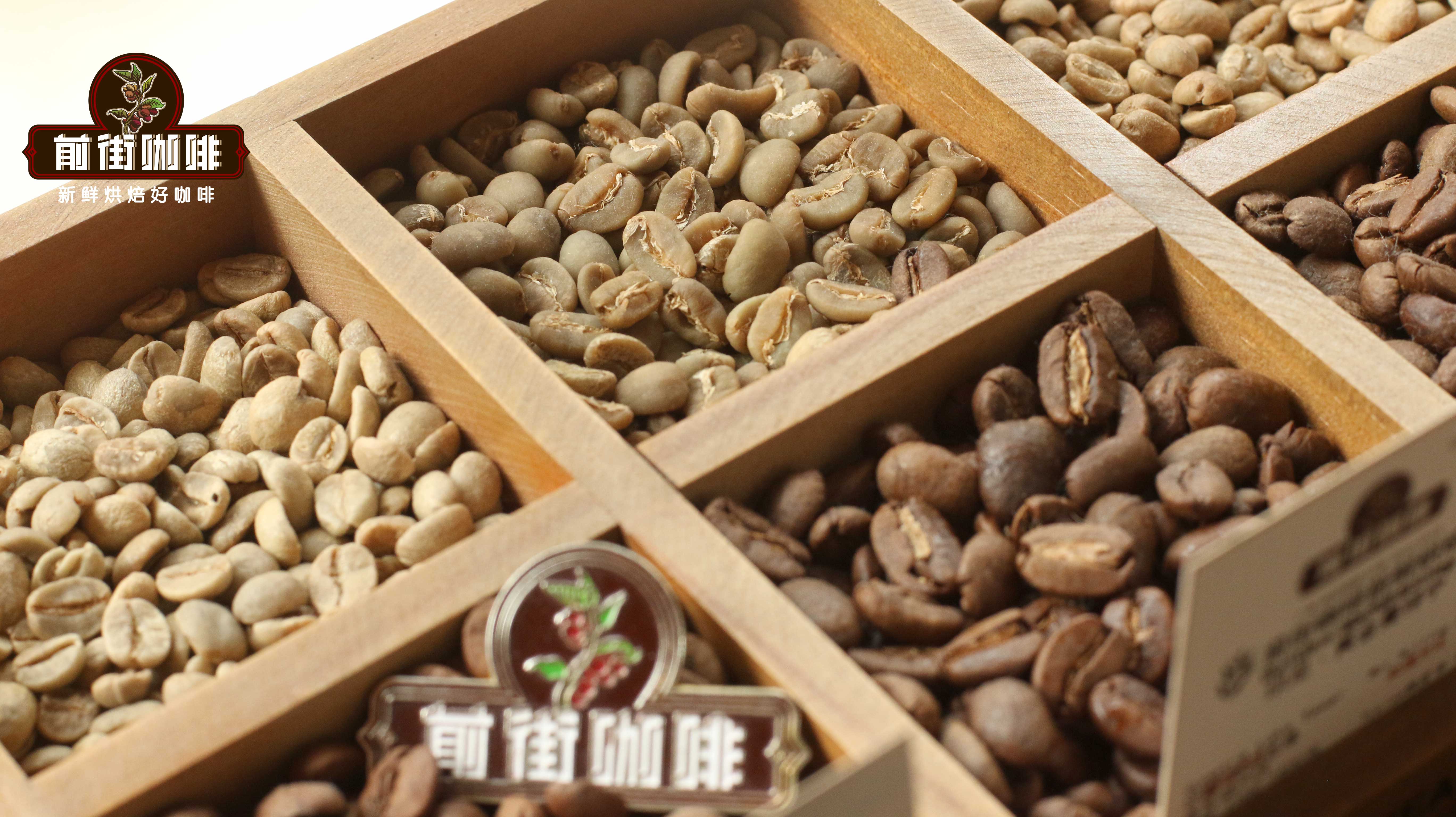
Compared to traditional washed processing, wet hulling has a shorter fermentation period, uses less water, and the beans are sent to the factory for hulling when their moisture content is around 35% to 40% after the first drying. At this semi-dry stage, the beans reabsorb moisture from the surrounding environment, which further influences the final flavor profile. This is why Mandheling often exhibits deep woody tones, herbal aromas, and dark spice notes, setting it distinctly apart from coffees of other regions.
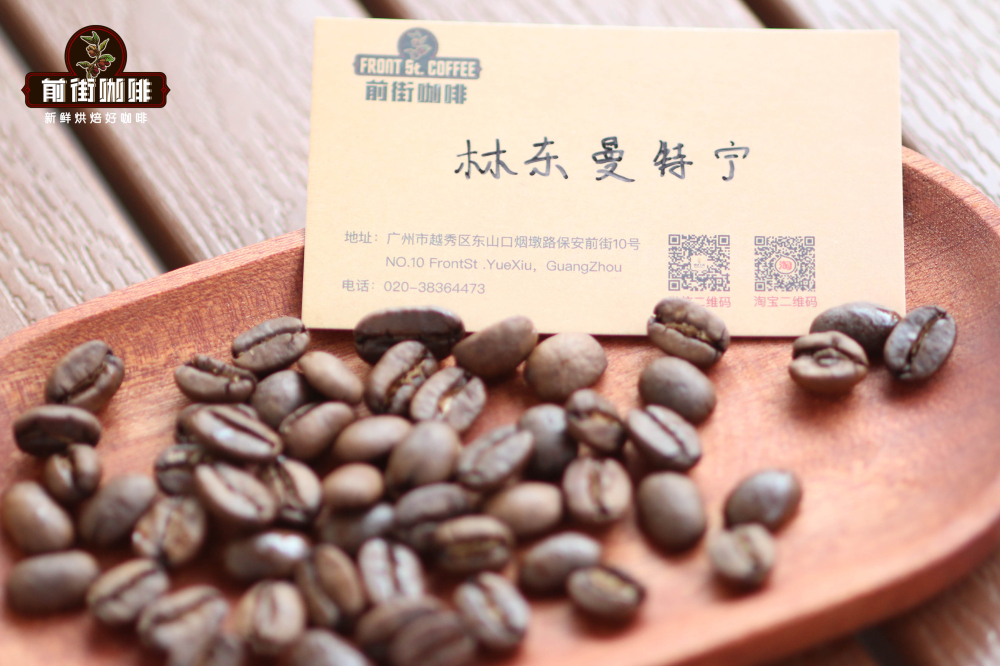
In Indonesia, coffee beans are graded based on defect rates, with G1 being the highest grade, requiring no more than 11 defective beans in a 300g sample. A certain brand’s Lintong Mandheling from Indonesia is G1-grade, using the Teng Tim Tim variety grown at altitudes of about 1100 to 1600 meters, and processed with dark roasting. It presents a complex flavor profile of spices, herbs, chocolate, caramel, and nuts — making it a classic entry-level choice for many beginners to understand the flavor characteristics of Mandheling.
For those looking to experience an even higher quality of Mandheling, the PWN Golden Mandheling, which undergoes multiple rounds of manual selection, is worth exploring. Exclusively supplied by Indonesia’s PWN Coffee Company (PWN), this coffee goes through machine sorting and three rounds of hand-picking after procurement to ensure each bean is plump and uniform, while eliminating common earthy and woody off-flavors. This results in a purer, brighter flavor and smoother mouthfeel.
To fully showcase the unique characteristics of Mandheling, pour over is one of the brewing methods that best highlights its layered complexity. It is recommended to use a KONO filter cone, whose smooth curved upper design allows the filter paper to fit more snugly, reducing airflow interference and creating an extraction effect similar to siphon brewing. This helps enhance the coffee’s richness and roundness. Below are the recommended practical pour over parameters:
Filter cone: KONO filter cone
Brewing temperature: 87~88℃
Coffee dosage: 15 grams
Coffee-to-water ratio: 1:15
Grind size: Medium (70% passing rate through a No. 20 Chinese standard sieve)
Recommended pour over steps: Start with a bloom using double the coffee dose (about 30 grams) of water for 30 seconds. Then, pour water in small streams in a circular motion from the inside out until you reach 125 grams, pause briefly, and once the coffee bed drops to about half, continue pouring until you reach 225 grams. The total brew time is approximately 2 minutes. This approach effectively highlights Mandheling’s dark chocolate, nutty, and caramel aromas, while preserving the delicate trailing notes of spices and herbs. The resulting cup offers distinct layers and a full-bodied mouthfeel.
Whether you’re a beginner just starting to explore single-origin coffees or an experienced coffee enthusiast, gaining a deeper understanding of Mandheling’s origin characteristics, processing methods, and brewing essentials will help you choose beans that better suit your taste and allow you to enjoy the bold coffee flavors of Sumatra.
The above content is compiled by CoffeeHunters, a coffee news website.


