







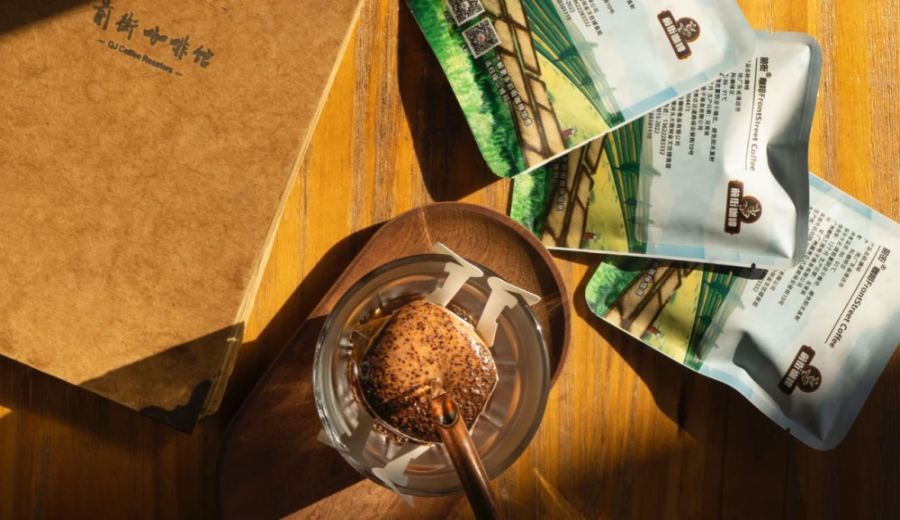
Introduction:Drip bags are a brewing method that combines convenience with the quality of pour over coffee. With just hot water and a cup, you can enjoy a coffee experience close to professional pour over. This article delves into the brewing techniques, optimal water temperature and volume control for drip bags, explores whether they can be brewed multiple times, how to choose high-quality drip bags, and analyzes the processing methods and flavor profiles of two distinctive Honduran coffee varieties, helping you master the key points from beginner to advanced levels.
Drip bags are a simple yet high-quality extraction method that closely resembles pour over. Without the need for complicated equipment, all you need is hot water, a cup, and a drip bag to easily brew a cup of black coffee with rich flavor layers. The principle involves placing freshly ground coffee in filter paper and securing it to the rim of the cup using the drip bag structure. By controlling water temperature, volume, and pouring technique, the aroma and taste of the coffee are brought out. Many wonder if drip bags are equivalent to simplified pour over — in fact, the core concepts of both are similar, both emphasizing the freshness of the coffee grounds and the efficiency of extraction through the interaction of water and coffee.
Regarding the amount of coffee grounds in a drip bag, common market specifications are usually 10 grams per bag, suitable for a single brew and convenient to carry. Drip bags from different brands or regions may have slight adjustments based on bean characteristics, but the mainstream design is based on a single serving, ensuring the right extraction ratio.
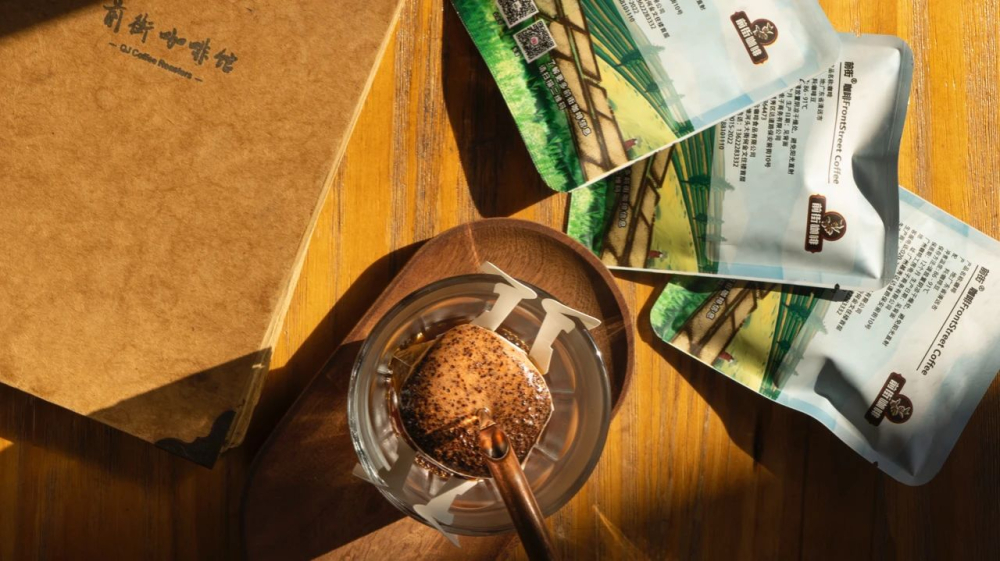
The key details of brewing drip bag coffee can be mastered through the following steps:
1. Preheat the cup to enhance flavor stability
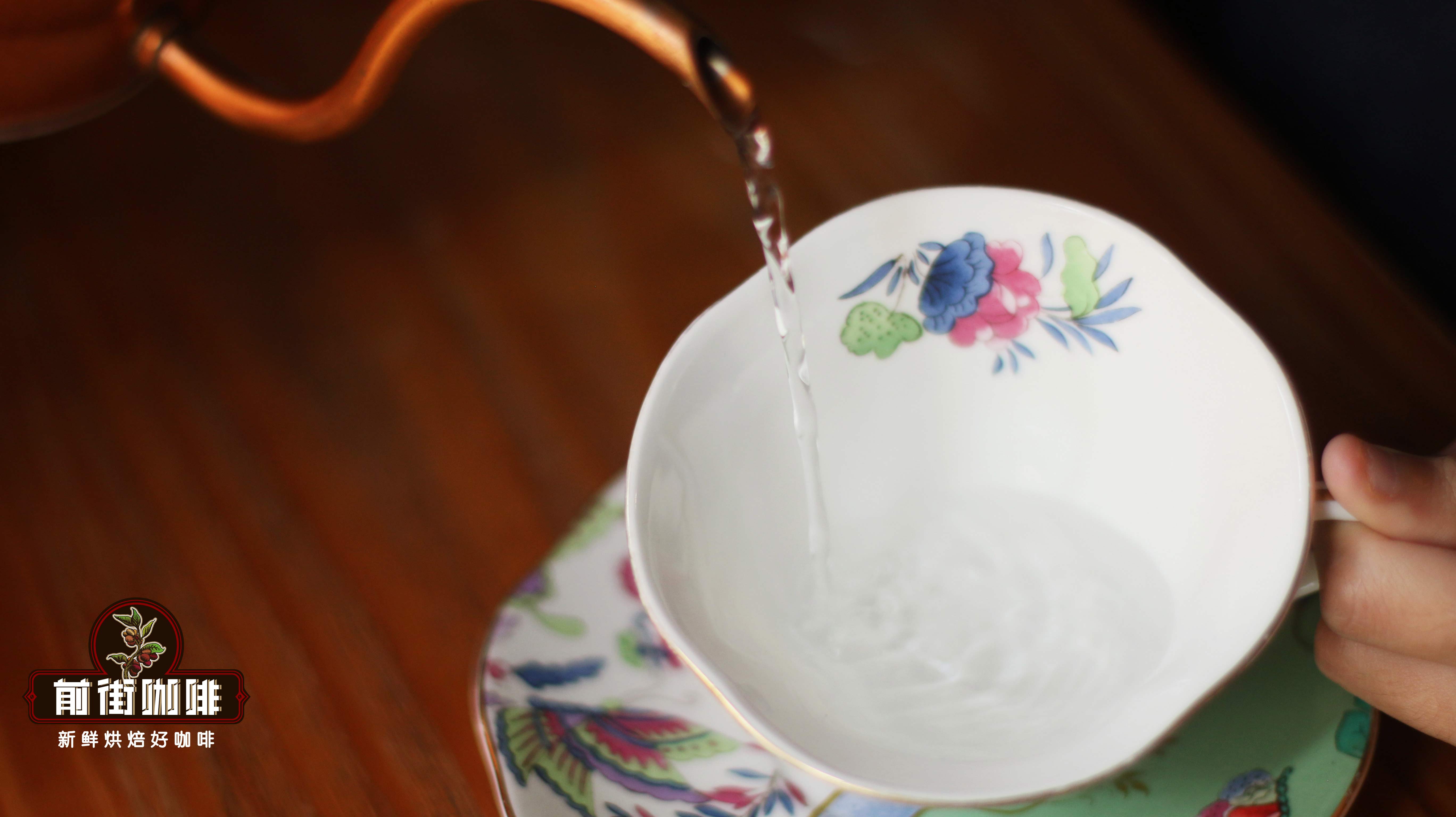
Preheating the cup with hot water before brewing can slow down the cooling of the coffee, preventing the flavor from becoming thin due to temperature loss. Preheating the cup may seem simple, but it is the first step that affects the overall taste.
2. Water temperature control determines richness
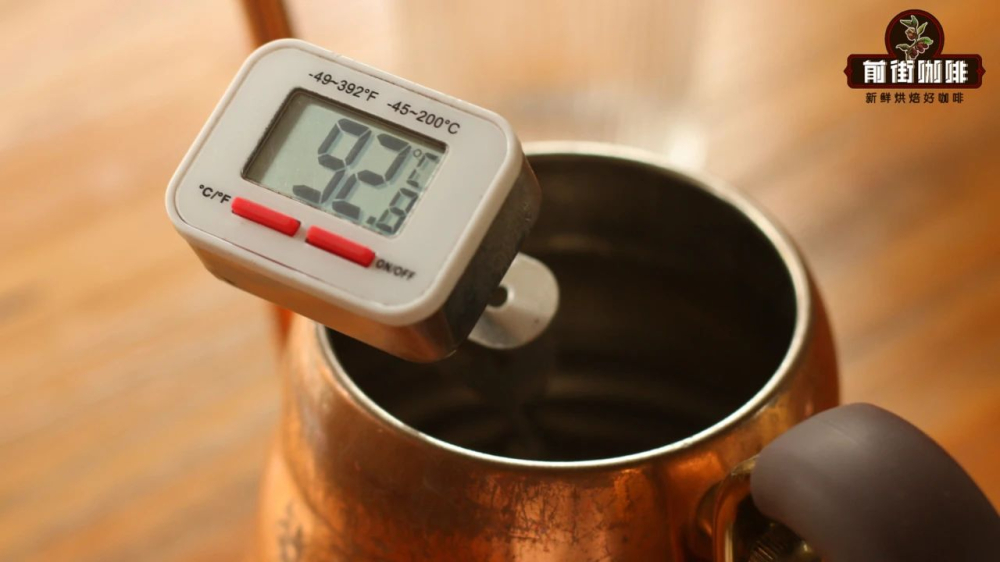
It is recommended to use hot water at 90–95°C. This range can fully extract the aroma and sweetness of the coffee. If you prefer a lighter flavor, you can slightly increase the water temperature, but avoid going below 90°C, as that can lead to under-extraction and a flat, unremarkable flavor.
3. Properly hang the drip bag
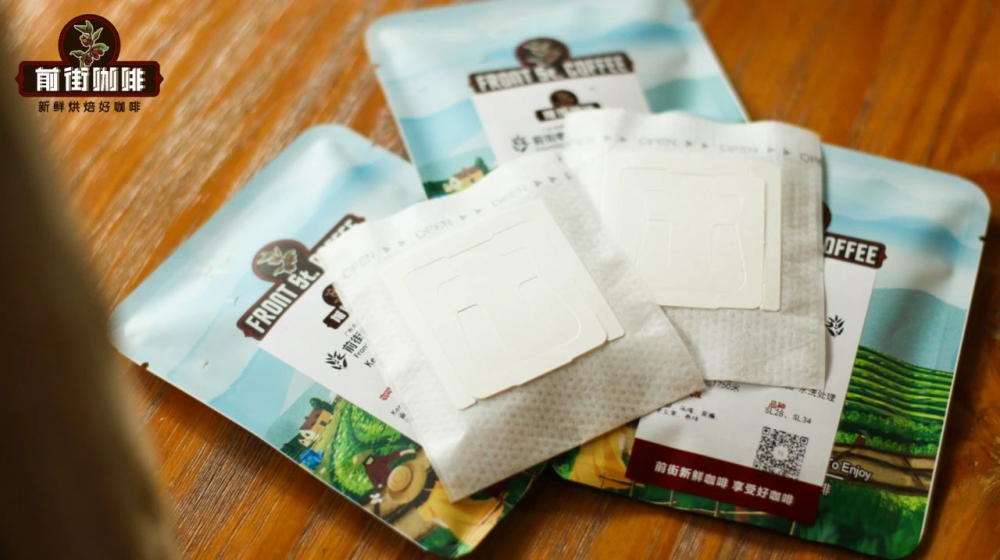
Before tearing open the drip bag, gently shake it to allow the coffee grounds to settle evenly, then carefully open the inner bag to avoid powder scattering. Spread the two sides of the drip bag and hang it steadily on the edge of the cup, ensuring the filter paper fits tightly against the cup wall to prevent leakage during brewing.
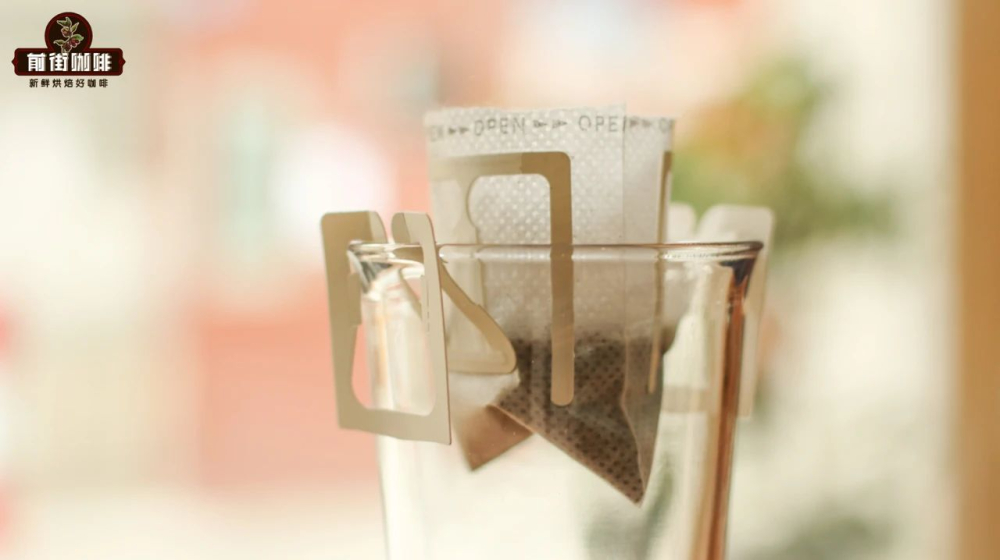
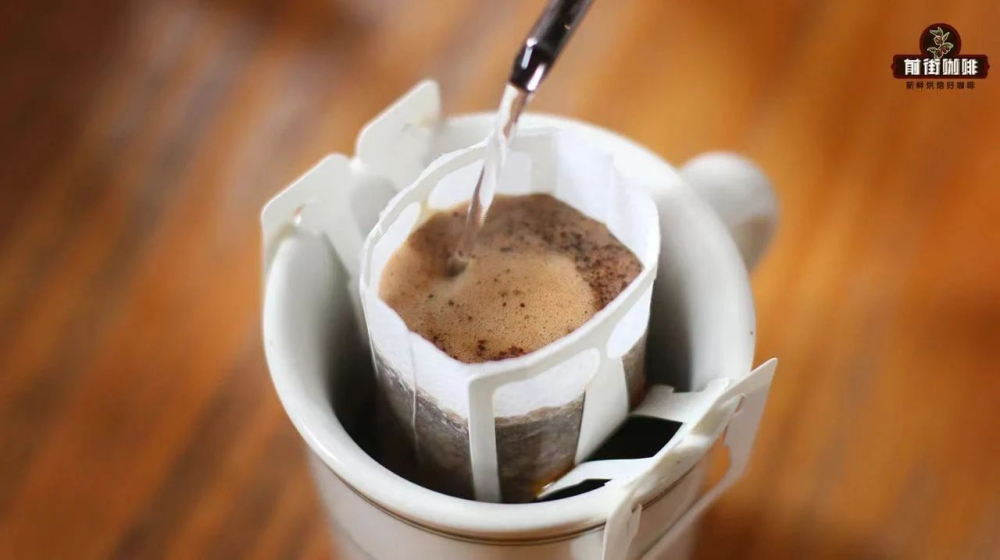
4. Pre-wetting (bloom) to activate the coffee grounds
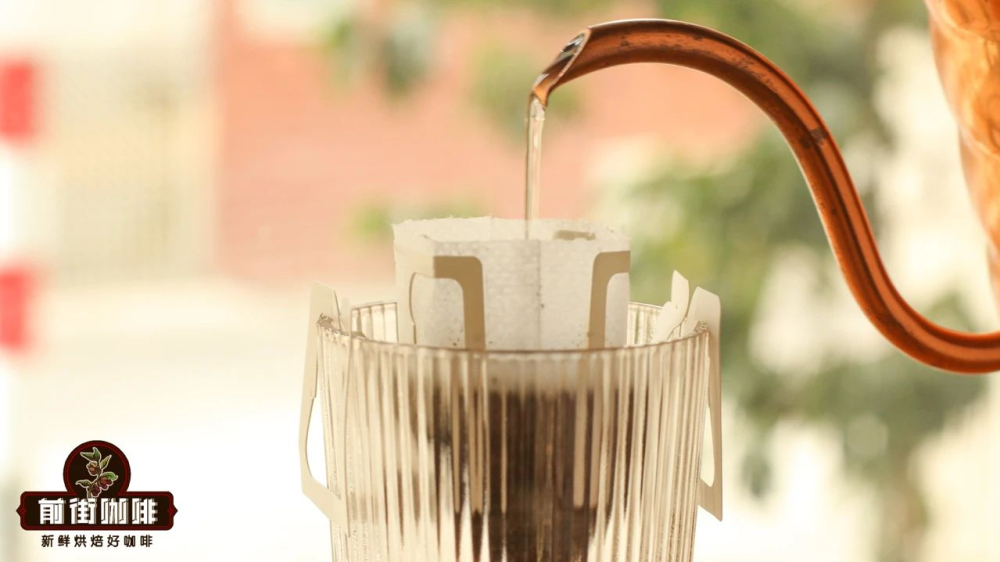
The first pour is about 20–30ml, just enough to wet all the coffee grounds. Let it sit for 10–20 seconds to allow the coffee grounds to fully expand and release carbon dioxide. This step, commonly known as "blooming," improves the uniformity of subsequent extraction. To make a stronger brew, you can extend this to 40 seconds.
5. Second pour to reach target volume
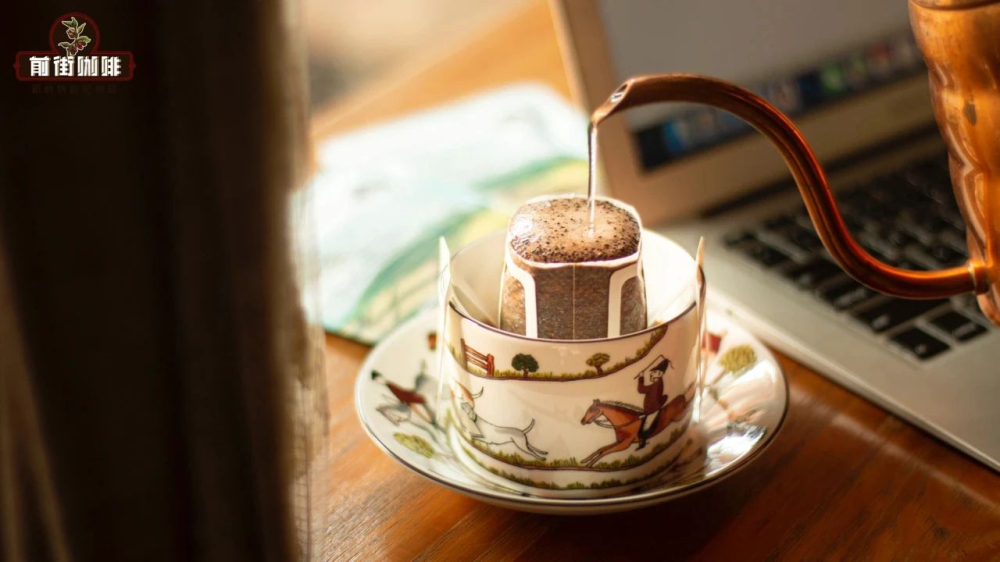
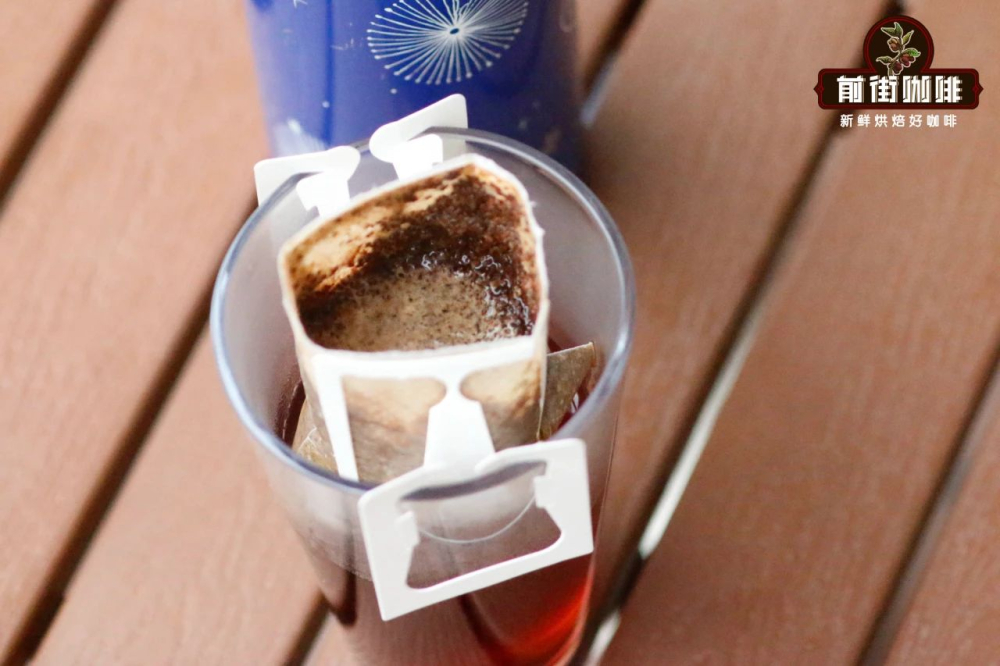
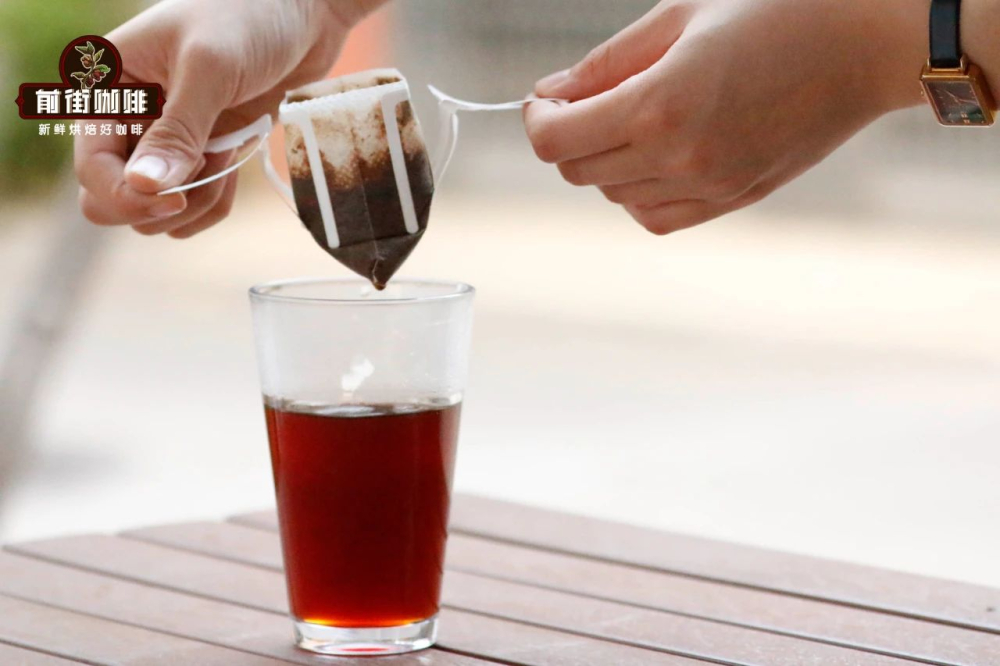
Continue pouring until the filter paper is about 80% full. The recommended total water volume is 150–180ml, which can be adjusted according to personal taste. Use a thin, steady stream to pour in a circular motion until the desired concentration is reached, then remove the drip bag without waiting for all the water to drip through.
Regarding the question "Can drip bag coffee be brewed multiple times?" — the answer is no. Since the first brew extracts about 30% of the soluble flavor compounds, the remaining 70% is mostly fiber. Brewing again not only fails to enhance the flavor but may release undesirable impurities, negatively affecting the taste. Similarly, multi-stage brewing is not necessary for drip bags; a simple one-time pour better reflects their convenience.
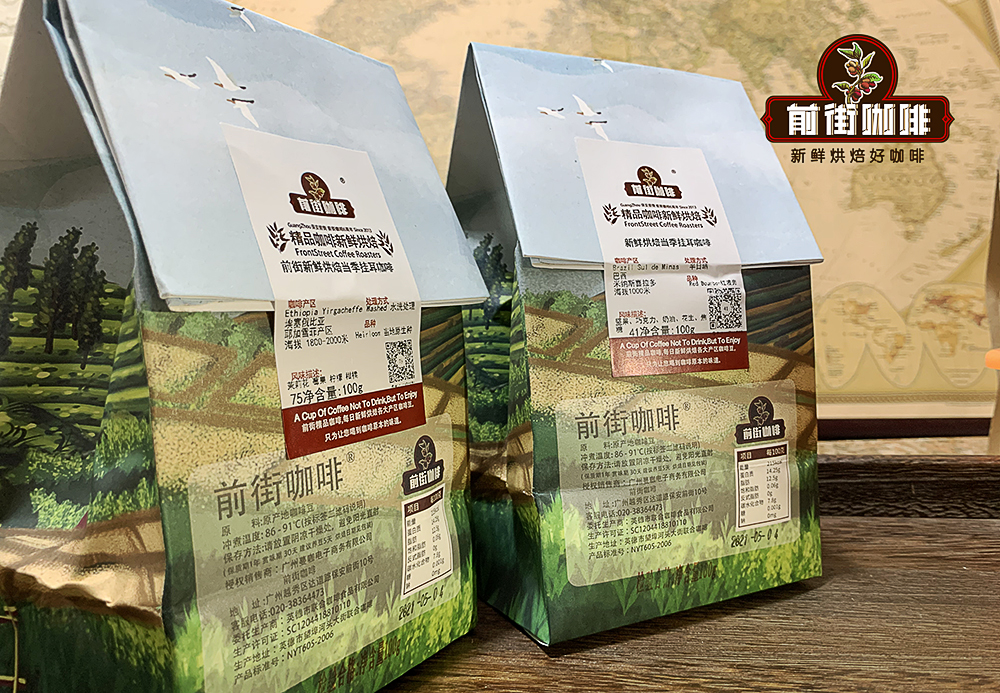
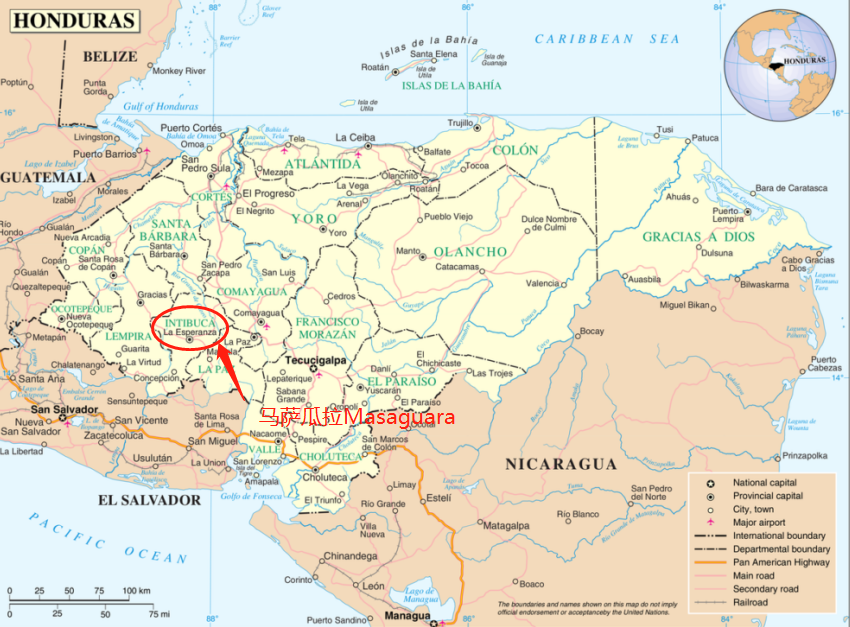
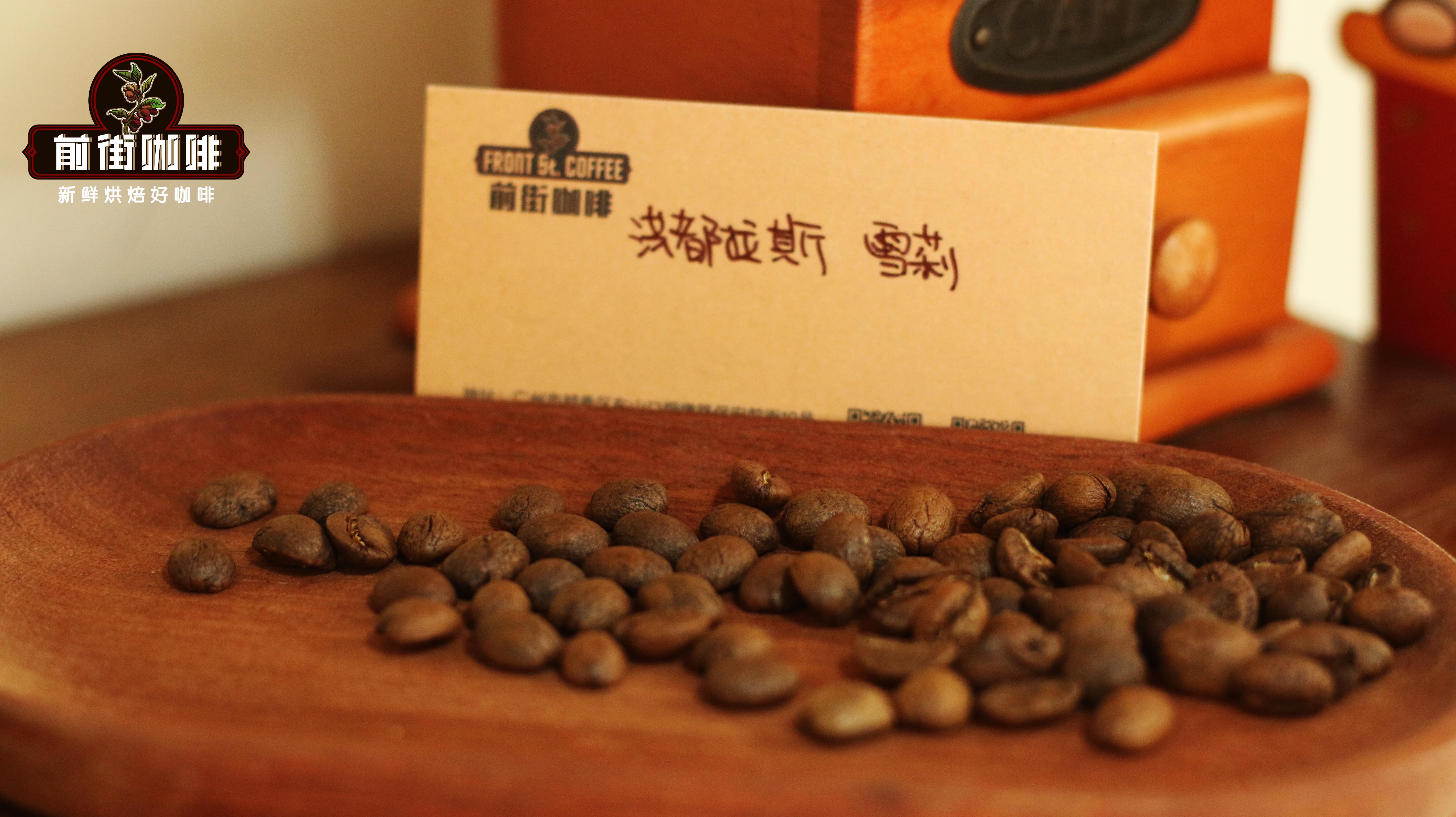
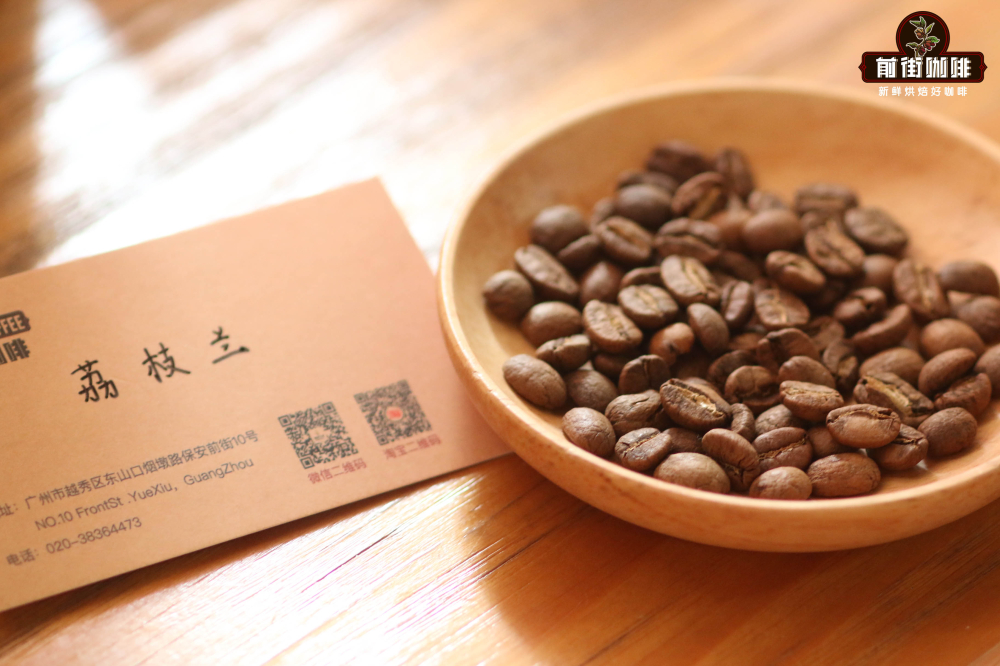
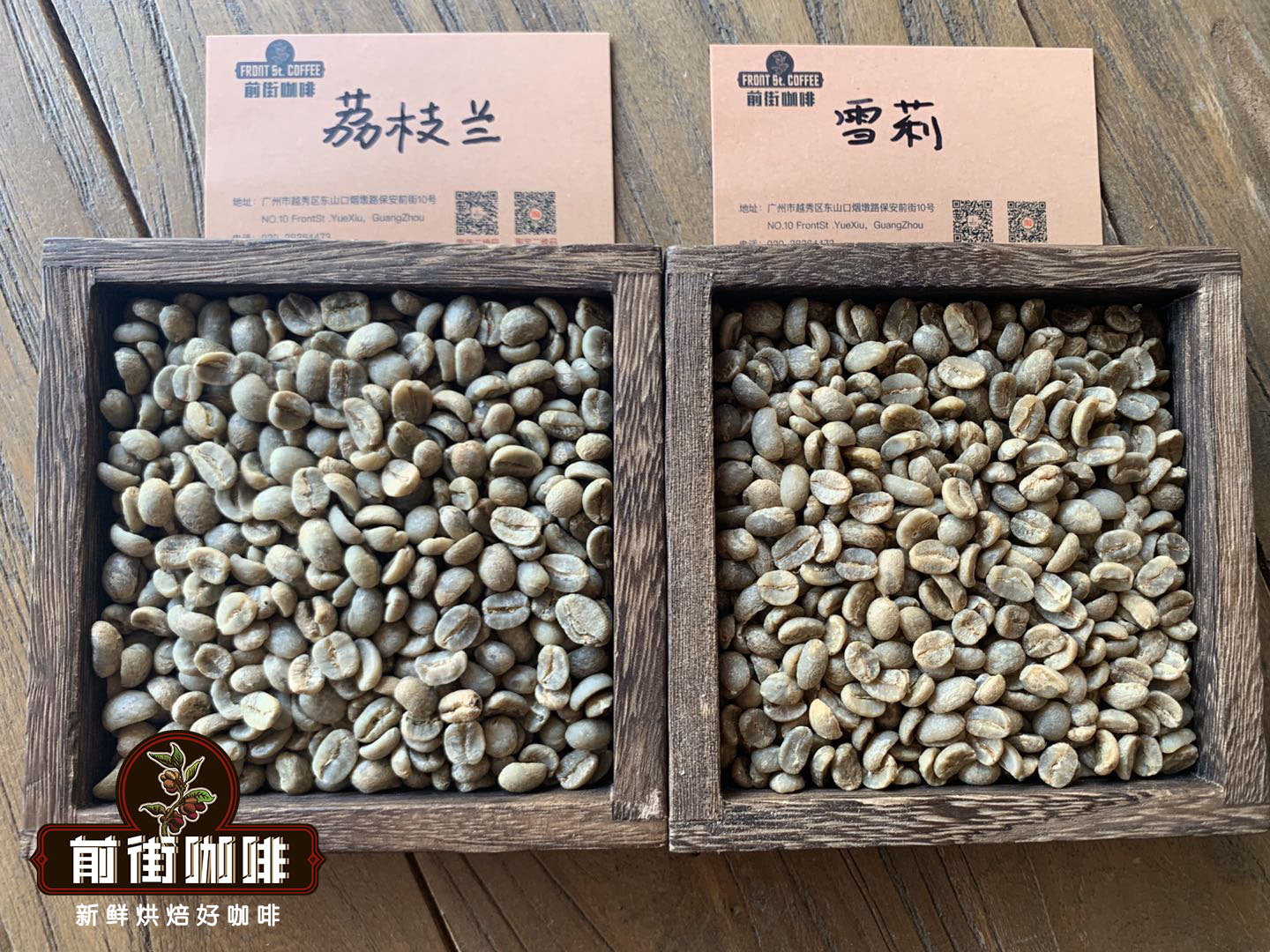
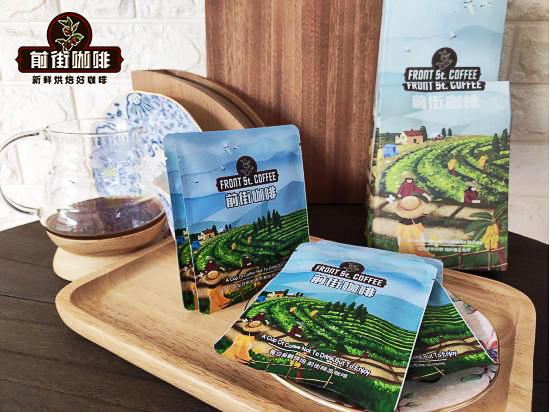
If you want to try different flavors, we recommend checking out two distinctive drip bags from the Honduran region:Honduras Sherry Coffee BeansandHonduras Lichee Orchid Coffee Beans. Both come from the Mocha Estate in the Marcala region, grown at altitudes of 1500–1700 meters, but differ in processing methods and variety combinations, resulting in unique flavor profiles.
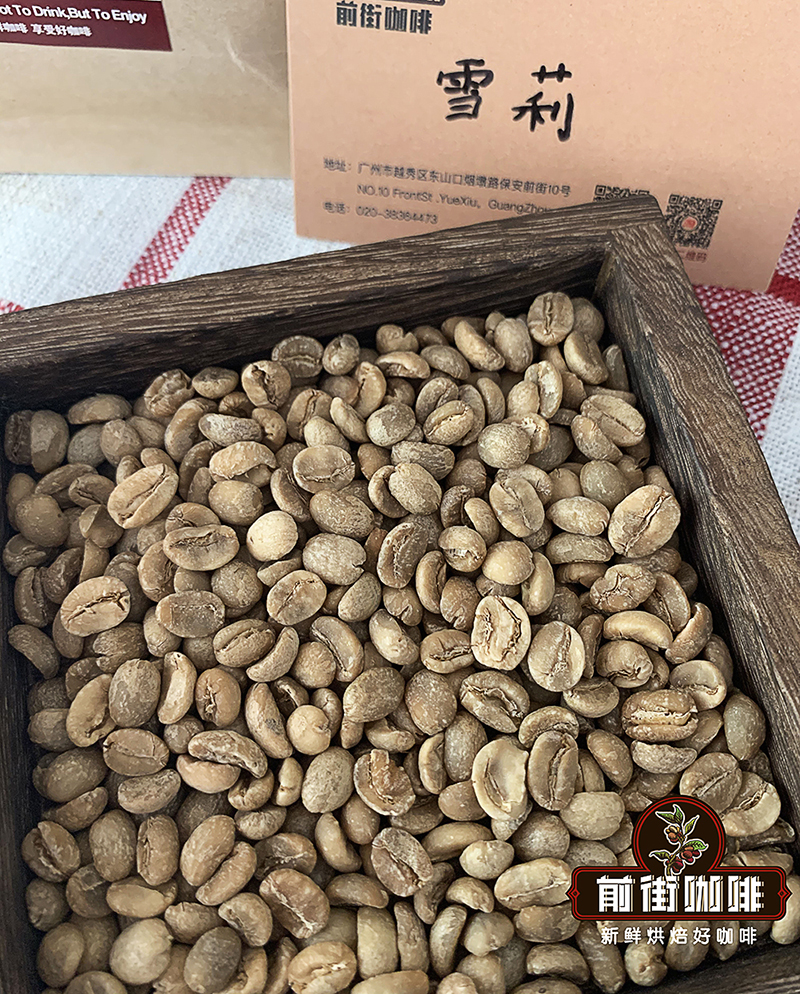
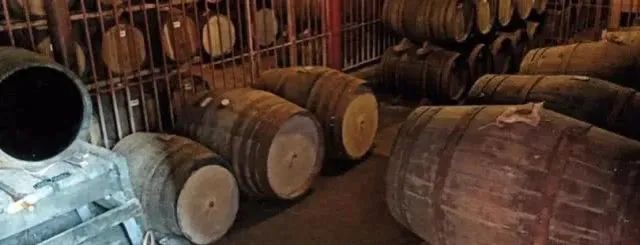
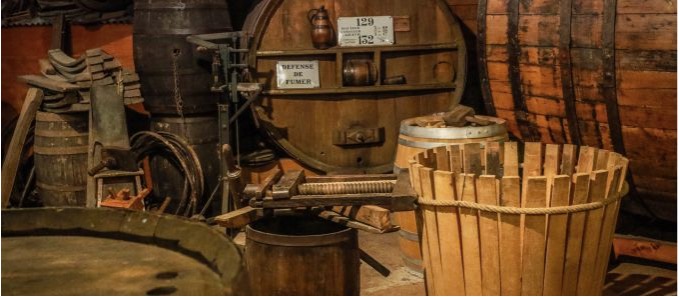
Honduras Sherry Coffee Beansuse a blend of Caturra, Catuai, and Pacas varieties, and are processed through whiskey barrel fermentation followed by meticulous washed processing. The fermentation process takes place at low temperatures (15–20°C) for 30–40 days, imparting a rich wine aroma and dark cocoa base, with balanced and layered acidity.
Honduras Lichee Orchid Coffee Beansprimarily feature Caturra and Catuai varieties, processed through brandy barrel fermentation. The flavor profile includes sweet notes of honey, lychee, and berries, with delicate transitions into chocolate and wine tones as it cools, making it ideal for those who enjoy fruity aromas and a rich finish.
Finally, here are answers to some common questions:
Q: What is the best-before period for drip coffee bags?
Although the packaging may indicate a shelf life of 6–18 months, once the coffee is ground, the optimal flavor period is only about two weeks. It’s recommended to purchase an amount that you can consume within two weeks.
Q: How do you balance water volume and temperature when brewing?
For a 10-gram drip bag, it’s recommended to use 150–180ml of hot water with a temperature of 90–95°C. Too high a temperature can result in bitterness, while too low can yield a shallow flavor. Proper blooming and pouring techniques are key.
The above content is compiled by CoffeeHunters, a coffee news website.


