







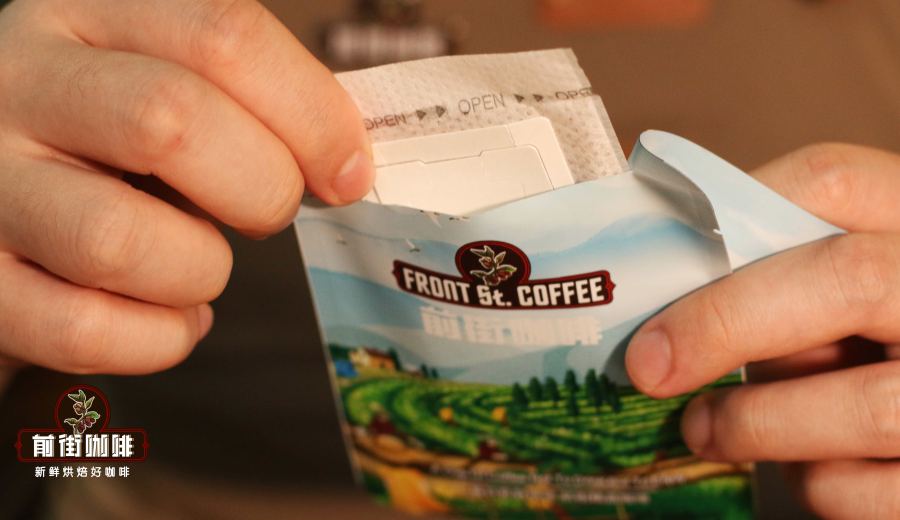
Introduction:Drip bags combine the nuances of pour over brewing with the convenience of instant coffee, making them an ideal choice for busy modern lifestyles. This article delves into the origins and market trends of drip bags, recommends five distinctive specialty coffee beans, and explains optimal extraction parameters and steps to help readers easily master the art of brewing professional-grade coffee at home.
As early as 1990, Japan’s Yamatan Industry Co., Ltd. applied the tea bag concept to coffee, developing and patenting the filter drip bag. With the rise of the specialty coffee movement, more and more consumers have embraced drip bags for their ability to deliver pour over-quality taste and aroma without the need for complex equipment. This brewing method, which combines convenience with rich flavor, has rapidly gained popularity in East Asian markets.
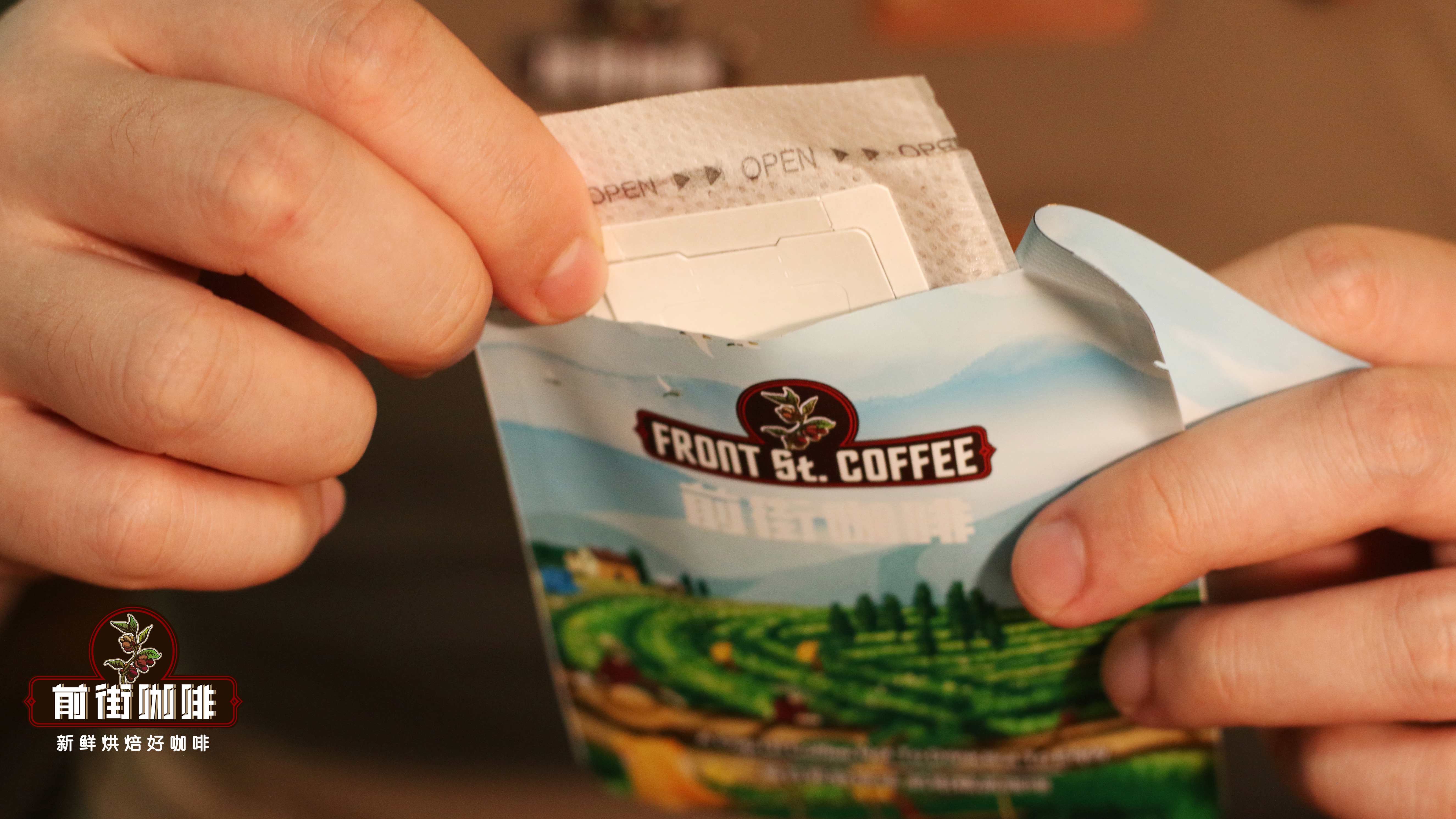
Known in English as instant drip coffee bags, drip bags offer the ultimate advantage of combining the convenience of instant coffee with the layered flavors of pour over. Global sales of drip bags reached 1.4 billion bags (approximately 11,200 metric tons) by 2011, with Japan accounting for as much as 94% of the market. Although the overall market size remains limited, its growth potential is undeniable.
In the past, instant coffee once held a 70% market share in China, while drip bags made up just 10%. However, as food safety awareness has increased and the specialty coffee culture has developed, consumers are no longer satisfied with simply seeking a caffeine boost—they now desire more flavorful options. Drip bags perfectly meet this demand, with their market growth rate in China surpassing 30% in 2017.
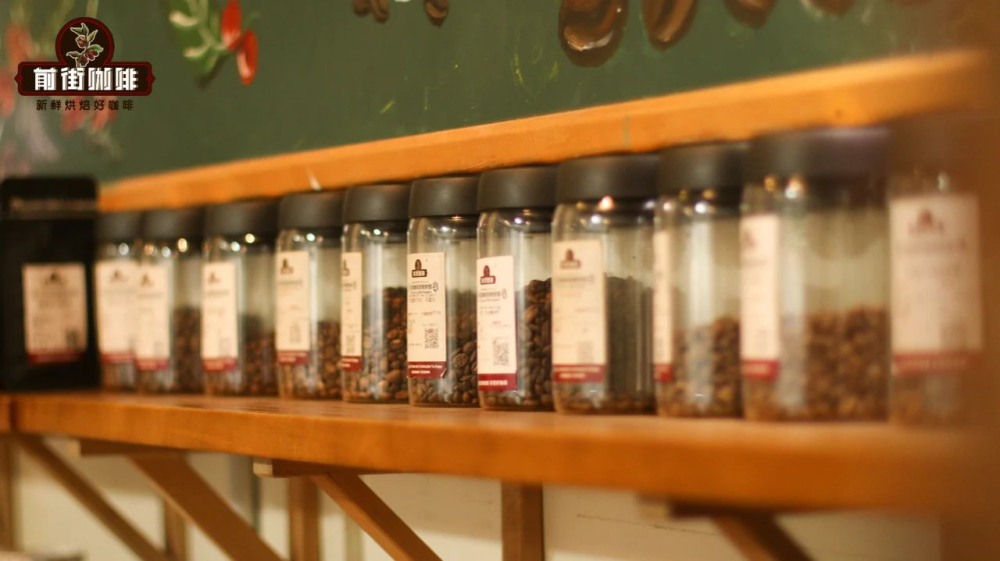
Below are five representative drip bag coffee beans, each showcasing diverse flavor profiles including fruity, floral, fermented, wine-like, and full-bodied notes, catering to a variety of taste preferences:
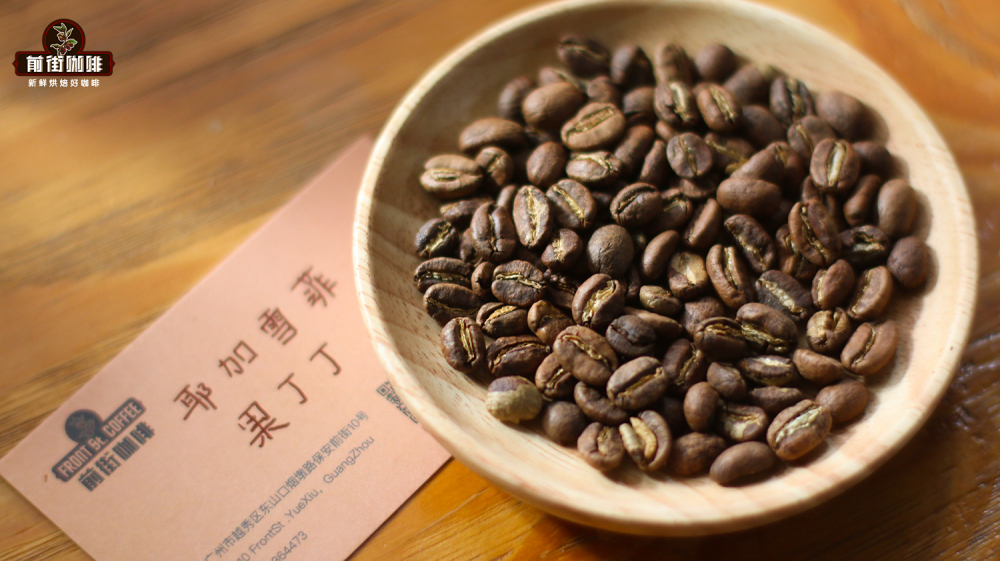
Fruity Profile:Ethiopia Yirgacheffe Guddina, processed using the washed method, presents a clean and bright citrus tone paired with jasmine floral notes and a honey aftertaste, making it ideal for beginners. Grown at an altitude of 1900–2300 meters with heirloom varieties, its flavors shift with temperature, revealing layers of berries and cream.
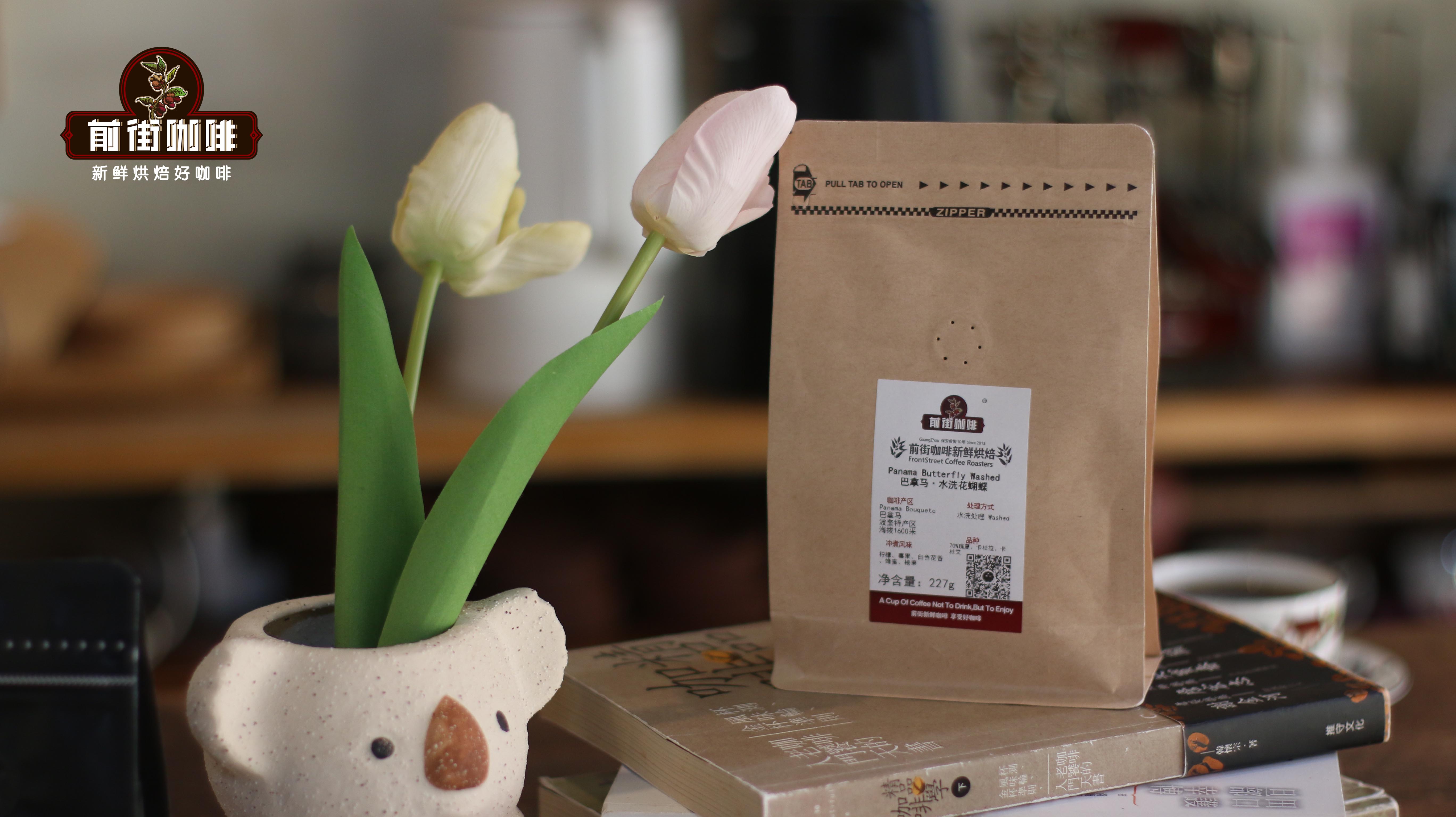
Floral Profile:Panama Geisha Flower Butterfly, blending Geisha lineage with Catuai and Caturra varieties, is grown at an altitude of 1600 meters in a volcanic region. It delivers rich floral notes, black tea undertones, and soft acidity, with low bitterness and a mild nutty aftertaste.
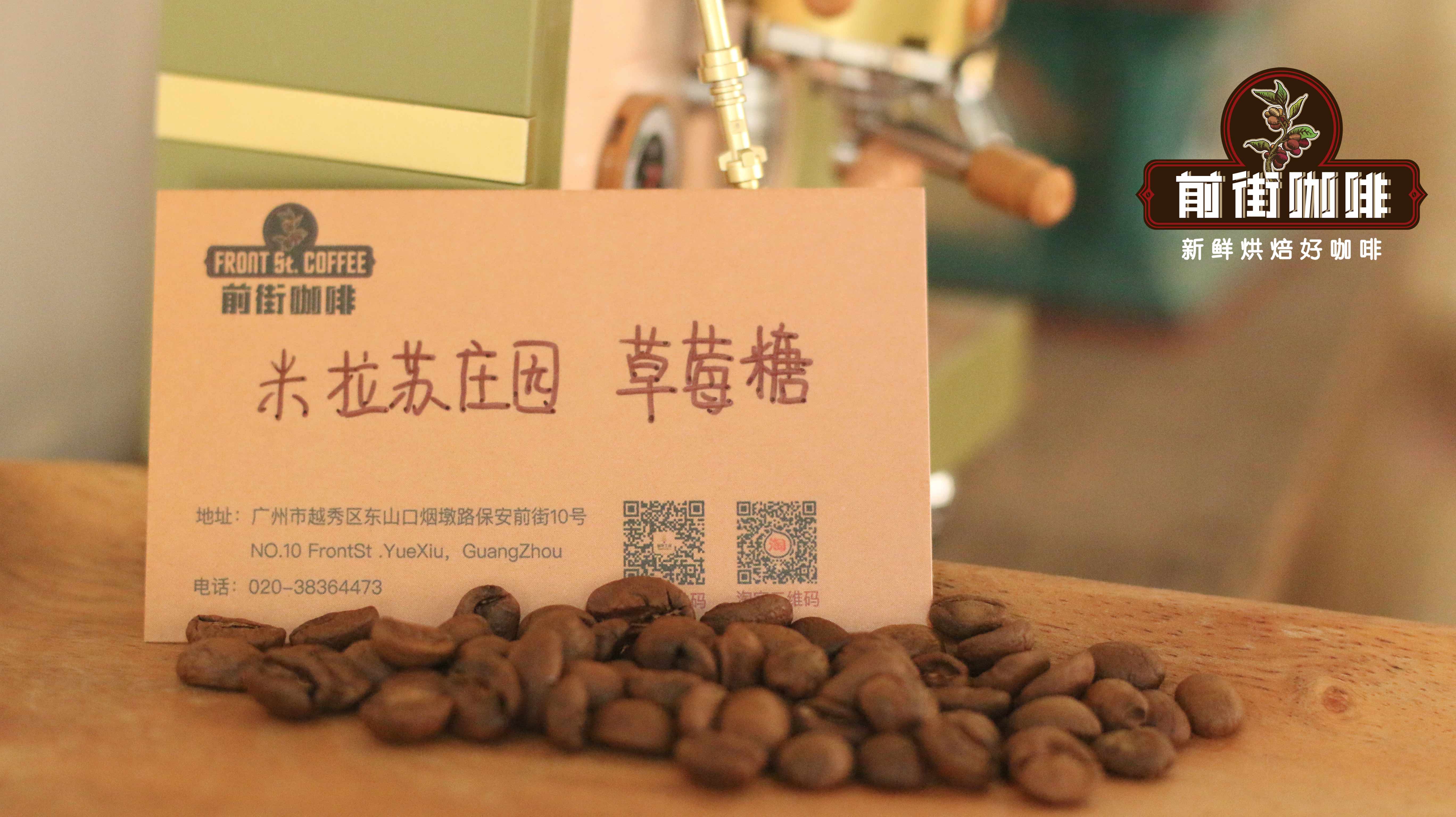
Fermented Profile:Costa Rica Mirasol Strawberry Sugar Geisha Blend, processed using the raisin honey method to retain full fruit mucilage, offers pronounced sweetness and dried fruit fermentation flavors, with an almond note lingering in the finish.
Wine-like Profile:Honduras Sherry, treated through whiskey barrel fermentation, exhibits layers of vanilla cream, berries, and dark chocolate, with a maple-sweet aftertaste—perfect for those who enjoy bold, intense flavors.
Full-bodied Profile:Brazil Queen Estate Yellow Bourbon, sun-dried to impart a round sweetness and chocolatey base, features low acidity and a full body, suiting those who prefer softer bean profiles.
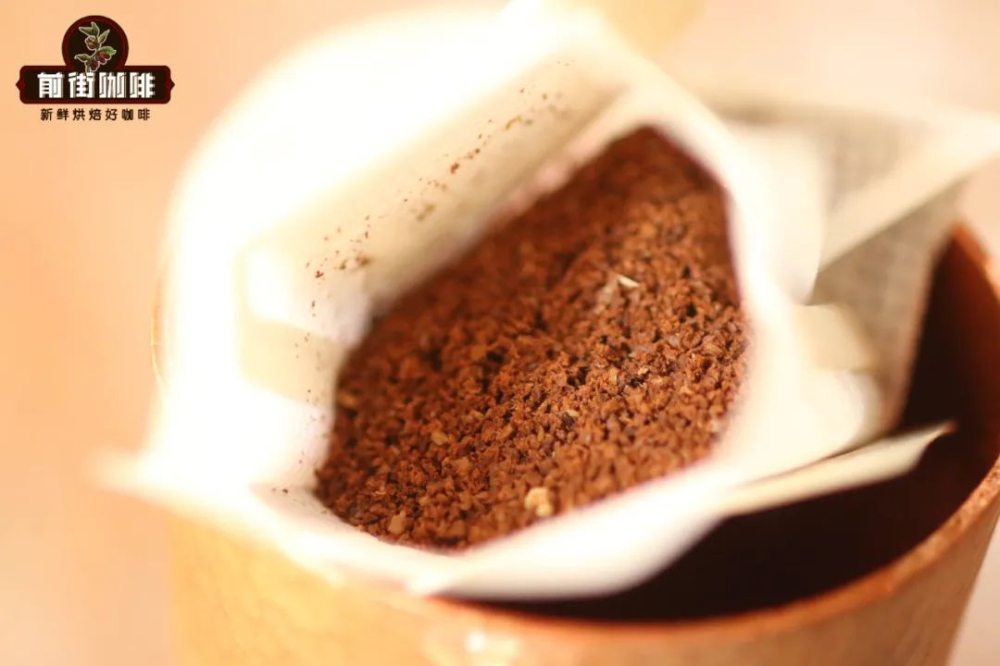
Creating high-quality drip bags involves attention to several key factors: first, keeping grinders clean to avoid flavor contamination between different beans; second, precisely controlling grind size—too coarse or too fine can affect flow rate and extraction efficiency, with a recommended brew ratio of 1:15–1:16; and finally, using automated packaging technology with nitrogen flushing to extend freshness.
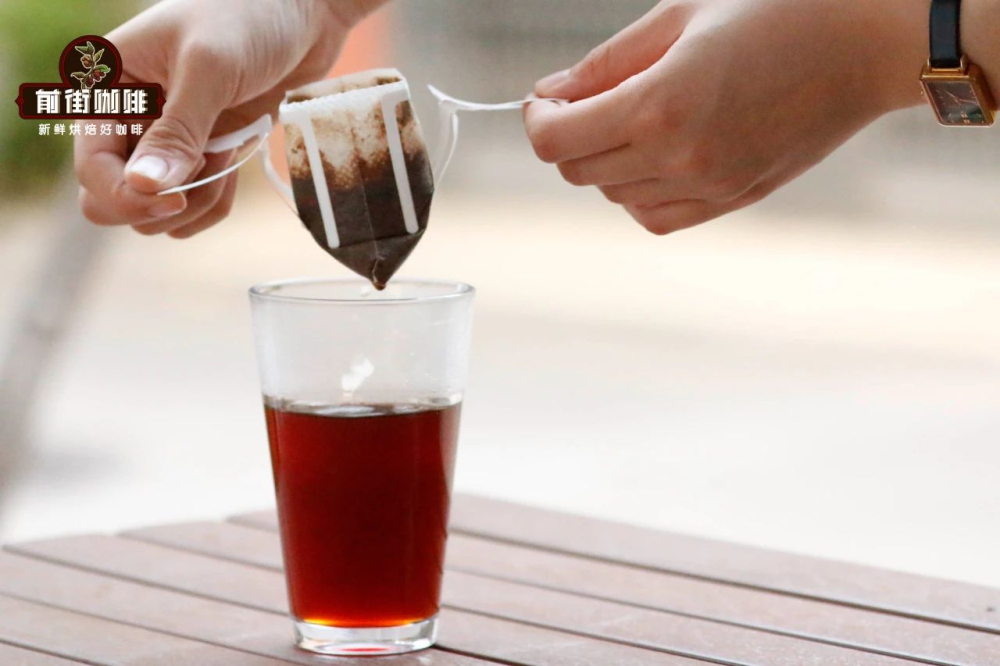
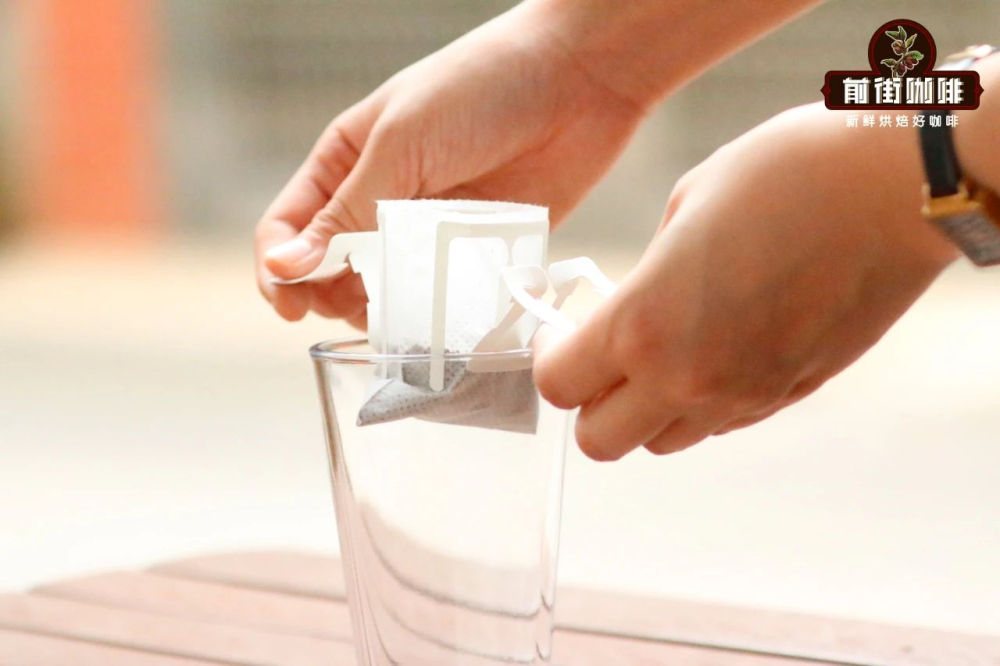
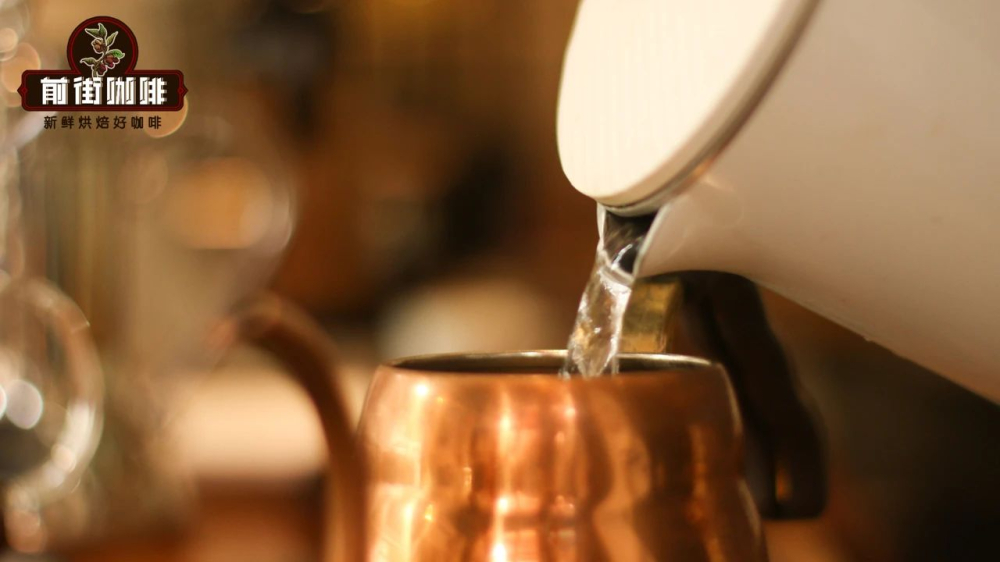
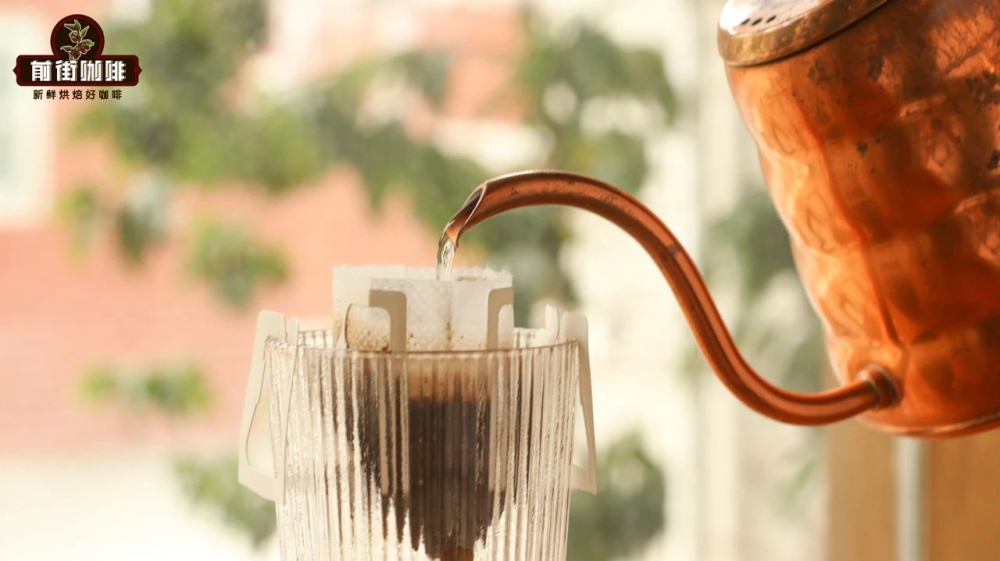
For home brewing of drip bags, it is recommended to use about 10 grams of coffee grounds with water temperature controlled around 90°C (achieved by letting boiled water sit for 2–3 minutes). The brewing process is divided into two stages: first, pour water for a 30-second bloom, then slowly circle-pour to reach 140–150 ml, taking about 1 minute in total—delivering a professional-grade pour over flavor experience.
By understanding the characteristics of beans from different regions and mastering precise extraction parameters, even novice coffee drinkers can easily brew their own uniquely styled drip coffee at home, enjoying diverse flavor layers and the pleasure of pour over brewing.
The above content is compiled by CoffeeHunters, a coffee news website.


