








Introduction:The flavor profile of espresso-based drinks is closely tied to cup size. Different cup volumes not only affect visual presentation but also directly influence coffee concentration, temperature retention, and overall taste. This article will explore the ideal cup capacities and optimal ratios for classic espresso beverages such as espresso, cappuccino, and latte across three common sizes—small, medium, and large. Practical extraction and milk frothing tips are also included to help you enjoy each cup of coffee more scientifically.
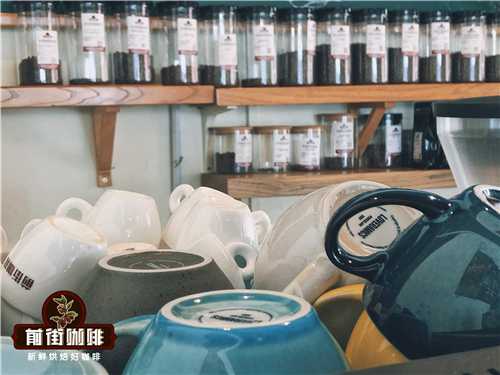
Walk into any professional espresso café, and you’ll always see shelves lined with ceramic cups in various sizes. Each cup size actually corresponds to different types of coffee. The choice of cup size isn’t just about aesthetics—it’s closely linked to extraction efficiency, flavor release, and overall taste. Understanding the capacities and appropriate contexts for different cup sizes allows you to brew espresso-style coffee at home that’s closer to café quality.
Espresso cup sizes can generally be divided into three mainstream specifications: small, medium, and large. Each specification has its corresponding coffee type and optimal volume range. From the compact intensity of espresso to the balanced proportions of cappuccino, and then to the wide-mouthed capacity of latte, these details all directly impact the final drinking experience. Let’s break them down one by one to find the most suitable cup size and volume setting for each type of coffee.
Small Cup Size: The Perfect Stage for Espresso
Small ceramic cups are usually made of white porcelain, with a capacity of around60 milliliters. This is the most classic vessel for Italian espresso. Taking common extraction parameters as an example, a single shot of espresso typically uses20 grams of coffee grounds, extracted over28 secondsto yield 40 grams of coffee liquid. The resulting espresso features a rich golden crema that perfectly fills this small cup—not only visually harmonious but also maximizing the preservation of aroma and temperature.
The advantage of small cups lies in their good heat retention, which extends the optimal drinking time. Additionally, such cup sizes are often used as sharing cups for pour over coffee, especially suitable for group tastings.
Medium Cup Size: The Balanced Choice for Cappuccino and Americano
Medium cups generally have a capacity between180 to 200 milliliters, with a relatively taller body, making them ideal for both Americano and cappuccino. For an Americano, a common recipe is40 grams of espresso liquid mixed with 160 grams of hot water, following a1:4 ratio. This ratio maintains a strong coffee base while using water dilution to bring out richer aromatic layers.
As for cappuccino, it typically uses20 grams of espressopaired with160 milliliters of steamed milk, where milk foam thickness and blending technique are crucial. The final product should be filled to nearly eleven-tenths full, with a dense white foam in the center surrounded by a golden coffee ring—resembling a traditional friar’s cowl, which is also the origin of the name “cappuccino.”
Large Cup Size: Ample Space for Latte and Milk-Based Coffees
The standard capacity of a large ceramic cup is300 milliliters, making it the preferred choice for milk-based coffees like latte and mocha. For a classic latte, it’s recommended to use40 milliliters of espresso with 260 milliliters of hot milk, at a ratio of approximately1:6.5. By using a circular pouring method to thoroughly mix the milk and espresso, a balanced and smooth taste can be achieved.
Freshly heated milk releases more lactose sweetness, which perfectly balances the acidity of the espresso, often leaving a hazelnut-like nutty aroma in the aftertaste. Additionally, the wide-mouth design makes it easier for baristas to execute latte art. A latte with exquisitely poured patterns not only enhances visual enjoyment but also elevates the overall drinking pleasure.
No matter which cup size you choose, pay attention to the selection and roast level of the coffee beans. For those who prefer milk-based coffee, it’s recommended to choose medium-dark roasted blends. These beans provide a richer body and crema, delivering excellent flavor whether you’re making an Americano or a latte. The right cup size pairing and precise extraction parameters will take your espresso experience to the next level every time.
The above content is compiled by CoffeeHunters, a coffee news website.


