







Introduction:Jamaican Blue Mountain coffee is hailed as one of the most iconic premium coffees in the world, yet its high price and mysterious reputation often spark curiosity. This article delves into the history, key growing regions, grading standards, and unique flavor profile of Blue Mountain coffee, along with ideal brewing techniques, to help you fully understand this legendary coffee and learn how to select and brew truly high-quality Blue Mountain.
Blue Mountain coffee has long been regarded as the pinnacle of the coffee world, but what stories and details lie behind this "premium" label? This article starts with the origin of Jamaican Blue Mountain coffee’s growing region, guiding you through its historical background, terroir, official grading system, and deep-rooted connection with the Japanese market. We’ll also take an in-depth look at its signature flavors and offer practical advice on medium-dark roasting and a three-stage pour over method, so you can better understand why this coffee is so captivating—and how to identify and brew the most authentic Blue Mountain flavor.
 When it comes to Blue Mountain coffee, many people first think of its title as the “most expensive coffee in the world.” But this high price is not without reason. As early as 1725, Sir Nicholas Lawes brought the first coffee seedlings from Martinique to Jamaica and planted them in the St. Andrew area. To this day, St. Andrew remains one of the three legally designated Blue Mountain coffee regions, with the other two being Portland and St. Thomas. In its early years, Jamaica’s coffee exports grew rapidly, surpassing 375 tons within just eight years, and reaching a peak production of over 15,000 tons in 1932.
However, by 1948, due to declining quality, Canada stopped importing Jamaican coffee, prompting the Jamaican government to establish the Coffee Industry Board to improve coffee standards. The turning point came in 1969, when local production techniques and quality control were enhanced with loans from Japan, gradually restoring its reputation. It’s worth noting that even at that time, Japanese consumers were already willing to pay a premium for Blue Mountain coffee. Since then, Blue Mountain coffee has gradually established an unshakable legendary status in the global market.
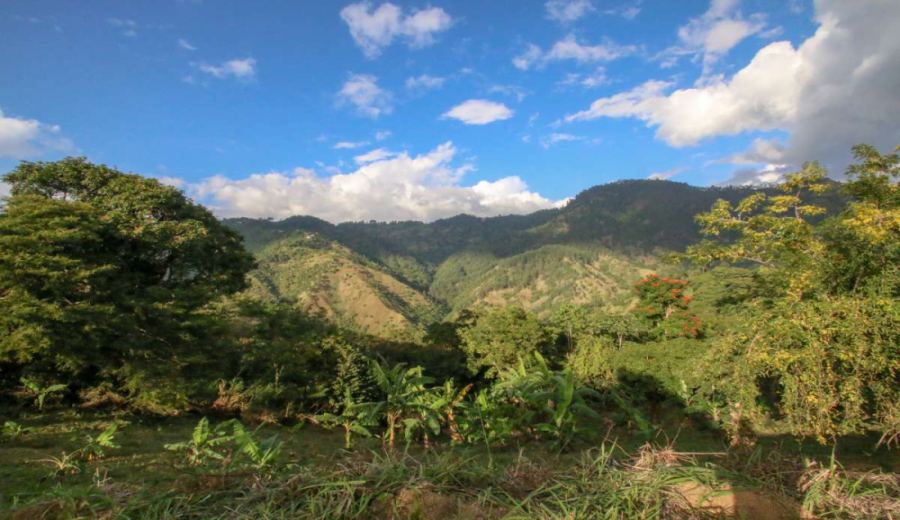
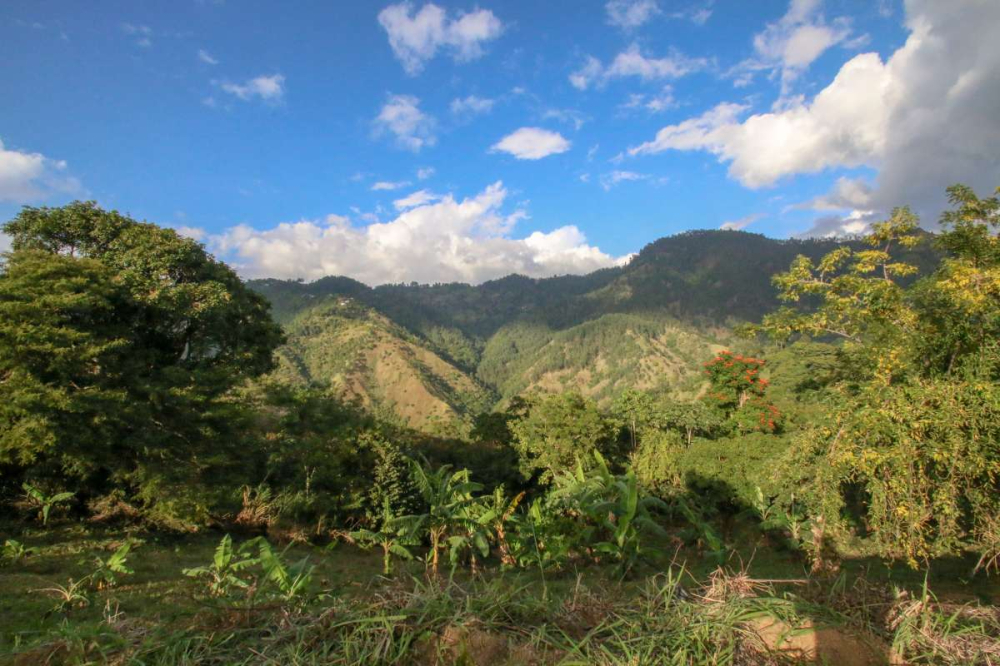
 The reason Jamaican Blue Mountain can produce such unique coffee is inseparable from its exceptional geographical and climatic conditions. The Blue Mountains are located in eastern Jamaica, with the main peak exceeding 2,100 meters in elevation. The mountainous region enjoys a cool, foggy climate with abundant rainfall and fertile volcanic soil, providing an ideal environment for coffee trees. Local farmers use terraced cultivation methods and often grow coffee alongside shade trees such as bananas and avocados, which helps the coffee cherries ripen slowly and accumulate richer flavor compounds.
However, the development of Blue Mountain coffee has also faced challenges. Before the 1960s, it was already a star in the specialty coffee market, but a severe hurricane in 1969 dealt a heavy blow to the local industry. At that time, Japan’s UCC company provided timely financial and technical support, introducing scientific eco-farming methods to help Jamaica stabilize quality. In return, the Jamaican government signed a 30-year agreement with Japan, under which 90% of the annual Blue Mountain coffee production was allocated preferentially to the Japanese market, with the remaining 10% distributed to Europe and the United States. Because of this, Blue Mountain coffee gained extremely high prestige in Japan and, through market promotion, influenced coffee enthusiasts in Singapore, South Korea, Hong Kong, Macau, Taiwan, and mainland China, sparking a “Blue Mountain craze.”
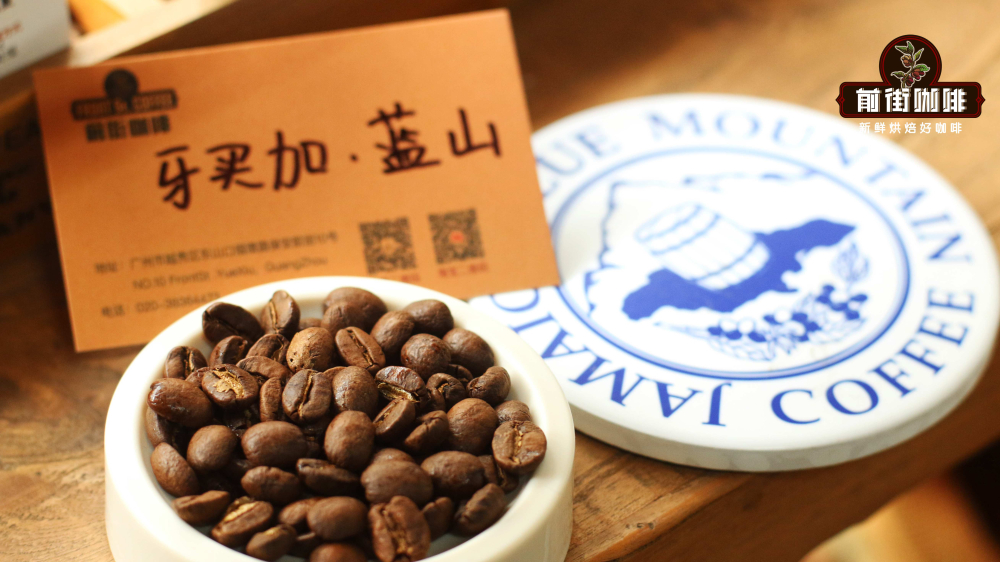
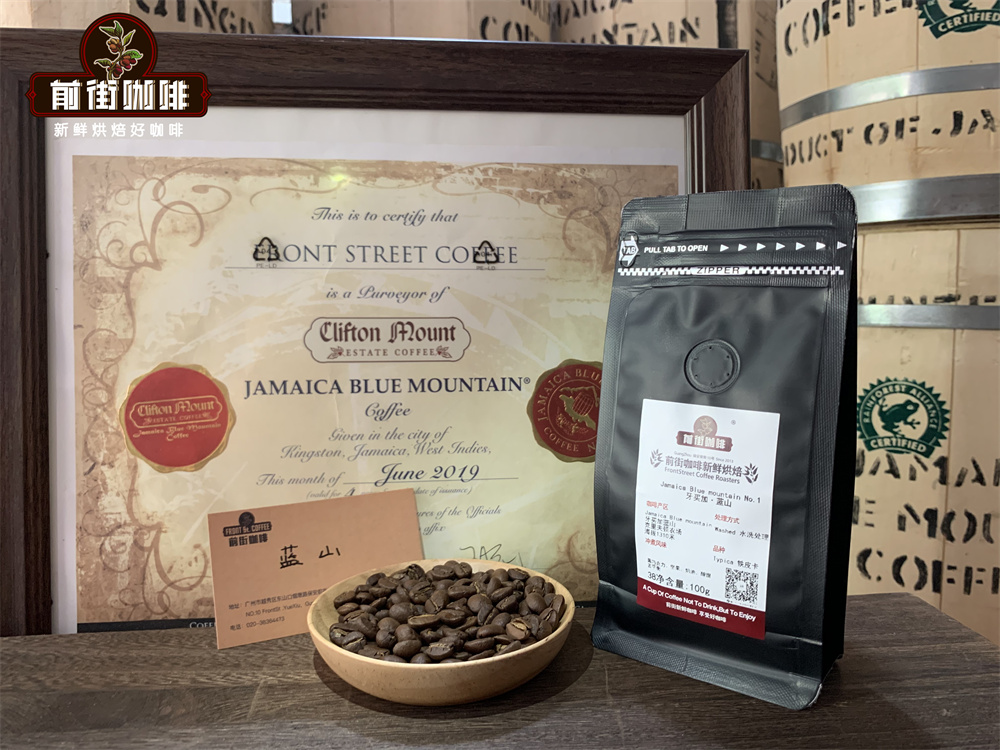
After the 2008 global financial crisis, Jamaica relaxed its export restrictions. With the expiration of the agreement with Japan, more Blue Mountain coffee has entered international markets, including China. Today, consumers can more easily purchase Blue Mountain coffee, but its rarity and cultivation costs still keep prices at a premium level. It’s important to note that the so-called “Blue Mountain” coffee commonly found on the market—if priced too low (for example, just a few dozen yuan per pack)—is very likely to be counterfeit or a blend. You can refer to trustworthy sources for pricing; for instance, Blue Mountain No. 1 is typically around 158 yuan per 100 grams, and a pour over cup costs about 60 yuan—prices that are relatively reasonable and ensure quality.
The grading system for Blue Mountain coffee is established by the Jamaica Coffee Industry Board (CIB) and is one of the earliest systems to scientifically evaluate coffee quality. The evaluation criteria include green bean size, color uniformity, defect rate, moisture content, and cupping performance. Based on bean size and defect ratio, Blue Mountain coffee is divided into four grades: Blue Mountain No. 1, Blue Mountain No. 2, Blue Mountain No. 3, and Blue Mountain Peaberry. Among them,Blue Mountain No. 1 must have beans sized 17 mesh or larger, a defect rate below 3%, and a moisture content of about 13%, and demonstrate rich chocolate and nut aromas, low acidity, smooth mouthfeel, and a lingering aftertaste in cupping.
To ensure the coffee remains in optimal condition during transport, Jamaica insists on using traditional handmade wooden barrels for green beans. This not only helps prevent moisture but has also become a symbolic hallmark of Blue Mountain coffee. For roasting, the approach is medium-dark, aiming to highlight the distinctive chocolate and nut tones of Blue Mountain coffee while preserving moderate acidity and sweetness, resulting in a balanced and layered flavor profile.
 For brewing, it is recommended to use a KONO filter cone, with a coffee grind fineness of 75% passing through a standard 20-mesh sieve. Water temperature should be controlled at 88°C, and the classic three-stage pouring method is advised. Specific parameters are as follows: 15 grams of coffee grounds, with a 1:15 coffee-to-water ratio. The first step is a 30-second bloom with 30 grams of water; the second step involves pouring 95 grams of water in a steady circular motion from the inside out until the water level drops to two-thirds of the filter cone, followed by a third pour of 100 grams of water. Maintain a slow, steady stream throughout, with total extraction time of about 2 minutes, then remove the filter cone and gently swirl before enjoying.
When you brew Blue Mountain coffee correctly, you’ll immediately detect intense nutty and caramel aromas. Upon tasting, the richness of dark chocolate intertwines with the sweetness of nuts, offering a smooth and layered mouthfeel, with a clean and lingering aftertaste—a truly unforgettable premium coffee experience.
The above content is compiled by CoffeeHunters, a coffee news website.


