







Introduction:Although the siphon coffee maker is relatively complex to operate, its unique visual effects and flavor profile have made it a favorite among coffee enthusiasts. This article will delve into the working principles of the siphon brewer, clarify common misconceptions, and provide a detailed step-by-step guide to proper operation—helping you avoid potential risks such as explosions and brew distinctive siphon coffee safely and smoothly.
The siphon coffee maker has always held a place in both home and professional coffee brewing. Although its cleaning and operation steps are more complicated than those of typical drip or pour over methods, its unique visual experience and coffee flavors continue to captivate many coffee lovers. This article will give you a comprehensive understanding of the siphon brewer’s mechanism, debunk common misunderstandings, and offer clear, easy-to-follow steps so you can enjoy the brewing process while avoiding potential dangers, such as unexpected explosions.
Before you start, it’s recommended that you familiarize yourself with the basic structure and working principle of the siphon brewer. This not only improves your chances of a successful brew but also allows you to operate it with greater confidence. In particular, controlling the heat source and assembling the brewer properly are key factors that affect the final coffee flavor and safety during use.
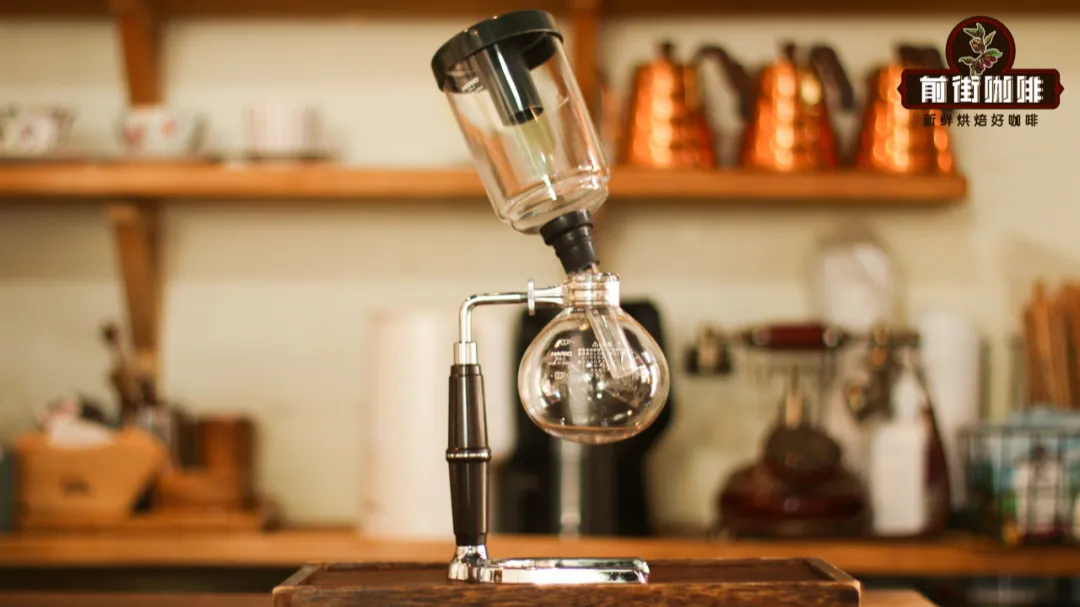
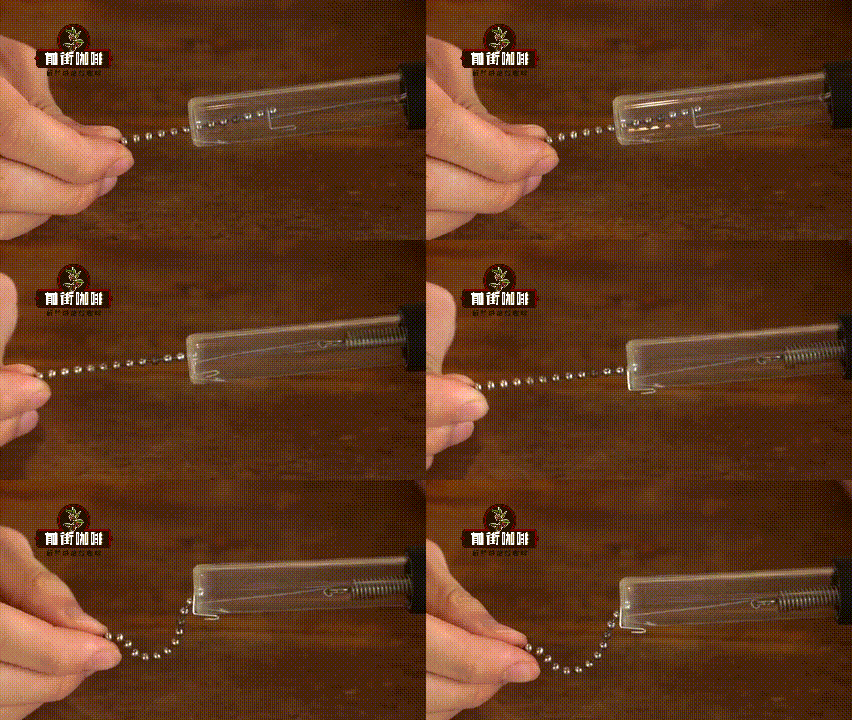
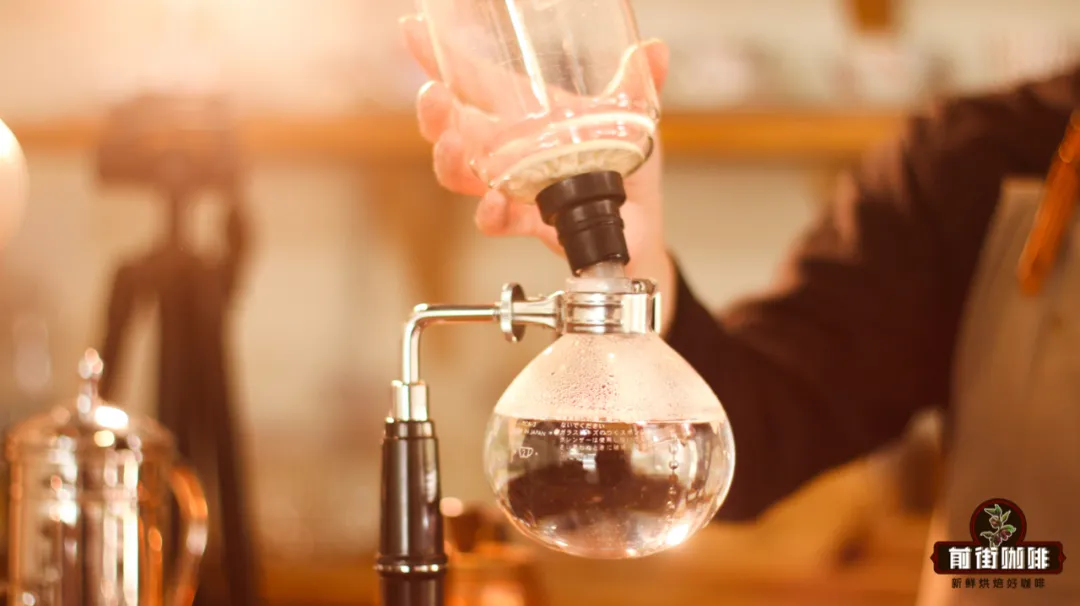
The siphon brewer mainly consists of three components: the stand, the lower chamber, and the upper chamber. The lower chamber is usually spherical in design and is used to heat and hold hot water; its spherical shape helps distribute heat evenly. The upper chamber is cylindrical, with a slender glass tube extending from its bottom. At the narrowed part of this tube is a crucial silicone or rubber seal, which plays an extremely important role during operation. The stand is responsible for stabilizing the upper and lower chambers, ensuring the entire structure remains steady during heating.
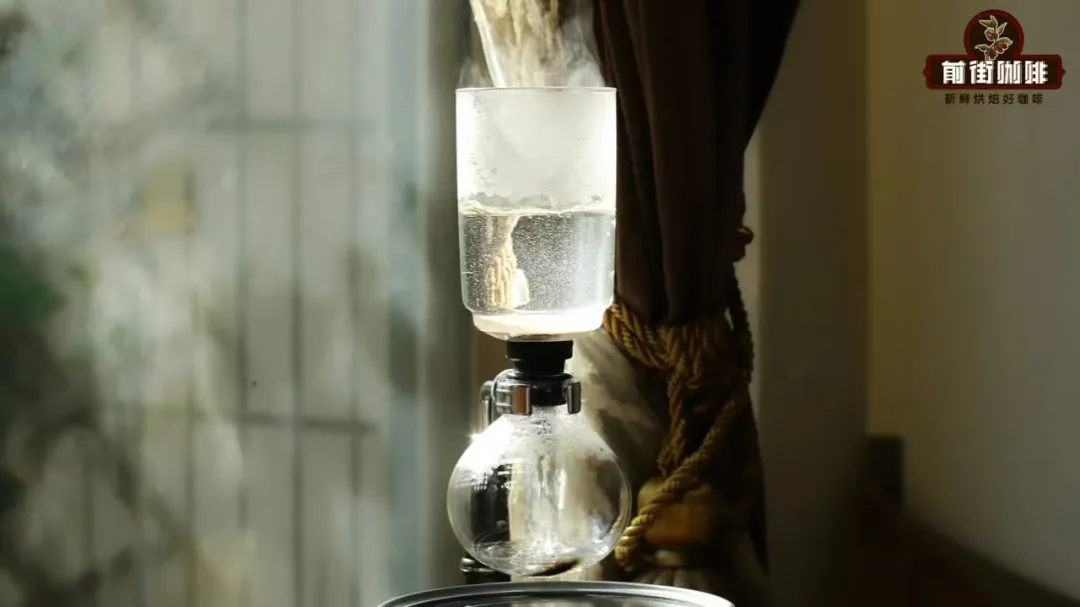
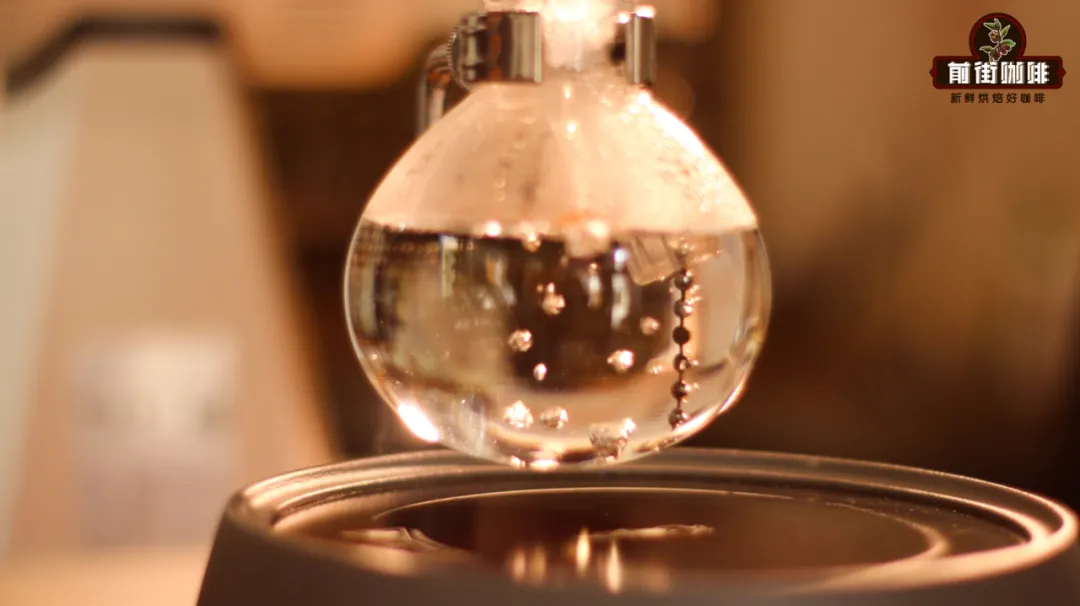
The extraction principle of the siphon brewer is often misunderstood as traditional siphoning, but it actually relies primarily on pressure differences created by heat expansion and contraction to complete the extraction. When the lower chamber is heated, the water inside turns to steam, creating upward pressure that pushes the water into the upper chamber where it mixes with the coffee grounds. After the heat is turned off, the temperature in the lower chamber drops, reducing the pressure, and the extracted coffee is then drawn back down into the lower chamber, completing the process.

When using a siphon brewer, there are some common mistakes that can lead to failure or even pose safety hazards. For example, some users fail to control the heat properly during heating, causing the water in the lower chamber to boil excessively, thereby increasing the risk of an explosion. Additionally, improper installation of the upper chamber or a damaged seal can lead to air leakage or incomplete extraction, affecting the final flavor of the coffee.
Another common misconception is neglecting the choice of coffee grind size. Siphon brewing generally recommends a medium-fine grind, similar to the texture of granulated sugar. Grinds that are too coarse or too fine can affect extraction efficiency and taste. Meanwhile, the coffee-to-water ratio is also advised to be maintained between 1:12 and 1:16, with fine-tuning based on personal taste.
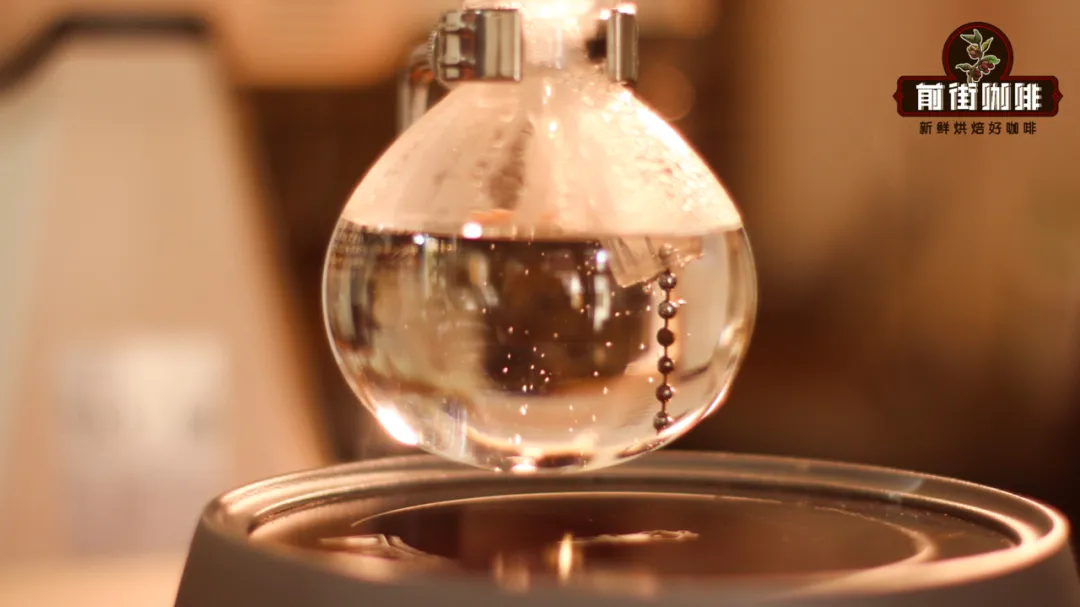
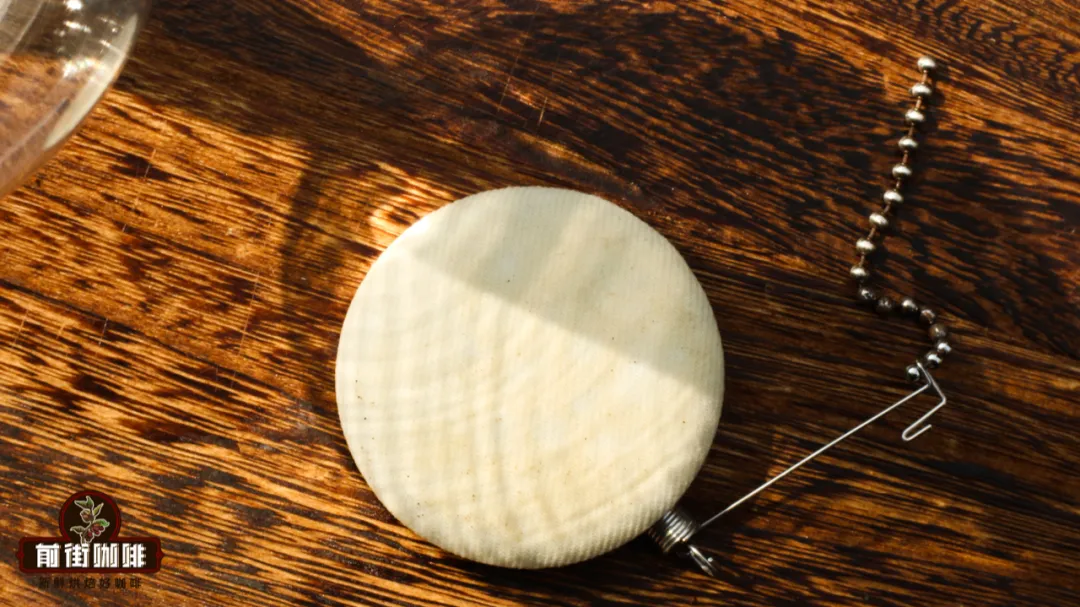
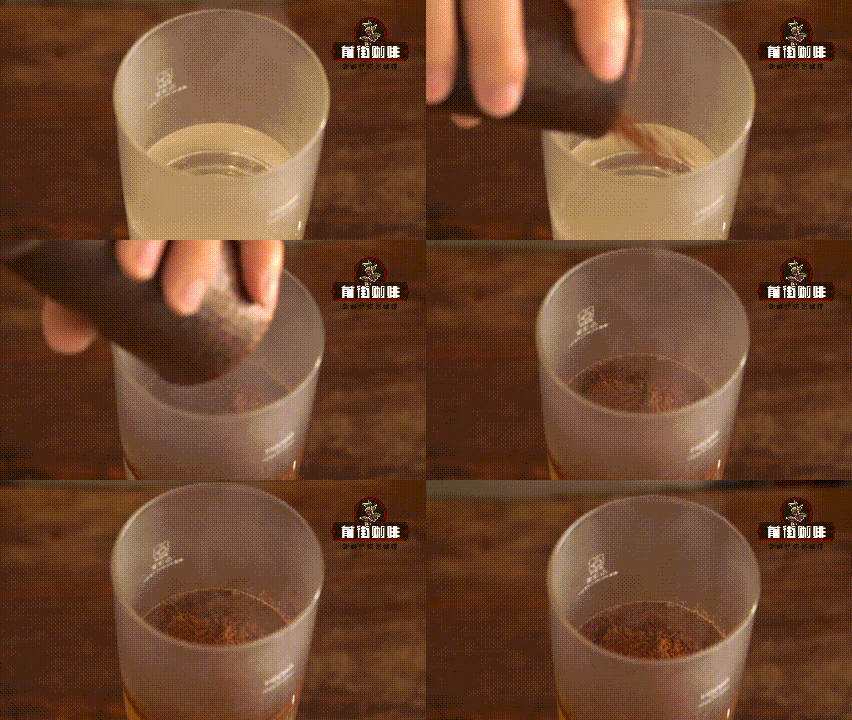
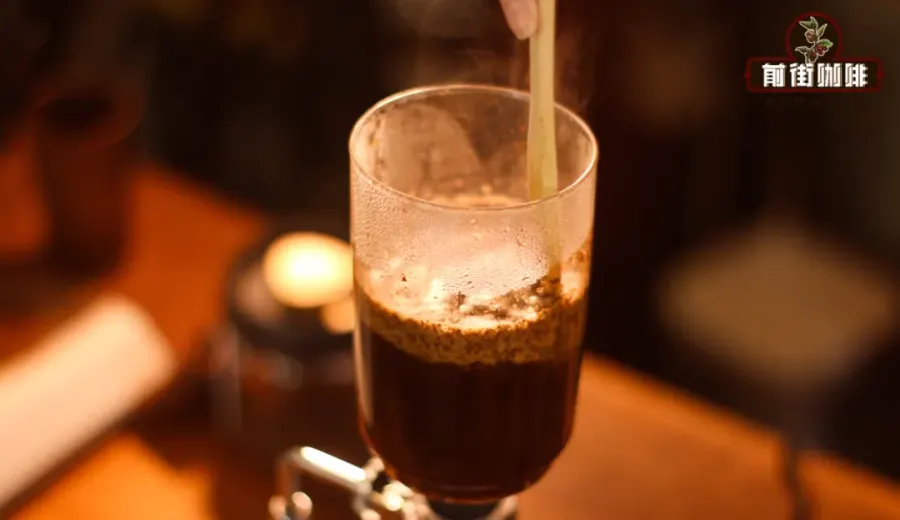
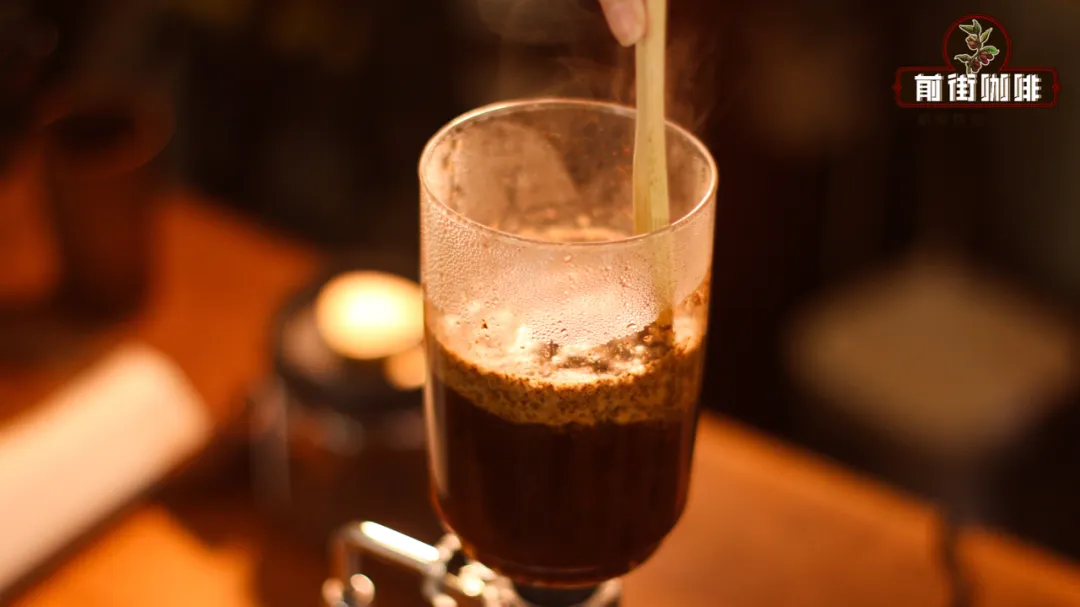
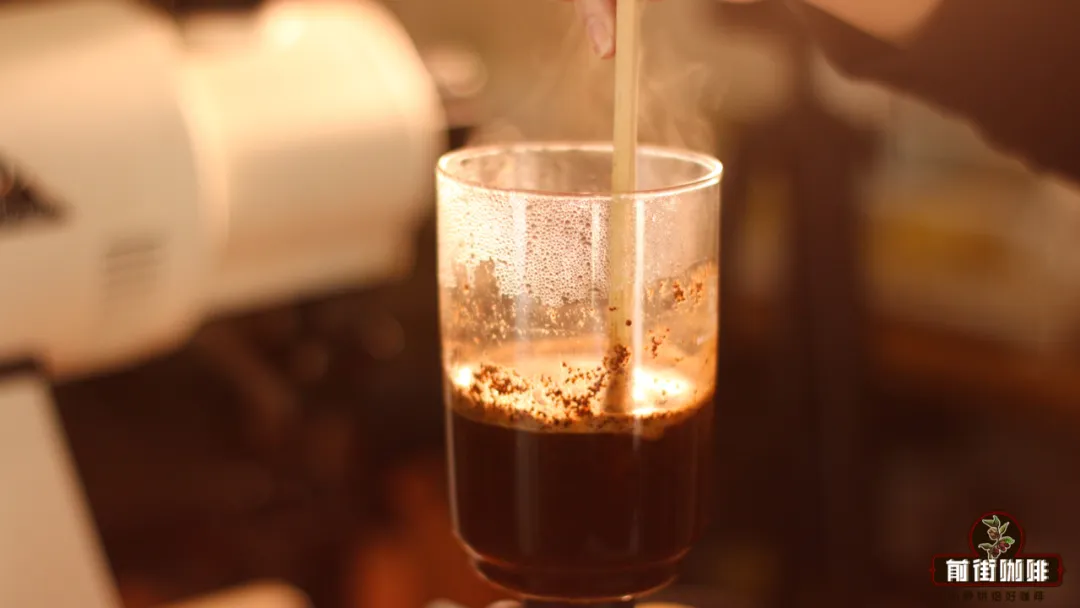
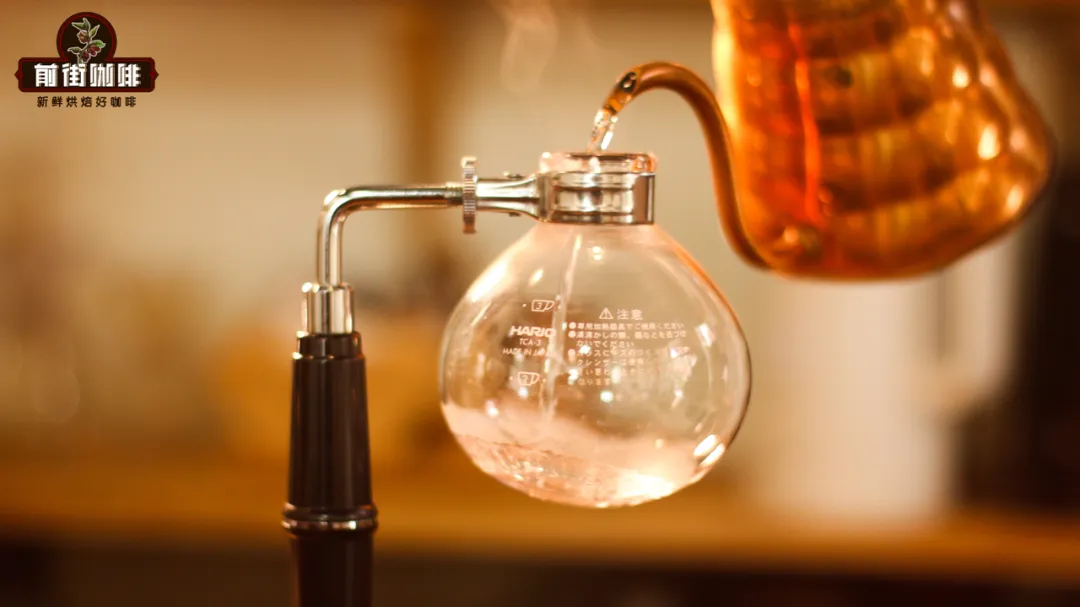
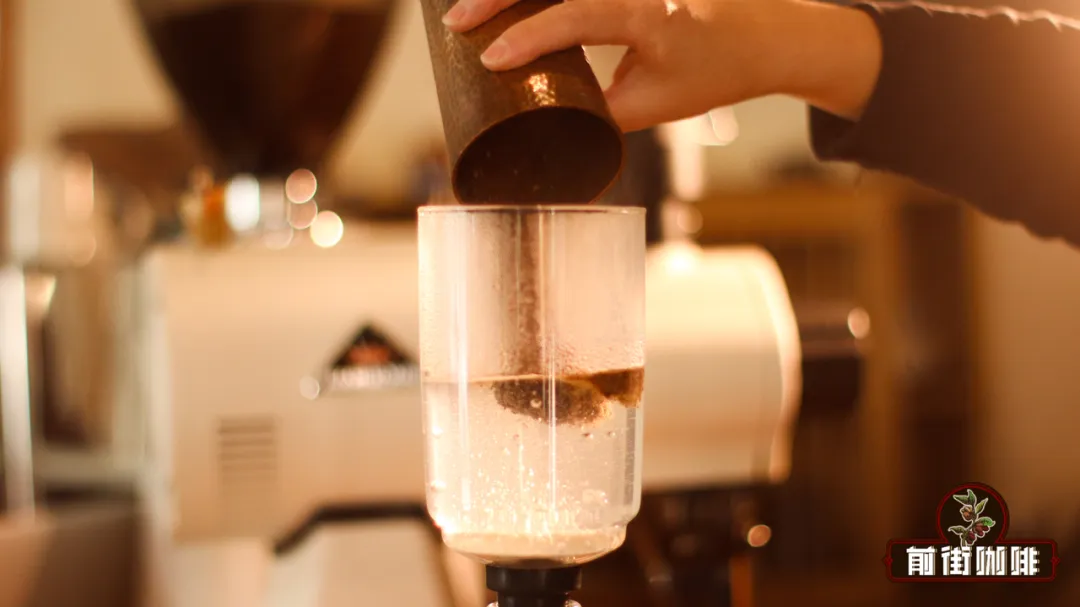
Once preparations are complete, you can move on to the actual brewing steps. First, add an appropriate amount of water to the lower chamber and attach the upper chamber as needed, making sure the seal is properly installed. Start heating the lower chamber. Once the water heats up and rises into the upper chamber, gently stir the mixture of coffee grounds and hot water. It’s recommended to stir for about 10 to 20 seconds to promote thorough extraction. Then let it sit for about 30 to 45 seconds to allow the coffee flavors to fully develop.
After turning off the heat, wait for the lower chamber to gradually cool down. The brewed coffee will naturally flow back down into the lower chamber, a process that usually takes about 30 seconds to 1 minute. Observe the回流 (reflow) process; if it’s incomplete, it may be due to poor sealing or excessive heat. Finally, pour the coffee from the lower chamber and enjoy a cup of uniquely flavored siphon coffee.
The above content is compiled by CoffeeHunters, a coffee news website.


