







Introduction:Colombia is the world’s second-largest producer of Arabica coffee, renowned for its high altitudes and diverse growing regions. This article delves into the distribution of Colombian coffee-growing regions, the main cultivated varieties, the characteristics of washed processing, and the grading system. It also provides practical pour over brewing tips and roasting references to help you fully grasp the essence of Colombian coffee—from bean selection to brewing.
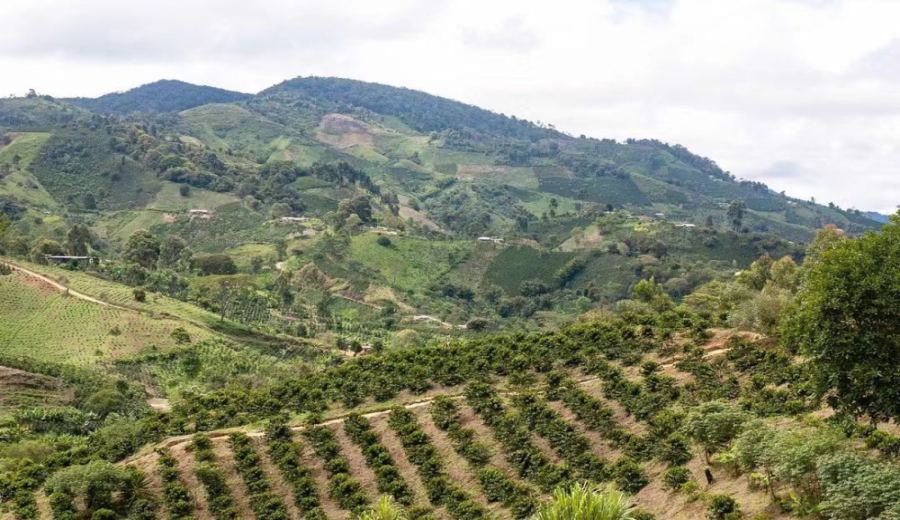
Colombia’s unique geographical environment makes it one of the world’s key Arabica coffee producers. The combination of low latitude and high altitude not only ensures stable year-round climate and even rainfall but also creates microclimates ideal for coffee tree growth. Coffee here can be harvested twice a year, with most plantations situated between 1,200 and 1,900 meters above sea level, offering optimal conditions for specialty coffee.
In the past, Colombian coffee was often used in commercial blends, valued for its stable, rich body and moderate acidity, typically roasted dark. However, with the rise of the specialty coffee trend, high-altitude regions in southern Colombia have gradually emerged, gaining market favor for their delicate berry notes, bright acidity, and caramel sweetness.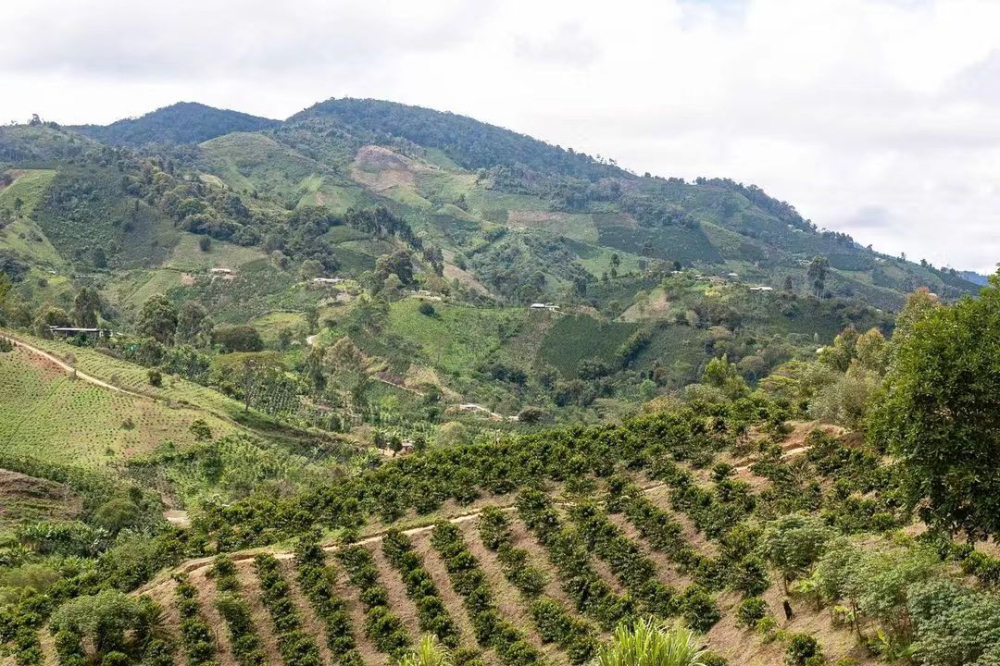
Colombian coffee-growing regions can generally be divided into two categories: specialty regions and commercial regions. Specialty coffee mainly comes from high-altitude areas in the south, including departments such as Cauca, Huila, Meta, Tolima, and Nariño. These regions generally sit above 1,500 meters in altitude, and their coffees often exhibit pronounced berry, floral, and caramel sweetness, making them ideal for those who enjoy layered flavors. Commercial-grade coffee, on the other hand, is mostly produced in central and northern areas such as Medellín, Armenia, and Manizales. Its flavor profile tends toward mild fruit acidity paired with nutty and caramel notes, suitable for everyday drinking or as an espresso base.
In terms of varieties, the most widely planted in Colombia are Caturra and Catuai. Caturra is a natural mutation of Bourbon, with a compact tree structure that facilitates harvesting but is less resistant to diseases. Catuai, a hybrid of Caturra and Mundo Novo, offers stronger resistance to wind and rain, with firm fruit, though it is more challenging to harvest. Additionally, Colombia cultivates Castillo, a variety developed by CENICAFE since 2002, known for its excellent resistance to leaf rust. Since its large-scale promotion in 2008, it has become the mainstream. There is also the “Colombia variety,” named after the country, which is a Catimor-type hybrid with flavors closer to Arabica than typical Catimors, while retaining high yield and disease resistance.
The processing method for Colombian coffee is predominantly washed, especially for specialty-grade beans, which often come from small and medium-sized farms with more precise quality control. After harvesting, the coffee cherries undergo flotation to remove unripe or overripe floaters, followed by mechanical removal of the outer skin and pulp, leaving beans coated in mucilage. These mucilage-covered beans then enter fermentation tanks, where they rest for 16 to 36 hours, allowing microbes to break down the mucilage. Finally, they are rinsed with clean water and dried either in the sun or mechanically. This processing method highlights the coffee’s cleanliness and intrinsic flavors, which is why many specialty beans opt for washed processing.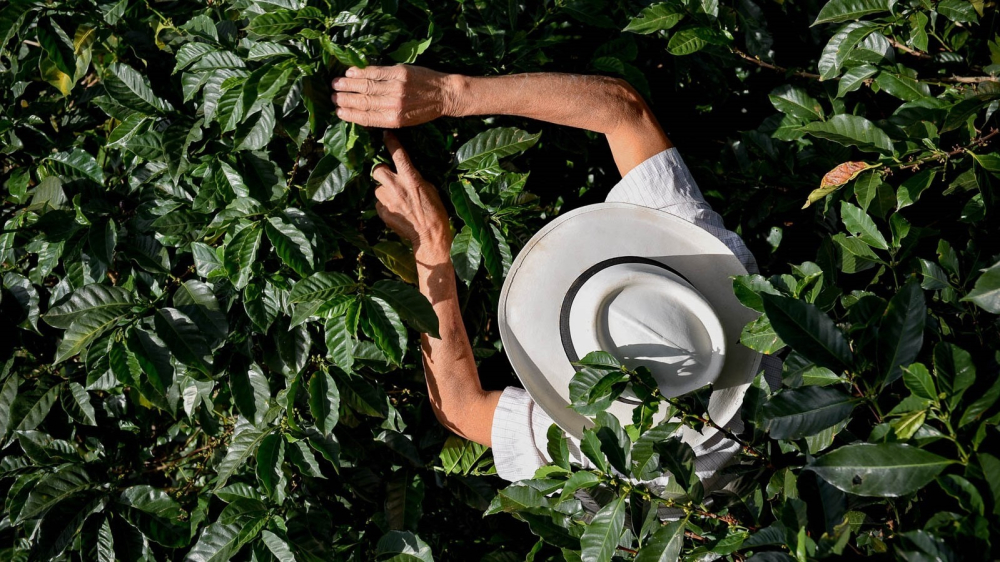
Colombia’s coffee grading system is primarily based on bean size rather than flavor profile. The highest grade, “Supremo,” indicates that over 80% of the beans are 17 mesh or larger, but this does not directly equate to superior flavor. Therefore, when purchasing, it’s advisable to pay special attention to regional information. Products from southern regions such as Cauca and Huila often specify the province and farm name, offering higher flavor potential. If no specific region is indicated, the beans are usually intended for general commercial use.
In terms of roasting, to preserve the gentle acidity and sweetness of Colombian coffee beans, many roasters opt for medium roasting, extending the time from turning yellow to the first crack to bring out richer caramel and nutty tones. At the same time, to ensure flavor freshness, it’s recommended to choose coffee beans roasted within five days of packaging for optimal extraction performance.
When pour over brewing Colombian coffee, you can use a V60 dripper, leveraging its large aperture and spiral ribs to enhance drainage efficiency and extraction uniformity. It’s recommended to set the water temperature at 90–91°C, with a grind size similar to fine sugar or about 80% passing through a Chinese standard No. 20 sieve. The coffee-to-water ratio should be 1:15. A three-stage pouring method can be employed: the first pour adds 30 grams of water for a 30-second bloom, followed by 95 grams (totaling approximately 125 grams) poured continuously until about 1 minute. When the water level drops to two-thirds of the coffee bed, add the remaining 100 grams (totaling about 225 grams) until 1 minute and 40 seconds, and complete the drip filtration at 2 minutes.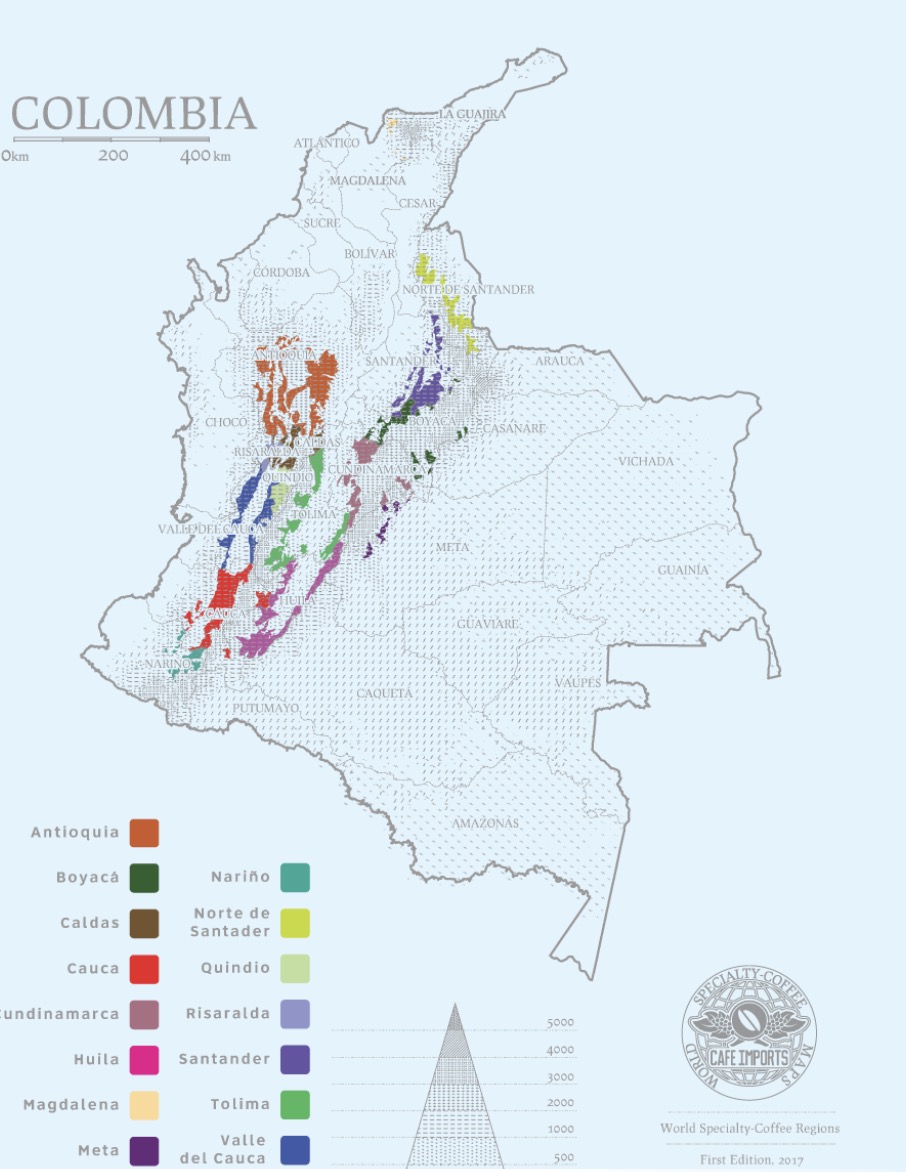
The above content is compiled by CoffeeHunters, a coffee news website.


