








Introduction:Sidamo is a renowned highland region in southern Ethiopia, famous for its diverse processing methods and rich flavor profiles. From bright washed citrus notes to bold natural fruit jam characteristics, and even the complex layers of top-tier Huila 8.0, this land produces many astonishing specialty coffees. This article delves into the geographical features, processing techniques, roasting recommendations, and practical brewing parameters of the Sidamo region, helping you fully grasp the charm of this classic coffee bean.
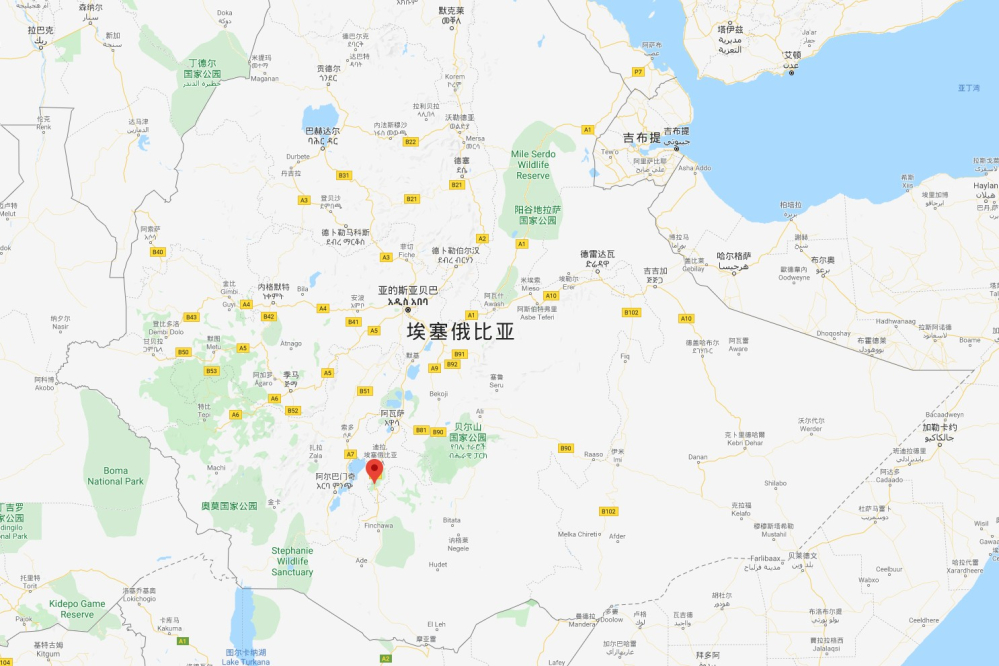
When it comes to Ethiopian specialty coffee, many people first think of the refreshing floral and fruity aromas of Yirgacheffe. However, the Sidamo region, also located in the south, boasts equally high quality and versatile flavor potential. Known as the homeland of "garden coffee," this area not only nurtures many classic processing styles but also, thanks to its unique microclimate and high-altitude environment, creates a remarkable spectrum of coffee beans that excel in both washed and natural styles.
Sidamo coffee beans often vary in size, with greenish-gray raw beans—especially smaller ones—and an elongated oval shape. The most captivating aspect of this region’s coffee lies in its flavor diversity: washed processing imparts clear lemon acidity and herbal aromas, bright and layered; natural processing showcases intense fruitiness, sweet caramel tones, and a jam-like richness. Whether you prefer a refreshing acidity or a bold sweetness, Sidamo offers options to match.

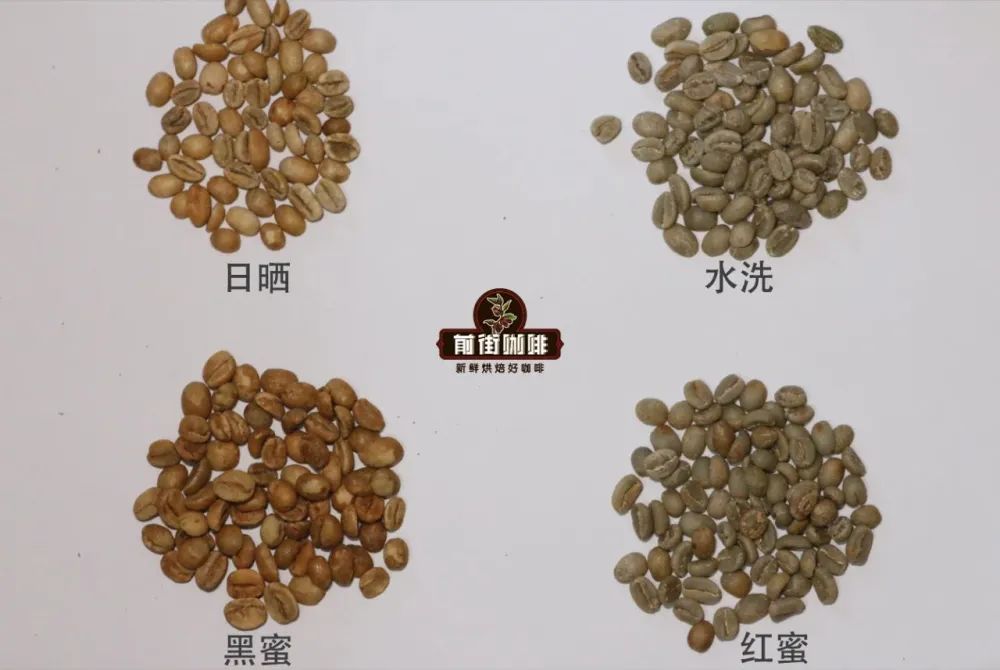
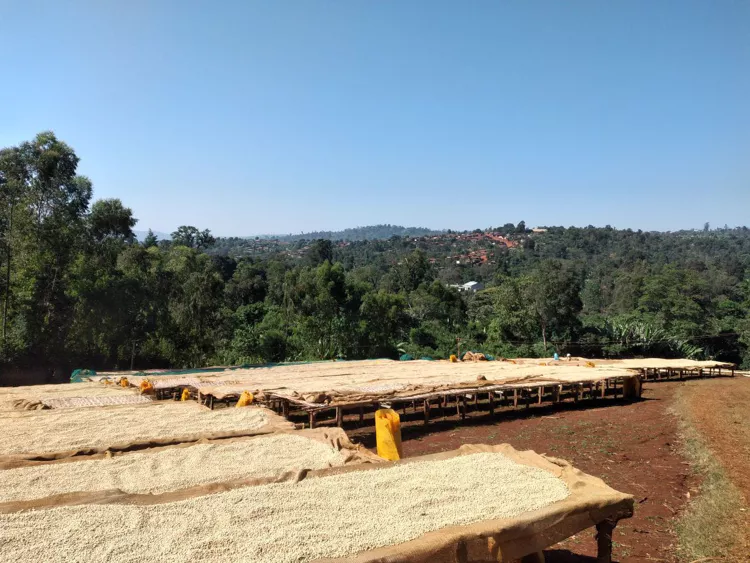
In terms of processing methods, Sidamo’s washed beans typically use traditional water tank fermentation: defective cherries are first removed, then pulp is broken down with pectinase, followed by fermentation in water tanks, washing, and finally drying on African raised beds until moisture content reaches around 12%. This method preserves the coffee’s original acidity and floral-fruity character, ideal for those who enjoy a clean cup. In contrast, natural processing involves spreading parchment coffee directly under the sun for prolonged drying, with regular turning to ensure evenness. This deepens sugar conversion, yielding complex aromas such as tropical fruits, berries, and even honey, resulting in pronounced sweetness and a fuller, rounder mouthfeel.
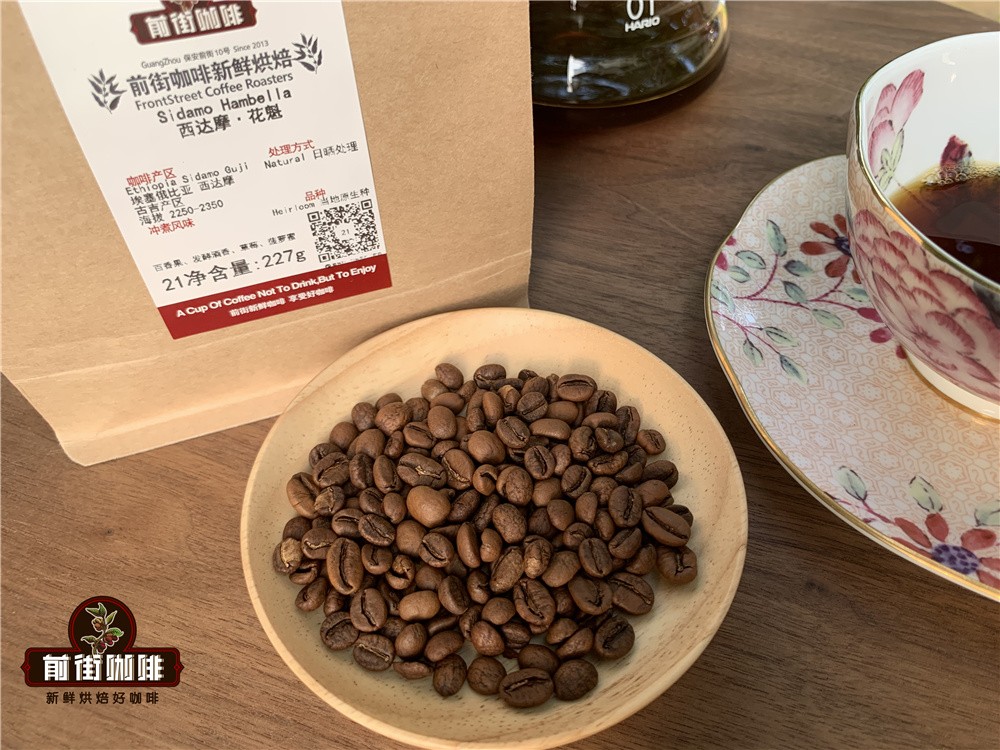
Among Sidamo’s sub-regions, several are well-known, including the birthplace of Huila coffee—Hambella (administratively part of Guji but geographically and culturally closely tied to Sidamo). Hambella is famed for its high altitude and significant diurnal temperature variation, making it an excellent environment for cultivating premium natural beans. Notably, “Huila 8.0,” produced by the renowned local processor Buku Abel, stands out with its intense strawberry, passionfruit, and oolong tea aromas, high sweetness, and distinct fermentation character, becoming a star bean in recent years.
Beyond Hambella, other Sidamo sub-regions like Shantawene and West Arsi also have their own unique traits. West Arsi, located in western Sidamo and adjacent to Yirgacheffe and Harrar, is dominated by smallholder farming, with an average plot size of about 2 to 3 hectares per household. Coffees from this area often exhibit berry, honey, and nectarine fruit notes, with jam-like richness particularly prominent when hot, shifting to softer juice-like flavors as they cool. It’s ideal for coffee lovers who enjoy fruity, layered, and complex profiles.
The unique flavors of Sidamo coffee are inseparable from its geography and agricultural environment. Situated at altitudes between 1700 and 2200 meters on a plateau, the region features deep volcanic soil—fertile and well-draining—enriched by organic matter naturally deposited by surrounding trees, providing essential nutrients for coffee trees. The diverse microclimates and soil conditions mean that even within the same region, beans with vastly different flavors can be produced, which is key to Sidamo’s ability to span flavors from bright citrus to rich fruit jam.
Regarding processing techniques, in addition to traditional washed and natural methods, some processors have begun experimenting with honey processing or anaerobic fermentation to further expand flavor possibilities. However, for most consumers, washed and natural remain the most direct ways to experience the essence of Sidamo’s flavors. Washed processing highlights the beans’ “true nature,” making it ideal for single-origin appreciation; natural processing enhances sweetness and fermentation layers, often used to craft bold-flavored pour overs or filter coffees.
If you’re planning to brew Sidamo coffee at home, opt for light to medium roasted beans to fully showcase their acidity and aroma. We recommend using a V60 dripper, with water temperature at 90°C, a coffee-to-water ratio of 1:15, and grind size roughly equivalent to 80% passing through a Chinese No. 20 sieve (close to medium-fine). Here’s the specific method: start with a bloom—pouring twice the coffee’s weight in water (e.g., 30g water for 15g coffee)—for 30 seconds to release CO₂; then add water in small circular motions up to 125g, pause briefly, and continue pouring until you reach a total of 225g. Total brew time should be around 2 minutes. These parameters balance acidity, sweetness, and body, suiting most Sidamo washed and natural beans.
In terms of flavor, natural-processed West Arsi coffee often features pronounced berry and honey aromas, with rich fruit jam sweetness on the palate, and a silky, nectarine-like juiciness in the finish—even when cooled, it retains a vibrant fruit profile. Meanwhile, Huila 8.0 presents a multi-layered tropical fruit experience, with interwoven citrus, passionfruit, and strawberry notes, paired with an oolong tea-like finish where sweetness and mild fermentation character complement each other, delivering a taste that’s both familiar and astonishingly delightful.
In summary, the Sidamo region, with its diverse sub-regions, rich processing methods, and exceptional geographical conditions, produces specialty coffee beans with remarkably layered flavors. Whether you prefer bright, clean washed beans, sweet and bold natural batches, or even the high-fermentation complexity of top-tier Huila series, this land offers an unforgettable coffee experience. By understanding regional characteristics, processing differences, and suitable brewing parameters, you’ll be able to more deeply appreciate the unique charm of Sidamo coffee.
The above content is compiled by CoffeeHunters, a coffee news website.


