







Introduction:The washed processing method is a classic technique in high-altitude regions such as Yirgacheffe, Ethiopia, delivering coffee with bright acidity and clear layered flavors. This article delves into the six key steps of washed processing—from floatation sorting to parchment drying—explaining how it shapes a clean cup profile and stable quality. It also provides a professional roast profile and V60 pour over brewing guide for Yirgacheffe Grade 1 heirloom variety "GuDingDing," accompanied by practical flavor notes to help you master the essence of brewing washed beans.
Known for its vibrant acidity and refreshing taste, the washed process is especially well-suited to highlighting the unique terroir of high-altitude growing regions. Take Ethiopia’s Yirgacheffe, for example—this method preserves the coffee bean’s most original fruity acidity while ensuring a clear and coherent flavor profile. From post-harvest floatation grading to the final storage of parchment beans, every step influences the final cupping performance.
Breakdown of the Standard Washed Processing Workflow
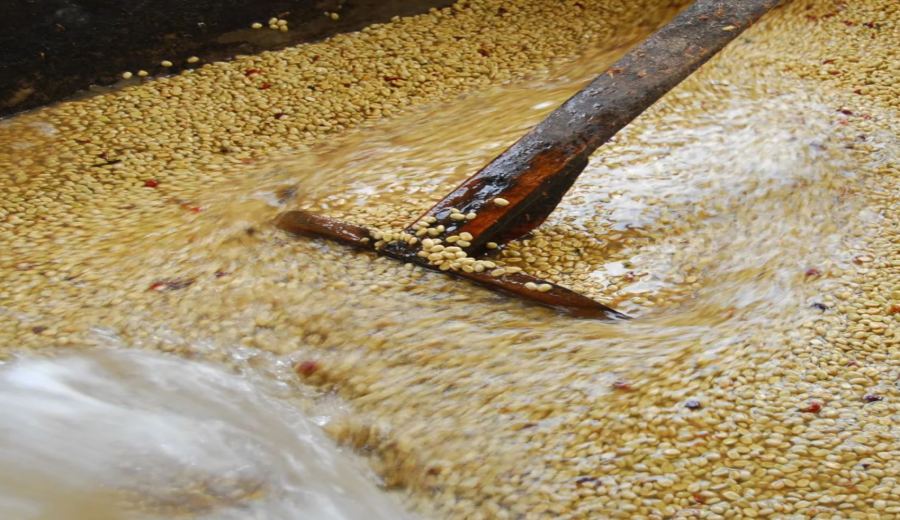
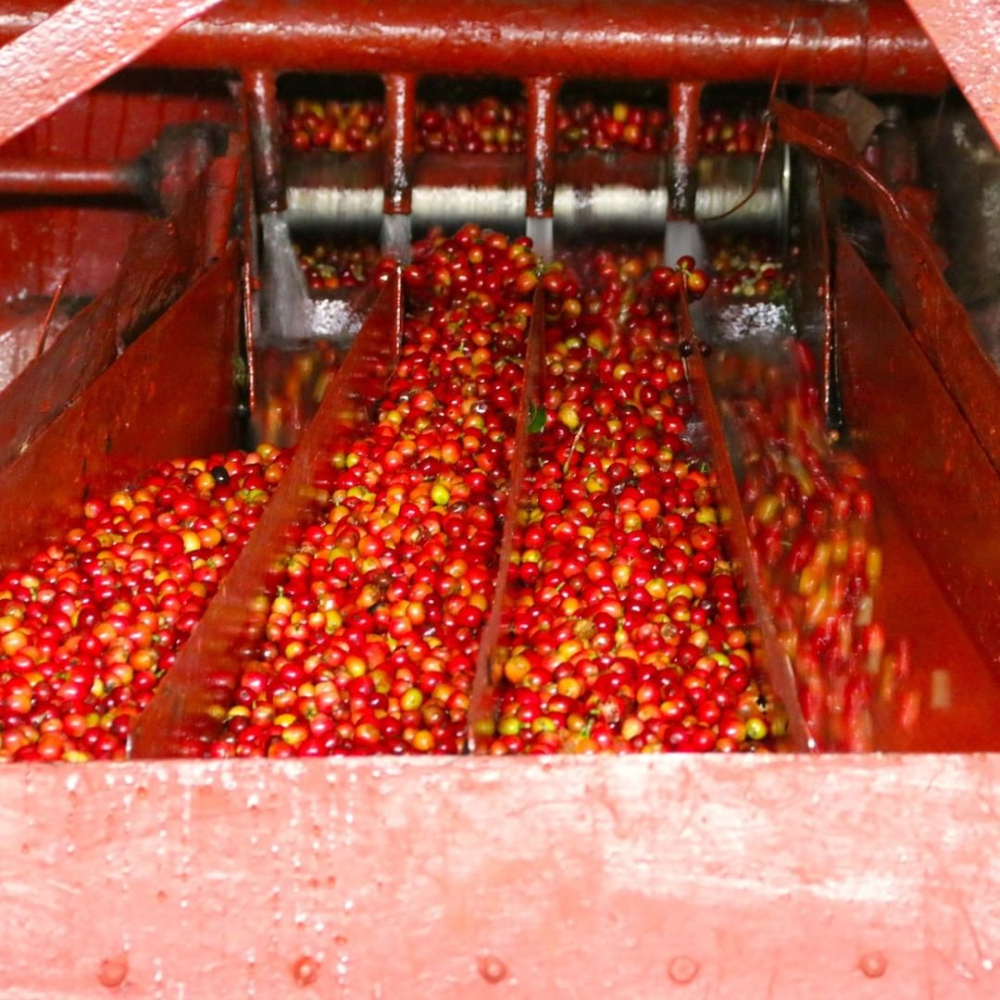
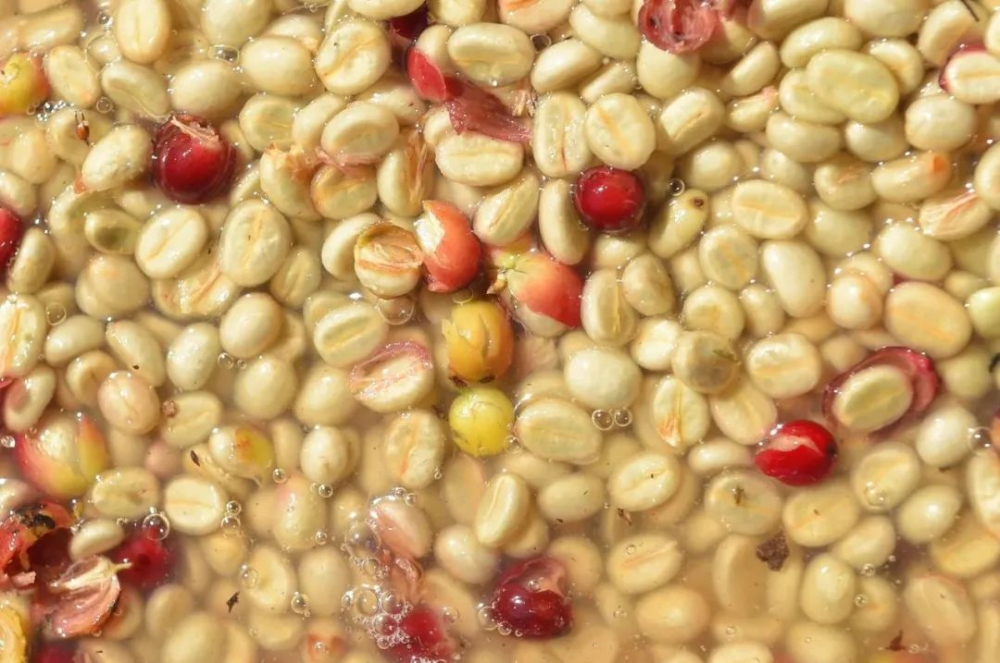
The process begins within6 to 12 hoursafter the coffee cherries are harvested, requiring swift transportation to the processing facility for initial selection. The first step isfloatation tank screening: the coffee cherries are poured into a still water bath, where underripe or overripe defective cherries, being of lower density, naturally float to the surface and are skimmed off by workers to eliminate quality-impacting floaters. Next, adepulperis used to remove the fruit flesh and the sticky mucilage layer, exposing the green bean encased in its silver skin.
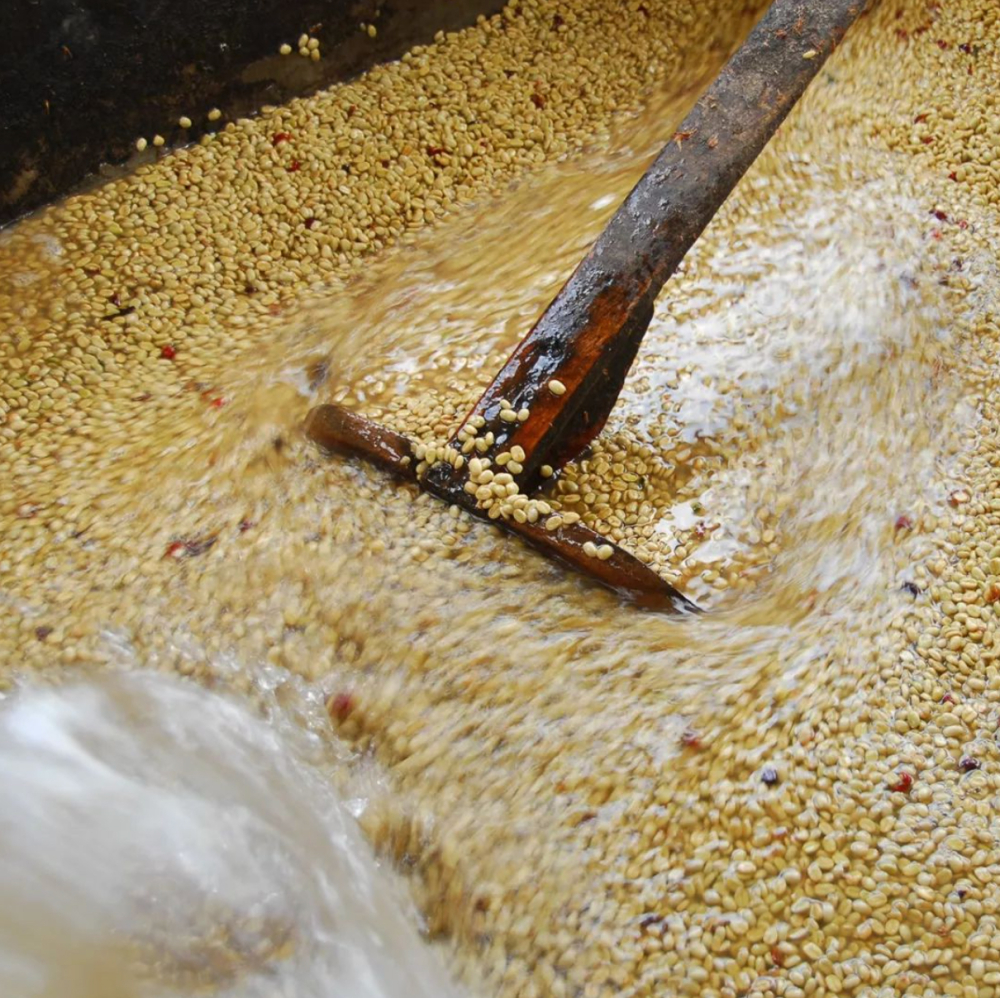
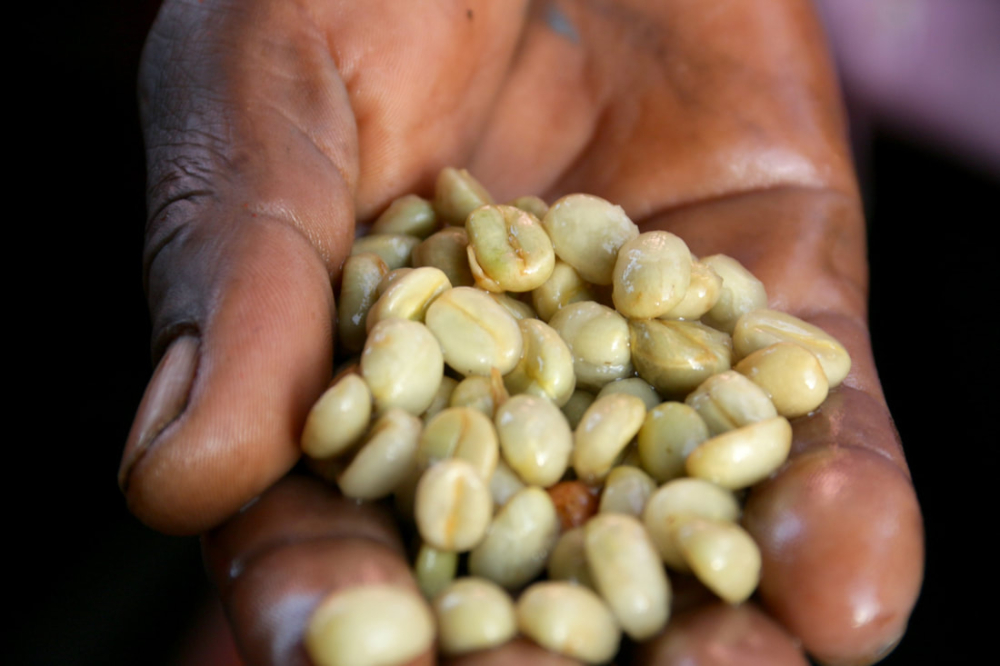
The crucialfermentation and mucilage removal stagelasts between 18 to 36 hours, adjusted according to ambient temperature: fermentation proceeds faster in warmer regions and requires a longer duration in colder conditions. During this phase, microbes break down the sugars in the mucilage, producing alcohols and organic acids that lay the foundational flavor profile of the coffee. Once fermentation is complete, the beans are thoroughly rinsed with clean water until all slippery mucilage residues are removed, revealing the gray-green green beans still wrapped in their silver skins.
The subsequentdrying processis highly meticulous: the washed parchment beans are evenly spread out on African raised beds or concrete patios and turned 3–4 times daily to prevent mold. Ideal drying conditions gradually reduce the moisture content from an initial 55% down to 11%, typically taking 5 to 14 days. The final parchment layer effectively protects the green beans, helping them maintain stability during transport and storage.
Technical Advantages and Limitations of the Washed Method
Compared to natural (sun-dried) processing, washed coffee beans contain fewer impurities and exhibit a more uniform and intact appearance. Since the perishable fruit flesh is removed early on, the risk of fermentative off-flavors is greatly reduced, resulting in excellent consistency in quality.However, this method consumes a significant amount of water(approximately 15–20 liters per kilogram of green beans), making it difficult to implement in water-scarce regions.
Key Roasting and Brewing Parameters
For Yirgacheffe Grade 1 heirloom variety "GuDingDing," it is recommended to usea medium-light roast(with development time accounting for 15–20% of the total roast). The charge temperature is set at 180°C, reaching the yellowing point (149.9°C) at the 5-minute mark, with first crack starting at 8 minutes and 42 seconds (183.8°C), and the coffee being dropped at 1 minute and 48 seconds after first crack at 193.5°C. This roast curve enhances bright citrus acidity while retaining a honey-like sweet finish.
For pour over brewing, the V60 filter cone is recommended (using a 1:15 coffee-to-water ratio),with water temperature controlled at 90–91°Cto fully extract the fruity acid compounds. The grind size should be similar to fine sugar (80% passing through a #20 sieve), using a three-stage pouring method: the first stage involves a 30-second bloom with 30 grams of water, the middle stage adds water up to 95–125 grams, and the final stage brings the total to 225 grams to complete extraction. This parameter balances the upfront notes of citrus and black tea with lingering hints of caramel and almond, showcasing the classic Ethiopian washed flavor profile.
When storing parchment beans, keep the environment dry and well-ventilated, with relative humidity preferably below 60%. Prior to export, the hulling process removes the parchment layer, and the green beans should maintain an ideal moisture content of 11–12%. Understanding these processing details will help coffee enthusiasts better appreciate the intricacies of the washed method.
The above content is compiled by CoffeeHunters, a coffee news website.


