







Introduction:Colombia is the world’s second-largest producer of Arabica coffee, renowned for its low-latitude, high-altitude environment. However, its coffee bean grading system is often misunderstood—especially whether Supremo equates to high quality? This article delves into Colombia’s coffee-growing regions, variety characteristics, processing differences, and the truths behind its official grading standards, while also providing practical pour over parameters and flavor profiles for different beans to help you find your ideal choice.
As the world’s second-largest Arabica coffee producer after Brazil, Colombia benefits from its location in the low-latitude region north of the equator, along with mountainous terrains at elevations between 1200 and 1900 meters, creating an optimal environment for specialty coffee cultivation. Nevertheless, many people still hold misconceptions about Colombia’s coffee grading system, assuming that beans labeled “Supremo (Premium)” must be the most delicious. In reality, this grade is determined solely by bean size and has no direct relation to flavor performance.
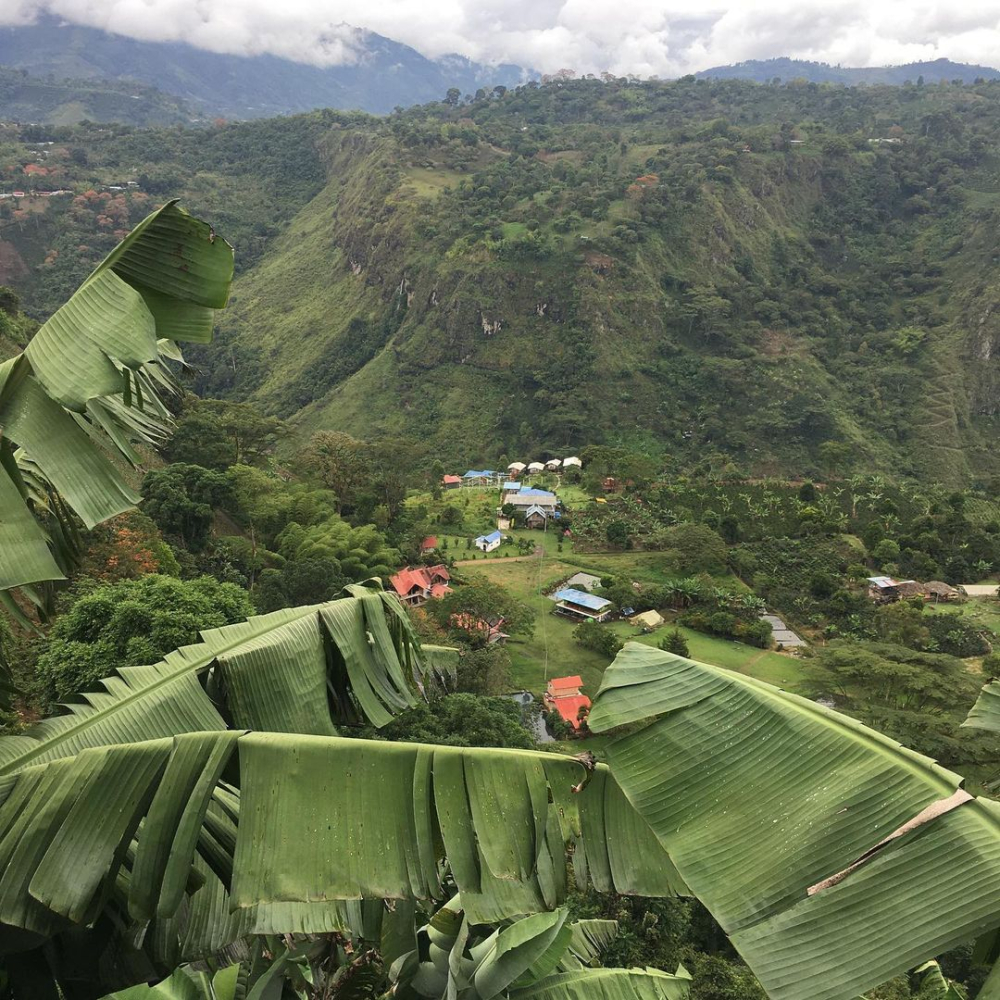
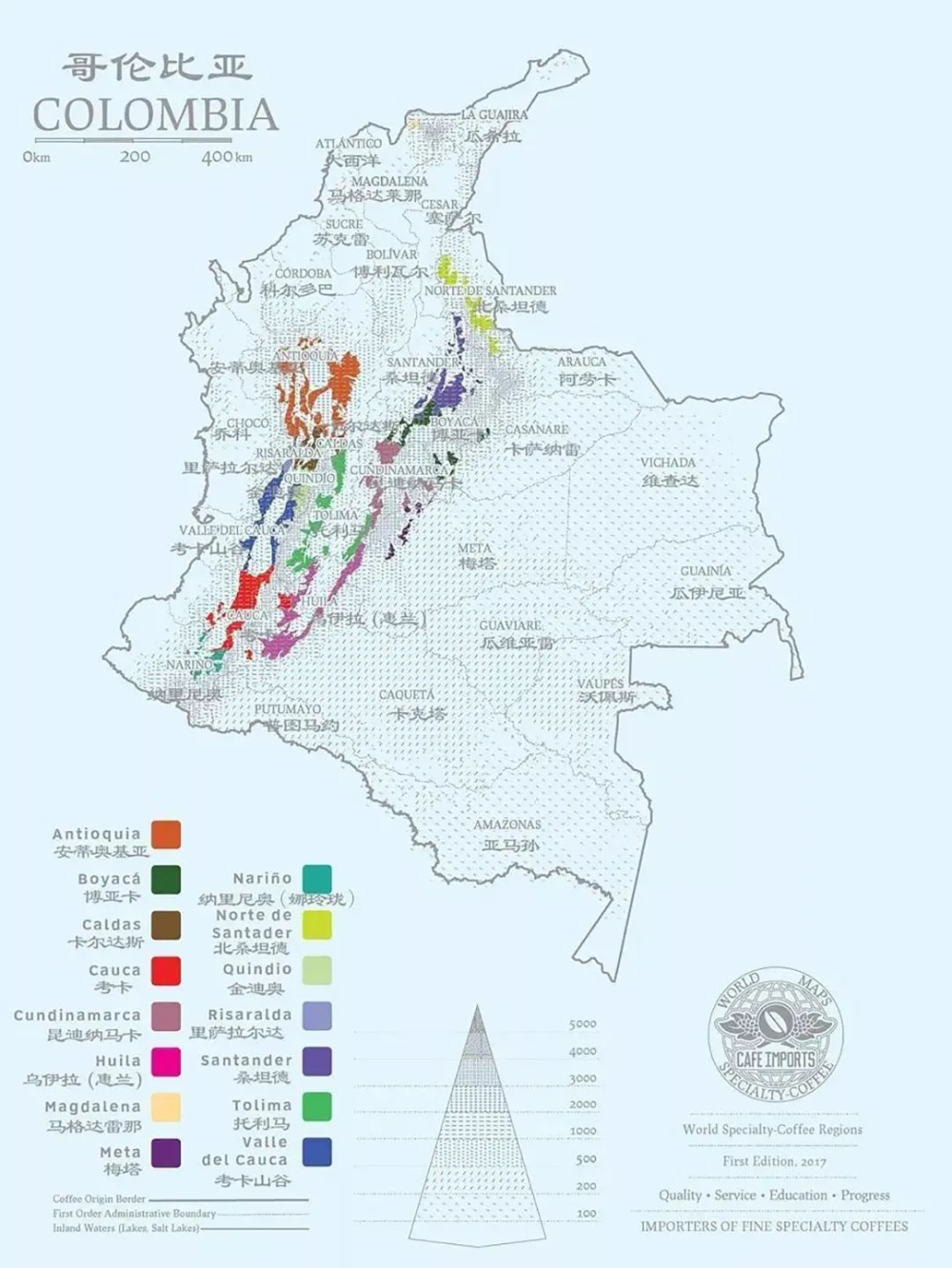
Situated between 3° and 8° north latitude, Colombia experiences year-round temperatures of 25–28°C and even rainfall distribution, allowing coffee trees to bear fruit almost all year and even yield two harvests annually. For market convenience, local regions are primarily divided into two categories: specialty and commercial. Specialty-grade coffee typically comes from southern regions at elevations above 1500 meters, such as Cauca, Huila, Meta, Tolima, and Nariño. Coffees from these areas often exhibit pronounced berry and citrus acidity along with sweet caramel notes.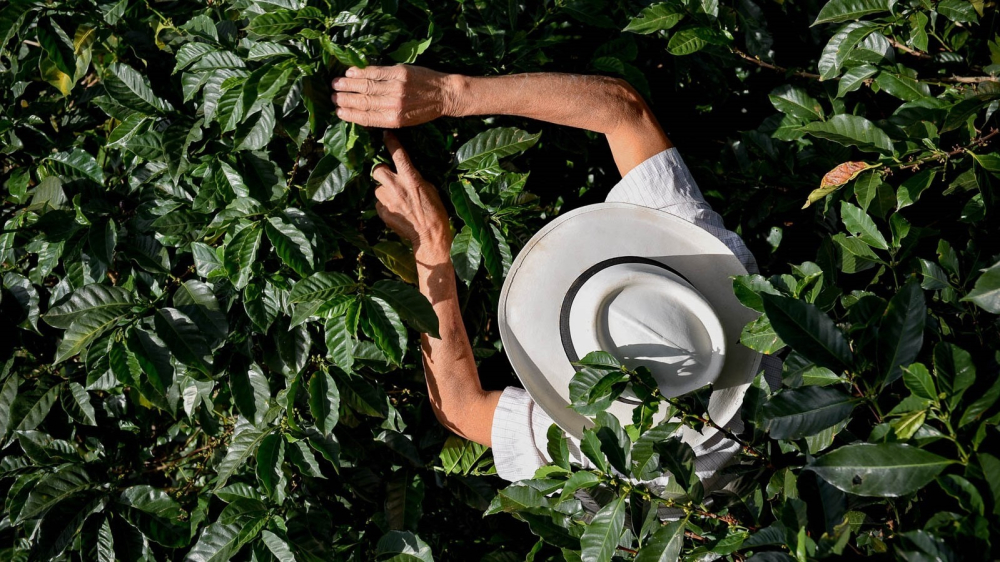
In contrast, commercial-grade coffee is mostly produced in central and northern regions, such as Medellín, Armenia, and Manizales. The coffee from these areas tends to have a more balanced flavor profile, with softer fruit acidity and common nutty and caramel aromatic notes, making it suitable as a base for blended coffee.
In terms of varieties, Colombia’s most common are Caturra and Catuai—both natural or hybrid variants of Arabica Bourbon. Among them, Caturra trees are shorter in stature and higher yielding, but less resistant to diseases; Catuai has been improved for wind and rain resistance, with firmer fruit that is less prone to dropping, available in both red and yellow fruit types. However, red-fruited Catuai is usually preferred in cupping. Additionally, Colombia also cultivates small amounts of varieties like Castillo, Geisha, and the locally developed “Colombia” variety, which is a hybrid of Caturra and Timor. It boasts strong disease resistance and a flavor profile closer to traditional Arabica compared to conventional Catimor varieties.
Most Colombian coffee is processed using the washed method, especially on small and medium-sized farms, where washing can more clearly highlight the coffee’s cleanliness and intrinsic flavors. The process includes removing floaters, stripping the pulp, fermenting to remove mucilage, and finally drying. Specialty-grade coffee almost exclusively comes from this meticulously processed smallholder single-estate production, rather than large-scale intensive farms. In recent years, the Colombian Coffee Growers Federation (FNC) has also promoted specialty programs, and innovative processes such as anaerobic fermentation and wine barrel aging have gradually gained popularity.
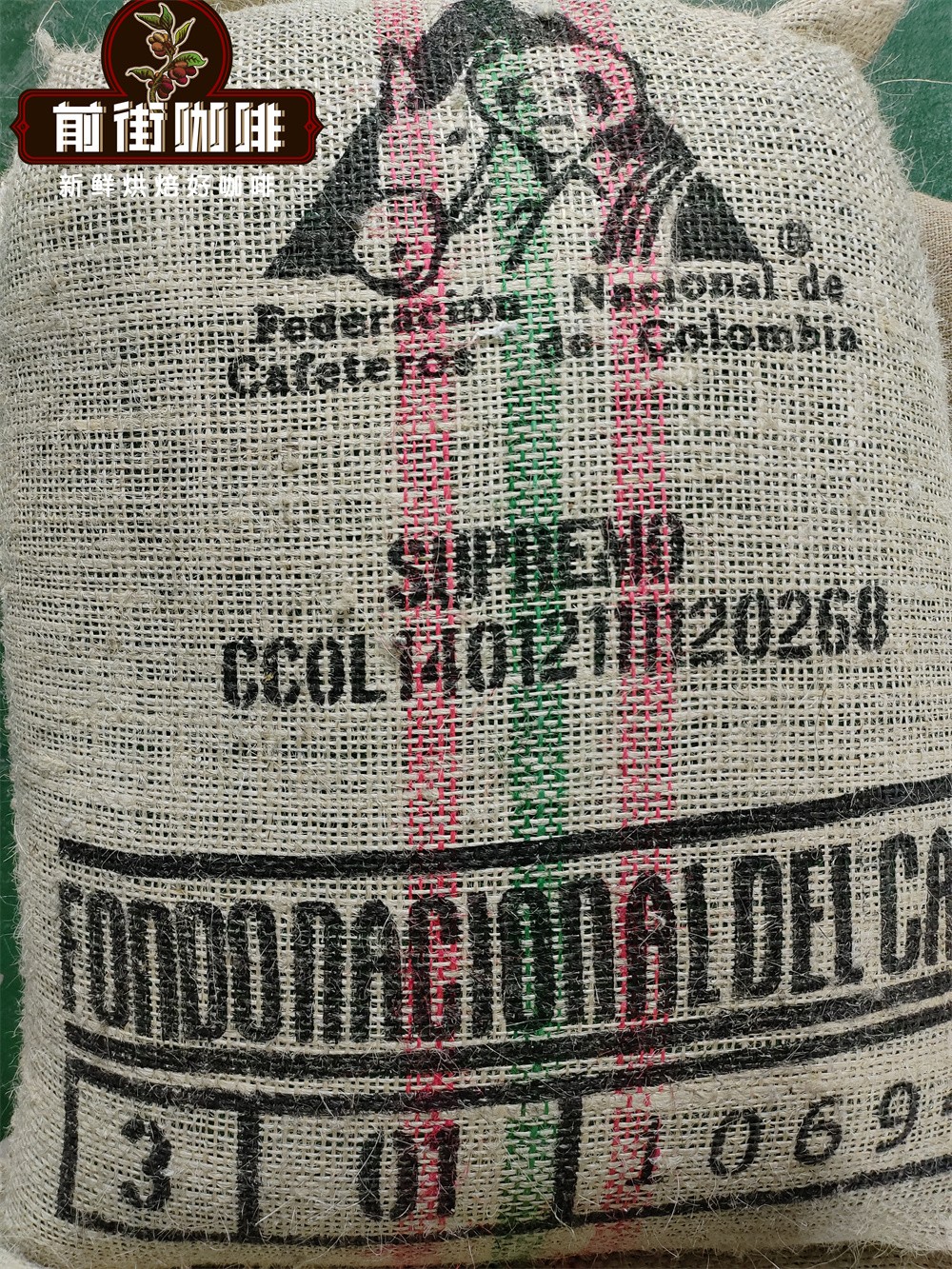
Regarding Colombia’s coffee grading standards, many consumers mistakenly believe that the “Supremo” grade signifies the highest quality. However, Colombia’s grading system is mainly based on bean size.Supremo refers to coffee beans where at least 80% are 17 mesh (approximately 6.75 mm) or larger in size., and it has absolutely no relation to flavor performance. If you want to select coffee beans with outstanding flavor, it’s advisable to first check the origin information. Southern regions at elevations above 1500 meters usually indicate specific provinces and farm names, whereas those without such indications are often general-purpose commercial beans.
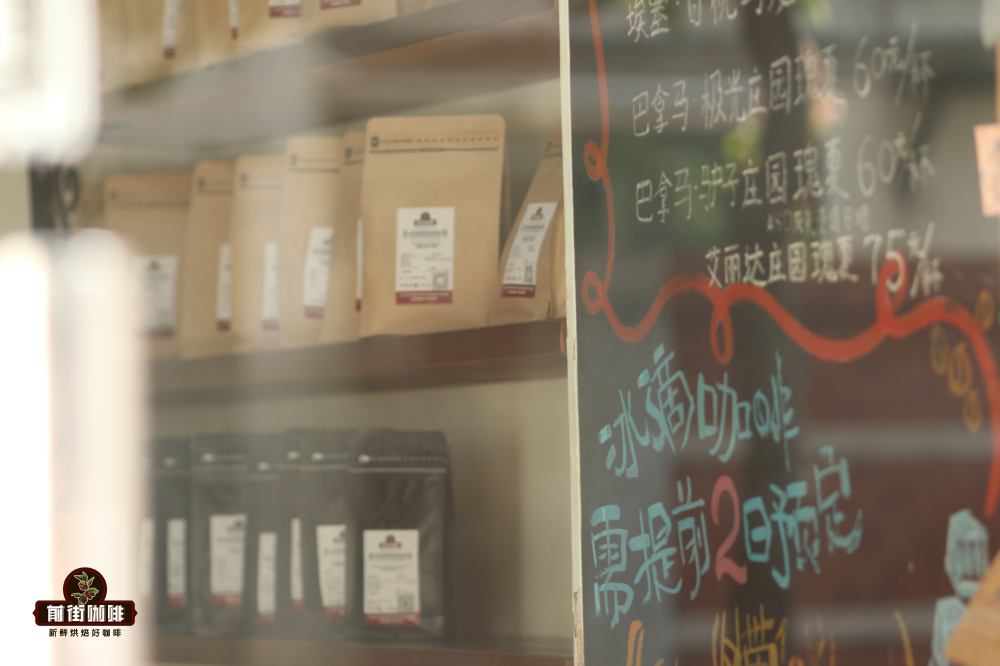
In terms of roasting, to preserve the unique soft acidity and rich sweetness of Colombian coffee beans, most specialty beans are medium roasted, with the time from turning yellow to first crack appropriately extended to fully develop caramel and nutty tones. A well-known coffee brand once launched several washed beans from regions like Huila, offering flavors including nuts, dark chocolate, caramel, strawberry jam, liqueur chocolate, and tropical fruits, suitable for various brewing methods.
If you choose the pour over method, it is recommended to use a V60 dripper, whose large aperture and spiral ribs help enhance extraction flow rate and uniformity. Practical parameters are suggested as follows: water temperature controlled at 90–91°C, grind size roughly as coarse as granulated sugar or passing 80% through a Chinese No. 20 sieve, coffee-to-water ratio 1:15, with 15 grams of coffee. During brewing, a three-stage pouring method can be used: the first pour involves 30 grams of water for a 30-second bloom, the second pour adds 95 grams of water (total around 125 grams), completed within about 1 minute, then when the water level drops to two-thirds of the coffee bed, pour the final 100 grams (total around 225 grams). The overall extraction time is approximately 2 minutes, yielding a balanced and layered cup of coffee.
The above content is compiled by CoffeeHunters, a coffee news website.


