







Introduction:The French press is an ideal choice for many coffee beginners and busy office workers, offering simple operation while delivering a rich flavor and full-bodied crema. This article delves into the structure and brewing principles of the French press, providing a detailed guide on the brewing steps and key parameters—including coffee-to-water ratio, water temperature, grind size, and steeping time. It also compares the crema performance of espresso and moka pot, helping you master the correct usage of this classic brewing device.
In the hustle and bustle of daily life, if you want to enjoy a cup of coffee with rich flavors but are limited by time, the French press (French Press) may be one of the most practical options. This long-standing coffee brewing tool has a low barrier to entry, is easy to use, and can fully extract the coffee’s crema and aroma, resulting in a thick and layered mouthfeel. Compared to pour over, the French press better preserves the coffee’s rich texture; compared to espresso, it is more approachable, requiring no professional equipment to brew.
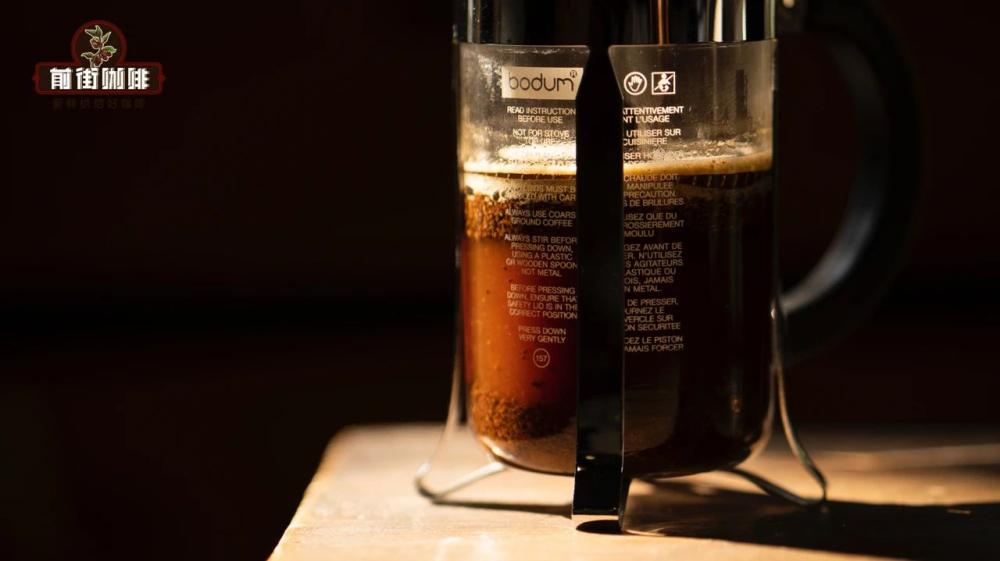
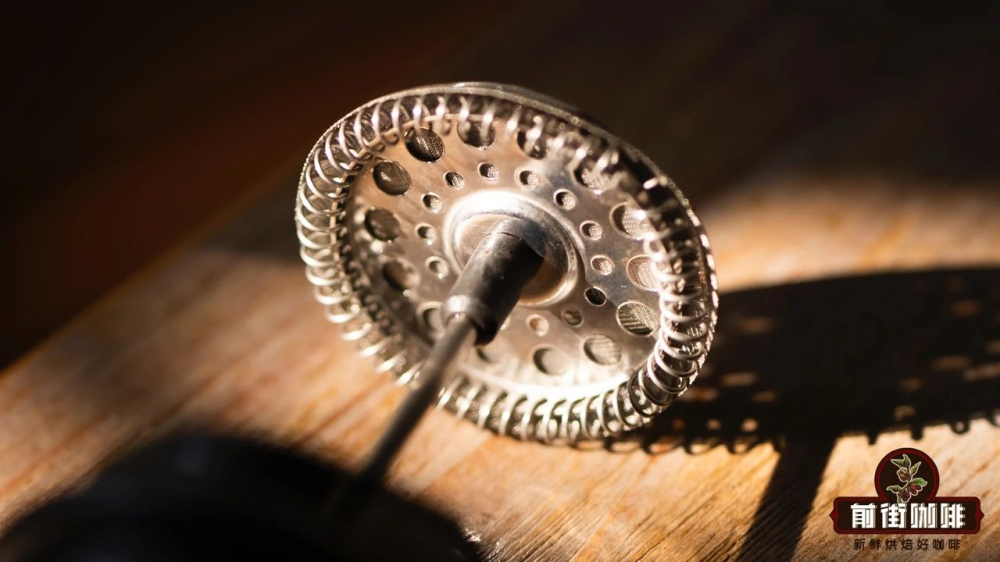
 The origin of the French press can be traced back to around 1850 in France, where it was initially used for brewing tea, hence it was also called a “tea plunger.” Its basic structure is very simple: consisting of a heat-resistant glass carafe (or transparent plastic material) and a plunger with a metal filter. Due to its simple and stable construction, the French press can faithfully present the characteristics of the coffee beans themselves, placing relatively higher demands on coffee quality and freshness. However, this also makes it an intuitive tool for evaluating coffee quality.
Moreover, the French press is among all brewing methods the easiest to reproduce stable flavors. As long as the same coffee beans, water temperature, coffee-to-water ratio, and steeping time are used, different users can often brew coffee with extremely similar tastes, something that methods like pour over or siphon find hard to match. For this reason, the French press is especially suitable for beginners and also a great choice for everyday home use.
 The brewing principle of the French press is quite straightforward—it uses a metal filter to trap coffee grounds inside the carafe while allowing the extracted coffee liquid to pass through the filter into the cup. The metal filter used has relatively large pores, which, compared to paper filters, retain more coffee crema and fine suspended particles, making the coffee taste smoother, richer, and naturally sweeter with a fuller body. However, because fine particles can easily pass through the filter, choosing the right grind size and brewing time is particularly important to avoid over-extraction or impurities affecting the flavor.
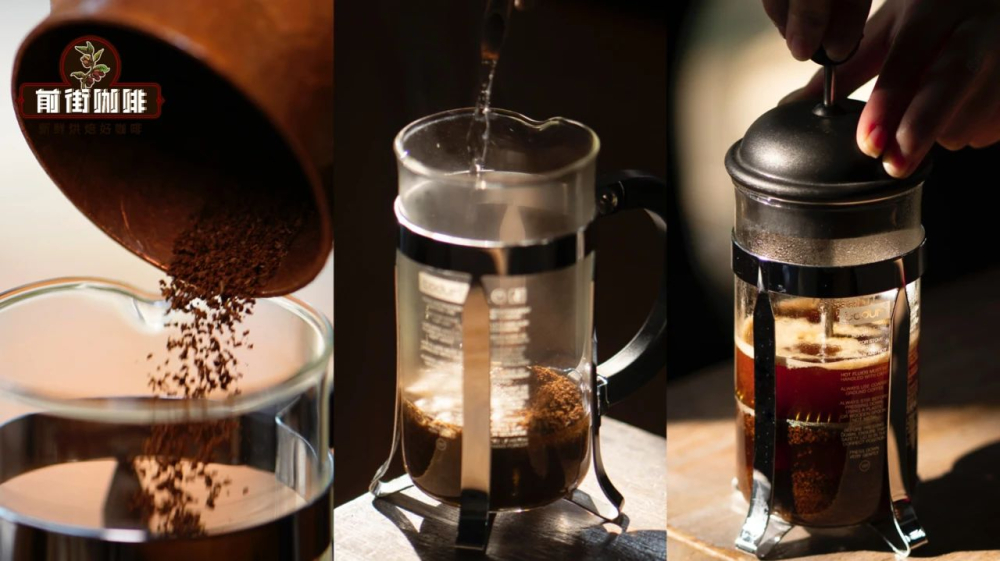
For a standard French press brewing process, taking a two-person serving as an example, it is recommended to use about 20 grams of coffee beans with 300 milliliters of hot water, with a coffee-to-water ratio generally ranging between 1:14 and 1:18, adjustable according to personal preference. If the French press has volume markings, it is preferable to add water first and then the coffee grounds to ensure accurate proportions; if there are no markings, it is recommended to use an electronic scale to assist in measurement to ensure water stability. A common ratio such as 1:15—20 grams of coffee beans with 300 grams (approximately 300 milliliters) of hot water—is a balanced starting point for flavor and strength.
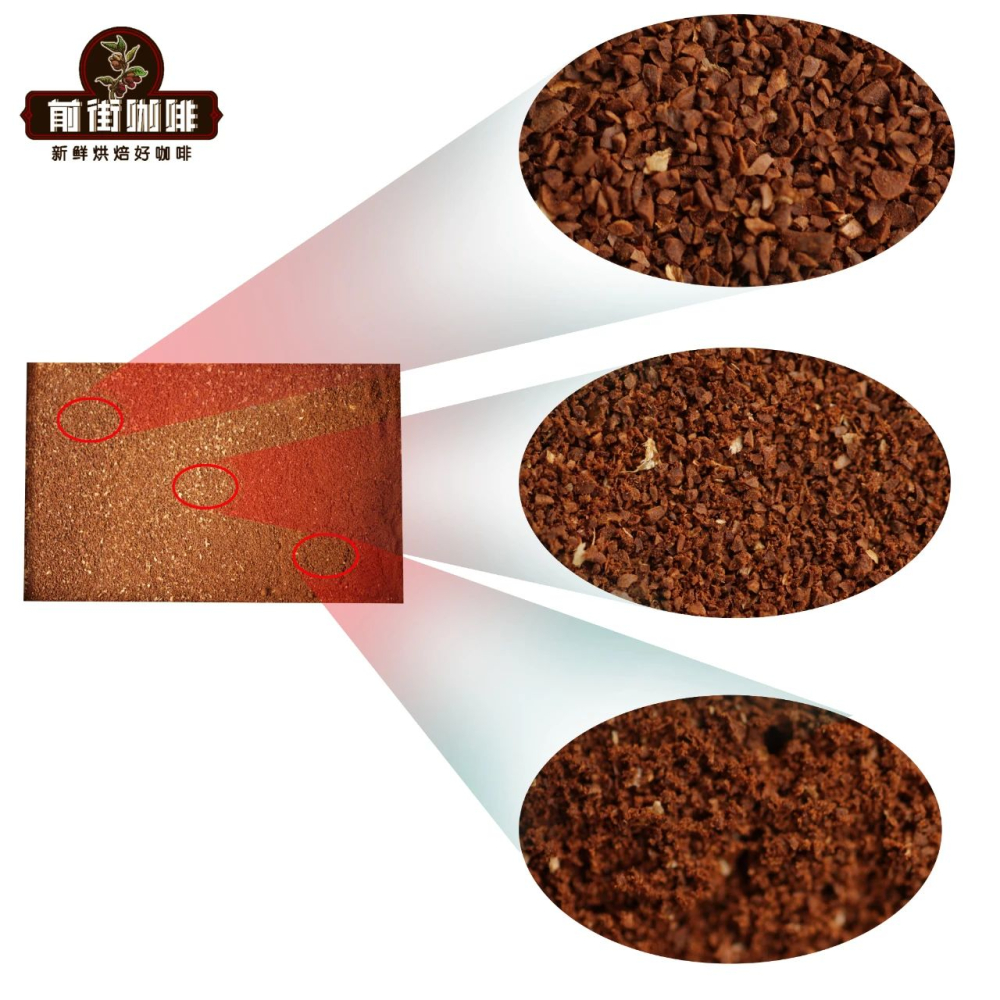
 When it comes to grind size, the French press is suited to a medium-coarse grind, similar in coarseness to brown sugar, with uniformly consistent particles. This is because the filter mesh density of the French press is relatively low; if the coffee grounds are too fine, it can lead to over-extraction, resulting in bitter and off flavors. If too coarse, extraction may be insufficient, leading to a weak flavor. Therefore, it is recommended to adjust the grind to a moderate coarseness using a professional grinder, ensuring each coffee particle can evenly contact the hot water to release the best flavor.
During brewing, it is recommended to control the water temperature between 85–95°C, depending on the roast level of the coffee beans. Lighter roasts can have slightly higher water temperatures to help bring out bright acidity and aroma, while darker roasts are better brewed at lower temperatures to avoid extracting excessive bitterness and burnt notes. When pouring water, you can mimic the pour over method, pouring in a circular motion to ensure even saturation of the coffee grounds. Then let it steep for about 4 minutes to allow the coffee grounds and hot water to interact sufficiently—this time can be slightly adjusted based on personal taste preferences.
After steeping, the next step is to slowly press down the filter. This action should be steady and at a consistent speed to avoid pushing too quickly, which could cause fine particles to pass through the filter into the coffee liquid, affecting the taste. It is recommended to stop applying force when the filter is close to the bottom of the carafe, without pressing all the way down. Finally, carefully pour out the coffee, avoiding vigorous shaking that might cause settled coffee grounds to mix back into the liquid, ensuring every sip retains the optimal flavor and mouthfeel.
How does the French press perform in terms of coffee crema?
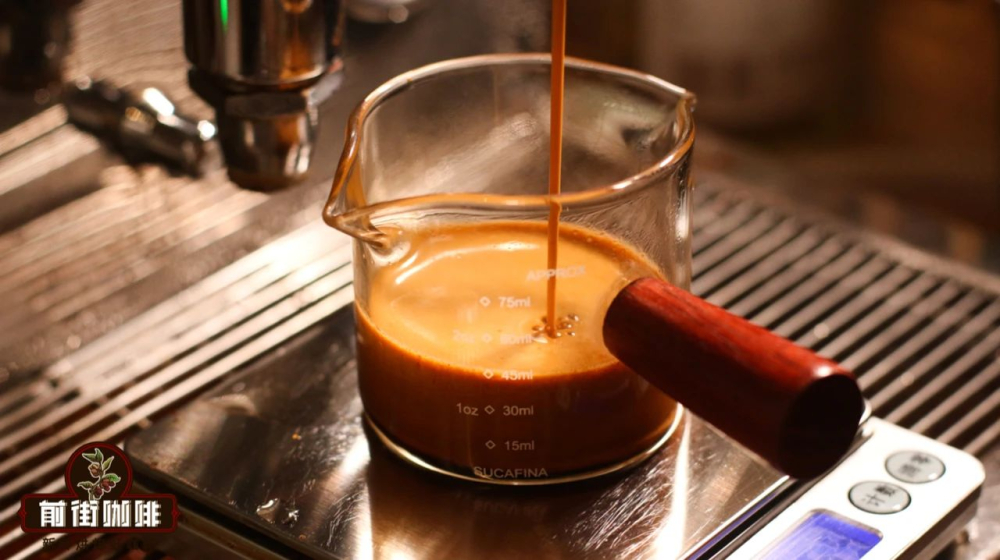
Coffee brewed with a French press has a crema content that falls between pour over and espresso. Although it doesn’t produce as much Crema as an espresso machine through high-pressure extraction, the metal filter allows some fine crema to pass through, still retaining a certain degree of coffee crema, giving the coffee a smooth and rounded mouthfeel. In comparison, pour over coffee has less crema, while espresso, due to high-pressure extraction, forms a rich golden Crema on the surface, with the most pronounced crema sensation.
Compared to the moka pot, the latter can also bring out some crema when brewing darker roasts, but the overall crema amount is still not as much as with an espresso machine. The moka pot is suitable for users on a budget who want to experience freshly ground coffee flavors, though its operation threshold and heat control are relatively more complex. The French press, with its convenience and stability, becomes a practical choice for enjoying crema-rich coffee in daily life.
In summary, the French press is a home coffee brewing device that combines convenience with flavor performance. As long as you master key parameters such as grind size, coffee-to-water ratio, water temperature, and steeping time, even beginners can easily brew a cup of rich and aromatic coffee. Whether for a morning pick-me-up or an afternoon break, the French press provides a stable and satisfying coffee experience.
The above content is compiled by CoffeeHunters, a coffee news website.


