







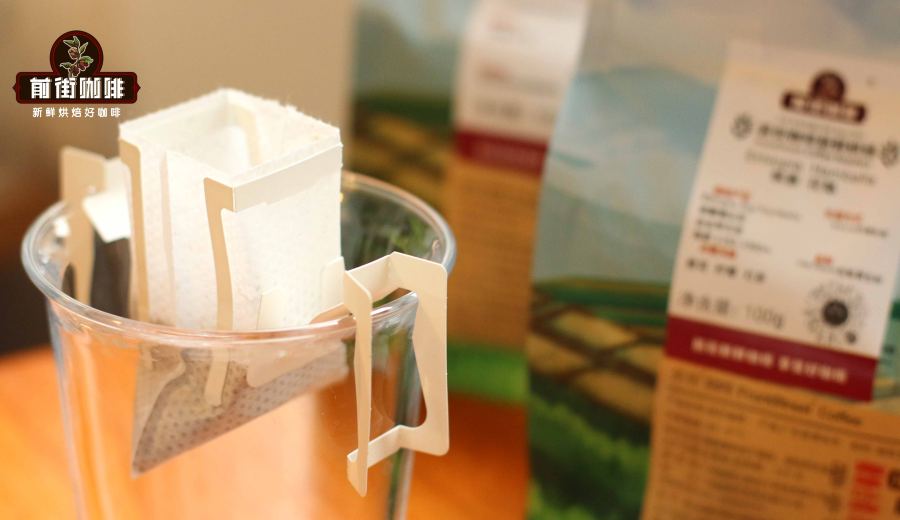
Introduction:Earl coffee is an ideal coffee choice for busy lifestyles, retaining the flavor of pour over while offering convenience. However, improper brewing can easily result in weak and tasteless coffee. This article delves into the origins of earl coffee, its differences from pour over, and provides a standardized illustrated operation process covering key parameters such as water temperature, coffee-to-water ratio, and pouring rhythm, helping you brew layered, aromatic earl coffee. Even beginners can master it with ease.
For coffee enthusiasts who frequently travel, commute, or spend long hours in the office, although pour over offers outstanding flavor, it’s hard to achieve anytime, anywhere. Earl coffee is an elegant alternative that balances convenience and quality—just with simple tools and the right technique, you can enjoy a pour over-like coffee at home, in the office, or on the go. However, many users, unaware of proper brewing skills, treat earl packets like tea bags by simply steeping them, leading to loss of coffee flavor and a flat taste. This article will comprehensively introduce the history of earl coffee, its similarities and differences with pour over, and guide you step-by-step through an ideal brewing process with illustrations. It also analyzes important factors affecting extraction such as water temperature, water flow, and coffee-to-water ratio, helping you enhance the flavor performance of every cup of earl coffee.
The term “earl coffee” comes from its unique design structure. This brewing method originated in Japan in 1990, developed by Yamasan Industry Co., Ltd., inspired by traditional tea bags but designed closer to the concept of pour over drip filtration. The designers added paper “ears” on both sides of the filter bag, allowing the packet to be stably hung on the edge of a cup so that hot water can evenly penetrate the coffee grounds. By 2002, this structure was officially patented and launched on the market, gradually becoming a globally popular convenient coffee format. In short, earl coffee involves grinding freshly roasted coffee beans into powder, packing them in a biodegradable non-woven fabric filter bag for sealed storage, enabling consumers to enjoy a coffee experience close to freshly ground pour over anytime.
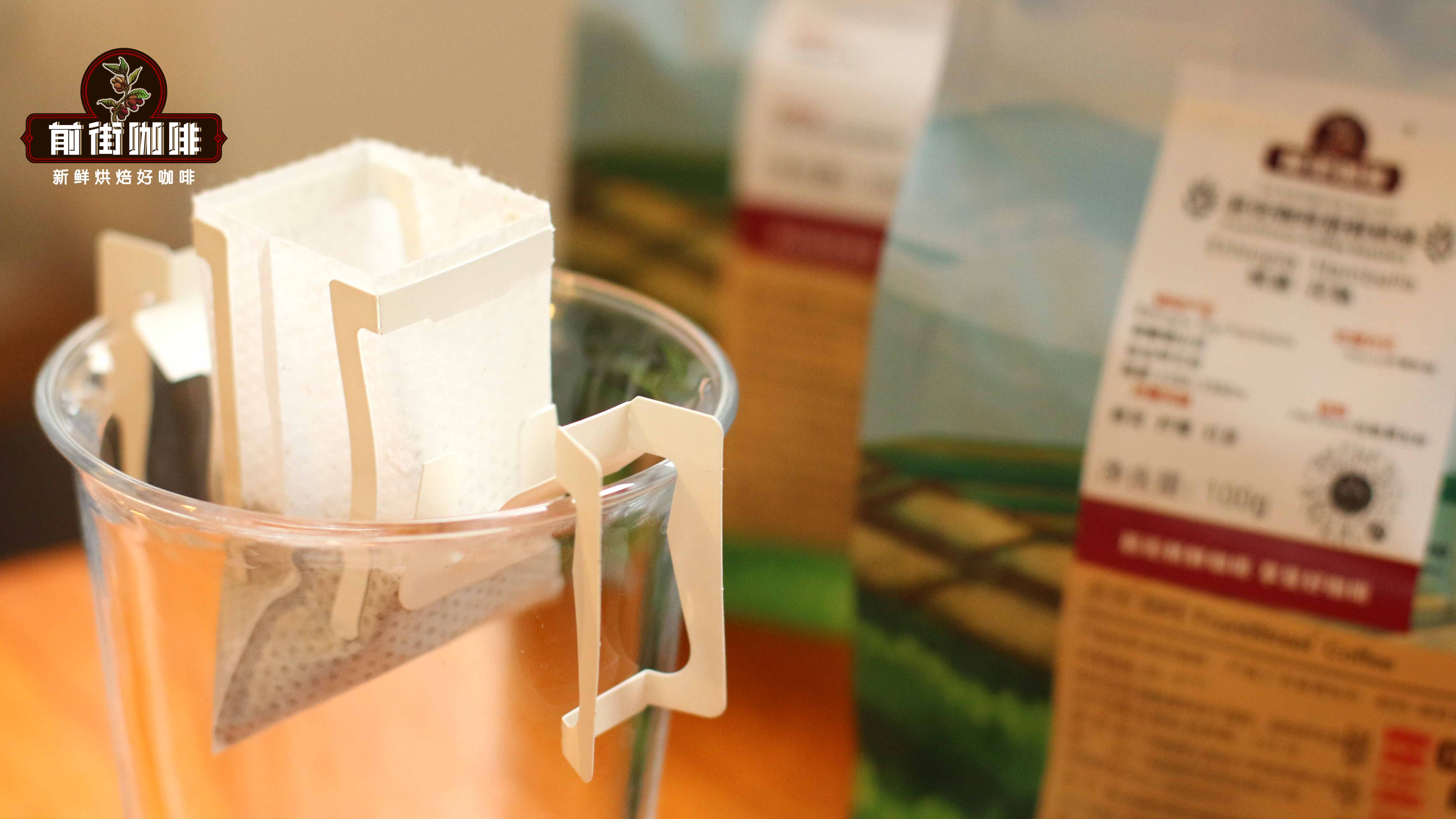
Although the operation of earl coffee is relatively simplified—no need to purchase additional tools like a filter cone, filter paper, pour over kettle, or grinder—it still requires attention to a series of key details that affect extraction quality. Compared to the full pour over process, earl skips most of the equipment preparation steps, but it is still recommended to use hot water at 86 to 93°C to fully bring out the aroma and flavor layers of the coffee. In addition, the coffee-to-water ratio is suggested to be around 1:15, that is, using about 150 milliliters of hot water per 10 grams of coffee powder. This ratio achieves a balanced strength and smooth mouthfeel. If you prefer a stronger flavor, reduce the amount of water; if you want a more refreshing taste, moderately increase the water volume. However, since the coffee powder is pre-ground, if stored for too long, the aroma can easily dissipate, and it may even develop woody or cardboard notes. Therefore, it is recommended to consume it soon after purchase and store it properly in a cool, dry place.
Here are the standard steps for brewing earl coffee: First, prepare a clean cup or sharing pot, and a stable pour over kettle. Next, carefully tear open the outer packaging of the earl coffee, open the non-woven fabric filter bag seal along the dotted line, unfold the two “ears” on the sides, and securely hang them on the edge of the cup.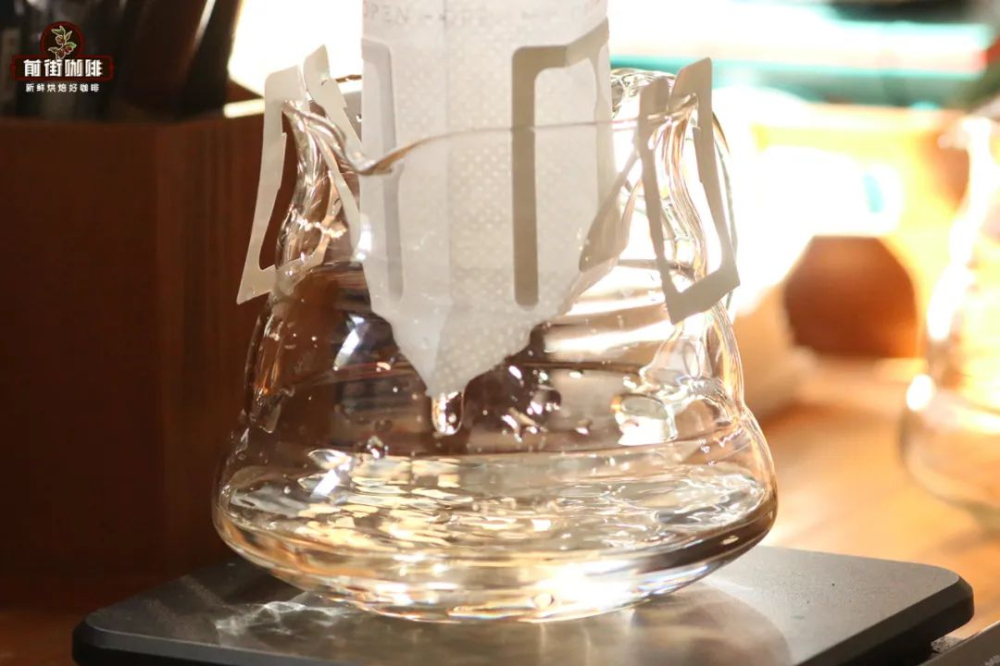 At this point, make sure the filter bag is centered to avoid tilted coffee liquid flow. The first step is pre-wetting: evenly moisten all the coffee grounds with a small amount of hot water, then wait 10 to 20 seconds to initiate the coffee extraction. This step helps release carbon dioxide and improves the uniformity of subsequent extraction. Immediately after, proceed with the main extraction using a stable and fine water flow. It is recommended to use a spiral or center-outward pouring method to allow hot water to uniformly penetrate the coffee layer. First pour until it reaches half full, pause briefly to let the coffee liquid slowly drip, then continue pouring until full. Control the water flow speed throughout to avoid going too fast, which can lead to under-extraction. After the last drop of coffee liquid falls, gently remove the earl packet, give the cup a light shake to mix the coffee liquid evenly, and you’re ready to enjoy a well-layered cup of earl coffee.
In actual practice, there are several common pitfalls and details worth special attention. First is water temperature control: too low a water temperature (below 85°C) can lead to incomplete extraction, making the coffee taste thin and noticeably harsh or astringent. If environmental constraints prevent reaching the ideal temperature, it is recommended to slightly extend the coffee-to-water contact time to compensate for extraction efficiency. Second, pouring speed and method greatly affect the final coffee outcome. Too fast or too forceful a water stream can create channeling effects in the coffee layer, causing some areas to over-extract while others under-extract. It is recommended to maintain a steady and gentle water flow rhythm throughout. Additionally, although earl coffee cannot fully replicate the aroma richness of freshly ground pour over, mastering the correct techniques can still fully showcase the unique flavor characteristics of different regional coffees, such as citrus, berry, nut, or caramel notes.
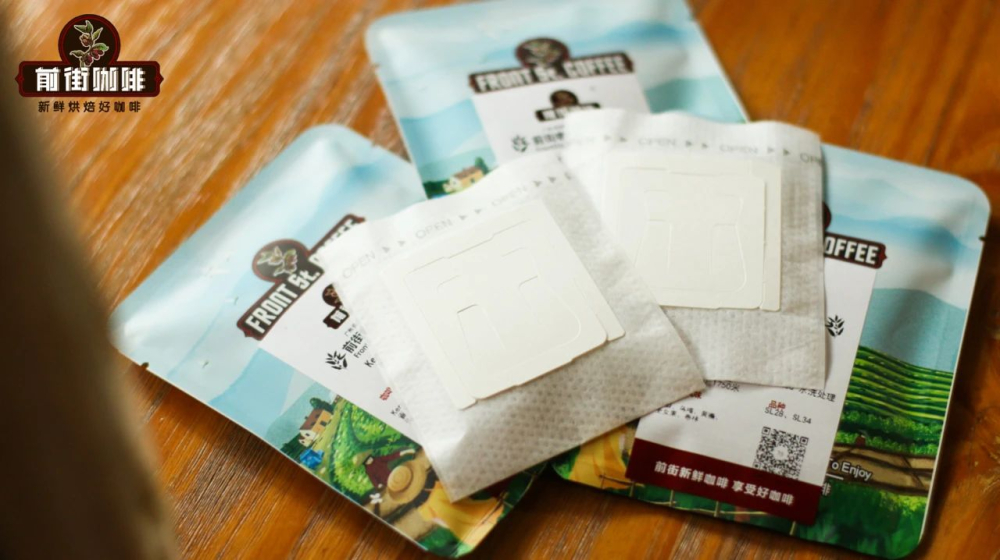
Currently, there is a wide variety of earl coffees on the market with diverse flavors, allowing consumers to choose styles that suit their personal preferences. Common flavor profiles include: Ethiopian Yirgacheffe with distinct citrus and fruity notes, Indonesian Mandheling showcasing nutty and chocolatey flavors, Honduran with black chocolate and creamy textures, Kenyan highlighting berry and juice-like traits, and Panamanian Geisha blending floral and oolong tea nuances. Each earl coffee is made from freshly roasted beans, ground and sealed, and although pre-ground, it may have slightly less aroma longevity than freshly ground coffee. But with proper storage and brewing methods, you can still enjoy a convenient and high-quality coffee experience. For coffee lovers constantly on the move or those prioritizing efficiency, earl coffee is undoubtedly the most cost-effective and easy-to-use option, allowing you to enjoy a professional-grade pour over flavor anytime, anywhere.
The above content is compiled by CoffeeHunters, a coffee news website.


