







Introduction:Cold brew coffee has become a popular choice in summer, but did you know it’s not limited to simple cold water extraction? You can also try adding soda water, sparkling water, or even alcohol to create different layers of flavor. This article dives deep into the basics of cold brew, recommends specialty beans, and explores the possibilities of adding bubbles and booze—so you can craft your own signature cold brew at home.
Cold brew is a brewing method that involves steeping ground coffee in cold water for an extended period, typically at least eight hours and sometimes over twelve. This slow extraction process highlights the delicate flavors of the coffee beans. It effectively reduces bitterness, making it ideal for showcasing fruity notes and acidity, which is why it’s so well-loved. For coffee lovers who want a refreshing iced drink without sacrificing flavor, cold brew is a great option.
Many people wonder if you can use soda water or sparkling water instead of plain water to make cold brew. The answer is yes, but the results will differ.When using soda water, the physical action of the bubbles causes more agitation of the coffee grounds during steeping, which can enhance extraction efficiency.Practical tests have shown that cold brew made with soda water tends to have a richer flavor, with particularly prominent berry aromas. Although the final drink may appear bubble-free, you can still sense a refreshing sensation akin to bubbles bursting on the palate.
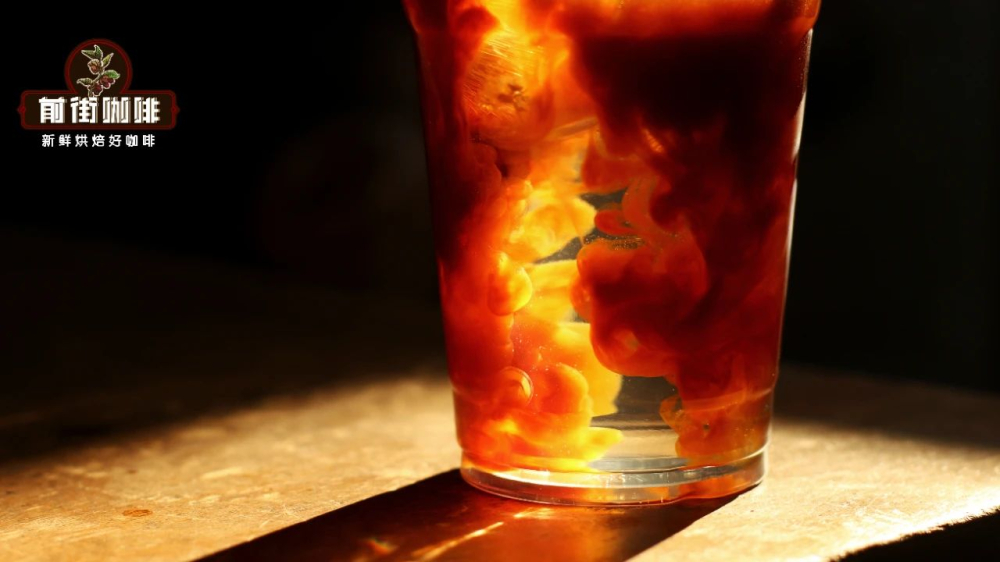
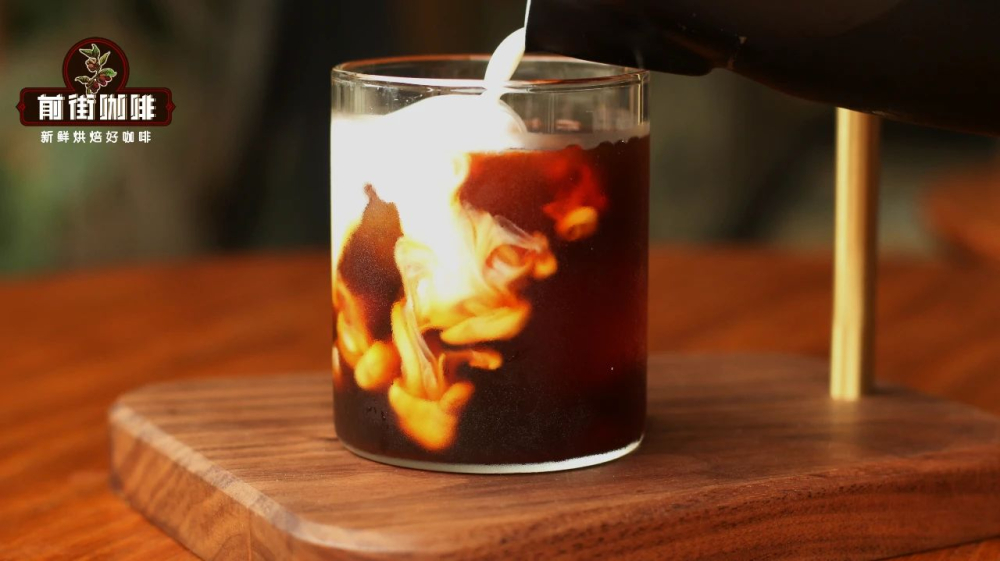
If you want to add a richer mouthfeel to your cold brew, incorporating milk is a common and popular way to enhance the flavor. Light roast beans usually retain more floral, fruity, and sweet-tart characteristics, and are best enjoyed black to savor their original profile. Darker roasts, on the other hand, have a bolder taste and pair well with fresh milk or creamers. Fresh milk, which has higher water content, results in a refreshing cup with a lighter body. Choosing a richer alternative like fresh cream can create a smoother, more velvety texture, closer to the flavor of a coffee latte—even without sugar, it offers a natural sweetness.
For those who enjoy experimenting with innovative flavors, cold brew also pairs exceptionally well with alcohol. For example, adding a moderate amount of Irish whiskey or brandy can lend deeper aromatic complexity and layered taste to the coffee. Irish whiskey, distilled from grains, has a softer flavor profile compared to Scotch whisky, making it more compatible with coffee. Additionally, if you prefer to avoid alcohol, you can opt for coffee beans fermented in whiskey barrels—such as certain sun-dried beans from specific regions—that offer intense notes of creamy vanilla with a distinctive boozy character.
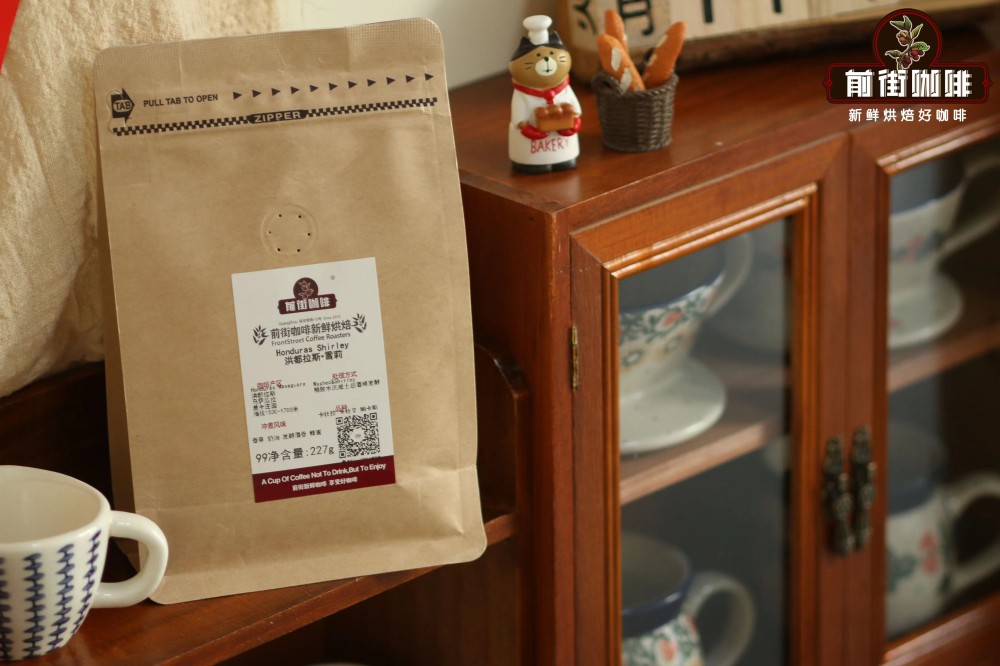
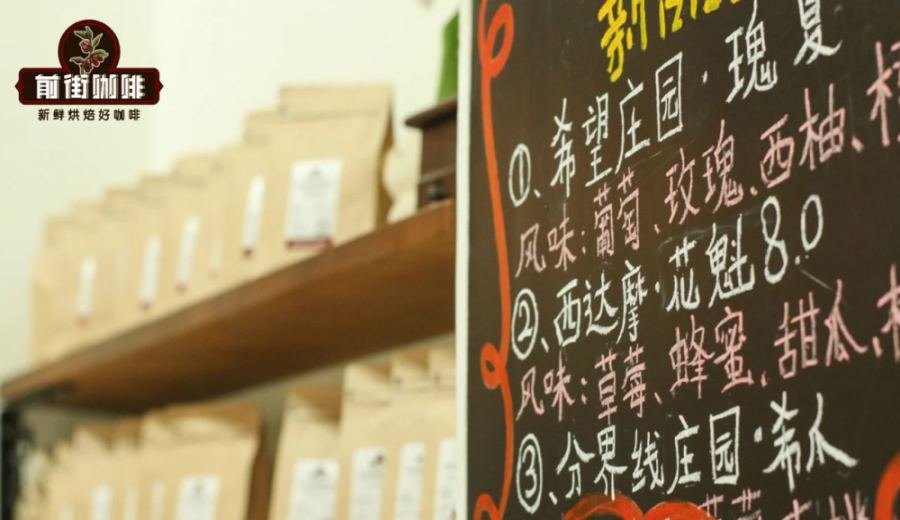
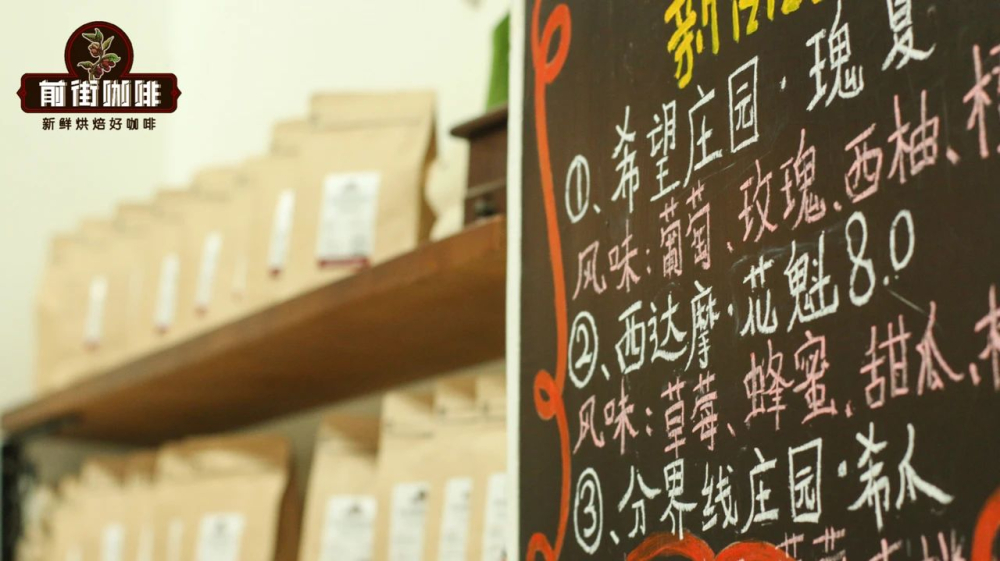
Below are ten recommended specialty coffee beans that are well-suited for cold brew, each with unique processing methods and flavor profiles. Choose based on your personal preference:
1. Honduras Sherry: Sourced from the Masagual Mocha Estate, grown at 1500–1700 meters altitude, with varieties including Caturra, Catuai, and Pacas. Processed with meticulous washed and whiskey sherry barrel fermentation, this bean features pronounced notes of sherry, cream, and vanilla.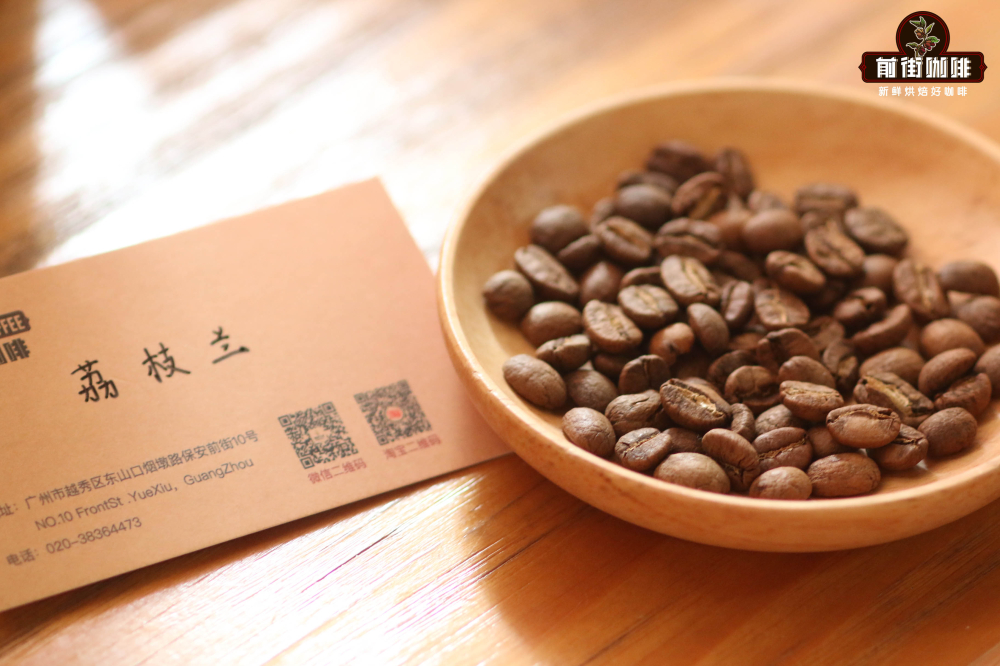 " alt="" />
2. Honduras Litchi Orchid: Also from the Mocha Estate, combining meticulous washed processing with brandy barrel treatment, offering layered flavors of lychee, brandy, dark chocolate, and cream.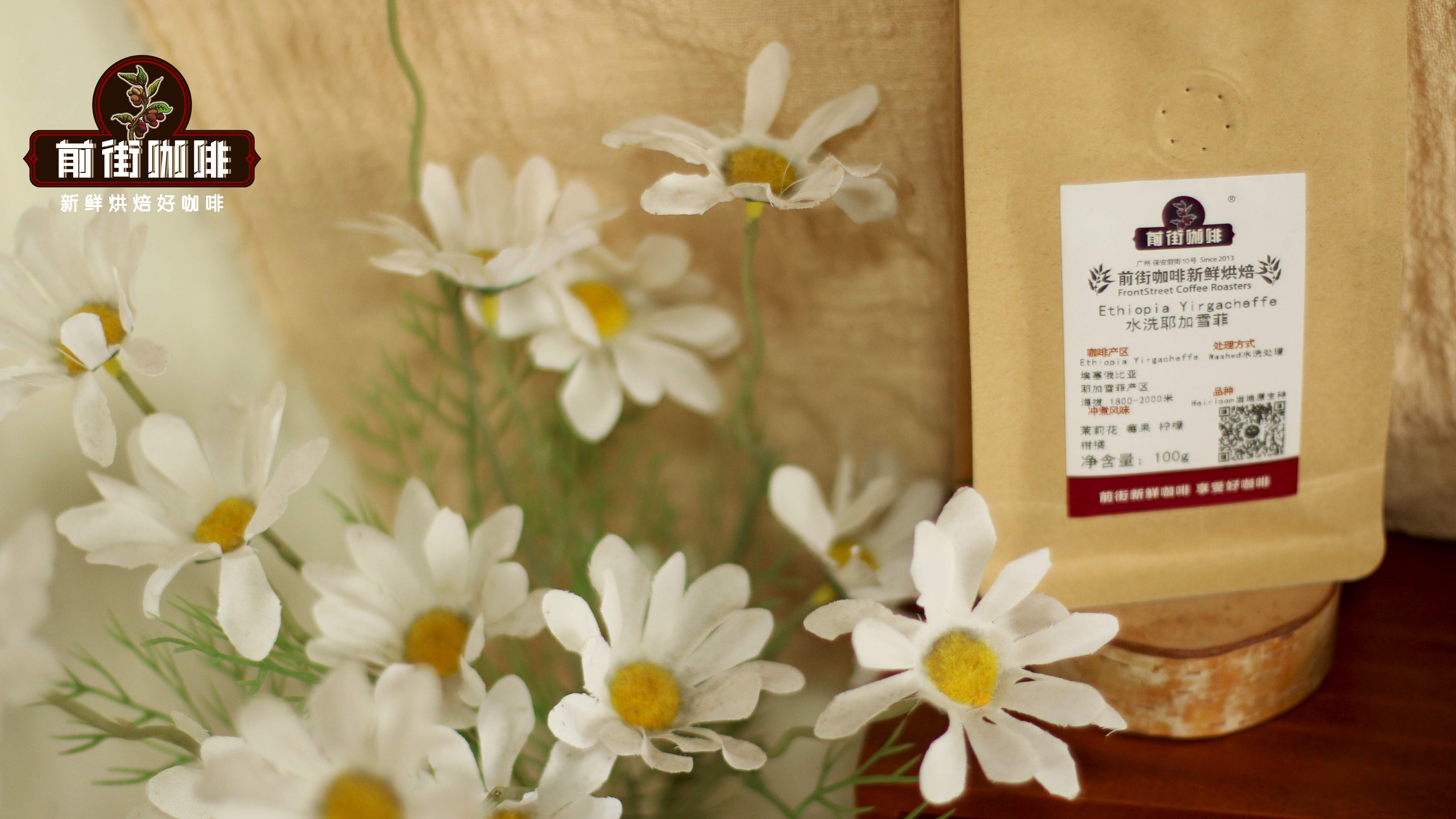 " alt="" />
3. Washed Yirgacheffe: From the Yirgacheffe region of Ethiopia, grown at 1800–2000 meters, using local heirloom varieties and traditional washed processing. Flavors highlight berries, citrus, and lemon.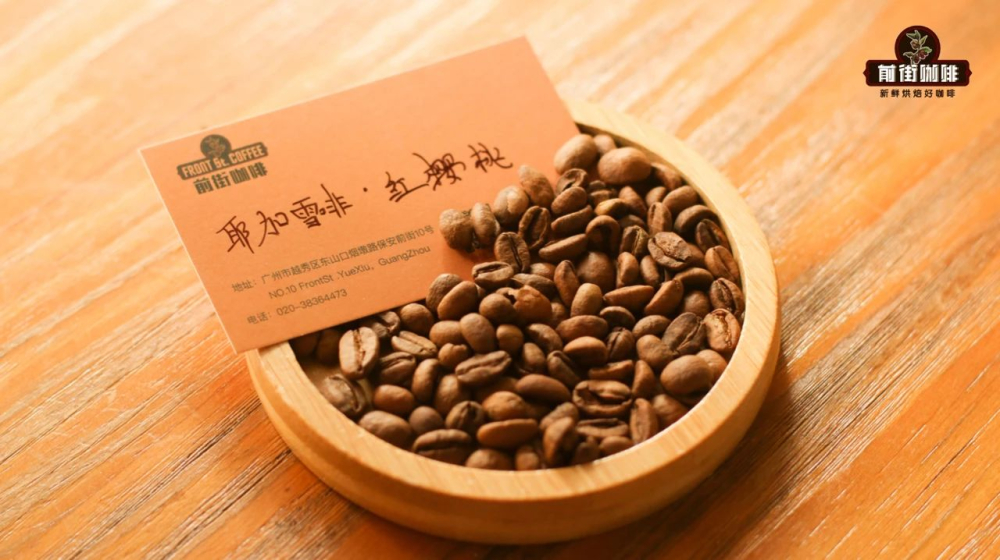 " alt="" />
4. Natural Red Cherry: Also from the Altearenas Processing Station in Yirgacheffe, grown at 2300 meters. Natural processing brings out intense berry, lemon, strawberry, and fermented wine aromas.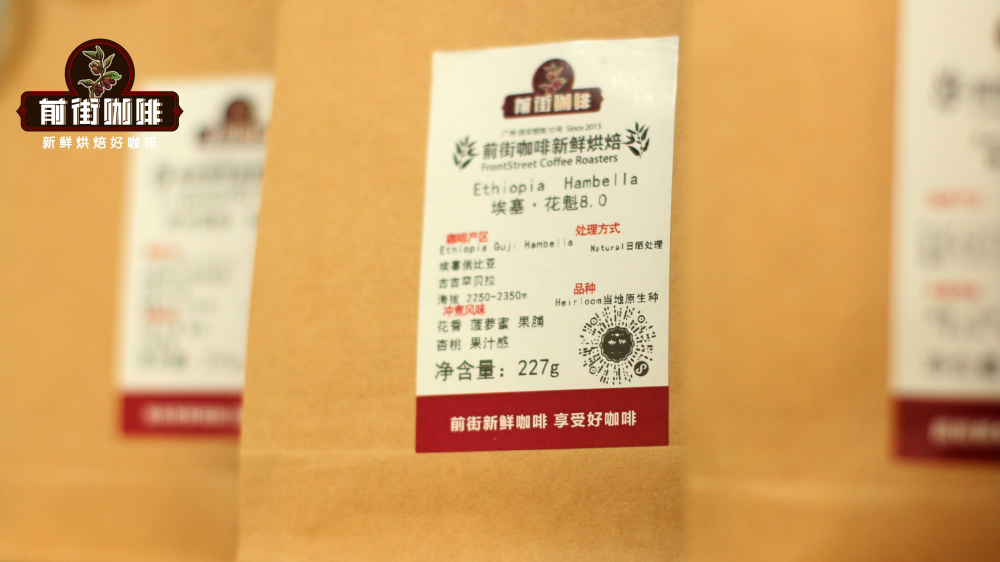 " alt="" />
5. Natural Huacai: From Guji-Hambella, Ethiopia, grown at 2030 meters, using Ethiopian heirloom varieties and natural processing. Delivers bright tropical fruit, cream, and citrus notes.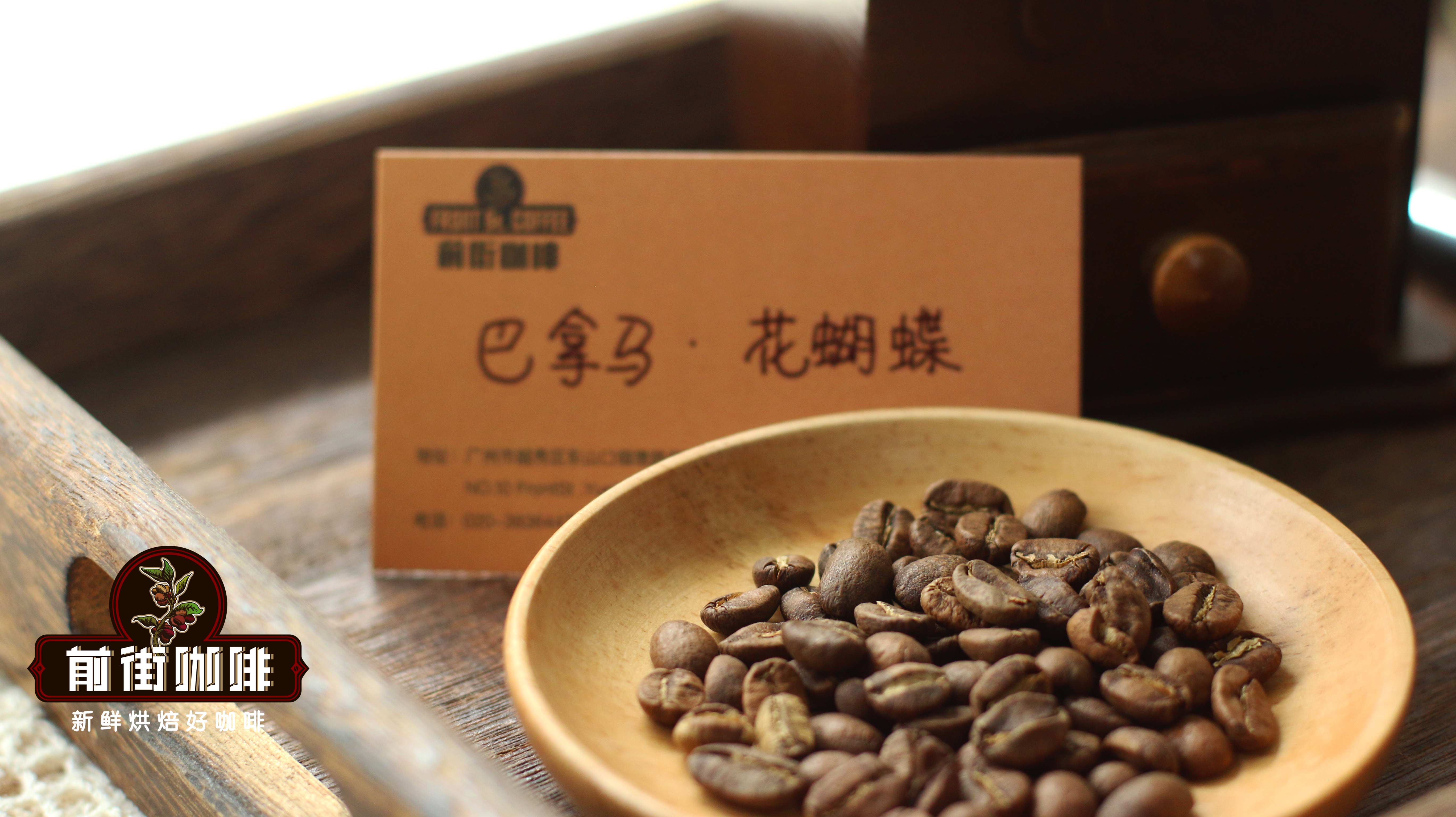 " alt="" />
6. Panama Geisha Butterfly: From the Boquete region, a blend of Geisha, Caturra, and Catuai varieties. Natural processing offers the classic Geisha tea-like body and citrus scent. " alt="" />
7. Panama Elida Estate: Grown at 1850 meters, naturally processed Catuai variety. Smooth mouthfeel with juicy notes of orange and peach.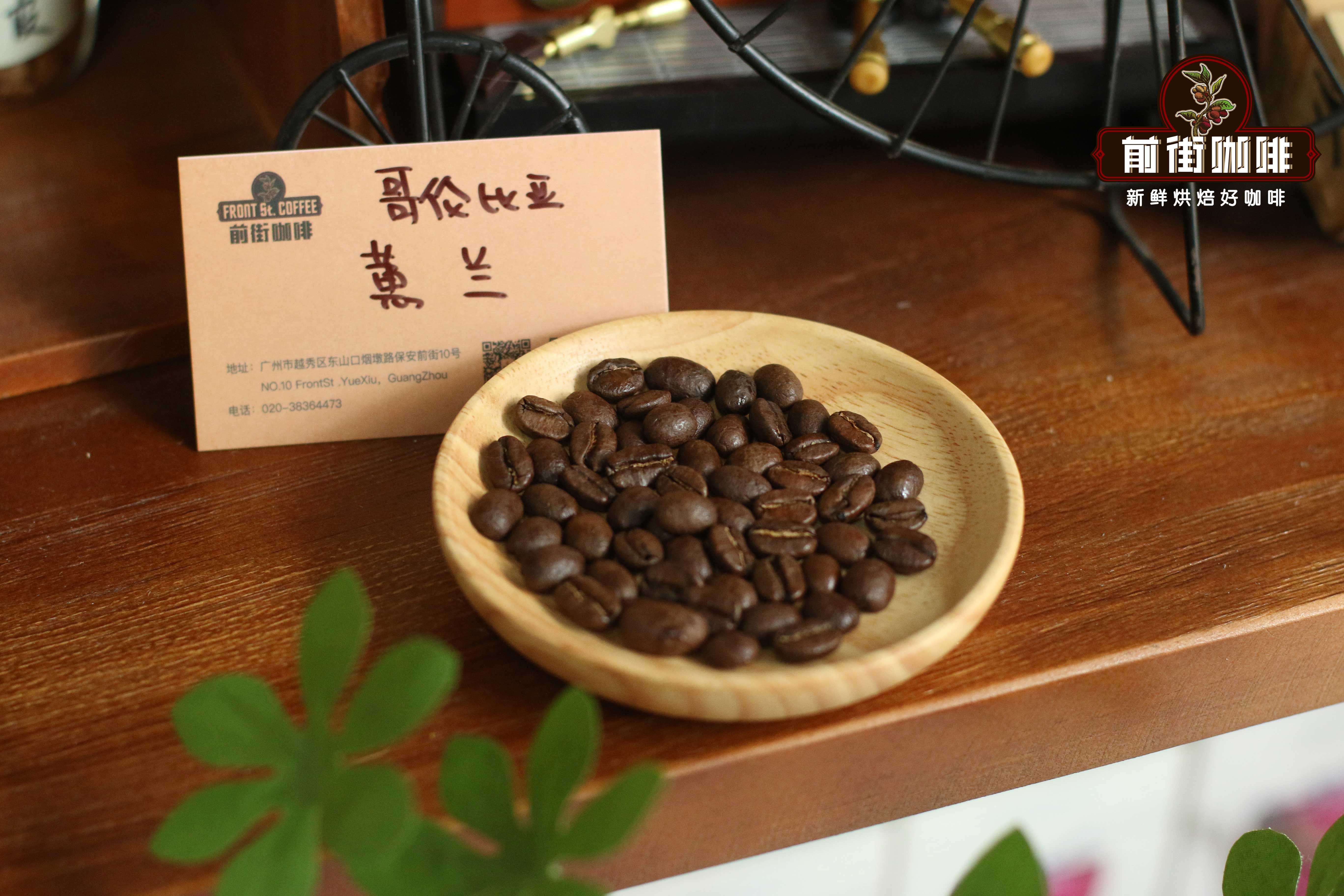 " alt="" />
8. Colombia Huila: From the Huila region, grown at 1500–1800 meters. Washed processing balances nuts, dark chocolate, and soft fruit acidity.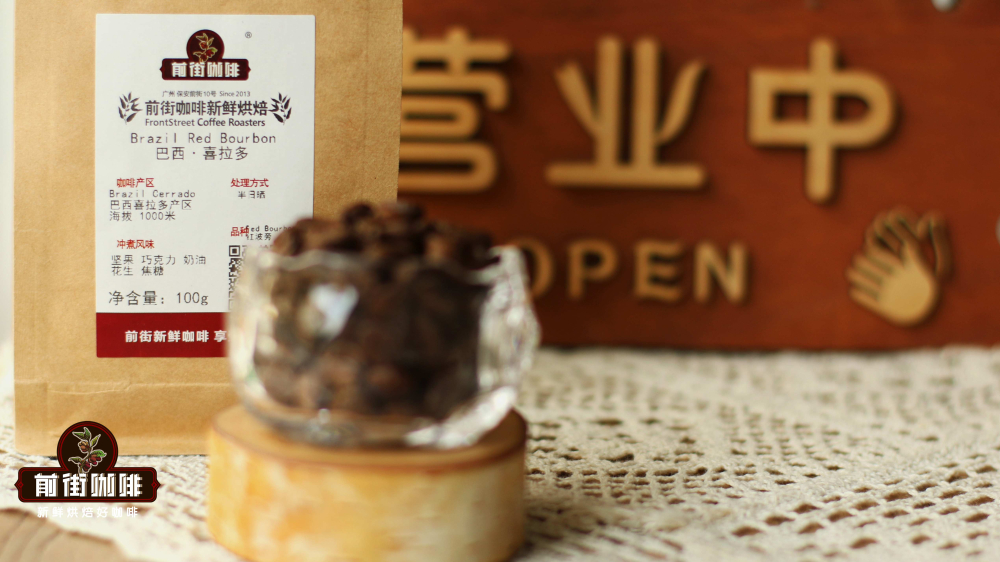 " alt="" />
9. Brazil Red Bourbon: From Nanaimo, grown at 700–1200 meters. Semi-washed processing delivers a rich profile of nuts, chocolate, and subtle fruit acidity.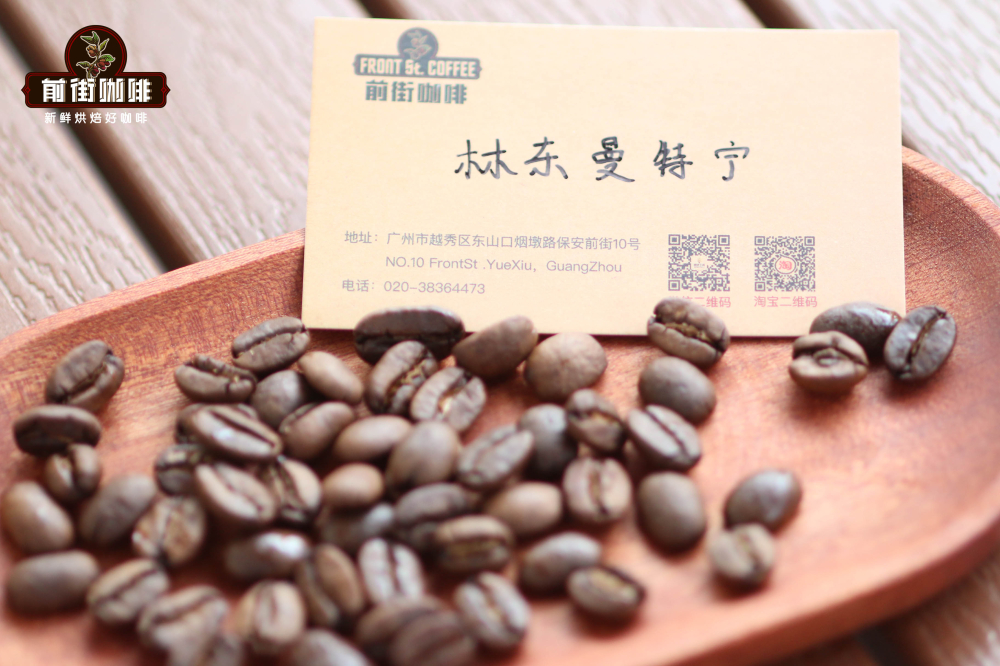 " alt="" />
10. Mandheling: From Sumatra, Indonesia. The wet-hulled process gives it distinctive herbal, nutty, and pine aromas. " alt="" />
The above content is compiled by CoffeeHunters, a coffee news website.

