








Introduction:Iced filter coffee is a simple choice for a refreshing summer beverage—no complicated equipment needed, just a dripper, coffee grounds, and ice cubes. This article delves into the differences between iced filter, cold drip, and cold brew, offers practical recommendations on coffee bean flavor profiles, coffee-to-water ratios, ice cube amounts, and extraction times, and shares detailed tips to enhance flavor performance, allowing you to easily brew richly layered iced filter coffee at home.
When it comes to iced coffee, many people first think of cold drip or cold brew, but there's actually an even simpler method—iced filter. This approach requires no specialized tools, just a dripper, ice cubes, and coffee grounds, to make a cup of refreshingly flavored iced coffee.
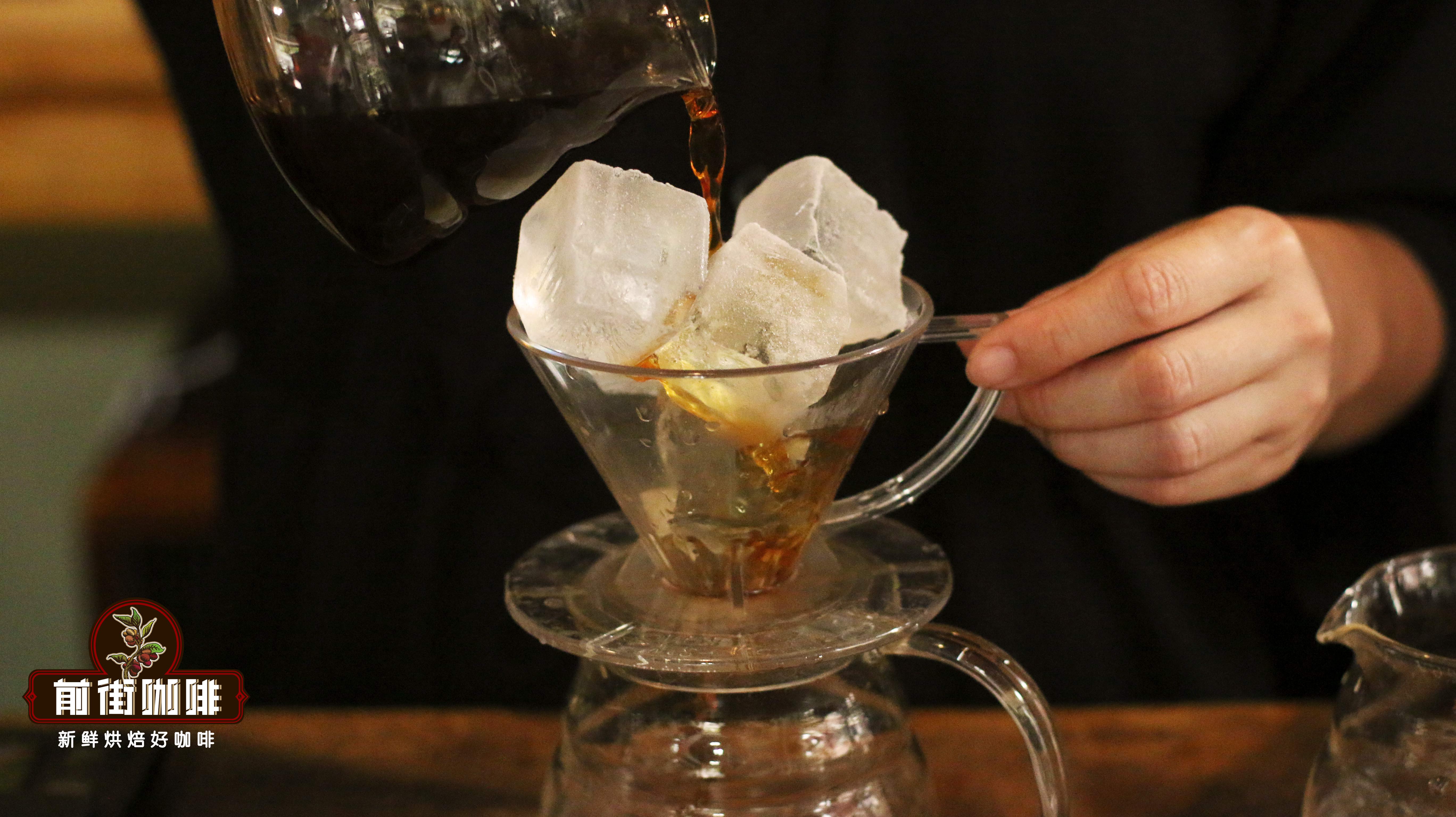
The principle behind iced filter is quite straightforward: place ice cubes directly on top of the coffee grounds, and let the slowly melting ice extract the coffee flavors. Unlike cold drip’s drop-by-drop extraction or cold brew’s long-term low-temperature immersion, iced filter combines the dual effects of time and ice melting, with a low barrier to entry and high fault tolerance.
 " alt="" />
Before getting started, let’s clarify the difference between iced filter and other iced coffee brewing methods. Cold drip involves dripping ice water drop by drop onto the coffee grounds for extraction; cold brew mixes coffee grounds with cold water and lets it steep in a low-temperature environment; whereas iced filter allows the ice cubes to directly contact the coffee grounds, extracting the coffee liquid through the temperature of the melting ice. The required tools are extremely minimal—a dripper, an appropriate amount of ice cubes, and coffee grounds are all you need to get started.
 " alt="" />
Many coffee enthusiasts have already tried iced filter on their own. Although the general process is similar, details such as coffee bean selection, coffee-to-water ratio, and ice cube amount can still affect the final flavor. Mastering these variables can further improve the quality of your iced filter coffee.
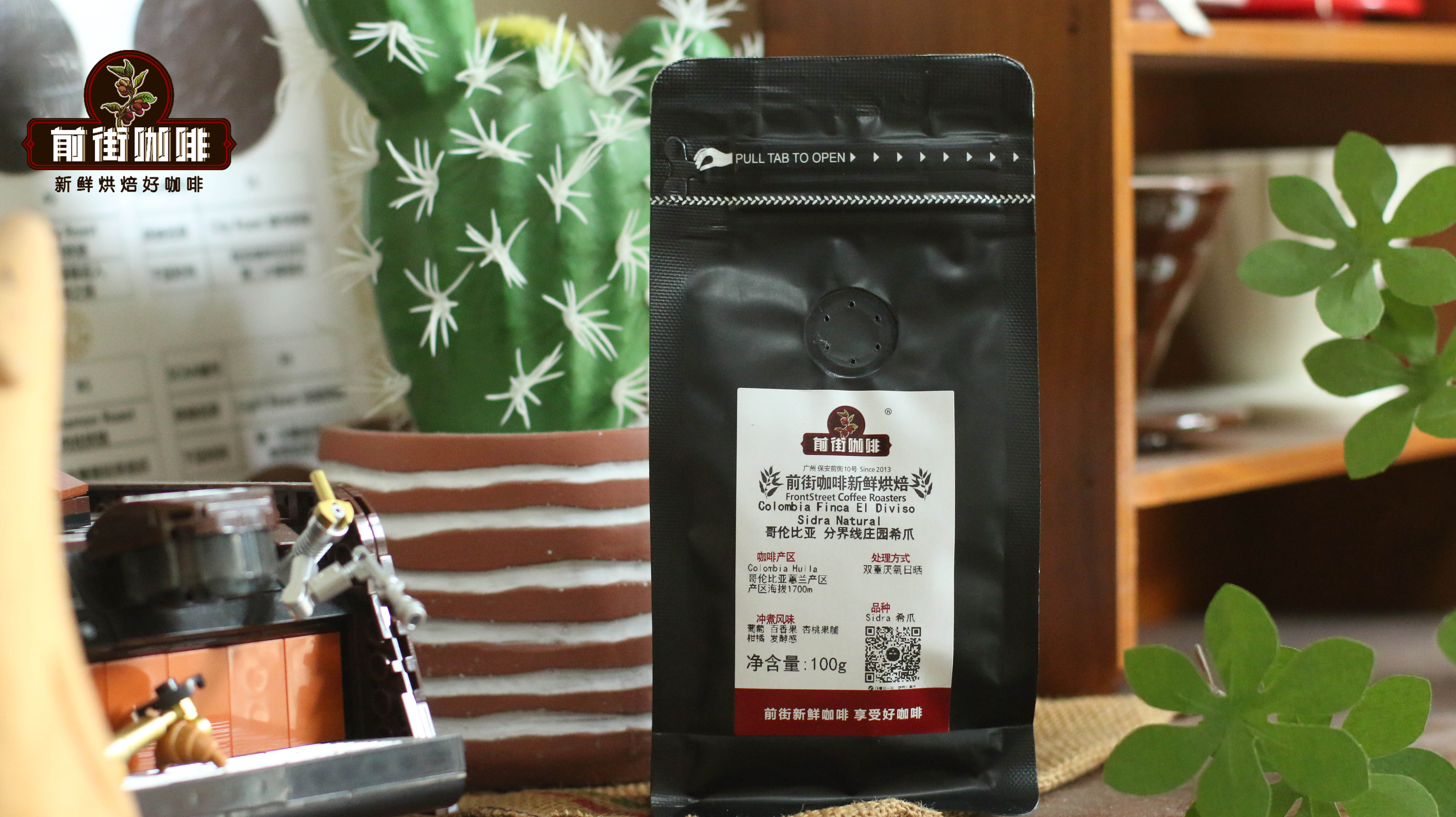
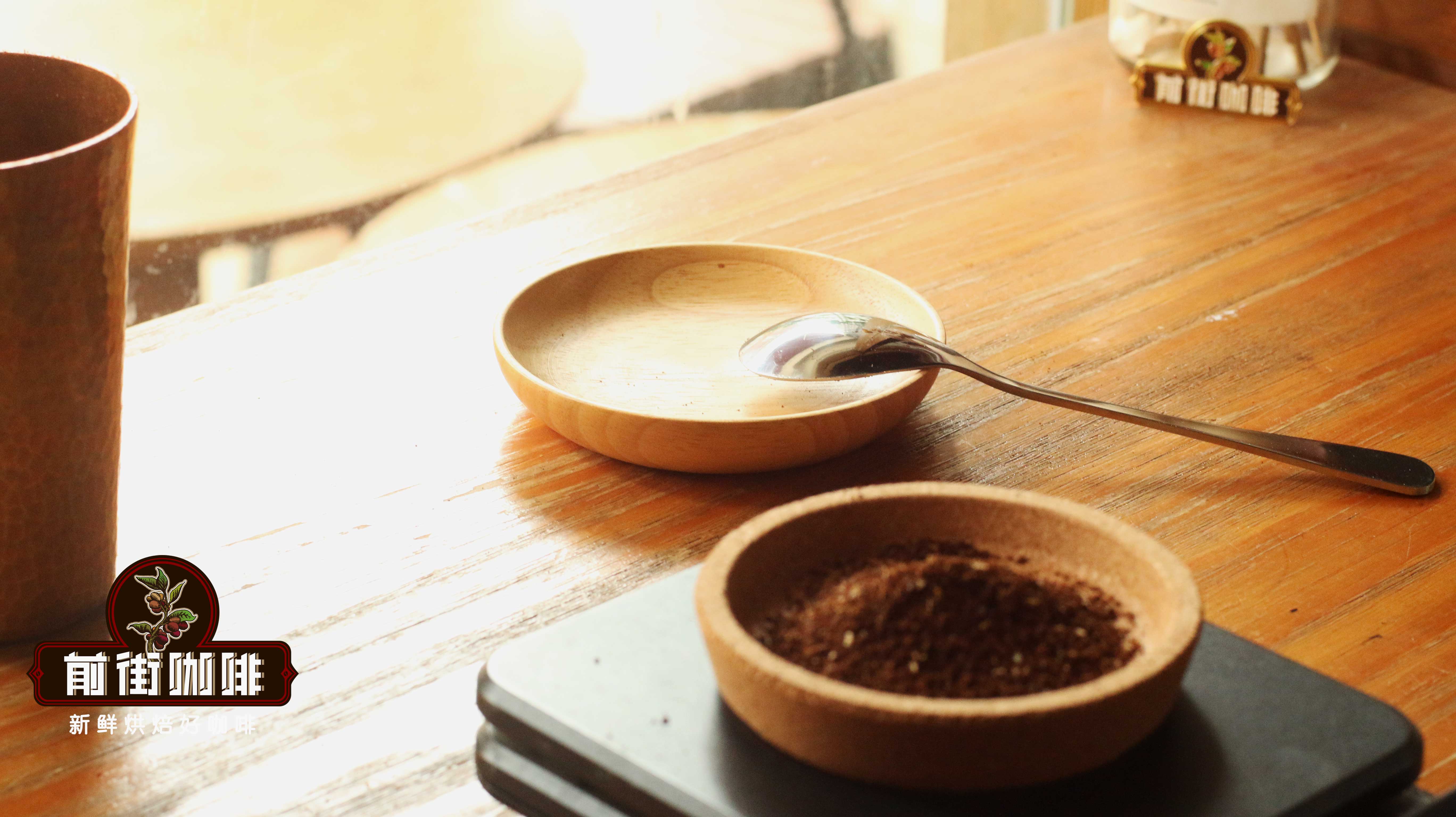
For coffee beans, it’s recommended to choose varieties with rich flavor layers—for example, beans with fruity notes can give the iced filter coffee a more vibrant, juice-like character. Practical testing uses medium-ground coffee powder with a sieving rate of about 65–68% (equivalent to a #20 sieve), which is slightly coarser than regular pour over, helping to control extraction uniformity. The amount of coffee should not exceed half the capacity of the dripper. Taking the common Hario V60 size 02 dripper as an example, use about 30 grams of coffee powder and leave room for placing the ice cubes.
 " alt="" />
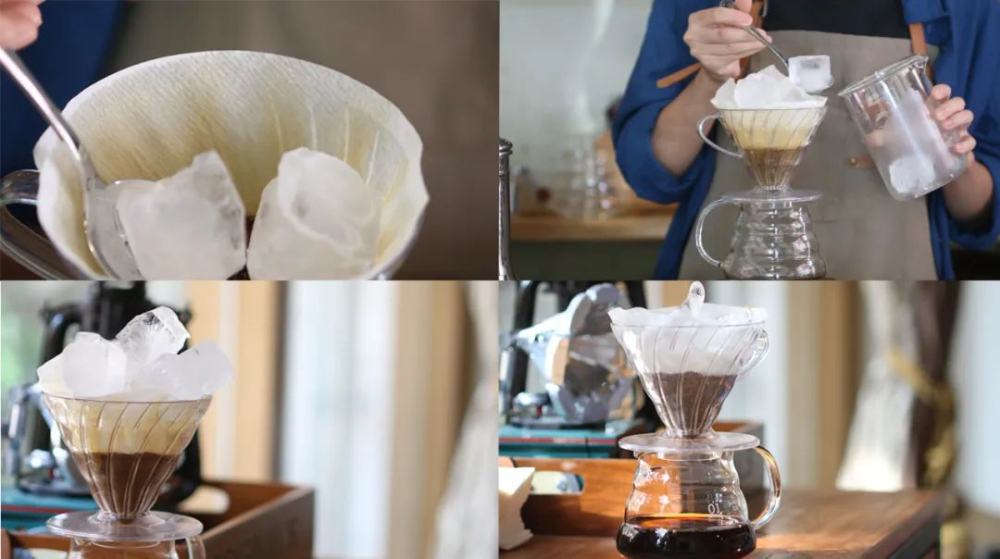
During the preparation stage, first put the ground coffee into the dripper, gently tamp it down, then pour about 30 milliliters of cold water to wet the coffee layer, preventing uneven extraction later. Next, add the ice cubes. It’s recommended to use large, hard ice cubes to slow down the melting speed. If using small or soft ice cubes, consider placing the entire setup in the refrigerator during extraction. The amount of ice cubes is based on a 1:10 ratio—for example, 30 grams of coffee powder with 300 grams of ice cubes.
 " alt="" />
After completing the above steps, place the dripper in a room-temperature environment to sit and wait for the ice cubes to naturally melt and extract the coffee liquid. This process takes about 5 hours, with slight variations depending on ambient temperature and ice cube size. Once the ice has completely melted, remove the dripper and enjoy your coffee.
 " alt="" />
The finished iced filter coffee can be consumed immediately. It’s recommended to add 1–2 large ice cubes to keep it cool, or refrigerate it for a while before drinking for an even more refreshing taste. Although the melting speed of the ice and the direction of the water flow during iced filter brewing are not easy to precisely control, the overall fault tolerance is high—even with slight adjustments to parameters, most attempts will still yield a well-balanced flavored coffee.
 " alt="" />
The charm of iced filter coffee lies in its simplicity and fun. No expensive equipment is needed, making it perfect for easy experimentation at home. Whether you’re a coffee newbie seeking convenience or a hobbyist exploring different brewing methods, you can discover your own unique iced coffee flavor.
 " alt="" />
 " alt="" />
The above content is compiled by CoffeeHunters, a coffee news website.

