







Introduction:Drip bags are an extraction method that combines convenience with flavor, making them especially suitable for coffee lovers who want to enjoy pour over–quality brews but lack the time. This article explains the correct steps for brewing drip bag coffee, demonstrates common mistakes, and recommends ten specialty single-origin coffee beans. It will guide you through the optimal coffee-to-water ratio, water temperature control, and brewing details, helping you easily brew professional-grade flavors.
Even with the same coffee bean, there can still be differences in flavor between freshly ground coffee and pre-ground drip bags. Once coffee grounds are exposed to air, their aroma quickly dissipates, so it’s best to consume your drip bags soon after purchase. However, compared to the complexity of pour over equipment and procedures, drip bags stand out for their simplicity, making them a top choice for many busy individuals seeking specialty coffee.
The market offers a wide variety of drip bag coffees—from the bright citrus notes of Yirgacheffe, to the nutty chocolate of Brazil, the berry acidity of Kenya, and the herbal and dark chocolate tones of Mandheling. Each origin has its own unique flavor profile. Some consumers even request their favorite beans to be custom-packed as drip bags; for instance, the classic PWN Golden Mandheling is a popular option frequently requested for customization.
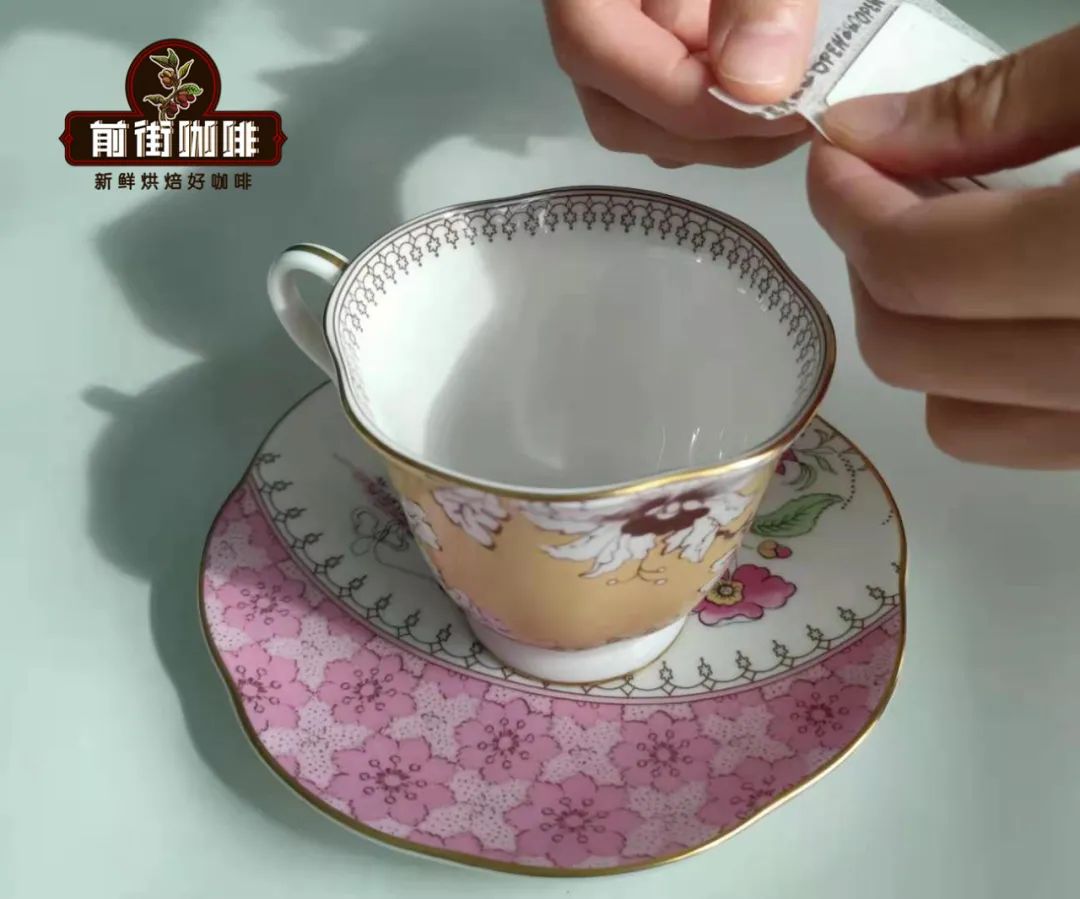
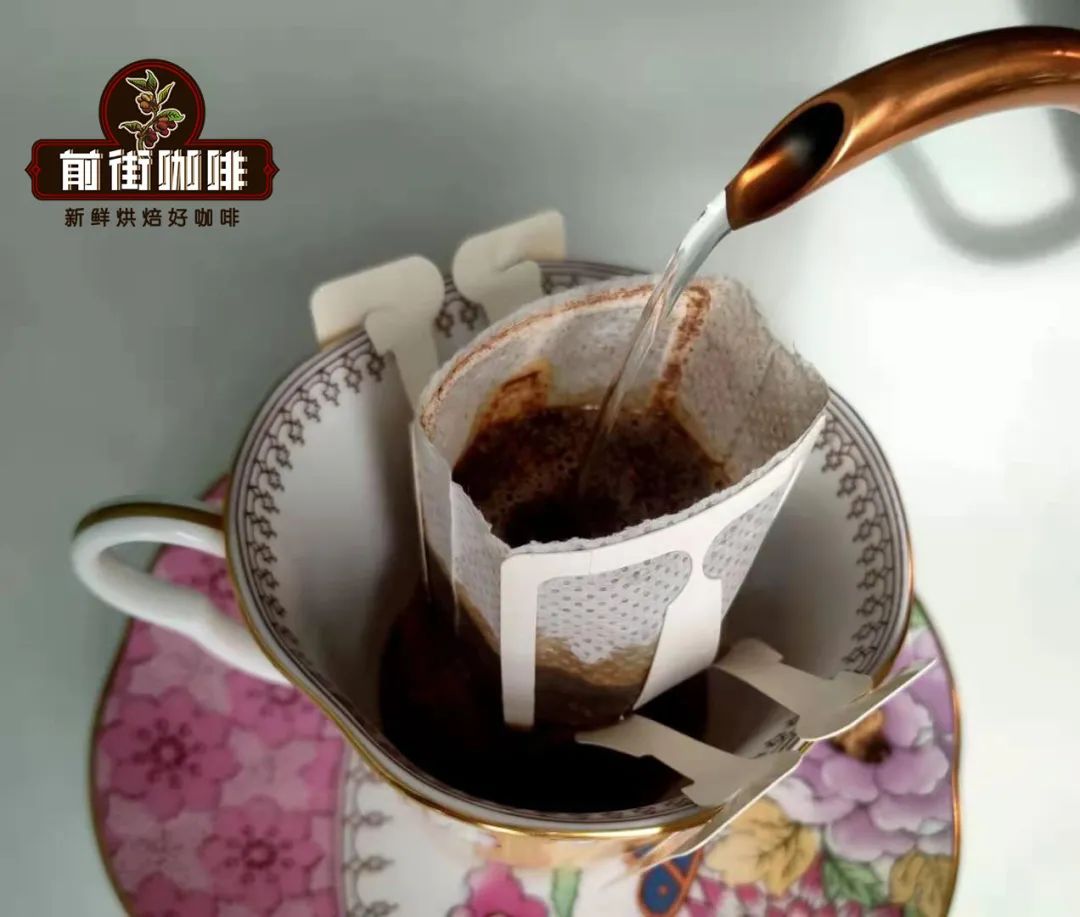
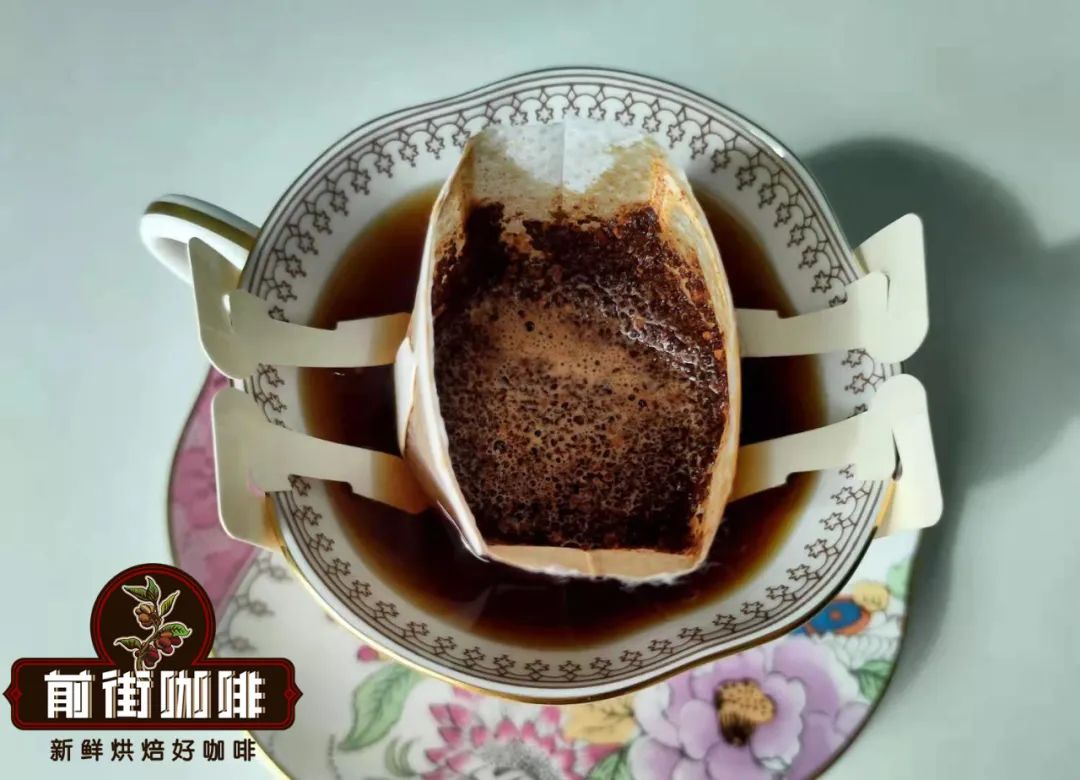
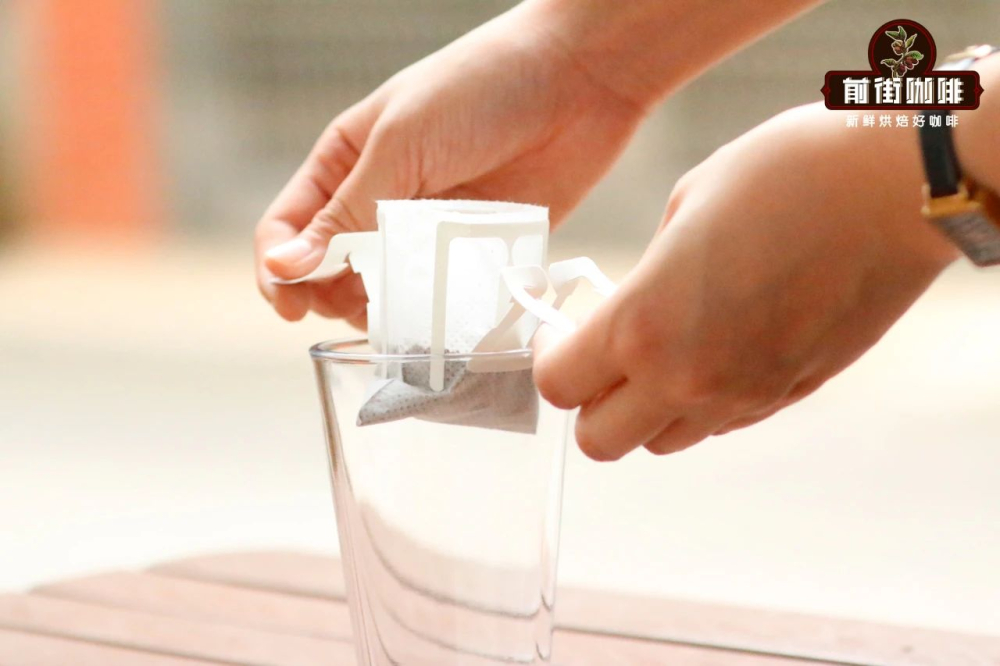
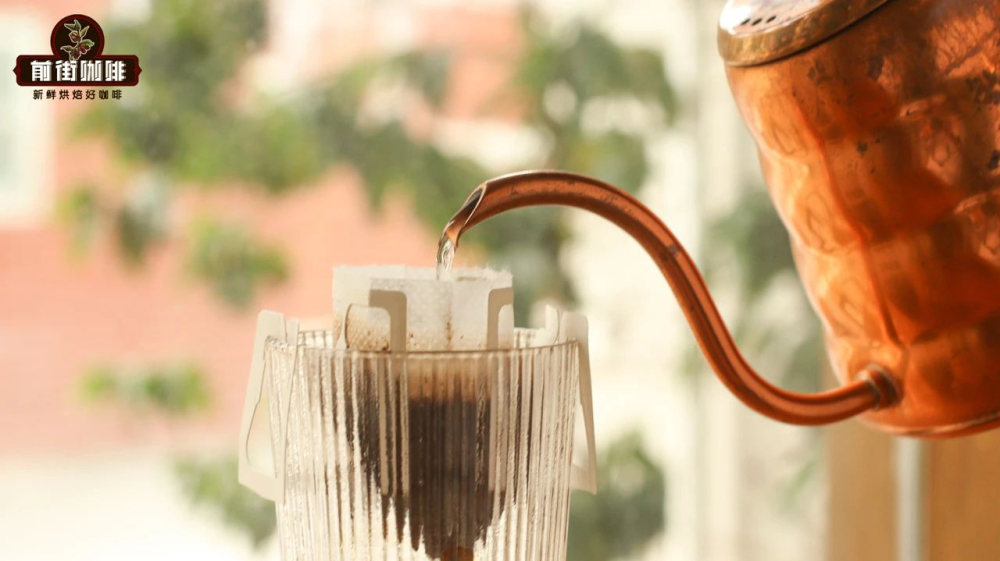
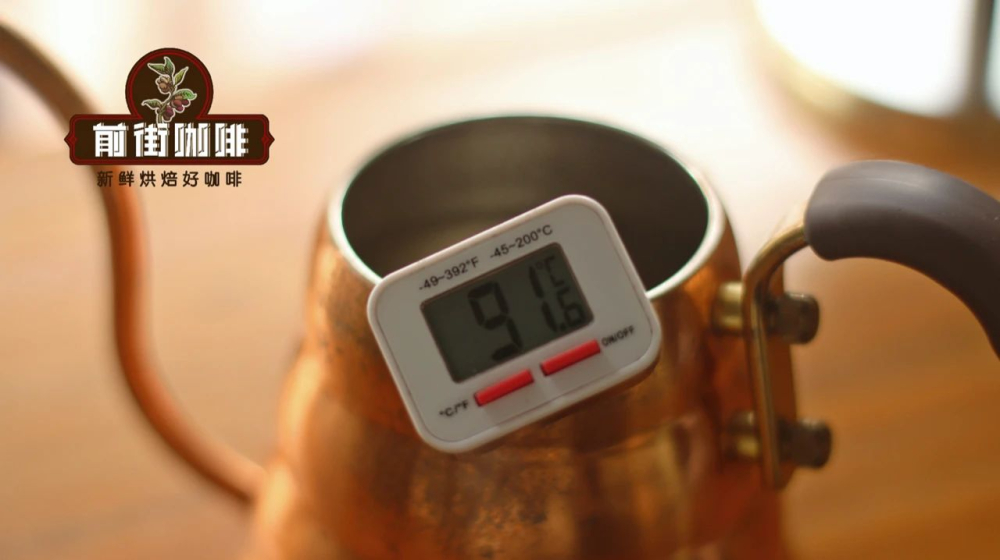
Using drip bags is actually very simple—you just need to master a few basic steps: hang the two “ears” of the drip bag on the edge of your cup, slowly pour 90°C hot water, and let the coffee grounds bloom for 20 to 45 seconds to release a rich aroma. Then, pour water evenly at a 1:15 coffee-to-water ratio (about 10 grams of coffee grounds to 150 milliliters of hot water). Those who prefer a stronger flavor can reduce the water amount, while those who prefer a lighter taste can add a bit more. It’s not necessary to pour in stages—just use a small stream and circle around until you reach the desired water volume. It’s an easy brewing method even for beginners.
However, many people tend to make some common mistakes when using drip bags for the first time. For example, mistakenly pouring the coffee grounds out of the drip bag and brewing them directly, like instant coffee, thereby ignoring the fact that drip bags are designed for drip filtration through the filter bag. This not only results in a mouthful of coffee grounds but also misses out on the nuanced layers of flavor. Additionally, some consumers soak the entire drip bag like a tea bag, which fails to utilize the drip bag’s water-draining structure, leading to a flat taste akin to soaking paper in water. Other frequent errors include not tearing open the brewing opening of the drip bag, preventing effective extraction of the coffee essence, or failing to remove the filter bag promptly after brewing, resulting in over-extraction and bitterness.
If you want to further enhance the flavor performance of drip bag coffee, there are several details worth paying attention to. First, it’s recommended to use a narrow-spout kettle to control the water flow. Compared to directly using a faucet or water dispenser, this provides a more stable and gentle water stream, reducing the occurrence of off-flavors. Second, accurately controlling the coffee-to-water ratio is crucial—the difference within a range of 1:10 to 1:20 is quite noticeable. It’s suggested to use a measuring cup with markings, using 1:15 as a baseline and fine-tuning slightly to find the best balance for your personal taste. Finally, water temperature is also a key factor affecting extraction efficiency. Although drip bags don’t require the extreme precision of pour over, maintaining a temperature between 80–95°C helps avoid over-extraction or under-extraction. It’s recommended to use a thermometer for measurement, or let boiled water sit for about one minute before use.
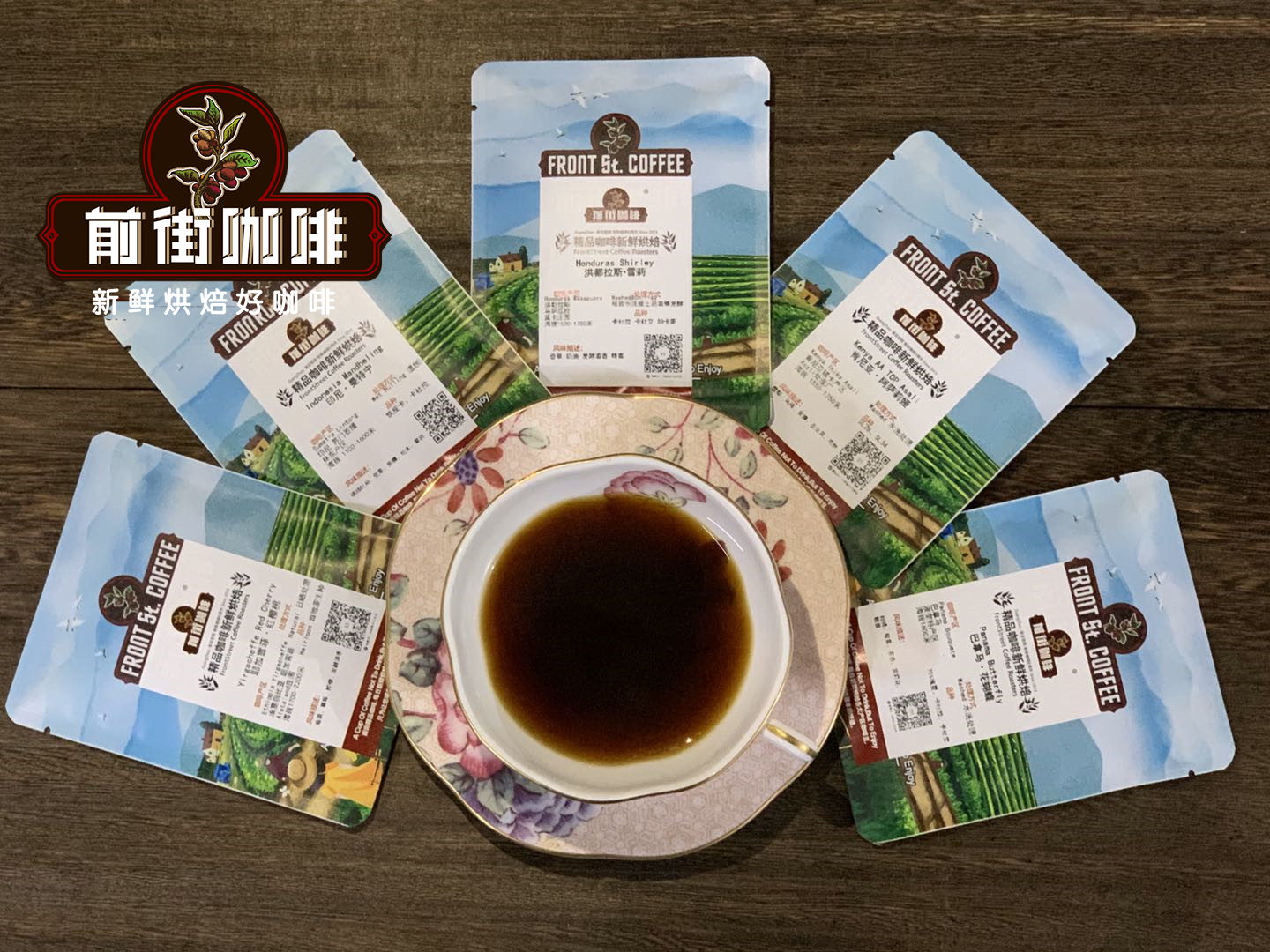
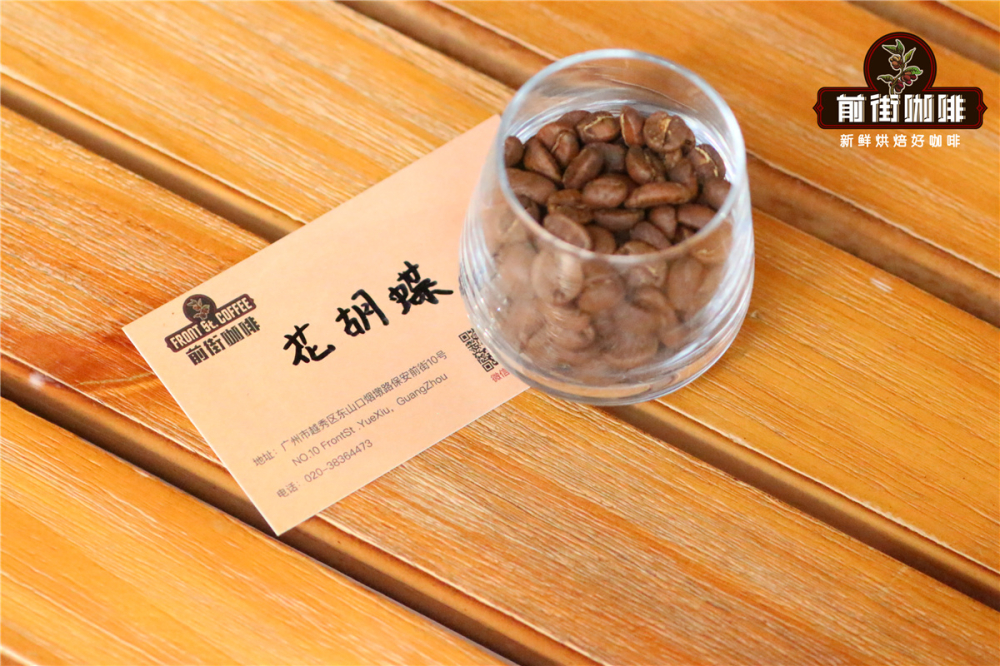
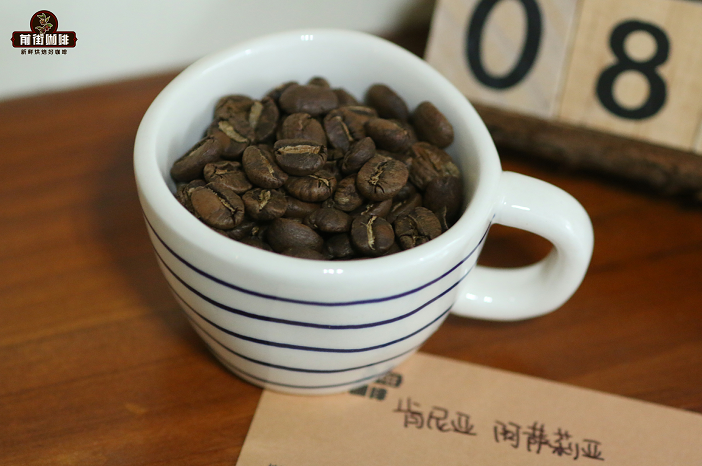
Below are ten representative drip bag coffee beans recommended for you, covering a diverse range of flavor profiles suitable for different preferences. The Panamanian washed Hua Hudie (Butterfly) combines Geisha lineage with Catuai and Caturra varieties, grown at an altitude of 1600 meters in a volcanic region, offering citrus, floral, and honey sweetness notes with excellent cost-performance. The Kenyan Assaliya is known for its long fermentation process, delivering prominent acidity reminiscent of cherry tomatoes and black plums, with notable mid-palate sweetness and a lingering finish of berries and brown sugar aromas.
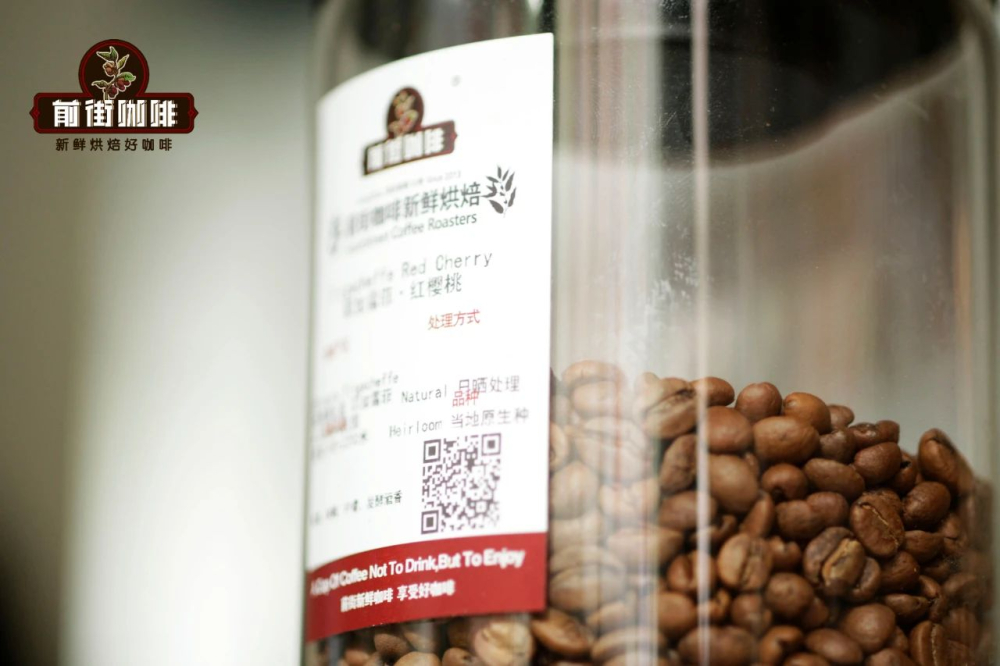
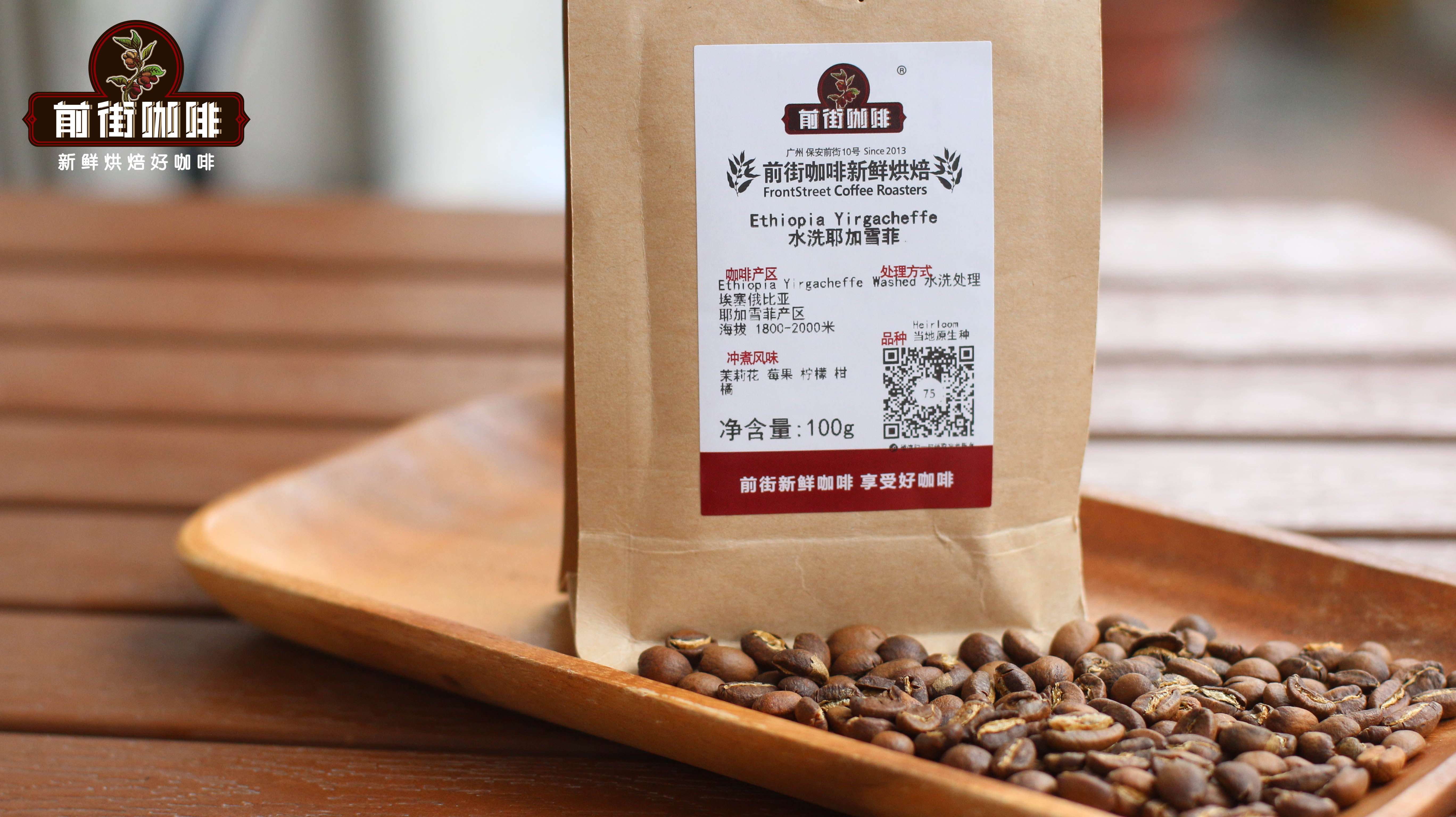
The Ethiopian Yirgacheffe Red Cherry (natural process) is processed through full manual harvesting and raised-bed sun drying, showcasing low acidity, high sweetness, and a rich wine-like character, with a distinct sweet aftertaste. In contrast, the washed version from the same region presents a clean and crisp profile of lemon, floral, and black tea notes, representing a classic fresh and bright style. Indonesian Sumatra Mandheling, processed via the wet-hulled method, features herbal and medicinal notes, dark chocolate, and caramel undertones, delivering a bold and distinctive flavor.
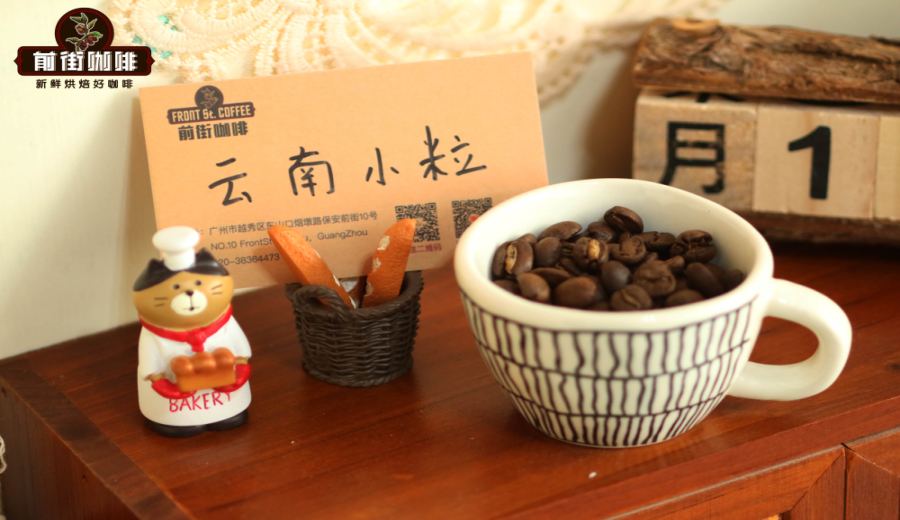
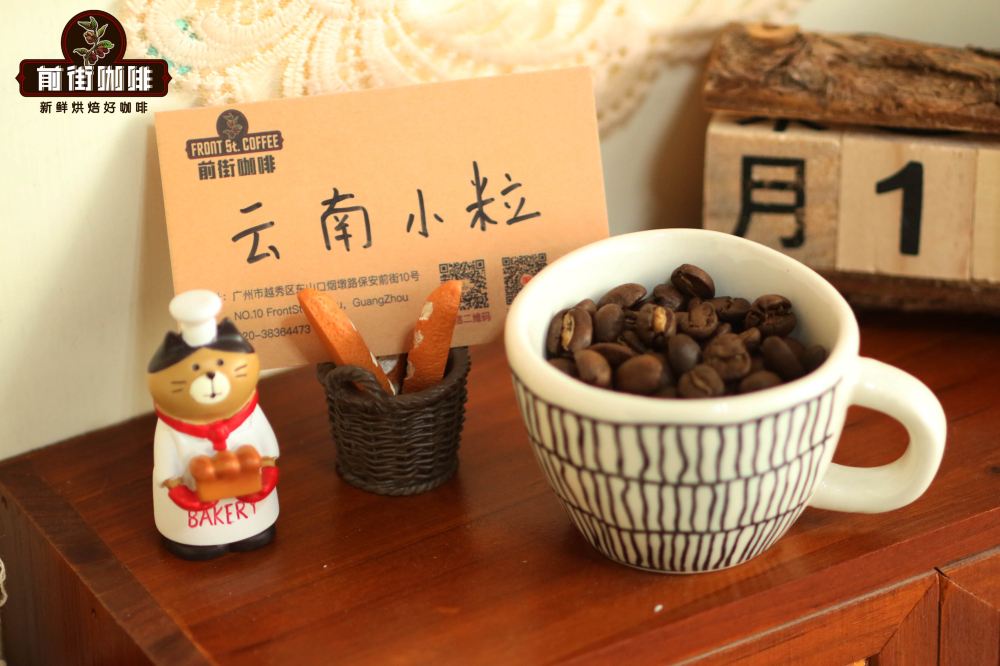
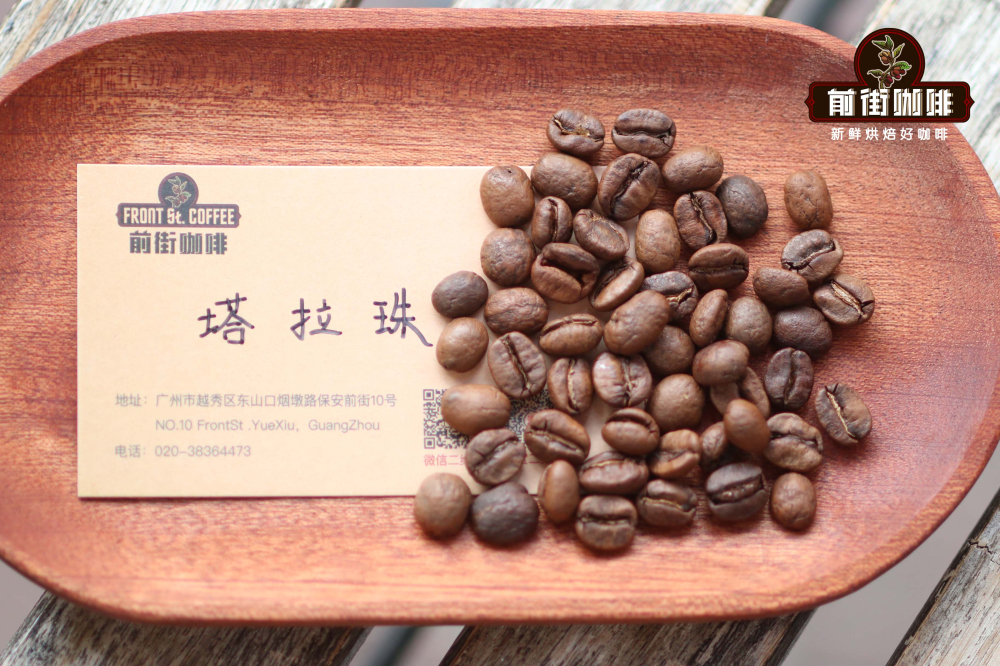
Brazilian Cerrado Red Bourbon (semi-washed process) showcases a main profile of nuts and chocolate, with a deep and steady acidity. Yunnan smallholder coffee combines fruity, nutty, and buttery aromas, highlighting local terroir flavors. Costa Rica Tarrazú coffee is known for its nutty, sweet orange, and honey notes, and is one of the representative fine coffees of Central America. Colombian Huila beans excel with balanced nuttiness, dark chocolate, and mild fruit acidity, and are produced under strict quality control. Lastly, Honduran Sherry Coffee employs low-temperature fermentation in whiskey barrels, imparting distinct sherry, vanilla, and buttery notes, with a cocoa-laced aftertaste and balanced acidity—it’s an excellent choice for those who love wine-like aromatic profiles.

The above content is compiled by CoffeeHunters, a coffee news website.

