








Introduction:Cold brew coffee has become a popular summer beverage in recent years, but its price is often significantly higher than that of iced Americano. This article delves into the brewing principles of cold brew, highlights the key differences between it and iced Americano as well as iced pour-over coffee, and provides recommendations for coffee beans suitable for cold brewing. It also explains why cold brew tends to be more expensive and how to choose beans that yield the best flavor to create your ideal cold brew coffee.
On hot summer days, iced coffee becomes the go-to choice for many to stay alert. However, among iced drinks, cold brew often costs about twice as much as iced Americano. What makes cold brew so special? This type of coffee is made through low-temperature slow extraction, where coffee grounds are steeped in room temperature or even cooler water for 8 to 12 hours, extracting unique flavors and textures.

The production process of cold brew coffee is vastly different from traditional hot water brewing.Use medium-ground coffee beans (approximately as coarse as white sugar, or about 75% passing rate through a Chinese Standard No. 20 sieve), mix with cold water, seal, and refrigerate. Since there is no high-temperature stimulation from hot water, the kinetic energy of water molecules is lower, requiring a longer time to fully extract the flavor compounds and soluble solids from the coffee.
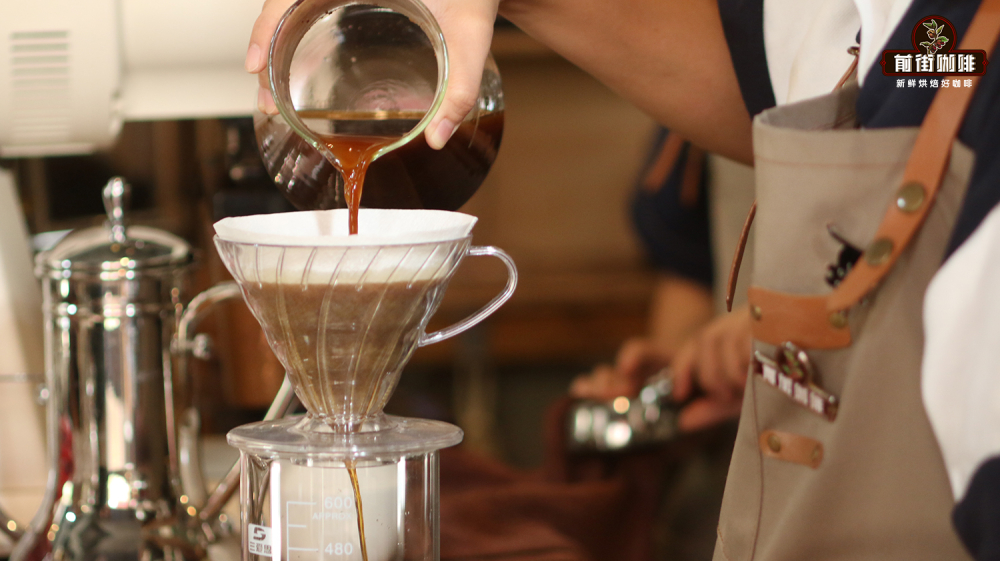
This low-temperature, long-duration extraction method typically results in cold brew having a highertotal dissolved solids (TDS)compared to hot-brewed coffee, meaning the concentration of coffee flavor compounds and caffeine is generally higher. As a result, many people choose to dilute it with water or milk to achieve a more balanced taste.
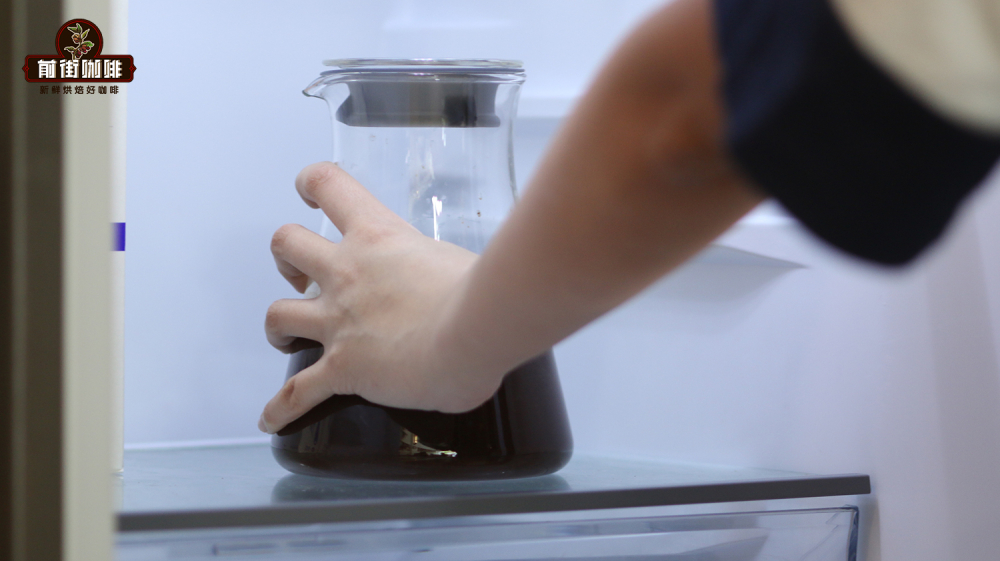
It’s worth noting that cold brew coffee is not the same as regular iced coffee. Although some shops may use these two terms interchangeably, their actual brewing methods are quite distinct. Iced coffee is usually made by quickly extracting with hot water and then rapidly cooling down with ice, whereas cold brew is kept at a low temperature throughout the entire process to avoid heat damage to the coffee's flavor.
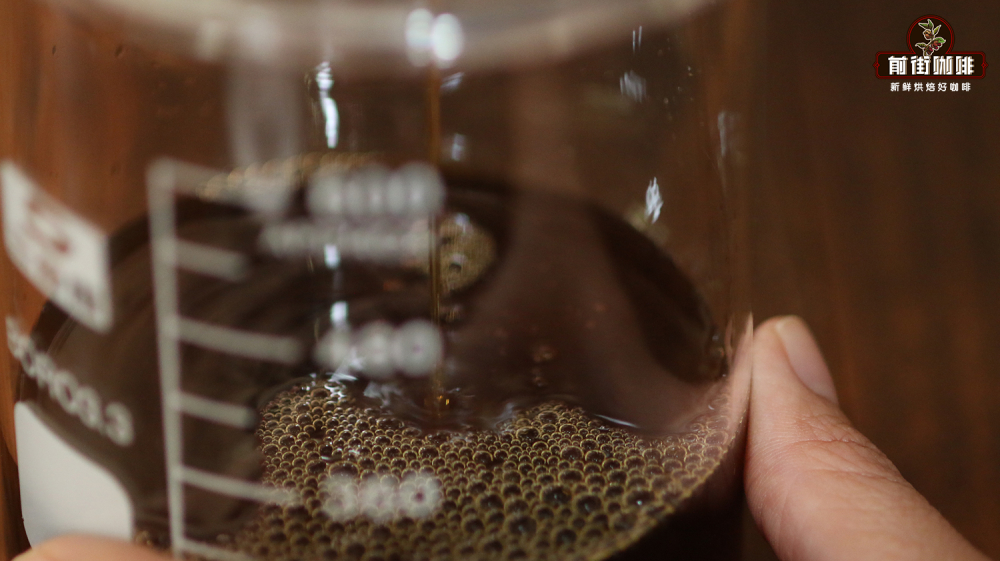
So, why is cold brew typically priced higher than iced Americano in shops? The primary reason lies in thetime cost. An iced Americano involves quickly extracting a shot of concentrated coffee using extremely fine-ground beans with 9–10 bar pressure and around 94°C hot water within 25–30 seconds, then diluting it with water. In contrast, cold brew requires an immersion time of 8 hours or more, which significantly increases the production labor time.

Secondly,the choice of coffee beans is also a key factor affecting cost. Most iced coffees or espresso-based drinks aim for flavor stability and often use blended beans, combining beans from different regions to achieve a balanced flavor profile suited for high-pressure extraction. Cold brew, on the other hand, emphasizes showcasing the unique characteristics of single-origin beans, often using more expensive single-origin beans. Coupled with the long brewing time and required quantity, this naturally raises the selling price.
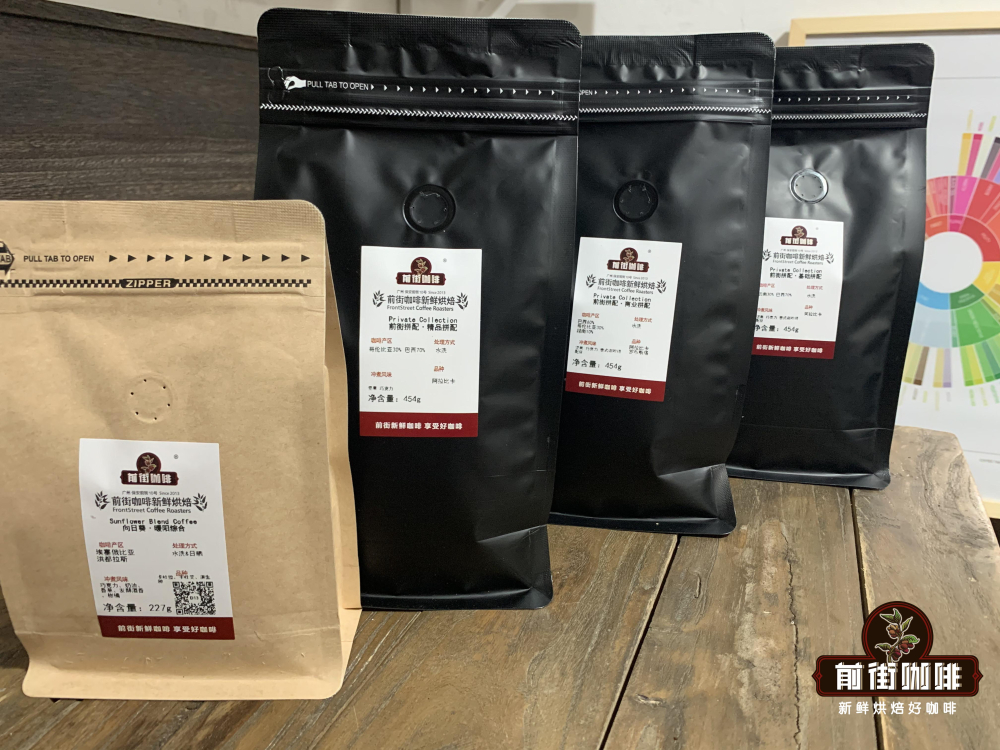
If you want to make cold brew at home, choosing freshly roasted single-origin coffee beans is key. Beans suitable for cold brew should have distinct regional characteristics that can shine through under low-temperature extraction. For those who prefer bright fruit acids and berry notes, you might choose beans with citrus and black tea flavors; for those who enjoy a richer, less acidic taste, dark roast beans with notes of dark chocolate and caramel are a good option.
Additionally,grind size and coffee-to-water ratioalso greatly affect the outcome of cold brew. It is recommended to use a medium-coarse grind, similar in texture to sea salt or coarse sugar, and maintain an appropriate coffee-to-water ratio, typically between 1:8 and 1:12, adjusted according to personal taste. After steeping, be sure to filter out the coffee grounds thoroughly to avoid any residue affecting the taste.

The above content is compiled by CoffeeHunters, a coffee news website.

