







Introduction:Rwanda, an inland African country known as the "Land of a Thousand Hills," boasts high-altitude volcanic soils and a unique climate that nurture premium washed coffees with bright acidity and fruity notes. This article will take you on a deep dive into its journey—from post-conflict industry rebuilding to the development of the prestigious Cup of Excellence competition—and analyze the flavor differences between its southern and western producing regions, along with practical brewing parameters and recommendations for washed beans.
Although landlocked in Africa, Rwanda’s exceptional geographical conditions—including high-altitude terrain, fertile volcanic soils, and a temperate highland climate—have secured its place on the global specialty coffee map. This article will detail how Rwandan coffee has emerged from historical trauma, gradually entering the international specialty market through washed processing techniques and meticulous regional cultivation.
Looking back at history, the 1994 genocide dealt a devastating blow to Rwanda, not only claiming nearly a million lives but also nearly collapsing its nascent coffee industry. At the same time, the collapse of international coffee prices further exacerbated the economic struggles of this agriculture-dependent nation. Yet, it was precisely under such adversity that Rwanda chose to rebuild its economy through coffee, particularly leveraging its high-altitude southern and western regions to develop internationally competitive specialty coffee.
Coffee cultivation in Rwanda dates back to the early 20th century, introduced by German missionaries and later expanded nationwide during the Belgian colonial period. However, the colonial government, aiming to control the market, suppressed coffee quality, resulting in the long-term production of low-value, low-quality beans without proper washed processing facilities. It wasn’t until after independence and the establishment of the official coffee regulatory body OCIR that the country began to prioritize quality improvement and international market development.
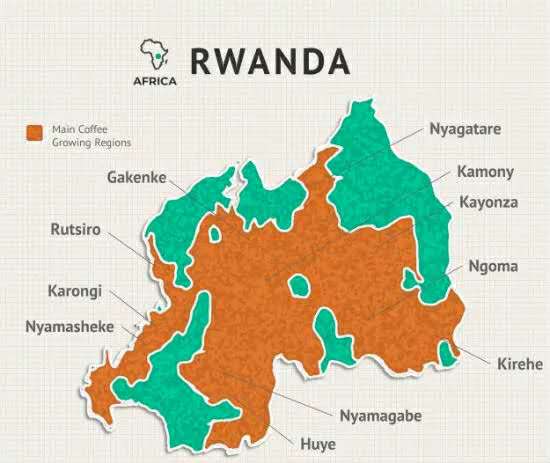
Rwanda’s terrain is predominantly mountainous, with elevations ranging from 1,700 to 2,000 meters, earning it the nickname "Land of a Thousand Hills." This geography not only aids coffee tree growth but also creates distinct regional flavor profiles. Key producing areas include the southern Huye Mountains and Nyamagabe region, where higher altitudes typically yield coffees with delicate floral notes and citrus acidity. In contrast, the western Nyamasheke region, near Lake Kivu, produces juicier, more aromatic coffees with rich tropical fruit flavors.
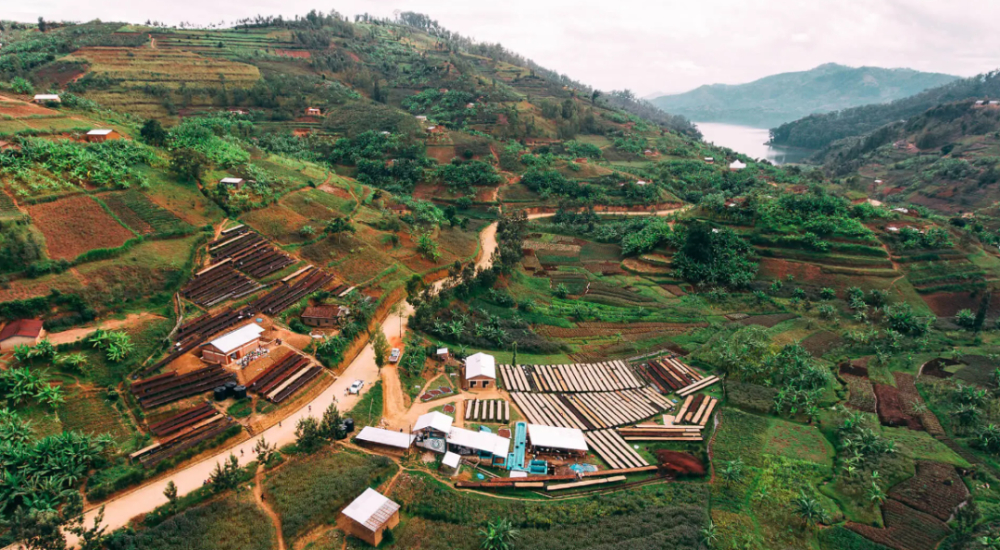
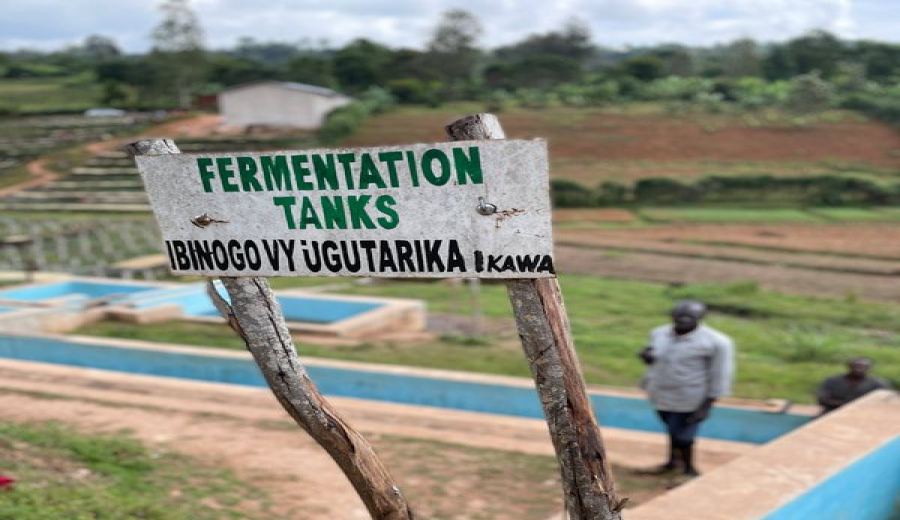
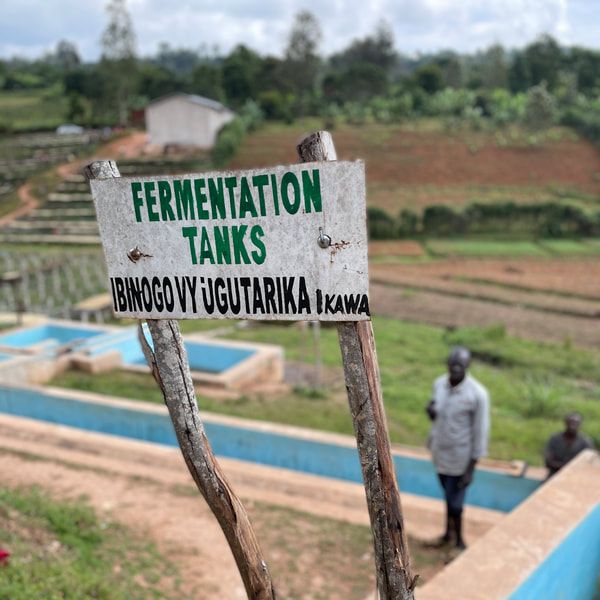
In terms of varieties, over 90% of Rwanda’s coffee trees are Bourbon and its derivatives, known for their disease resistance and flavorful profiles. For processing, Rwanda primarily uses the washed method, which highlights the coffee’s cleanliness and bright acidity. The process includes: flotation to remove unripe cherries, pulping, mucilage fermentation, mucilage washing, and final drying. Drying typically takes 15 to 22 days, aiming to reduce moisture content to 11–13%. Notably, Rwandan farmers carefully handpick red cherries before processing to ensure only ripe fruits are used, a key factor in the consistent quality of their washed beans.
In 2010, Rwanda became the first African country to host the COE (Cup of Excellence) competition, an international specialty coffee evaluation event that successfully brought the country’s top-tier coffees to the global stage. Through an online bidding system, buyers can directly access the finest coffee lots. However, Rwanda once faced disqualification from COE for some beans exhibiting a "potato defect," an off-flavor often linked to insect bites or bacterial infection—a red flag for green bean quality. Fortunately, many export-grade washed beans remain unaffected, maintaining stable, excellent quality.
For brewing enthusiasts, Rwandan washed beans are ideal for medium-light roasts to highlight their bright acidity and fruity characteristics. Recommended equipment: V60 dripper, with a water temperature of 92–93°C, a brew ratio of 1:15, and a grind size similar to fine sugar (20-mesh sieve yielding 78% extraction). For technique, use a three-stage pour: start with a 30-second bloom using twice the coffee’s weight in water, followed by a slow spiral pour to 125g, then continue pouring to 225g once the bed drops halfway. Total brew time is about 2 minutes, effectively showcasing layers of citrus, berry, and honey sweetness.
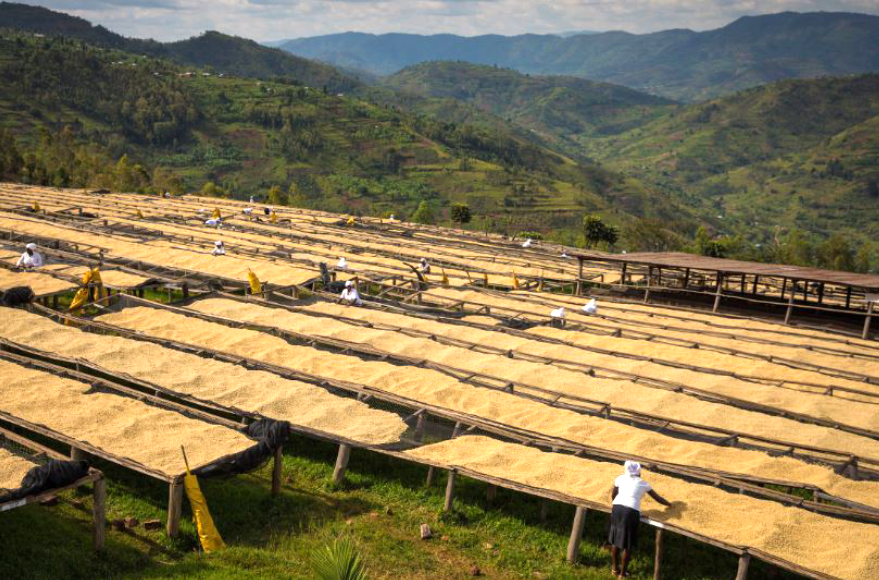
Rwanda’s Gisakura region, located in the western Nyamasheke area at elevations of approximately 1,700–2,000 meters, primarily processes Bourbon, Catuaí, and Catimor varieties at its washing stations. Its flavor profile often features citrus sweetness, bright acidity, mid-palate berry and apple notes, honey-like sweetness, and an almond-chocolate finish, delivering excellent balance—perfect for coffee lovers who enjoy fruity and vibrant profiles.
The above content is compiled by CoffeeHunters, a coffee news website.


