







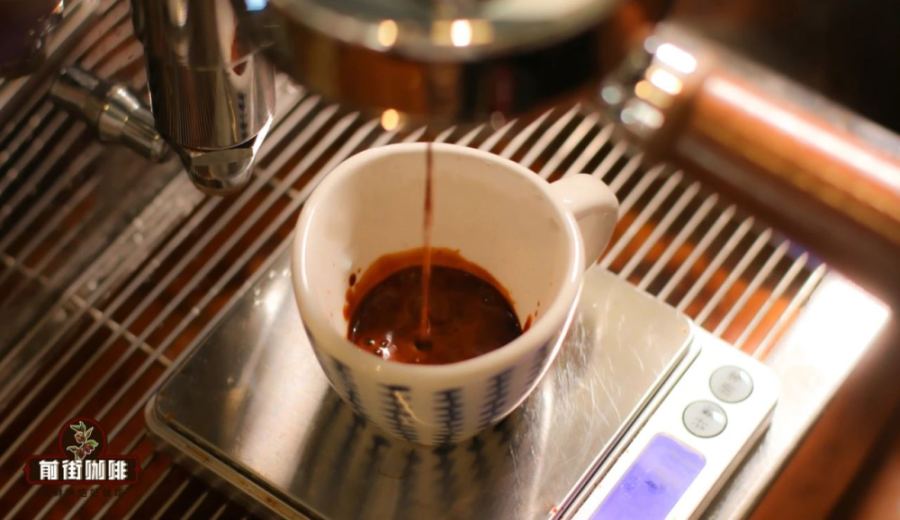
Introduction:Espresso is renowned for its rich and bold flavor, with distinctive taste profiles such as layers of dark chocolate and cocoa that often captivate coffee enthusiasts. This article delves into the history of espresso, its core flavor indicators, and provides a comprehensive breakdown—from coffee bean selection and crema formation principles to practical brewing steps—of what it takes to make an ideal shot of espresso. It also includes practical parameters and common misconceptions to help readers understand how to extract an espresso that boasts both aroma and delicate taste.
The term “Espresso” originates from the Italian word “Express,” representing the concept of quick extraction. This type of coffee can be prepared in just a few seconds, making it a classic beverage in modern cafés. Since the advent of the first espresso machine in the late 19th century, to the mid-20th century when Gaggia introduced the spring piston system that allowed the first appearance of golden crema (coffee foam) on the surface, the technology and flavor of espresso have continuously evolved. A well-made espresso should have a rich yet non-bitter taste, a full body, a distinct sweet aftertaste, and be covered with a fine, smooth layer of golden crema.
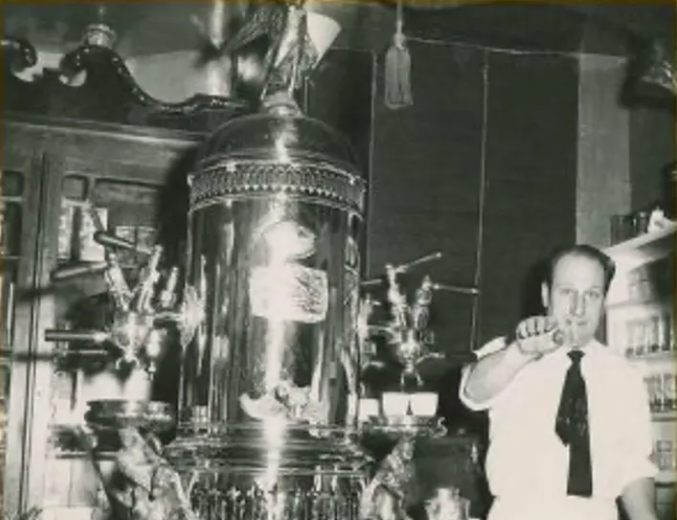
Early espresso machines used two separate heating boilers to bring water to boiling point, then pushed hot water through the coffee grounds at about 1.5 bar of steam pressure. Although this method could produce a highly concentrated coffee liquid, the taste was often rough. It wasn’t until the early 20th century when the Italian Luigi Bezzera improved the original design by adding a pressure regulator and a coffee basket, ensuring consistent puck thickness, laying the foundation for modern espresso.
Under high-pressure conditions, hot water can penetrate extremely finely ground and evenly distributed coffee grounds in just a few seconds, resulting in a more balanced extraction. This is also the core design principle of modern espresso. Although espresso coffee was born as early as 1884 with the first coffee machine, its primary consumers at the time were male workers, with women rarely entering cafés, so the popularity and acceptance of espresso were somewhat limited.
Over time, espresso gradually became a daily beverage for Italians, and demands for its flavor and quality continued to rise. In 1946, Gaggia revolutionized the process once again by replacing traditional manual pressure with a spring pressure system, enabling the formation of a fine layer of golden crema on the coffee’s surface during extraction. This crema not only impacts the appearance but also significantly enhances the smoothness and aroma of the taste, becoming a key indicator of espresso quality.
Nowadays, the industry generally agrees that a high-quality espresso should have a rich and full-bodied mouthfeel, with layers of dark chocolate, cocoa, or caramel, along with a clear and balanced aftertaste. The crema contributes to a delicate and smooth drinking experience.
To extract an espresso with captivating dark chocolate notes and fine crema, coffee bean selection is crucial. It is generally recommended to use medium to dark roasted blends, which not only promote the generation of rich crema but also help stabilize the extraction. The fineness of the coffee grind, the tamping pressure, water temperature, and extraction time all directly affect the final flavor.
During the roasting process, coffee beans release a large amount of carbon dioxide, which carries volatile aromatic molecules that can escape. Therefore, using freshly roasted beans (ideally within 5 days) and grinding them just before extraction is essential to preserve aroma and crema performance to the greatest extent. The resting period is around 4 to 7 days, during which the flavors of the coffee beans gradually stabilize and balance.
The standard preparation process for espresso is usually based on single or double shots. A single shot uses about 10 grams of coffee grounds to extract approximately 20 grams of espresso; a double shot uses about 20 grams of coffee grounds, aiming to produce 40 grams of espresso. The recommended water temperature is controlled at 94°C, with an extraction time maintained between 20 to 30 seconds to achieve the best balance.
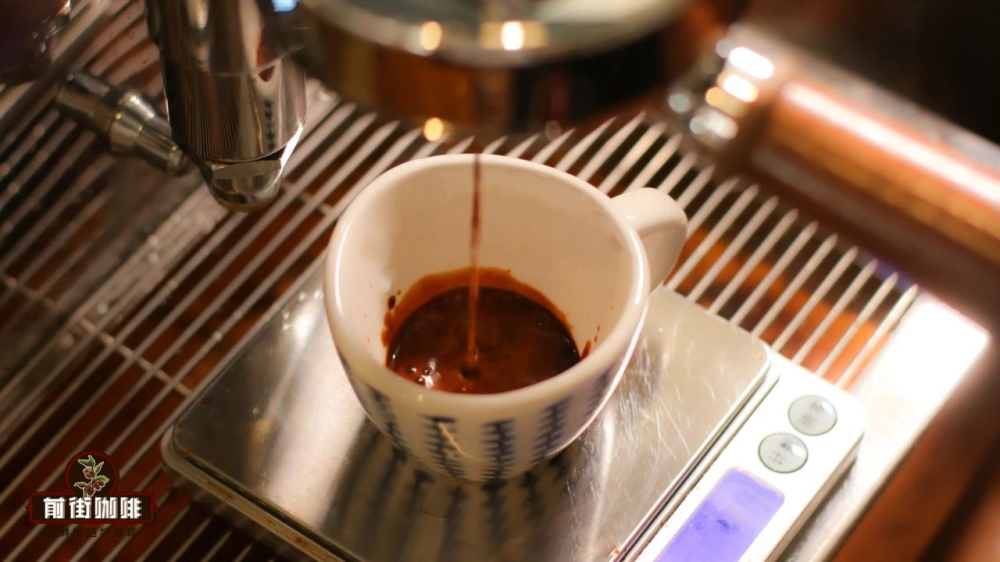
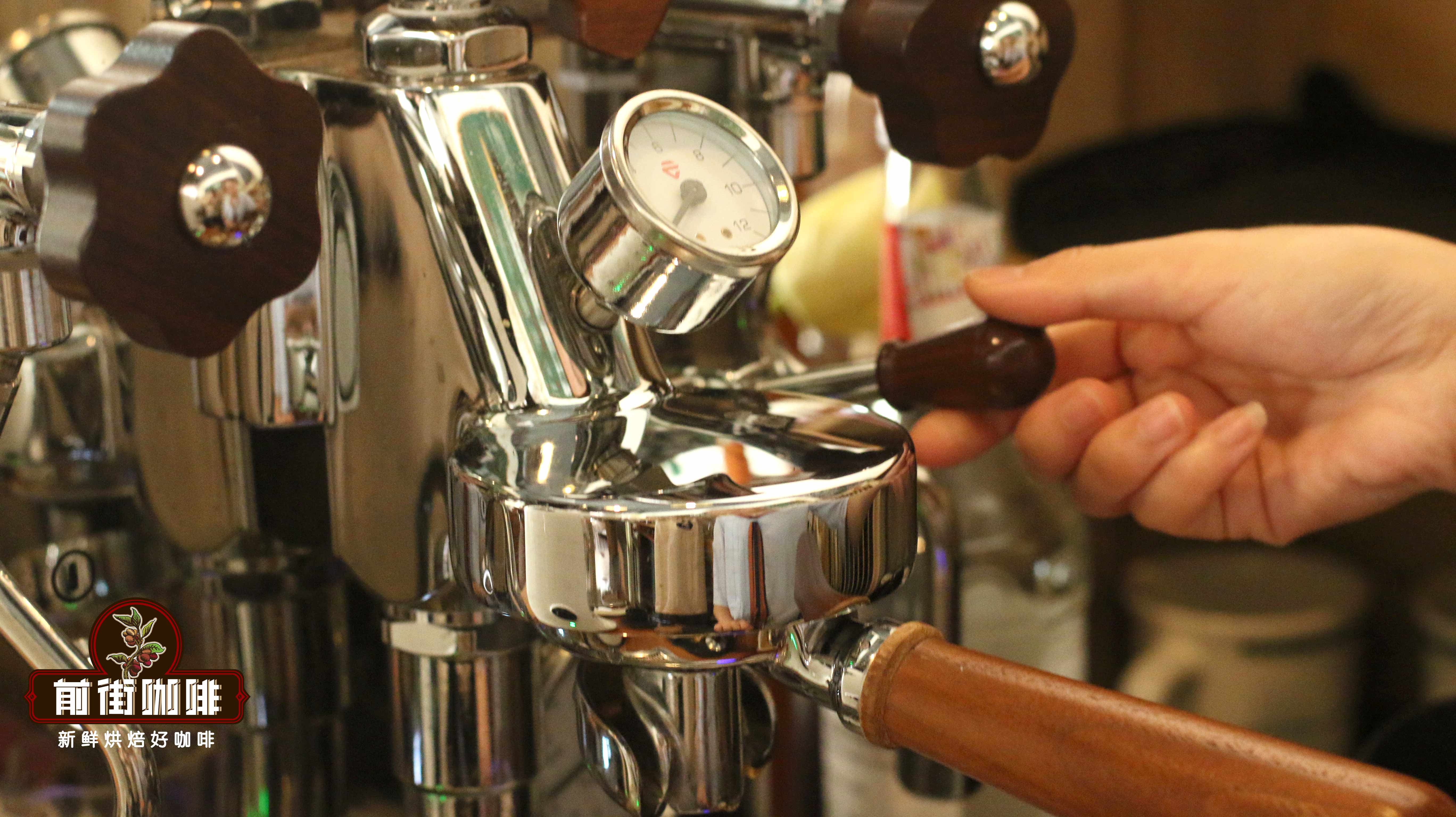
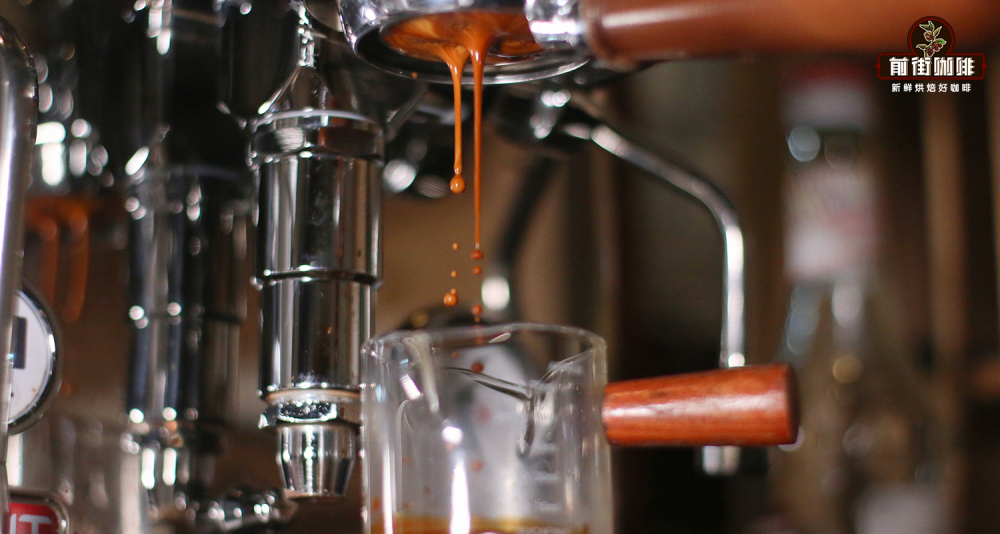
When using a dedicated espresso machine, first clean the portafilter and basket to ensure there are no water stains or leftover coffee grounds. Then grind the coffee beans to an extremely fine consistency and evenly fill the basket. Tamp the coffee using a tamper to apply even pressure, ensuring consistent puck density, then securely reattach the portafilter to the machine. During extraction, it is recommended to use an electronic scale to monitor the weight and flow rate of the coffee. Stop the extraction promptly upon reaching the target yield to avoid over-extraction or channeling.
For those who are not accustomed to the strong bitterness of espresso, Americano is a more approachable option. Simply dilute a single or double shot of espresso with hot water to adjust the flavor to something more refreshing. A common ratio is to extract a shot of espresso and then add hot water at a 1:6 ratio—for example, extracting 40 grams of espresso from 20 grams of coffee grounds, then adding 240 grams of 88°C hot water to make a bright and aromatic hot Americano.
For those who prefer iced drinks, hot water can be replaced with a combination of ice cubes and room temperature water—for instance, 120 grams of ice cubes with 120 grams of room temperature water—which helps slow down the melting of the ice and maintain the optimal taste. The resulting iced Americano achieves a balanced acidity and sweetness with clear layers, making it very suitable for consumers who are new to coffee.
The above content is compiled by CoffeeHunters, a coffee news website.


