








Introduction:Espresso is the soul of Italian coffee and also the foundation of many classic coffee beverages such as lattes and cappuccinos. This article delves into the historical background of espresso, its standard extraction parameters, the principles behind crema formation, and provides a detailed explanation of the brewing process and flavor characteristics. It also explores variations of espresso-based drinks to help you fully grasp the core knowledge of this classic coffee.
Espresso can be considered the cornerstone of the Italian coffee system. It not only serves as the base for many classic coffee drinks but is also an important indicator of a barista's skill. From Americano and latte to mocha, these common beverages all start with espresso. Understanding the principles of espresso preparation and how to enjoy it is the first step into the world of coffee.
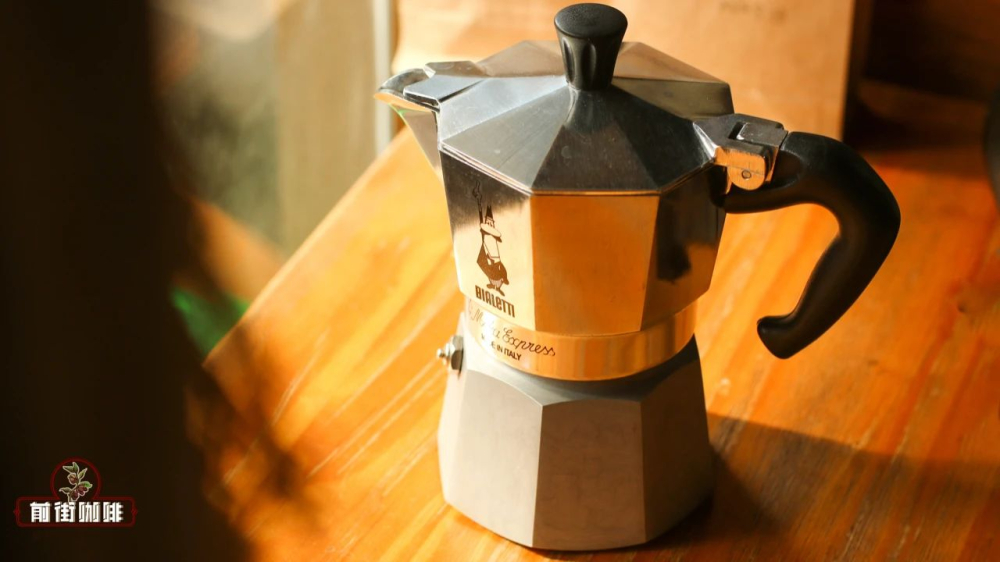
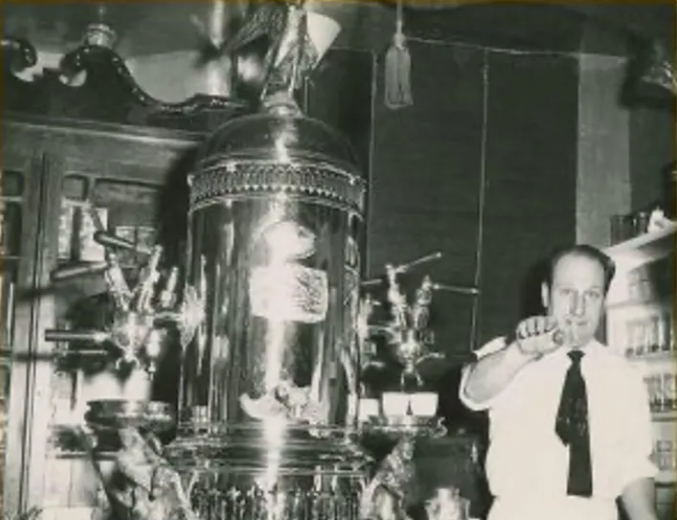
Looking back at the evolution of Italian coffee equipment, Italian coffee culture has left an indelible mark. Before the advent of professional espresso machines, Italians were already using pressurized principles to make moka pots, enhancing the richness of coffee flavors. With the rise of steam technology in the 19th century, people began experimenting with using steam pressure to extract more coffee essence. It wasn’t until the early 20th century that Milanese inventor Luigi Bezzera designed a coffee machine with independent group heads, which could place a precise dose of coffee grounds into the portafilter and complete extraction in an extremely short time—this became the prototype of modern espresso. The word "espresso" in Italian means "fast," and it is precisely because of this quick yet intense extraction method that it quickly gained popularity in Italian cafés.

So what exactly is espresso? Simply put, espresso is a concentrated coffee liquid extracted in a short period of time under high temperature and high pressure using an espresso machine. According to SCA (Specialty Coffee Association) standards, 7 to 9 grams of single-shot coffee grounds (14 to 18 grams for a double shot) are used, with an extraction pressure maintained at 9 to 10 bar and water temperature controlled between 90 to 96°C. Within 20 to 30 seconds, 25 to 35 grams of coffee liquid is extracted. In practice, different shops may make slight adjustments based on the characteristics of the coffee beans used and equipment differences to achieve the best flavor.
The most distinctive feature of espresso is undoubtedly the fine, glossy crema that floats on the surface of the coffee. This crema is formed when the oils in the coffee grounds interact with water under high temperature and high pressure. When the coffee liquid is released into normal pressure, the carbon dioxide in the oils is released, forming numerous tiny bubbles, which then constitute this golden layer of foam. Ideal crema should have a fine texture and a certain thickness, with a color ranging from bright golden to amber. It not only affects the visual experience but is also one of the indicators of a successful extraction. Before drinking, you can gently stir it with a spoon, smell its aroma, and then take a small sip to experience the rich and layered coffee flavors.
Although the actual process of making espresso may seem simple, it requires a great deal of technical skill and attention to detail. Taking a typical double shot extraction as an example, a portafilter with a capacity of about 18 to 20 grams is usually used, with an actual coffee dosage recommendation of 20 grams. The ideal ratio of coffee grounds to coffee liquid is 1:2, meaning 20 grams of coffee grounds yield 40 grams of coffee liquid. The extraction time is generally controlled between 20 to 35 seconds. Too short may result in under-extraction and weak flavors, while exceeding 35 seconds can easily lead to over-extraction, producing burnt or bitter tastes. In practice, some shops aim to control the time between 28 to 30 seconds to achieve a balanced flavor profile.
In terms of specific operation, first ensure the portafilter is dry. Start the grinder to produce an appropriate amount of coffee grounds and use an electronic scale to accurately measure 20 grams. Then use an appropriate tool to evenly distribute the coffee grounds, followed by using a tamper or your fingers to compact the coffee puck, ensuring uniform density and a flat surface. This can significantly improve extraction stability and consistency. After tamping, open the extraction switch to release water. This not only rinses the group head but also removes any residual coffee grounds, ensuring the purity of each extraction. Then securely attach the portafilter to the group head and begin the formal extraction. When the electronic scale shows that 40 grams of coffee liquid has been reached and the time is close to 30 seconds, turn off the extraction switch and pour the completed espresso into a prepared cup to enjoy.
The flavor profile of espresso depends largely on the type of coffee beans used and their blend ratio. Taking a common blend as an example, some shops use a blend consisting of 70% Honduran Sherry coffee and 30% Ethiopian Natural Red Cherry. This blend produces an espresso with thick, smooth crema, along with distinct whiskey-like aromas and vanilla biscuit notes, accompanied by soft berry acidity. The overall taste is full-bodied with a long-lasting aftertaste, offering a rich flavor experience to drinkers.
Besides being enjoyed on its own, espresso can also serve as the base for other popular coffee drinks. For instance, diluting espresso with hot water creates a refreshing and mellow Americano; adding steamed milk transforms it into the widely loved latte, delivering a silky texture and creamy, milky flavors. Whether as a daily pick-me-up or as a starting point for exploring coffee flavors, a deeper understanding of espresso’s preparation and characteristics can bring you more enjoyment and insight when savoring coffee.
The above content is compiled by CoffeeHunters, a coffee news website.


