







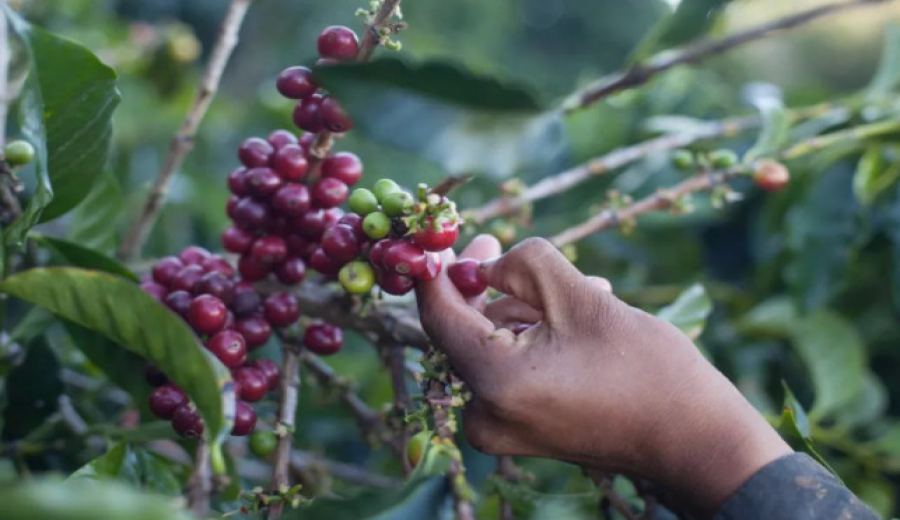
Introduction:Delve into Ethiopia’s two classic coffee regions—Yirgacheffe and Sidamo. From regional characteristics and flavor profiles to the differences between washed and natural processing methods, this article provides an in-depth analysis of the key factors that create their unique flavors. It also offers practical pour over parameters to help coffee enthusiasts precisely extract layers of citrus, floral notes, and bright acidity, taking you from origin to cup and fully grasping the charm of these two classic coffees.
Ethiopia, known as the birthplace of coffee, has nurtured countless unforgettable single-origin coffees over the centuries. From ancient shepherd legends to the now highly acclaimed specialty beans, this highland region in East Africa, with its exceptional geographical environment and long-standing cultivation history, continues to captivate global coffee aficionados with its citrus, jasmine, and bright, refreshing acidity. This article focuses on Ethiopia’s two renowned regions—Yirgacheffe and Sidamo—guiding readers to explore the historical background of their flavor formation, analyze their unique processing techniques, and provide practical and precise pour over brewing suggestions, so you can experience the delicate layers of top-tier specialty coffee at home.
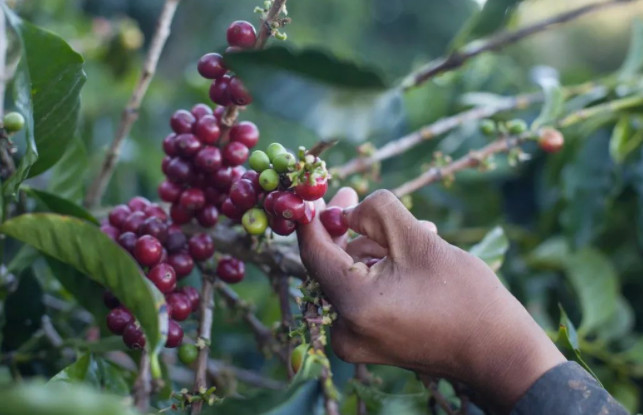
Located on the East African Plateau, Ethiopia has a tropical highland climate with abundant sunshine and large day-night temperature variations. Many areas are situated at altitudes of 1,700 to 2,200 meters, providing ideal growing conditions for coffee trees. Coffee is not only an important cash crop locally but also part of the culture. In the legend of coffee’s origin, a shepherd named Kaldi discovered that his goats became unusually excited after eating red berries from a certain tree. He tried the berries himself and shared them with villagers, marking the beginning of coffee’s journey to the world. Although the legend is unverifiable, the Ethiopian tradition of coffee drinking has been genuinely passed down to this day—from home roasting and grinding to brewing in clay pots—all preserving the most authentic coffee flavors.
The traditional Ethiopian coffee ceremony is also a major highlight. During the ceremony, green beans are first roasted on a flat iron pan, then crushed with a mortar and pestle, and subsequently brewed in a clay pot called a “Jebena.” The entire process is divided into three rounds of drinking: Abol, Tona, and Beraka, symbolizing blessing, conversation, and joy, fully showcasing the status and spirit of coffee in Ethiopian society. Notably, the word “coffee” is widely believed to originate from the Ethiopian region name “Kaffa,” highlighting the country’s deep historical ties to coffee.
Most Ethiopian coffee is grown by smallholders using intercropping methods, with each household typically cultivating no more than 4 hectares of land and often interplanting with banana or plantain trees to form a unique ecosystem. Due to the limited scale, most coffee is centralized to local cooperatives or processing facilities for unified processing, then sold under the name of the processing facility. For example, many well-known Yirgacheffe coffee beans come from the Kochere region’s Kochere Cooperative, which, through collective and refined processing, delivers consistent and high-quality flavor performance.
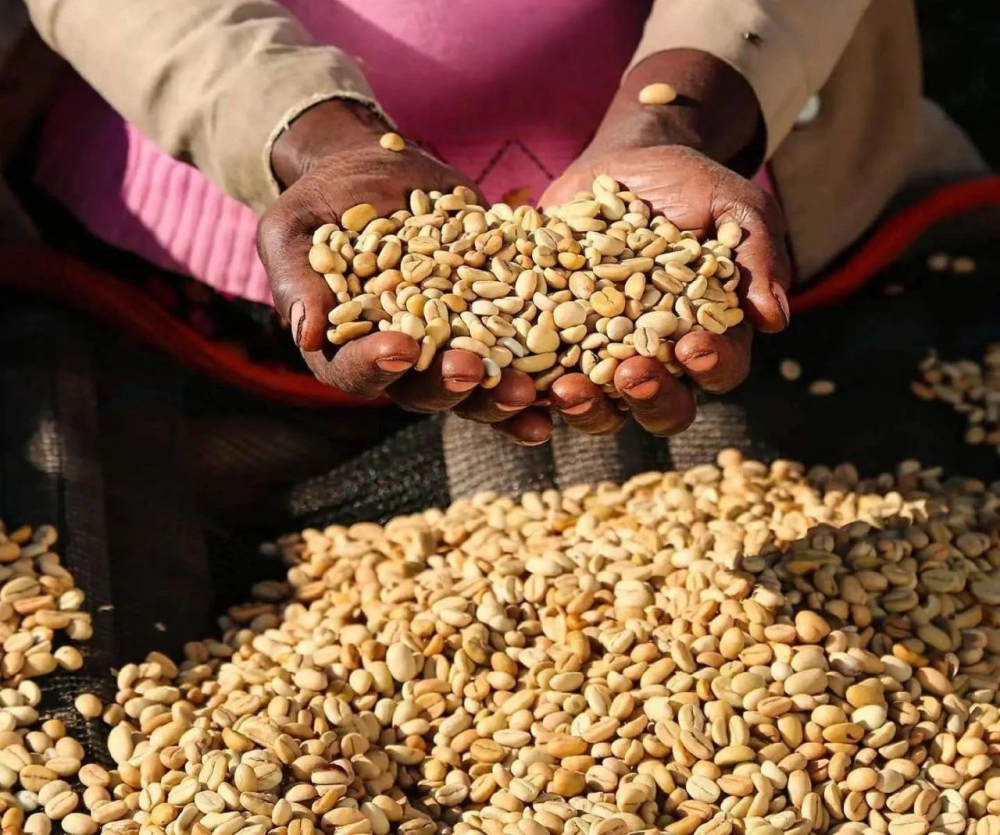
Yirgacheffe, although part of the Sidamo region, has established itself as a distinct area due to its unique flavors. In the early days, coffee from this region was mostly processed naturally, with unremarkable flavors. It wasn’t until the 1970s, when the first washed processing station was built and advanced washed processing techniques and equipment from Central and South America were introduced, that everything changed. Washed processing gives Yirgacheffe coffee its highly recognizable citrus and lemon aromas, paired with jasmine floral notes and a clean, bright acidity. The taste is refreshing and layered. Today, in addition to the town of Yirgacheffe itself, coffee produced in surrounding areas such as Wenago, Gedeb, and Kochere can also be categorized under the “Yirgacheffe flavor” profile, making it a star region in the specialty coffee market.
Equally renowned is Sidamo, whose name is closely related to the indigenous ethnic group, the Sidama. In the past, due to mispronunciations in foreign languages, it was referred to as Sidamo, and although it has been officially renamed Sidama in recent years, the market still commonly uses the term “Sidamo.” The coffee from this region is known for its rich and full-bodied profile, featuring complex sweetness and soft acidity, with a long aftertaste. In particular, the Buku Abel processing station in the Guji-Hambela area produced a lot of “Hua Kui” (Flower Queen) in 2017 using the natural processing method. With its intense strawberry and cream aromas, it won the Ethiopian National Coffee Quality Competition that year and defeated several well-known bean varieties in Chinese brewing competitions, achieving instant fame. Hua Kui has not only become one of Sidamo’s representative works but also demonstrated the unlimited potential of natural processing in flavor expression.

When brewing pour over, for specialty coffee beans like Yirgacheffe and Sidamo that are lightly to medium roasted, it is recommended to use a V60 filter cone to fully showcase their clear fruit acidity and aroma layers. The water temperature should be controlled at 92°C to 93°C, which helps to bring out floral and fruity notes. The grind size is recommended to be medium-fine, approximately 78% passing through a Chinese Standard No. 20 sieve, with a texture similar to fine sugar, balancing extraction efficiency and flavor expression. If the grind is too coarse, it may lead to under-extraction and a thin taste; if too fine, it may over-extract at high temperatures, resulting in bitter and astringent off-flavors.
In terms of pour over ratio,a coffee-to-water ratio of 1:15 to 1:16can be flexibly used. For those who prefer intense fruity flavors and a fuller body, choose 1:15. If you want a brighter, more floral and sweet profile, opt for 1:16 to allow the flavors to unfold more gracefully. In practice, you can use the classic three-pour method: first, wet the coffee grounds with hot water twice the weight of the coffee (e.g., 30 ml of water for 15 g of coffee) for about 30 seconds to bloom and release the aroma. Then, pour water in small streams in a circular motion from the inside out up to 125 g, pausing briefly. Finally, pour up to a total of 225 g, with the total extraction time controlled around 2 minutes, to enjoy a balanced and layered Ethiopian pour over coffee.
The above content is compiled by CoffeeHunters, a coffee news website.


