







Introduction:In the global coffee market, some coffee beans command prices dozens of times higher than regular commercial beans due to their rarity, growing conditions, or unique post-harvest processing methods. This article compiles the top ten most expensive coffee beans recognized in the international market, from Panamanian Geisha to Indonesian civet coffee and the legendary beans of St. Helena Island, detailing their origin background, processing methods, flavor characteristics, and auction prices to help coffee enthusiasts deeply understand the value of premium coffee.
Coffee has become an indispensable pick-me-up in many people’s daily lives, but did you know that some coffee beans are far more valuable than ordinary commercial offerings? From high-altitude Geisha in Panama to the legendary kopi luwak of Indonesia, and even the historically significant beans of St. Helena Island, these top-tier coffees not only come with astonishing price tags but are also highly revered by collectors and coffee experts for their rarity, special processing techniques, and unique flavors.
Based on publicly available data from international financial information platforms, we’ve compiled the current top ten most expensive coffee beans in the global market. Each one has its own story and unique market positioning. Whether you’re a beginner or a seasoned coffee aficionado, this list is worth exploring in depth.
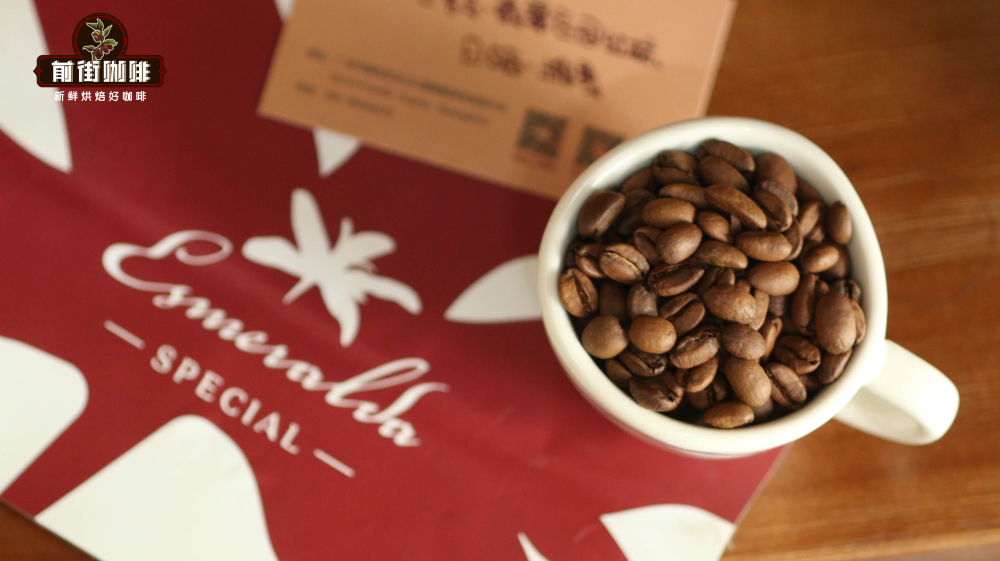
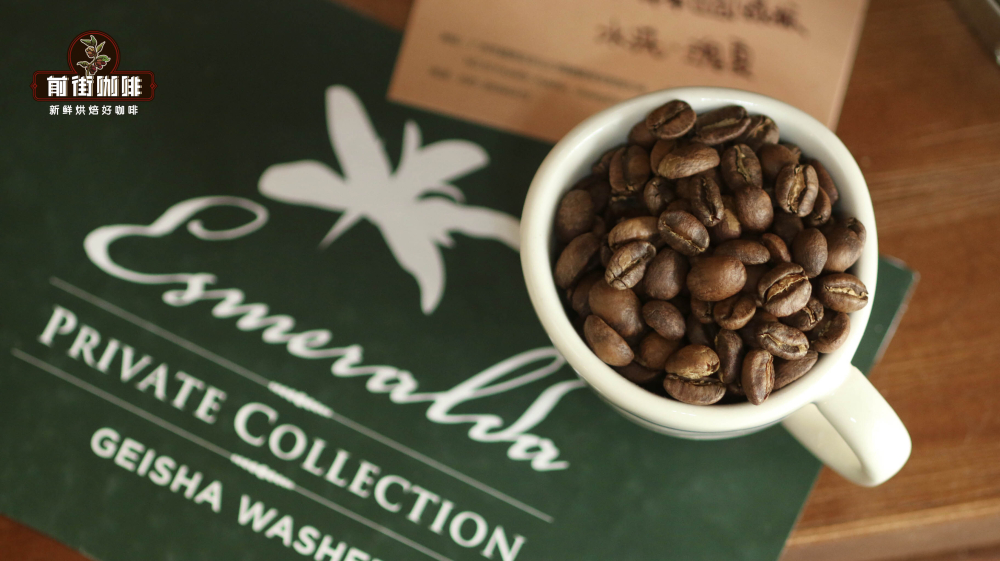
Topping the list is the Geisha from Hacienda La Esmeralda in Panama. Since 2004, this coffee has won a total of 13 championship trophies in international competitions. In the 2013 Best of Panama auction, it sold for$350.25 per pound, a sky-high price that remains legendary in the market. Grown on the slopes of Panama’s Baru Mountains and shaded naturally by guava trees, its extremely low yield means it must be acquired through bidding each year.
Coffee enthusiasts who have tasted it describe it as unleashing floral aromas that burst like fireworks, blended with bright fruit acids such as lemon, citrus, and strawberry, even delivering a juice-like mouthfeel. The floral and fruity sweetness lingers persistently in the aftertaste, making it a highly sought-after gem for many pour over coffee lovers.
Ranked second is the well-known Indonesian kopi luwak, commonly referred to as “cat poop coffee.” Its high price stems from the fact that the coffee beans must first be eaten by civet cats, then undergo fermentation and enzymatic action through their digestive system, before being collected from their droppings for processing. This unique process gives the coffee a rich, bold flavor with distinctive characteristics.
However, opinions on kopi luwak are divided; some tasters detect earthy and offal-like notes, while others appreciate its thick mouthfeel and the herbal, earthy tones typical of Indonesian coffee. Even at a price of up to$160 per pound, there are still plenty of consumers willing to give it a try.
In third place is St. Helena Coffee from the remote Atlantic island of St. Helena. The region’s high transportation costs, coupled with its historical significance—as the site of Napoleon’s exile, where he even personally planted coffee—have made this coffee famous. The volcanic soil and organic cultivation methods of St. Helena Island result in a delicate mouthfeel and mild acidity. After medium roasting, it emits citrus aromas and subtle sweetness, with a price of about$79 per pound.
Fourth is Molokai Coffee from Hawaii, produced on a 500-acre organic plantation on Maui Island. This coffee is known for its intense floral notes, berry and caramel tones, along with subtle herbal aromas. It has a soft acidity and a chocolatey finish, making it a highly representative premium coffee from the United States, with a market price of$51 per pound.
Fifth is Fazenda Santa Ines from Brazil, hailing from the Minas Gerais region. This estate adheres to traditional cultivation and natural sun-drying processing, using natural mineral water for irrigation to produce a consistently high-quality coffee with sweet berry notes and a caramel finish. Its price is around$50 per pound.
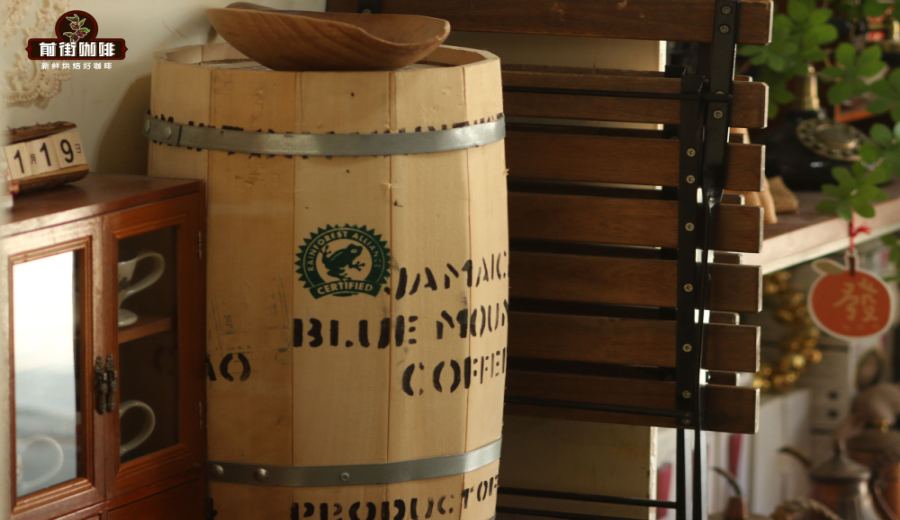
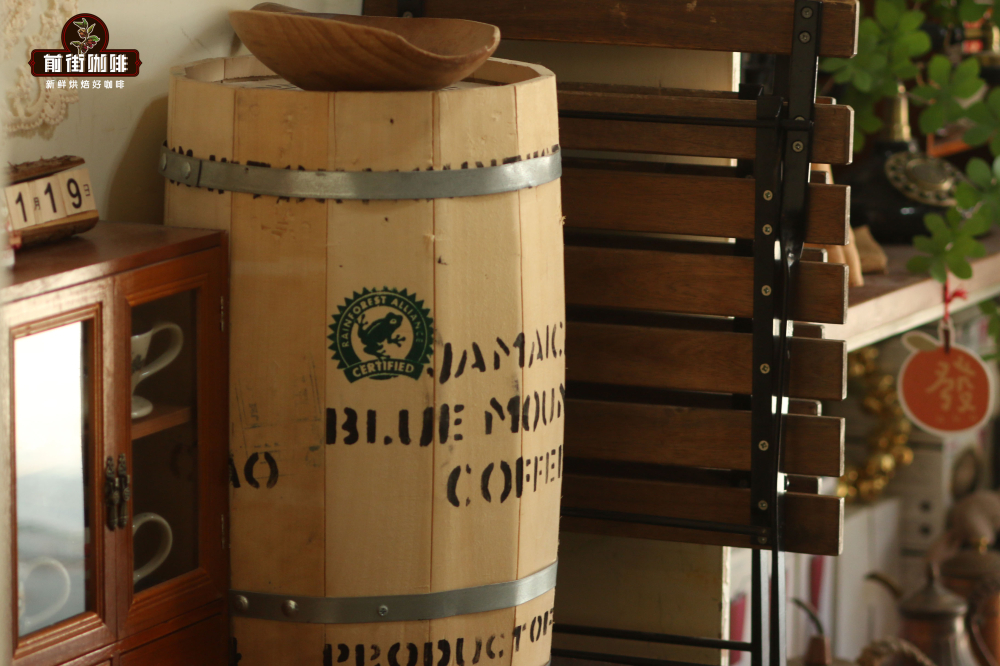
Sixth is Jamaica Blue Mountain, a globally renowned coffee celebrated for its mild and balanced acidity, sweetness, bitterness, and umami. Mainly grown at altitudes of 1,500 meters, it is processed via the washed method and handpicked to ensure quality. It is especially favored by the Japanese, who account for 80% of global sales. Priced at$49 per pound, it is a classic sought after by many specialty coffee enthusiasts.
Seventh is Los Planes coffee from El Salvador, grown in the Chalatenango mountains by the Ticas Yeyes family, a local coffee-growing dynasty. This coffee achieved strong results in the Cup of Excellence competition, with flavors dominated by orange, caramel, and brown sugar, offering a well-balanced profile that is beloved by coffee connoisseurs.
Eighth is Mi Esperanza Coffee from Honduras, which set a record at an online green bean auction with a price of$35.10 per pound. This coffee showcases complex layers of fruit, nuts, chocolate, and spices, with a clean aftertaste free of bitterness, making it a standout among Central American coffees.
Ninth is Starbucks Rwanda Blue Bourbon, introduced by Starbucks and known for its high acidity and aromas of cherry, butter, and nuts. It suits drinkers who prefer a bright flavor profile, with a market price of$24 per pound.
Finally, tenth is Coffee Yauco Selecto AA from Puerto Rico, grown in the high-altitude Yauco region with abundant rainfall and nutrient-rich soil, resulting in a rich mouthfeel with buttery texture and a chocolatey finish. Scarce in quantity, its price is$24 per pound.
The above content is compiled by CoffeeHunters, a coffee news website.


