







Introduction:The SCAA cupping evaluation form is a standard tool used by professionals to assess coffee quality, analyzing the sensory characteristics of coffee through ten key dimensions. This article delves into the complete scoring logic—from aroma and cupping flavors to overall evaluation—helping coffee enthusiasts and industry professionals master professional cupping techniques, enhance flavor recognition, and elevate tasting proficiency.
The SCAA (Specialty Coffee Association of America) cupping form is the gold standard in the industry for evaluating coffee quality. Through ten scoring categories, it systematically analyzes the full range of sensory experiences—from the dry fragrance and wet aroma, to the cupping flavors and aftertaste. Whether you're a beginner in cupping or a coffee professional looking to refine your evaluation skills, this detailed breakdown will help you better understand the core meaning of each scoring dimension.
The first item isAroma (Fragrance/Aroma),which is divided into dry fragrance and wet aroma. Dry fragrance refers to the scent released when coffee beans are ground, with common positive notes including coffee blossom, roasted hazelnut, or roasted almond—tones that are warm and inviting. The wet aroma released after water is added may present more complex fruit and floral notes such as honey, lemon, or apricot, often hinting at the overall flavor direction of the coffee.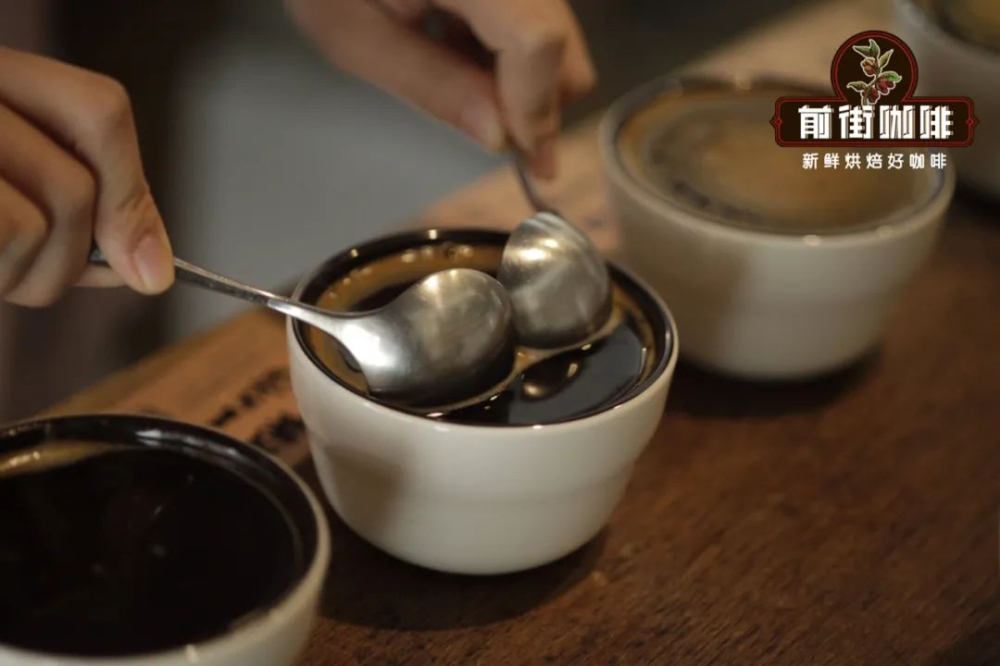
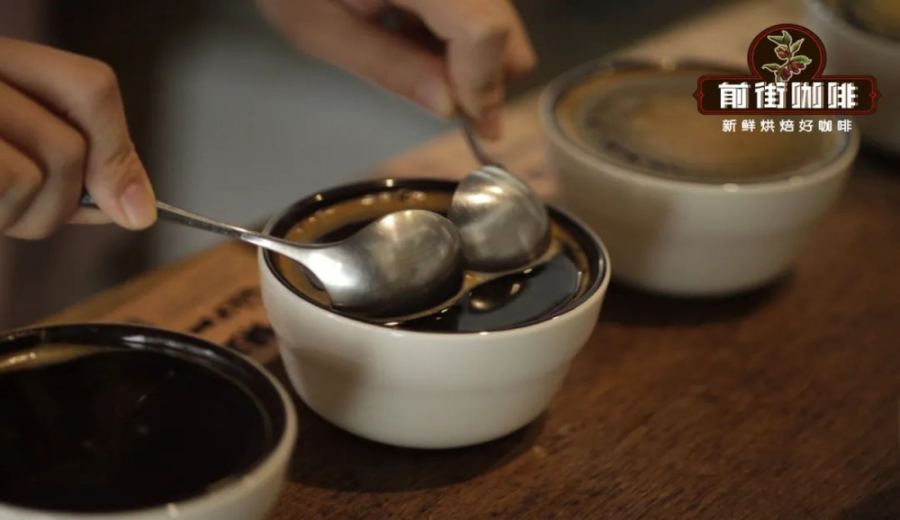
Cupping Flavor (Flavor)is one of the most critical scoring items in cupping. When the coffee liquor cools to approximately 71°C, cuppers slurp the coffee to atomize it, simultaneously capturing both flavor and retronasal aromas. This score encompasses all tastes perceived through the mouth and nose—whether fruity, floral, sweet, or spicy—all of which factor into the evaluation. The richer and more positively expressed the flavors, the higher the score.
Aftertaste (Aftertaste)refers to the persistence of taste and aroma remaining in the mouth after sipping. A high-quality aftertaste is typically accompanied by lingering sweetness or fruity notes, sometimes even felt well after swallowing. If the aftertaste is short-lived or features unpleasant sensations, it will significantly impact the score. A good aftertaste is a key indicator of a coffee’s overall balance and quality.
In the category ofAcidity (Acidity),high-quality acidity should be vibrant, like that of fresh fruit. Common positive descriptors include citrus, berries, sweet lemon, cantaloupe, or green apple—bright and refreshing acid tones. In contrast, poor acidity may resemble vinegar, unripe fruit, or fermentation off-flavors, all of which can lead to significant point deductions. The quality of acidity directly affects the coffee's complexity and freshness.
Body (Body)is not about taste but rather the tactile sensation in the mouth, encompassing aspects like oiliness, viscosity, and texture. For example, whole milk has a noticeably thicker feel than water, and thick soup carries more weight and mouthcoating sensation than clear broth. Coffees with a high body often deliver a fuller drinking experience and serve as an important reference in evaluating mouthfeel.
In the scoring category ofUniformity (Uniformity),the focus is on the stability across samples. During cupping, five cups of the same coffee are typically tasted. If each cup shows consistent flavor with no obvious defects, a high score can be achieved. Any cup exhibiting abnormal flavors will negatively affect the overall uniformity score.
Balance (Balance)refers to whether the various flavor attributes of the coffee coexist harmoniously. For instance, bright acidity that is not overly sharp and transitions naturally into sweetness; or a high body that does not feel heavy or astringent. When all elements are in equilibrium, the coffee’s overall profile becomes smoother and more enjoyable.
Clean Cup (Clean Cup)is an essential foundational criterion for specialty coffee. Ideal coffee should be free from any off-flavors or defects, such as fermented sourness, earthiness, medicinal notes, rubberiness, onion-like aromas, or astringency. Any abnormalities or defect flavors will severely impact the clean cup score, thereby dragging down the overall performance.
In the area ofSweetness (Sweetness),a high score indicates that the coffee possesses noticeable sweetness, usually derived from the processing of ripe coffee cherries. The types of sweetness vary, such as sugarcane-like, caramel, or fruity sweetness—all of which can enhance the coffee’s smoothness and overall palatability. As long as the sweetness is clearly perceptible, a good score is usually attainable.
The final item isOverall (Overall),where the cupper provides a comprehensive assessment based on all the previous dimensions, evaluating whether the coffee is appealing and worth recommending. Although this score involves some subjectivity, it also reflects the coffee’s overall charm and market potential. Through a systematic cupping process, we can more objectively uncover the unique value of each coffee.
The above content is compiled by CoffeeHunters, a coffee news website.


