







Introduction:For specialty coffee enthusiasts eager to explore the unique flavors of different coffee-growing regions, starting with these ten highly acclaimed coffee varieties is a great choice. This article highlights representative beans from renowned regions such as Panama Geisha, Indonesian Kopi Luwak, Saint Helena, and Hawaiian Kona, analyzing their growing environments, processing methods, and captivating flavor profiles. It helps readers develop a discerning eye for coffee tasting and select the specialty coffee beans that best suit their palates.
In recent years, the rise of specialty coffee culture has led more and more coffee lovers to shift their focus from simply seeking a caffeine boost to paying attention to the origin, processing techniques, and nuanced flavors of coffee. This article will introduce you to ten globally representative high-quality coffee beans, from Panama Geisha to Puerto Rico Yauco Selecto. Each variety owes its unparalleled taste experience to its unique geographical conditions, special cultivars, and meticulous processing methods.
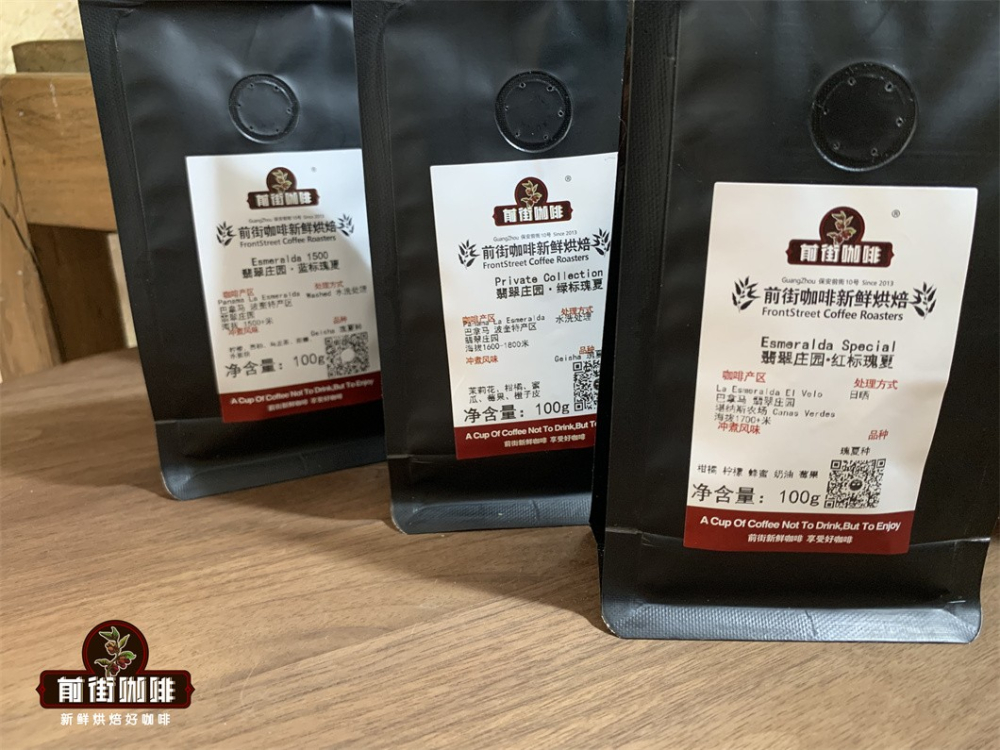
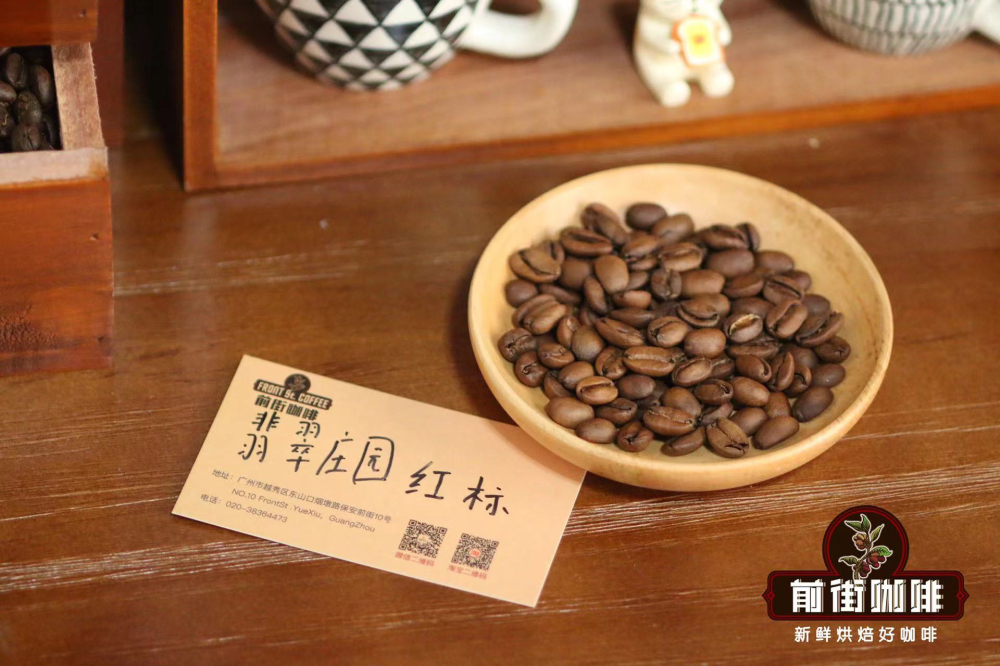
First and foremost is the one被誉为 as the "Queen of Coffee,"Panama Geisha (Gesha). This ancient variety originating from Ethiopia only gained fame in 2004 at Panama’s Hacienda Esmeralda, and subsequently achieved remarkable success in major international competitions. In 2013, the natural-process Geisha lot from Hacienda Esmeralda sold for $350.25 per pound, and in 2019, it even fetched an astonishing $1029 per pound. Geisha is extremely demanding in its growing environment, requiring high altitude, frequent cloud cover, and fertile soil. With thin leaves and underdeveloped root systems, its yield is very low. Its flavor profile is dominated by floral, citrus, berry, and honey notes, making it a dream bean for many baristas. The Red Label, Green Label, and Volcanica Geisha from Hacienda Esmeralda are all highly popular versions in the market.
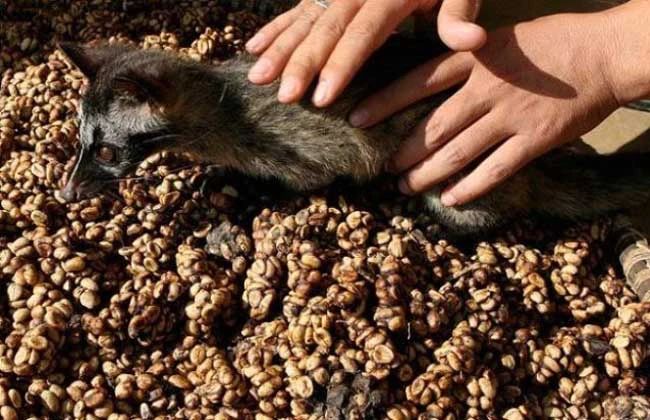
When it comes to the ultimate representative of unique processing methods, none other thanKopi Luwak (commonly known as civet coffee)fits the bill. These coffee beans originate from Indonesia and are actually beans excreted by civets after digestion. Due to the intricate process and extremely limited yield, wild Kopi Luwak once commanded a sky-high price of 50,000 RMB per kilogram. During the 18th-century Dutch colonial period, locals discovered that civets liked to eat coffee cherries, and after fermentation in their intestines, the beans exhibited a unique flavor. However, due to concerns over wildlife conservation, Kopi Luwak is now increasingly rare in the market.
Far away in the Atlantic Ocean, the volcanic island ofSaint Helena Coffeeis renowned for its unique historical background and organic farming practices. This remote British island’s coffee trees rely entirely on natural conditions to grow, and the variety is Green-Tipped Bourbon, which is naturally low in caffeine and has a delicate flavor. When Napoleon was exiled here, he spoke highly of Saint Helena Coffee, which in 1845 became the most expensive coffee in London at 1 penny per pound. Volcanic soil combined with bird droppings fertilizer creates its elegant and pure taste, making it a legend among many coffee connoisseurs.
Moving to the tropical paradise of the Pacific—Hawaiian Kona Coffee—its planting areas are situated on volcanic black soil and enjoy an ideal microclimate with abundant morning sunshine and afternoon cloud cover. This environment gives Kona coffee a gentle acidity, rich aroma, and multi-layered fruit and spice notes. However, due to its scarce yield and fully manual harvesting, the cost per pound of coffee beans can reach $40 to $60, contributing to its image of high price and high quality. Kona coffee beans are plump in shape, suitable for drinkers who prefer a mild and balanced flavor.
In Brazil, the world’s largest coffee-producing country,Fazenda Santa Inês Coffeestands out. This estate, located at an altitude of 900 to 1100 meters, boasts mineral-rich volcanic soil and diverse natural water sources, along with the benefits of a microclimate, producing specialty coffee with strong fruit acidity, berry sweetness, and caramel aftertaste. In recent years, Fazenda Santa Inês has won awards multiple times in the COE (Cup of Excellence) international competition, making it one of the important representatives of Brazilian specialty coffee.
When talking about the finest in the coffee world, one absolutely cannot missJamaica Blue Mountain Coffee. The Typica variety grown at altitudes of 910 to 1700 meters in the Blue Mountains is strictly regulated by the Jamaica Coffee Industry Board, and only coffee grown in specific high-altitude areas can bear the name "Blue Mountain." The cool, foggy environment and fertile volcanic soil create Blue Mountain coffee’s excellent low acidity, balance, and full-bodied flavor. Due to its limited production (less than 15% of Jamaica’s total output) and the fact that historically most high-quality Blue Mountain coffee was exported to Japan, its market value remains high. The Blue Mountain No. 1 from Clifton Estate, processed via the washed method, offers a smooth, low-acid cup with a pronounced sweet aftertaste.
From Central America,El Salvador Los Planes Coffeeis a representative of specialty coffee that has made a comeback after the civil war. Grown in the Chalatenango mountains by the local family farm Sergio Ticas Yeyes, this coffee has won multiple awards in the Cup of Excellence competition. Its flavor combines layers of orange, caramel, and brown sugar, with a balanced and delicate taste, making it an excellent choice for coffee enthusiasts looking to try something new.
Also from Central America,Honduras Esperanza Coffeehas garnered attention for its complex flavor profile. At an international green coffee auction, this coffee sold for $35.10 per pound. Esperanza coffee grows in the superior microclimate of mountainous regions, showcasing diverse flavors of fruit, nuts, chocolate, and spices, with a smooth taste and no bitterness—making it an ideal choice for coffee players who pursue layered flavors.
Heading to Africa,Rwanda Blue Bourbon Coffeecomes from the country known as the "Land of a Thousand Hills," which has numerous planting areas at altitudes of 1700 to 2000 meters. The mild climate and fertile soil are perfect for growing the Bourbon variety. As a classic Arabica variety, Bourbon features bright fruit acidity, floral notes, and a black tea-like aftertaste. Starbucks’ Rwanda Blue Bourbon is known for its cherry, butter, and nut aromas, and is a widely accessible representative for global consumers.
Finally, we arrive at the Caribbean’sPuerto Rico Yauco Selecto Coffee. Once ranked as the world’s sixth-largest coffee producer, this coffee is primarily the Typica variety and was immensely popular in the 19th century. Yauco Selecto AA has a gentle acidity and a thick mouthfeel, with distinct nut and chocolate flavors. It was once hailed as the "King of Island Coffee." The high altitude and nutrient-rich clay soil of the Yauco region make this coffee’s yield limited, but it delivers extremely high flavor density and aftertaste.
The above content is compiled by CoffeeHunters, a coffee news website.


