







Introduction:Blue Mountain No. 1 coffee is hailed as the finest in the coffee world, but brewing a cup with balanced flavor and rich layers requires expertise in bean selection, roasting, and pour over techniques. This article will delve into the regional characteristics, grading standards, and processing methods of Jamaican Blue Mountain No. 1, explore the optimal roasting strategies and ideal tasting windows, and finally provide practical pour over parameters and steps to help you master the key to consistently extracting bright acidity, full body, and sweet aftertaste.
To truly enjoy an outstanding cup of Jamaican Blue Mountain No. 1 coffee, premium green beans alone are not enough—every step from roast curve design, appropriate grind size, to precise pour over extraction is crucial. Blue Mountain No. 1 is not only a representation of coffee quality but also a crystallization of detail and technique. This article will take you from the background of the Blue Mountain region and its grading standards, step-by-step analyzing how to bring out its delicate floral notes, soft acidity, and captivating dark chocolate finish through the correct pour over method.
Authentic Blue Mountain coffee refers specifically to the brew made from Typica variety beans grown at elevations between 910 and 1700 meters in the Blue Mountains of Jamaica. The unique high-altitude climate, fertile volcanic soil, along with stable high humidity and frequent rainfall throughout the year, together nurture a Blue Mountain coffee that is solid in texture, with pronounced body and multifaceted flavors. Its flavor profile typically showcases a rich dark chocolate tone, soft citrus acidity, and delicate caramel sweetness, with perfect harmony among acidity, sweetness, and bitterness—clean and refreshing on the palate, with a long-lasting finish.
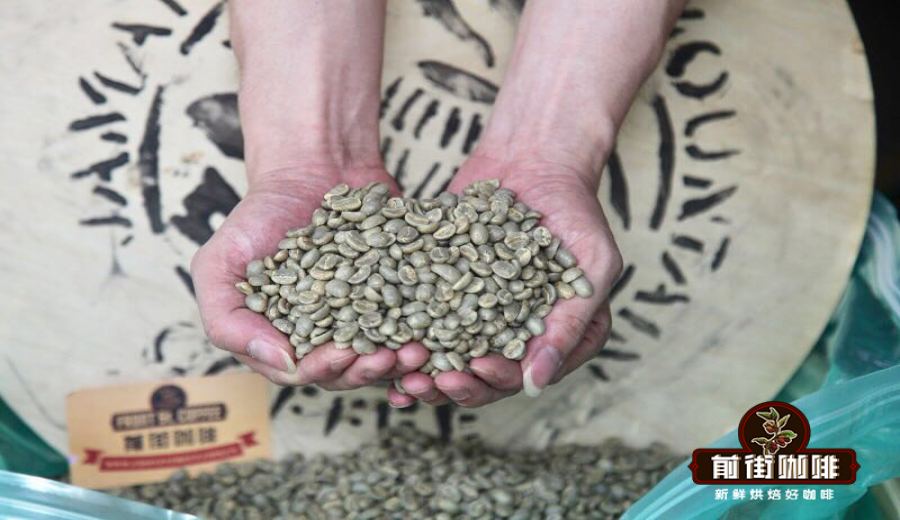
To experience the true essence of Blue Mountain coffee, choosing the correct grade is essential. Currently, the most recognized top-tier grade of Blue Mountain coffee is NO. 1, widely known as "Blue Mountain No. 1." Green beans of this grade have strict selection criteria: bean size must be between 17 and 18 mesh, and the defect rate must not exceed 2%. Such stringent selection not only ensures the uniformity of the beans’ appearance but also guarantees even heat distribution during roasting, resulting in a final cup that is purer and more consistent in both flavor and mouthfeel.
It’s worth mentioning that most Blue Mountain No. 1 beans come from the historic Clifton Estate in the Blue Mountains, situated on a slope at around 1310 meters above sea level and blessed with exceptional natural conditions. The local volcanic soil is fertile, the air is clean and unpolluted, and the humid climate—with annual rainfall of about 1980 mm and average temperature of approximately 27°C—provides ideal growing conditions for coffee trees. These beans are processed using the washed method, with fermentation time controlled between 12 and 18 hours, followed by multiple rounds of water channel washing to ensure smooth bean surfaces free of impurities, while also making the coffee’s acidity more delicate and stable.
Based on the characteristics of Blue Mountain No. 1 beans produced by Clifton Estate, the beans are mostly above 17 mesh, with a defect rate below 3%, and moisture content of around 13%. The beans have medium density. In actual roasting practice, it has been found that such beans are suitable for a steady and gradual increase in temperature. It is recommended to continue roasting for about 4 minutes after the first crack and to drop the beans at around 201°C, achieving a medium-dark roast. This roast level effectively balances acidity, body, and aroma, presenting a silky-smooth texture with a light and penetrating fragrance that blends floral, spicy, and caramel notes, with a touch of mild cocoa sweetness lingering in the aftertaste.
After roasting, the golden window for enjoying Blue Mountain No. 1 is between 5 to 30 days post-roast. It is recommended to consume the coffee within this period to enjoy its optimal flavor. Generally, beans shipped within 5 days of roasting can usually be brewed directly upon arrival. It’s important to note that as time passes, the internal structure of the beans gradually changes, and the rate of flavor release may also vary, so pour over parameters should be adjusted accordingly.
During actual pour over brewing, it is recommended to use a relatively lower water temperature paired with a medium-coarse or coarser grind size to avoid over-extraction that could lead to bitterness or excessive tannins. For Blue Mountain No. 1, a medium-coarse grind size similar to coarse sugar texture is advised, specifically with a sieve rate of about 70% through a Chinese 20-mesh standard sieve; water temperature is recommended to be controlled at88 to 89°C.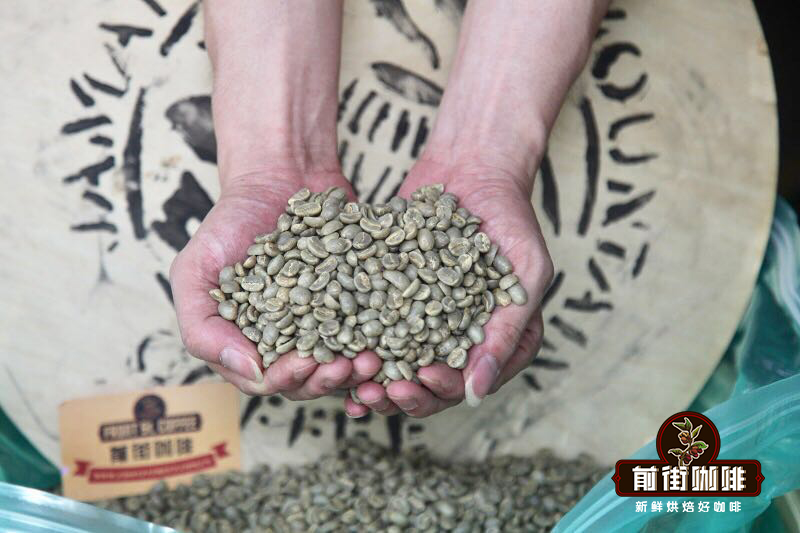
For the filter, you may choose a KONO filter with immersion effects and short ribs. This type of filter allows the filter paper to adhere tightly to the filter wall, creating an immersion-like extraction effect during pouring, which helps enhance overall body and roundness of mouthfeel. The recommended coffee dosage is15 grams, with a coffee-to-water ratio set at1:15, meaning the total water poured is225 grams, using a pulse pouring technique.
The specific pour over steps are as follows: First, perform the bloom using hot water equal to about twice the coffee dosage, that is30 grams of water for 30 seconds, which helps expel CO₂ from the coffee grounds and lays a stable foundation for subsequent extraction. After blooming, switch to a small stream of water and pour in a circular motion from the center outward. When the total water poured reaches125 grams, perform the first pour, then continue pouring until the total reaches225 gramsbefore stopping. Once all the water has dripped through the filter, remove the filter, with the total brew time being about2 minutes and 10 seconds. Finally, it’s recommended to gently swirl the brewed coffee to evenly distribute the flavors before pouring into a cup and savoring it slowly.
Through the above steps, you’ll be able to consistently brew a pour over coffee that showcases the unique charm of Blue Mountain No. 1: a blend of rich dark chocolate and nutty flavors, paired with a creamy-smooth mouthfeel, where acidity, sweetness, and bitterness are perfectly balanced, with a long and mellow aftertaste that leaves a lasting impression.
The above content is compiled by CoffeeHunters, a coffee news website.


