







Introduction:Want to know what kind of beans you’re holding in your hand? Arabica and Robusta are the two most prominent coffee varieties in the world, and they differ significantly in terms of growing altitude, flavor profiles, and disease resistance. This article delves into the growth conditions, visual identification, chemical composition, and suitable brewing methods of these two coffee bean types, helping you make a smarter choice based on your taste preferences and brewing style.
The world of coffee is diverse and colorful, but in reality, it’s Arabica and Robusta that form the backbone of the global consumption market. The former originates from Ethiopia, while the latter is native to West Africa. The two differ markedly in terms of altitude requirements, climate adaptability, flavor expression, and disease resistance. Arabica is widely loved for its delicate floral and fruity aromas and smooth mouthfeel, but it demands high environmental standards, is susceptible to pests and diseases, and is relatively expensive to cultivate. In contrast, Robusta boasts a high caffeine content, robust resilience, and rich oils, making it commonly used in instant coffee and espresso blends.
With the rise of specialty coffee culture, consumers are paying increasing attention to every step of the coffee journey—from the origin at the farm to the cup in hand—including the farming practices of growers, harvesting and selection processes, green bean processing techniques, and how roasters bring out the potential of each bean. Understanding the basic characteristics of coffee bean varieties is fundamental to appreciating a great cup of coffee.
It all starts with a single seed. These seeds come from coffee trees adorned with pure white flowers that emit a subtle jasmine fragrance, bearing fruit resembling cherries—inside which lie the familiar coffee beans we know and love.
Among the many coffee varieties around the world, Coffea arabica (commonly referred to as Arabica) and Coffea canephora (known as Robusta) are the two most predominant types and the most commonly seen on the market. Although there are other members within the Coffea genus, there is currently no evidence suggesting they hold potential for large-scale commercialization.
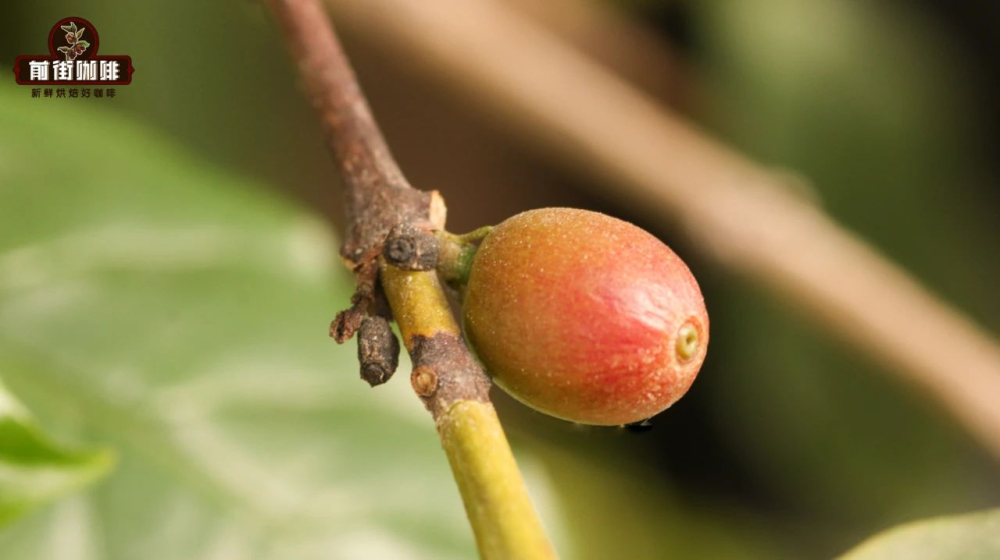
Arabica: Synonymous with refinement and pickiness
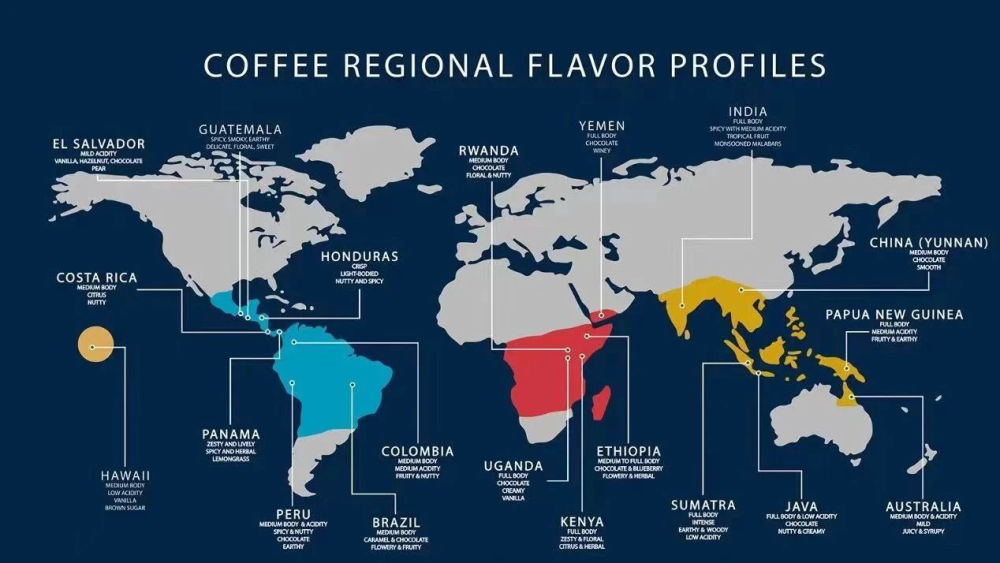
Arabica accounts for roughly 80% of global coffee production. It originated in Ethiopia and is typically grown at elevations between 1,000 to 2,300 meters in mountainous regions, falling within the so-called "coffee belt" that lies at the intersection of tropical and subtropical zones. These areas often feature fertile volcanic soil, consistent rainfall, and moderate sunlight, providing an ideal environment for coffee tree cultivation.
However, Arabica is extremely sensitive to environmental changes and is vulnerable to pests and diseases, such as the common coffee leaf rust, which causes orange-red spots on the leaves, impairing photosynthesis and, in severe cases, leading to leaf drop or even plant death. Additionally, the coffee berry borer has a particular preference for attacking Arabica fruits, causing serious quality damage. As a result, Arabica cultivation management is relatively complex, also driving up its production costs.
Nevertheless, what makes Arabica most captivating is its delicate and multifaceted flavor profile, often featuring floral, citrus, honey, caramel, and even chocolate notes. Its drinking experience is smooth and rich, making it the preferred choice for many coffee enthusiasts.
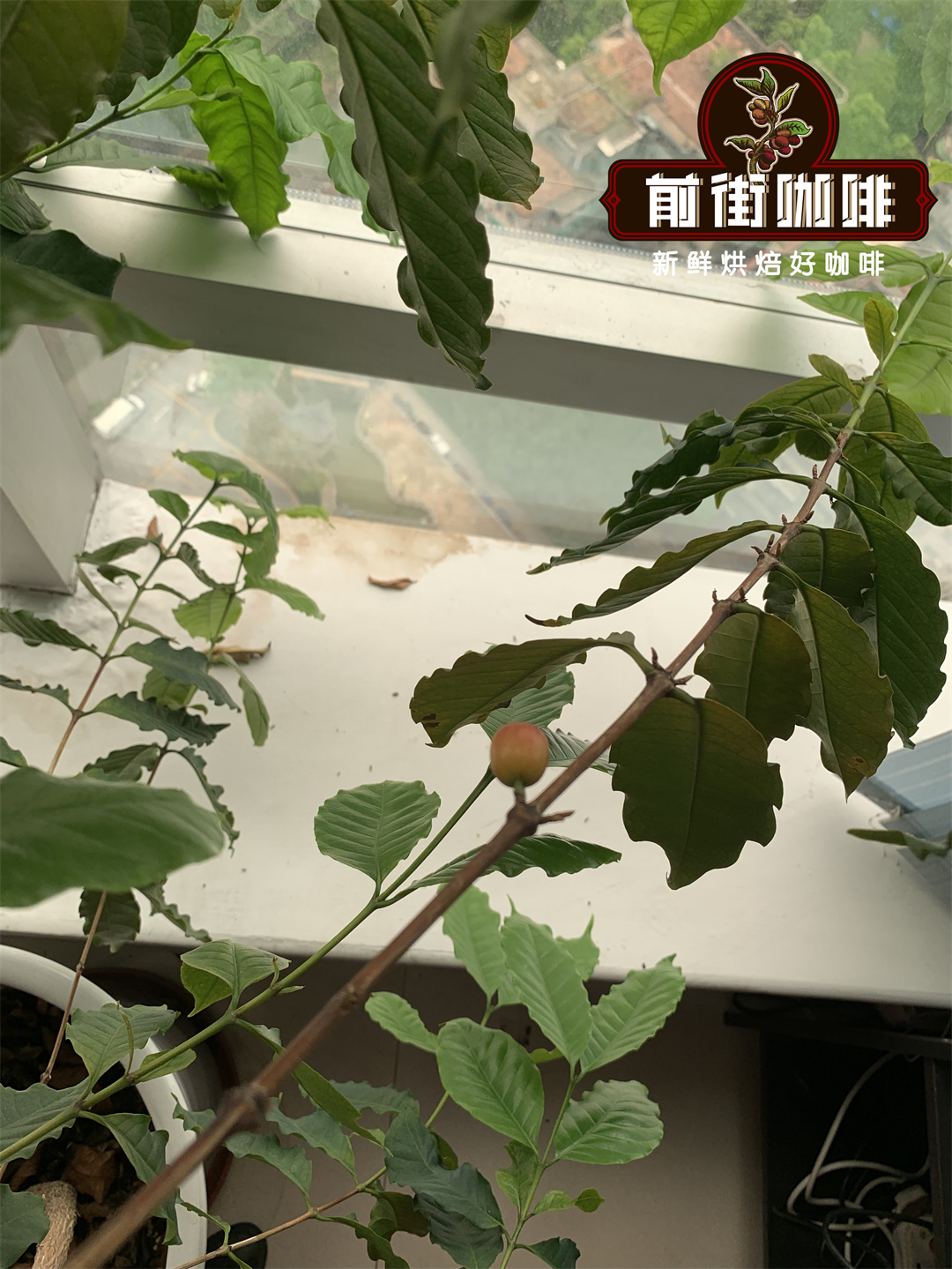
Robusta: The embodiment of hardiness and practicality
Robusta originated in West Africa and is primarily cultivated in lower-altitude tropical regions, usually between 200 to 800 meters. It accounts for about 20% of global coffee production. Although it is often considered a lower-tier option, it actually possesses irreplaceable qualities.
Robusta contains a high caffeine content of 2.7% to 4%, nearly double that of Arabica. This natural chemical defense mechanism enables it to resist most pests, making cultivation relatively straightforward, with higher per-unit yields and, naturally, more affordable pricing. Furthermore, Robusta beans are smaller and rounder, and they release abundant coffee oils (crema) after brewing, which is one of the reasons why it is commonly used in espresso blends.
Although Robusta’s flavor profile isn’t as nuanced as Arabica’s and is often described as having stronger, harsher notes such as woody, rubbery, or even earthy undertones, it still holds unique appeal for those who prefer a bold, intense taste or seek a strong caffeine boost.
Differences in appearance and chemical composition
In terms of raw bean appearance, Arabica beans are elongated and oval-shaped, with a distinct “S”-shaped center cut, whereas Robusta beans are rounder with a more linear, near “1”-shaped center cut. The color of Robusta raw beans also tends to be yellowish-brown. Distinguishing varieties by raw bean appearance is relatively reliable, but after roasting, the beans expand and the center cut deforms, making visual identification less accurate.
In terms of chemical composition, Robusta has roughly double the caffeine and chlorogenic acid (CGA) concentrations of Arabica. These substances not only contribute bitterness but also act as natural pesticides. However, they also suppress the formation of certain aromatic molecules, resulting in a more monotonous and direct flavor in Robusta.
In contrast, Arabica has nearly 60% higher lipid content and nearly double the sugar concentration compared to Robusta. These components promote the synthesis of various aromatic compounds during the roasting process, which is key to Arabica’s complex and nuanced flavor. At the same time, its high sugar and fat content also make Arabica more beneficial for human metabolism.
It’s worth mentioning that Arabica is a self-pollinating plant, resulting in low genetic mutation rates and high varietal stability. On the other hand, Robusta thrives due to its strong environmental adaptability—it can survive in high-temperature, low-altitude areas—and exhibits significantly better resistance to harsh weather and pests than Arabica.
In summary, both Arabica and Robusta have their pros and cons. Which one to choose depends on your brewing method, flavor preferences, and expectations for flavor complexity. Whether it’s the refined flavors of Arabica in a pour over or the bold crema of a Robusta blend, understanding their characteristics will help you better appreciate every cup of coffee in your hand.
The above content is compiled by CoffeeHunters, a coffee news website.


