







Introduction:Cold drip coffee showcases the delicate flavors of coffee through low-temperature slow extraction, making it an excellent choice for a refreshing summer beverage. This article delves into the principles of cold drip extraction, compares it with cold brew, and provides detailed steps for making it at home, including key parameters such as grind size, coffee-to-water ratio, and drip rate settings. It also recommends various types of coffee beans suitable for cold drip — from bright fruity and floral to rich and wine-like — helping readers choose based on personal taste preferences, and offers guidance on storage for optimal flavor.
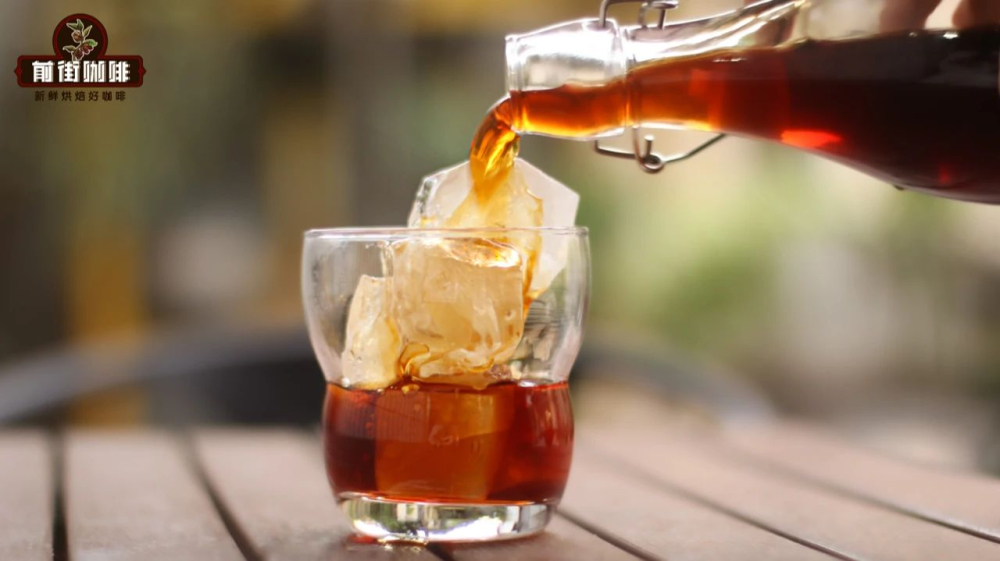
Cold Drip Coffeeis a method of coffee preparation where melted ice water slowly drips through coffee grounds over an extended period of time. Pure ice melts into tiny droplets that fall at a steady rate onto evenly ground coffee, typically taking about 6 to 8 hours in total. The coffee is then refrigerated for approximately 12 hours to allow further fermentation and flavor integration, resulting in a rich, well-balanced taste with both acidity and sweetness.
Before exploring cold drip coffee, it’s important to understand how it differs from the more commoncold brew coffee (Cold Brew). Cold brew involves steeping coffee grounds in room temperature or cold water in a sealed container for several hours — a relatively simple process. In contrast,cold drip coffee (Cold Drip)uses controlled dripping of ice water at a rate of just a few drops per second to gradually extract the essence of the coffee. The entire process is slower and more meticulous. This low-temperature extraction method reduces the release of bitter compounds, allowing the coffee to express more fruity and sweet notes.
The low-temperature environment of cold drip helps inhibit the dissolution of high-molecular-weight bitter compounds. Compared to high-temperature brewing, it preserves more delicate fruit acids and aromatic molecules, often resulting in a clean, layered cup with a natural sweetness. For coffee enthusiasts who pursue nuanced flavors, cold drip is not just a brewing method but a journey into appreciating the essence of coffee itself.
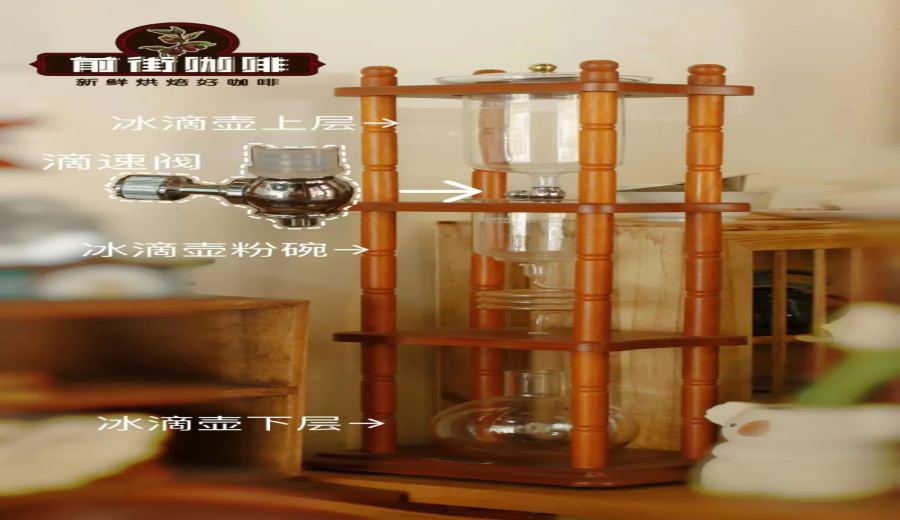
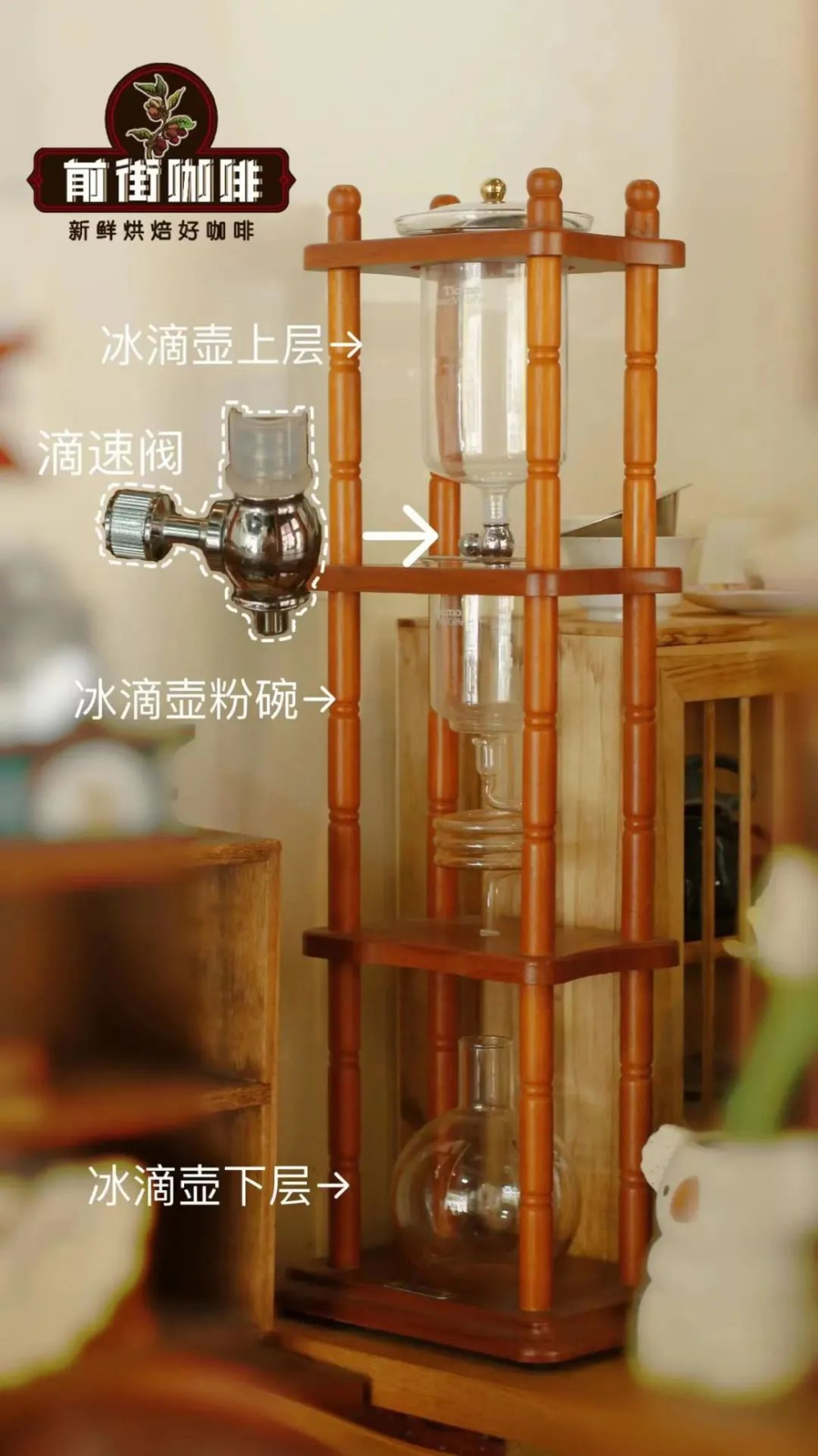
To make cold drip coffee at home, you’ll first need a basic cold drip setup, usually consisting of three main components: the top chamber holds the ice water mixture and features an adjustable valve to control the drip rate; the middle filter basket holds the ground coffee; and the bottom chamber collects the brewed coffee. Commercial cold drip devices come in various designs — for example, the Tiamo HG2713 comes with a circular glass guide tube that directs the water flow more evenly, though consumers can choose a model based on their budget and needs.
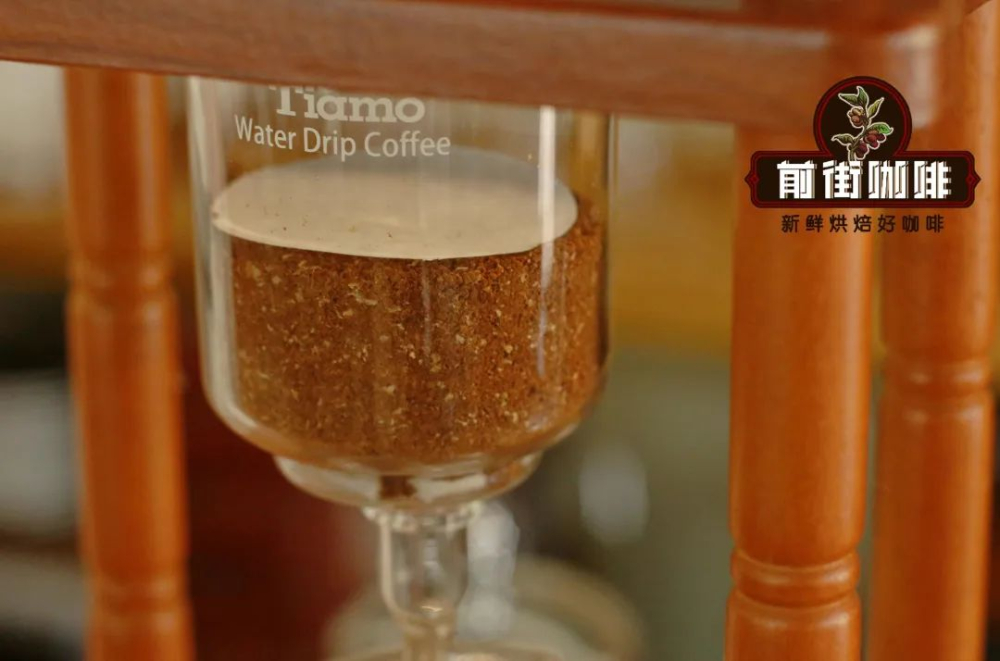
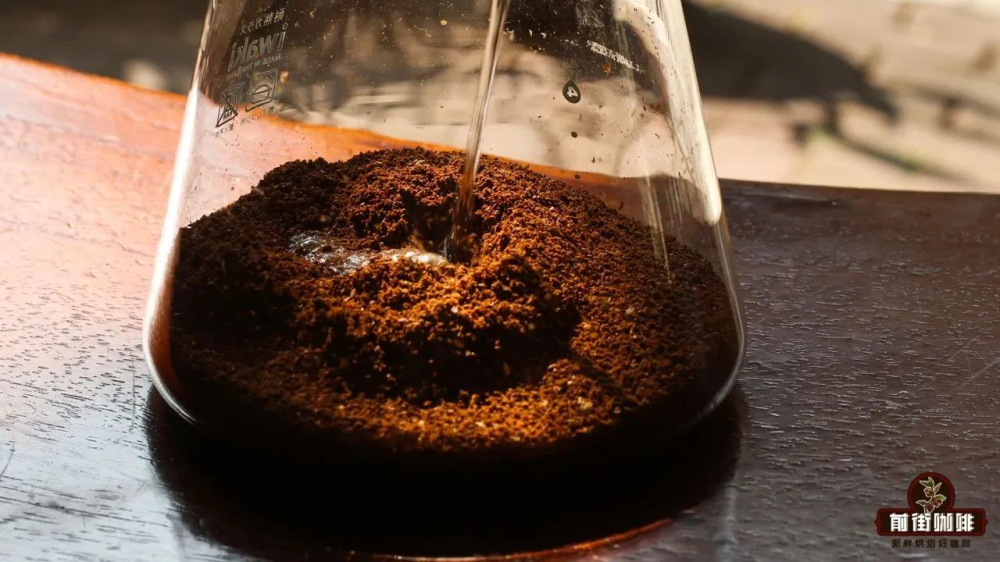
In terms of parameter settings, it’s recommended to grind the coffee to a fineness where about 80% to 85% of the particles can pass through a No. 20 Chinese standard sieve, which is roughly equivalent to a grind size of around 10 on an EK43s grinder — similar in feel to fine sugar. If using a bright coffee bean such as Kenya AA, you may slightly adjust the grind to around 85% to aid in flavor extraction. It’s important to avoid packing the coffee bed too tightly, as this may impede drainage or lead to over-extraction, negatively affecting the final taste.
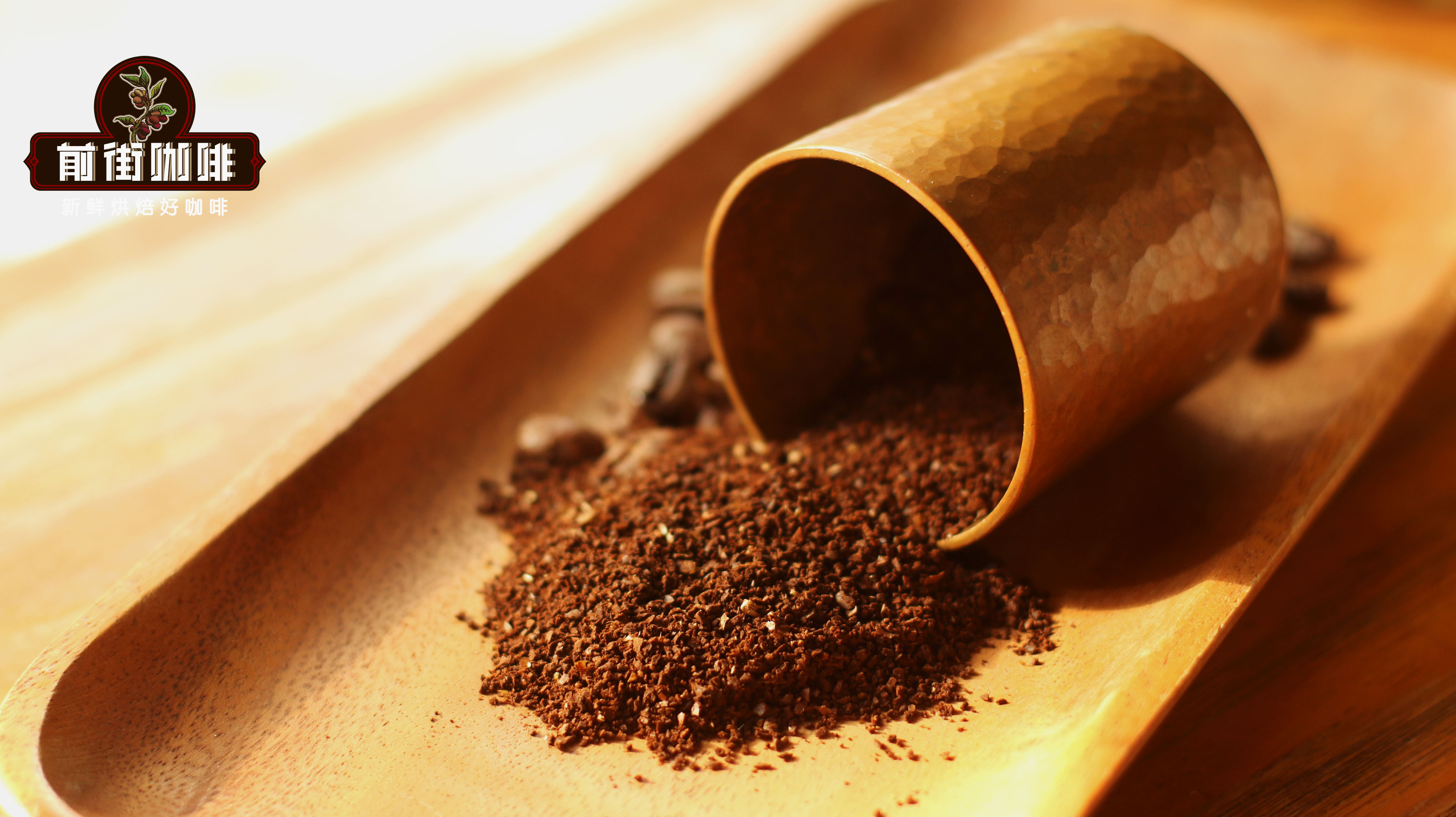
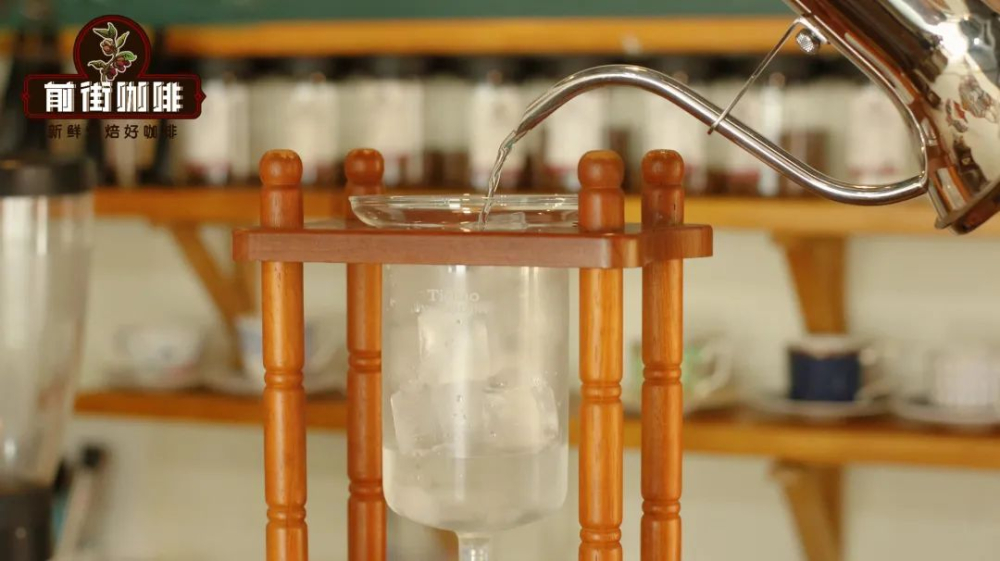
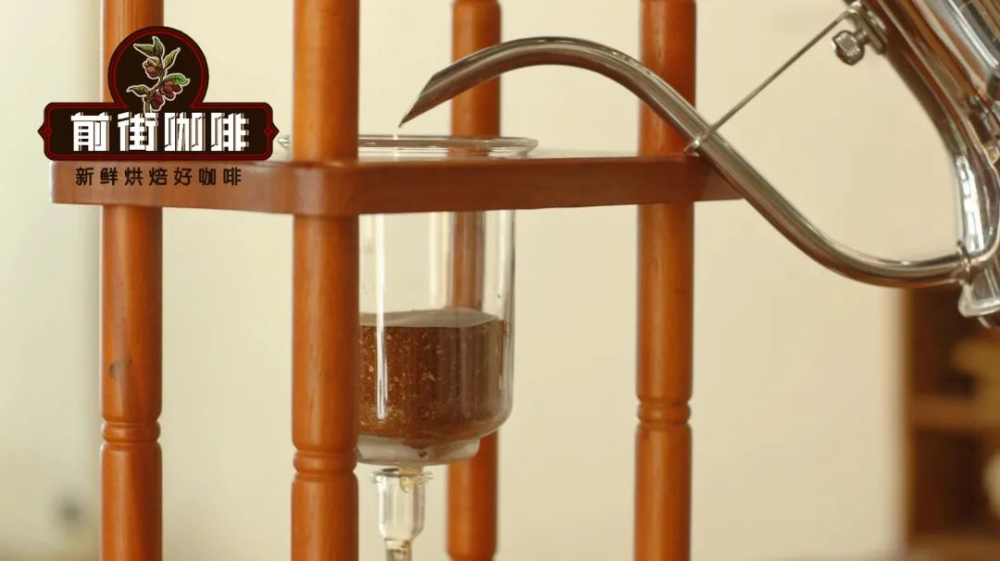
The drip rate for cold drip is generally benchmarked at 7 drops per 10 seconds. Too slow may prolong the extraction time and increase the risk of over-extraction, while too fast may result in under-extraction. The recommended coffee-to-water ratio is 1:10. If you plan to adjust it yourself at home, you can also use a range of 1:10 to 1:12 — especially if you intend to dilute the final product with ice, a slightly higher concentration will help preserve more robust flavors. In practice, grind 60 grams of coffee beans, place them in the filter basket, and line it with filter paper to aid drainage and prevent clogging. Then add an equal amount of ice water mixture to the top chamber. The goal is to extract around 600 grams of coffee liquid. After completing the drip, seal and refrigerate for at least 12 hours. It’s best enjoyed the day after the dripping process is finished to achieve the optimal flavor profile.
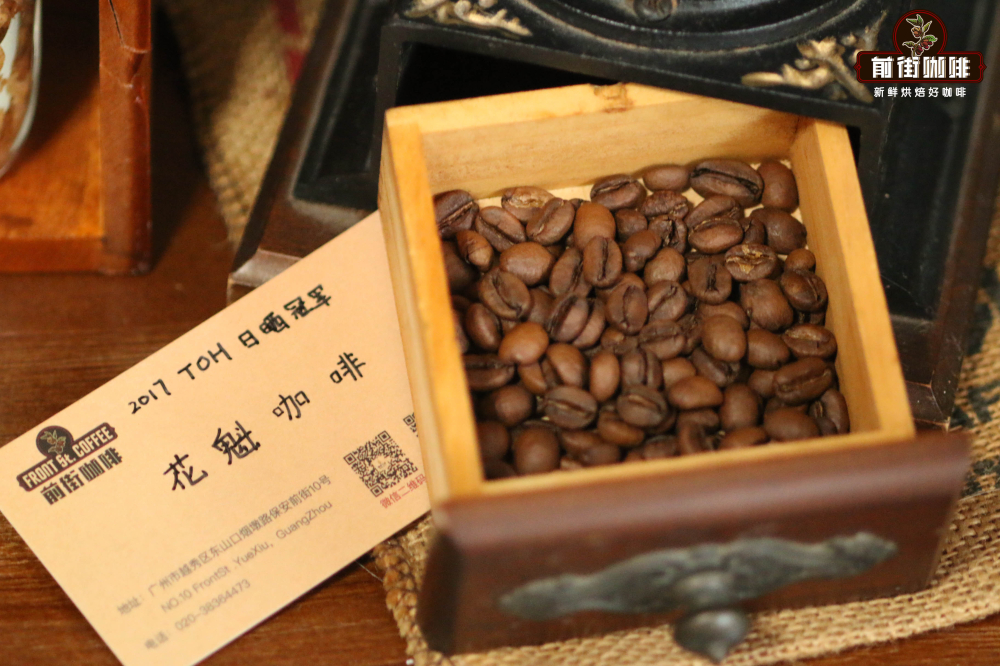
A wide variety of coffee beans are suitable for cold drip, with the key factors being freshness (ideally within about two months of roast date) and processing methods or roast levels that highlight specific flavor profiles. For example,Panama Elida Estate Catuai, with its washed process, delivers distinct notes of peach, sweet orange, and citrus. When brewed as cold drip, it reveals bright layers of floral and fruity flavors. Meanwhile,Honduras Sherry Barrel Coffee Beans, fermented in whiskey barrels, produce a cold drip with intense wine-like aromas and honey-like sweetness. For those who enjoy a fruit-tea profile, consider tryingNatural Hua Kui, whose high-sugar fruit pulp, after sun-dried fermentation, results in a cold drip with lively berry acidity and hints of black tea.
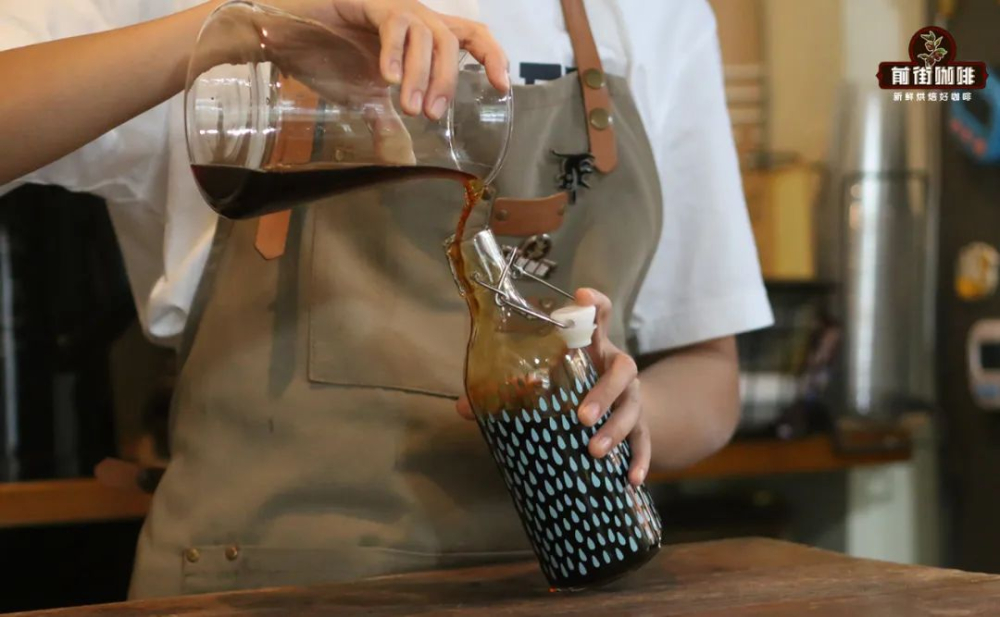
Once made, cold drip coffee is best stored in a sealed container in the refrigerator, maintaining its flavor for about 3 to 5 days. Refrigeration helps further integrate the flavor compounds, leading to a richer mouthfeel. However, if left for more than five days, excessive fermentation may cause undesirable flavor shifts. Additionally, once opened, be mindful of potential bacterial contamination and aim to consume it promptly for the best drinking experience.
In summary, the charm of cold drip coffee lies in the delicate and layered flavors achieved through its low-temperature slow extraction process. By mastering key parameters such as grind size, coffee-to-water ratio, and drip rate, even beginners can replicate a professional-grade cup at home. Select the right coffee beans and adjust to your ideal formula to enjoy this unique iced coffee experience.
The above content is compiled by CoffeeHunters, a coffee news website.

