








Introduction:Want to brew rich coffee at home but deterred by the high price of espresso machines? The moka pot, with its similar pressurized brewing principle and affordable price, has become the top choice for many coffee enthusiasts. This article delves into the differences between moka pots and espresso machines, guides you through key extraction parameters, and features two medium-to-dark roasted blends ideal for the moka pot. From bean selection and grind size to water temperature control, it offers a complete beginner-friendly practical guide.
Commercial espresso machines on the market often start from several thousand yuan, with professional commercial models even exceeding ten thousand. For most households, that’s indeed a significant investment. In contrast, the moka pot uses a similar pressurized extraction concept, leveraging 1.5 to 2 bar of internal pressure, allowing you to brew rich-tasting coffee at home without a high budget. While its flavor profile may be slightly inferior to traditional espresso, it has low operational barriers and a sleek, stylish design, making it a practical choice for those seeking value for money.
Its working principle is quite straightforward: first, pour an appropriate amount of hot water into the bottom chamber. As it heats up, steam pushes the water upward through the middle filter filled with ground coffee, eventually collecting in the top chamber to complete the extraction. This steam-pressure design allows coffee compounds to be extracted more efficiently, resulting in a brew that is not only higher in concentration but also boasts a relatively thick crema layer, closely mimicking the drinking experience of traditional espresso machines.

Given the characteristics of the moka pot, it’s recommended to choose coffee beans with medium to dark roasts. These beans typically have a fuller body and a richer aromatic profile, which interact well with the moka pot’s extraction method. However, be mindful that while deeper roasts can enhance flavor intensity, they may also bring noticeable burnt or bitter notes. Adjust according to personal taste preferences. Additionally, considering that most users brew at home daily, selecting cost-effective blends is not only practical but also helps reduce long-term brewing costs.
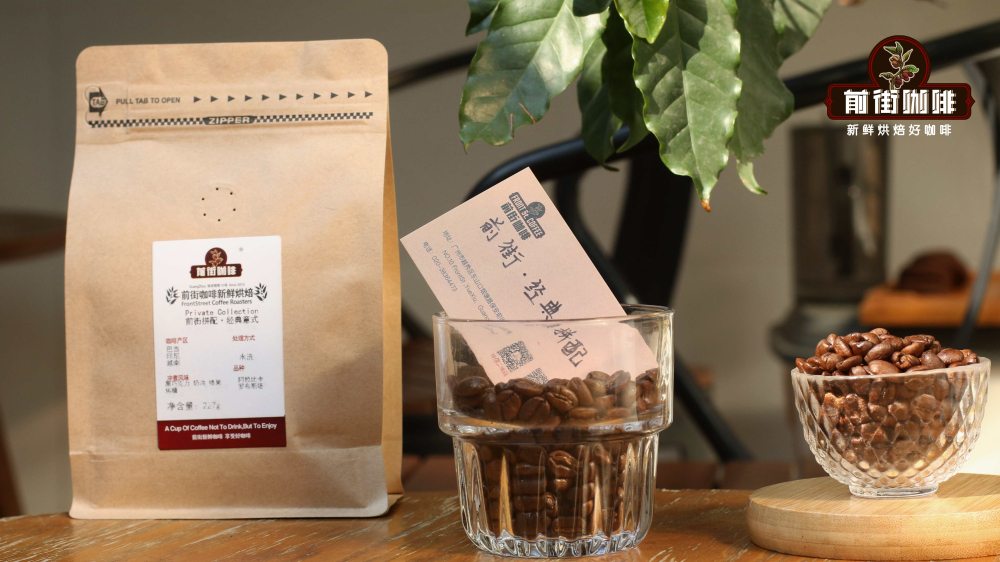
If you prefer a coffee with a rich crema and balanced flavors, we recommend trying a classic espresso blend from a certain brand. This recipe excels in balanced flavor, featuring distinct hazelnut notes and a gentle malt sweetness, with a soft acidity—perfect for the pressurized extraction of a moka pot. It easily brings out the fine crema on the coffee’s surface, adding a smooth mouthfeel to the drink.
For users who want a gentler, more approachable coffee flavor, a certain brand’s basic espresso blend is an ideal choice. This blend combines Yunnan small-seed variety beans with beans from Brazil’s Cerrado region, delivering a multi-layered combination of nutty, chocolatey, and subtle plum aromas. The overall taste is soft and smooth, making it not only suitable for everyday home enjoyment but also frequently used as a base bean in coffee shops due to its stable performance—offering both quality and practicality.

Regarding coffee grind size, the moka pot recommends a medium-to-fine grind between 0.3 and 0.55 mm. This range is slightly coarser than the extremely fine grind used in professional espresso machines but finer than the coarse grind used for pour over. In practice, observe the flow rate during extraction: if the coffee in the top chamber gushes out like a fountain, it usually means the grind is too coarse, offering too little resistance to water flow. This not only affects extraction efficiency but also results in a thinner crema. Conversely, if you hear a low “wuu wuu” sound and the coffee rises slowly or even stops, the grind may be too fine, creating excessive resistance. In this case, turn off the heat immediately to avoid over-extraction or safety concerns.
As for water temperature control, it’s recommended to use water that’s just about to boil, rather than starting with room temperature or cold water. If you begin with cool water, as it heats up and steam gradually builds up, the water may come into contact with the coffee grounds before reaching the ideal extraction temperature, potentially causing premature release of flavor compounds and affecting the final balance and aroma of the coffee. Therefore, heating the water close to boiling before starting the extraction process helps accurately control the temperature window and improve overall extraction quality.
The actual steps to operate a moka pot are quite simple: first, pour hot water into the bottom chamber, not exceeding the safety valve; next, evenly fill the pre-ground medium-fine coffee into the filter basket, being careful not to tamp it too hard to avoid impeding water flow; then, place the filter basket into the bottom chamber and screw the top chamber on tightly to ensure a good seal; when heating, it’s recommended to use medium heat and keep the top chamber open to observe the extraction; once you see the coffee steadily flowing out, remove the moka pot from the heat source and let the remaining coffee drip out completely to finish the extraction process.
The reason a moka pot can extract coffee with crema lies in the heating process: the water in the bottom chamber, confined in a limited space, turns into a large amount of steam as it heats up. The pressure from this steam pushes the hot water upward through the central metal tube, passing through the compact coffee grounds, thereby extracting and carrying the coffee’s oils. This creates a rich texture and layered profile similar to that of traditional espresso.
The above content is compiled by CoffeeHunters, a coffee news website.


