







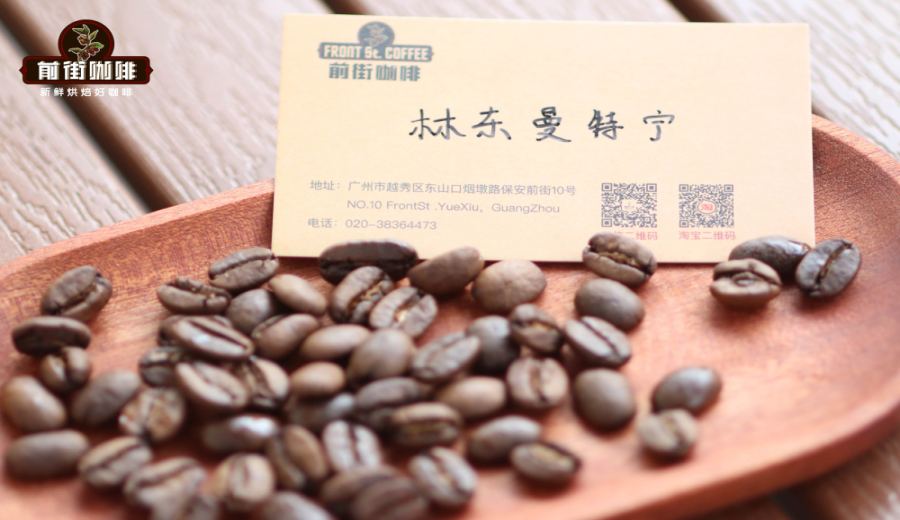
Introduction:The name "Mandheling" coffee conceals a World War II misunderstanding—it does not refer to a specific origin or coffee variety, but rather is a transliteration of the name of the Mandailing ethnic group in Indonesia. This article delves into the unique herbal and woody aromas of Mandheling coffee produced around Lake Toba in northern Sumatra, introduces the characteristics of the meticulously selected Golden Mandheling from Japan, and explores how aged Mandheling transforms acidity and astringency into sweet, rounded flavors over time, helping coffee enthusiasts fully understand the diverse profile of this classic Indonesian bean.
When it comes to Mandheling, many coffee lovers are no strangers to it, but this name represents neither a specific origin, port, nor coffee variety. In fact, the term "Mandheling" originates from a misheard story during World War II and is inextricably linked to its promotion in the Japanese market.
It is said that during World War II, a Japanese soldier tasted a rich and full-bodied coffee at a café in Indonesia. Curious, he asked the shop owner about the name of the coffee, but the owner misunderstood and thought the soldier was asking where he was from, replying "Mandailing." The soldier assumed this was the name of the coffee. After the war, he imported 15 tons of this coffee to Japan through an Indonesian coffee trader, and it received great acclaim. Since then, the term "Mandheling" has become widely known. The merchant responsible for transporting this batch of coffee was the later-renowned PWN (Pusat Niaga Wangi) coffee company.
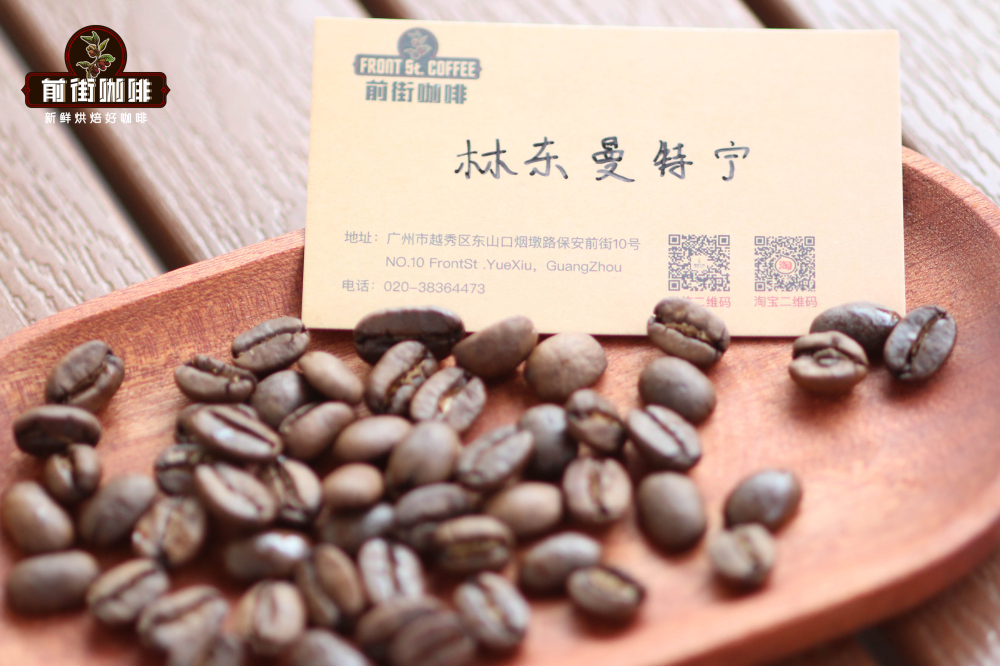
Today, the "Mandheling" coffee we are familiar with mainly comes from the area around Lake Toba in northern Sumatra, Indonesia. The coffee beans produced in this region are renowned for their complex aromas of herbs, woods, and soil, often with a hint of spice and an earthy character. They offer a rich flavor profile and a long aftertaste, making them a popular base bean for many dark roast enthusiasts.
Driven by the Japanese market, "Golden Mandheling" came into being. This is a coffee that undergoes a stricter quality control process in Japan, where the green beans are hand-sorted at least four times to remove all types of defective beans, leaving only those with uniform appearance and no obvious flaws. Golden Mandheling usually exhibits a deep green color with consistent bean size. It is not only hugely popular in the Asian market but has also successfully entered the high-end markets of Europe and America, and is regarded as one of the representatives of premium Indonesian coffee.
In addition to Golden Mandheling, another notable type of Mandheling is "Aged Mandheling." The aging process involves storing the green beans in an environment with appropriate temperature and humidity for several months to over a year, allowing the internal acidity and astringency to gradually transform. Successfully aged Mandheling sees a significant reduction in acidity, while releasing more sugars, resulting in a smoother, sweeter, and more mellow overall taste. However, if the aging conditions are not properly controlled, it may lead to flavor loss or even produce unpleasant tastes reminiscent of a "coffee zombie," so the aging process requires extreme care.
When selecting and brewing Mandheling, it is recommended to try different processing methods and roast levels, such as traditional wet-hulled, honey processed, or sun-dried. These variations can significantly impact the final flavor profile. Wet-hulled processing often results in a heavier body and lower acidity, while special processing methods may highlight more fruity or floral notes. For pour over enthusiasts, it is recommended to use medium-light to medium roast levels, paired with medium-coarse grind and water temperature of 90–93°C, which can effectively bring out Mandheling’s unique spicy and woody aromas.
In summary, Mandheling coffee is not just a name that came about by chance—it represents the solid flavors and diverse variations of Indonesian Sumatran coffee. From classic Mandheling, the carefully selected Golden Mandheling, to the time-refined Aged Mandheling, each type showcases a different charm and is well worth in-depth exploration and appreciation by coffee enthusiasts.
The above content is compiled by CoffeeHunters, a coffee news website.


